

Where I Walk Dogs in Finchley (and How I Choose the Right Walk for Yours)
One of the most common questions I get is simple:
“Where will you actually walk my dog?”
It’s a fair question. You’re trusting someone else with your dog, and the environment matters just as much as the walk itself.
The short answer is that I don’t use one fixed route or a single park. I choose the location based on your dog, their behaviour, their confidence, and what they need that day.
This page explains how that works in practice.
Why the walking location matters more than people think
A lot of dogs don’t struggle because they’re “bad on walks”.
They struggle because they’re in the wrong environment.
I see this often with:
- rescue dogs who feel overwhelmed in busy parks
- dogs who pull more when there’s too much going on
- nervous dogs who shut down around traffic or crowds
- high-energy dogs who never really settle because walks are too chaotic
Changing the location can change the whole experience.
That’s why I don’t treat walks as one-size-fits-all.
If you’re unsure what kind of walk suits your dog, it’s worth reading through the wider Dog & Cat Care Guides, where I break this down in more detail.
The main places I walk dogs locally
I mainly cover Finchley and the surrounding North London areas, including East Finchley and Muswell Hill. The exact route depends on the dog, but these are some of the places I use regularly.
Local parks (structured, calm walks)
Places like Cherry Tree Wood or smaller local green spaces are useful for:
- steady, on-lead walks
- building calm behaviour around other dogs
- practising focus and loose lead walking
- dogs who enjoy routine
I tend to avoid peak times where possible. Early mornings and quieter periods make a big difference, especially for more sensitive dogs.
Woodland walks (more space, lower pressure)
Areas like Coldfall Woods or Highgate Woods give a different kind of walk.
These are ideal for:
- dogs who need more space
- dogs who get overwhelmed in open parks
- sniff-heavy enrichment walks
- building confidence gradually
Woodland environments are often calmer because there’s less direct pressure from other dogs and people.
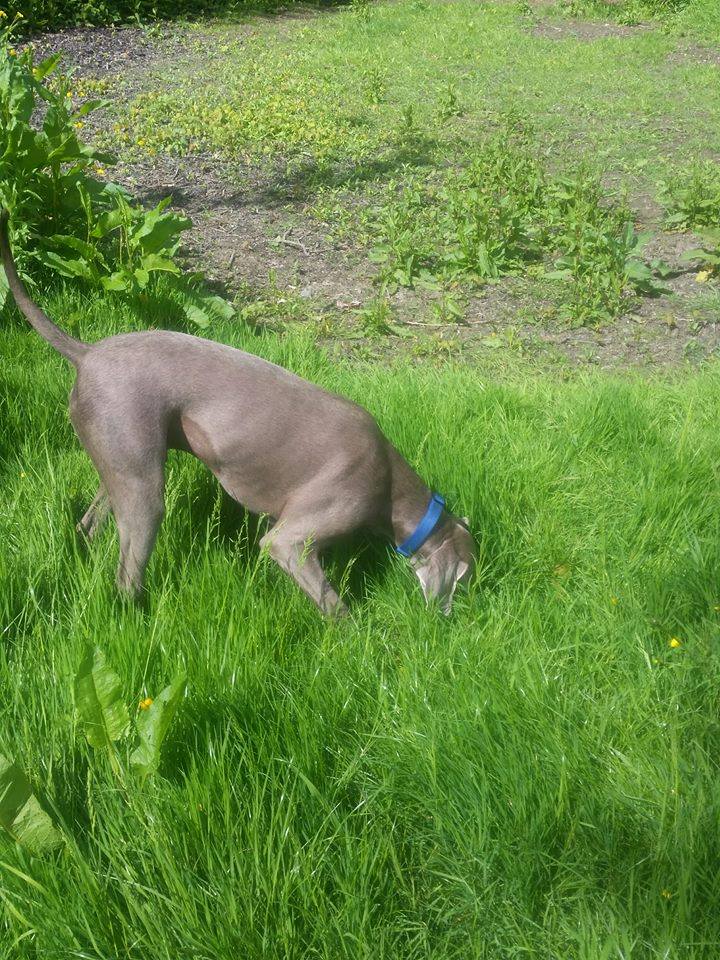
Quiet residential routes
Not every dog needs a “destination walk”.
Some dogs do better staying close to home, especially:
- puppies
- older dogs
- dogs recovering from illness or injury
- nervous or newly adopted dogs
These walks focus on:
- confidence building
- routine
- gentle exposure to the local environment
If you’ve recently brought a dog home, this approach often works better than jumping straight into busy parks. I cover this in more detail in the My Rescue Dog Starter Kit.
Controlled exposure routes
For reactive or easily overstimulated dogs, I plan routes very carefully.
This might involve:
- wider paths where we can create distance
- quieter edges of parks rather than central areas
- avoiding pinch points and narrow paths
- adjusting routes in real time depending on what we see
This is where experience really matters. It’s not just about where we walk, but how we move through the space.
If this sounds familiar, the Rescue Dog Support page explains how I approach these walks in more detail.
I don’t do large group walks
This is important to mention.
I only offer one-to-one walks, which means:
- your dog isn’t competing for attention
- I can adjust the route as we go
- there’s less pressure and unpredictability
- nervous dogs settle more easily
Group walks can work for some dogs. But many of the dogs I work with do better in a quieter, more controlled setting.
You can read more about this on the Solo Dog Walks page.
How I choose the right walk for your dog
I don’t decide this in advance based on a map.
I decide it based on your dog.
When I first meet you, I look at:
- how your dog behaves on the lead
- how they respond to other dogs and people
- their energy levels
- their confidence in new environments
- any rescue background or known triggers
From there, I build a starting point.
Then I adjust over time.
Some dogs progress quickly and can handle busier spaces. Others do better sticking to quieter, familiar routes.
There’s no rush to “push” a dog into something they’re not ready for.
What I would focus on first
If you’re thinking about dog walking support, this is what matters most:
- choose the right environment before worrying about distance
- prioritise calm behaviour over tiring the dog out
- keep things predictable in the early stages
- avoid overwhelming situations, especially for rescue dogs
- work with someone who adapts the walk, not just follows a route
This makes a bigger difference than most owners expect.
What I avoid on walks
There are certain situations I try to avoid where possible:
- overcrowded parks at peak times
- tight paths where dogs can’t create space
- unpredictable off-lead dog hotspots
- high-traffic areas for nervous dogs
- forcing interactions between dogs
That doesn’t mean we never encounter these things. But I plan to reduce unnecessary stress wherever I can.
A quick checklist for owners
If you’re comparing dog walkers, it’s worth asking:
- Do they use the same route for every dog?
- Do they offer one-to-one or group walks?
- How do they handle reactive or nervous dogs?
- Will they adjust the walk if your dog is struggling?
- Do they avoid busy times and locations?
These answers tell you a lot about how your dog will be walked.
Related guides you might find useful
- Dog & Cat Care Guides hub – for general care and routine advice
- Walking Big Dogs in Finchley – if your dog is strong or pulls
- Puppy Visits and Support – for early routine building
- Holiday Care for Dogs and Cats – if you’re planning time away
FAQs
Only if it’s safe, appropriate, and agreed with you in advance. Many dogs I work with stay on the lead, especially in the early stages
That’s something I work with regularly. I choose quieter routes, create distance, and avoid situations that set your dog up to fail.
Yes, if it suits your dog. But I may suggest alternatives if I think a different environment would be calmer or safer.
That depends on your dog’s needs. It’s not just about time; it’s about the quality and type of walk.
I mainly cover Finchley, East Finchley and nearby areas. If you’re unsure, it’s best to ask.
A final note
Where your dog is walked matters. But how they’re walked matters more.
If you’re looking for calm, one-to-one walks tailored to your dog rather than a fixed routine, you can find more details on the Solo Dog Walks page.
Or just get in touch and tell me a bit about your dog. I’m always happy to talk it through.