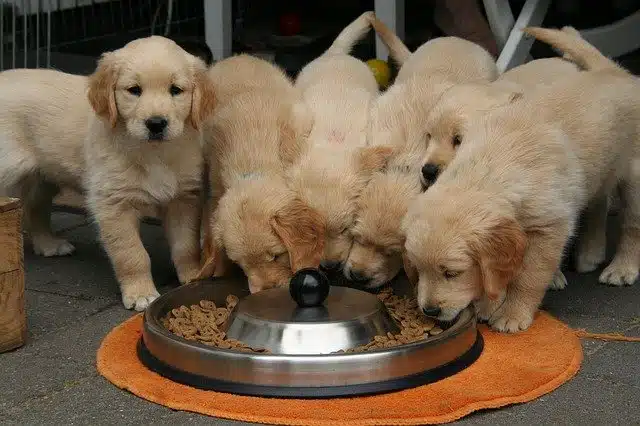
Puppy Guide and Puppy Support in Finchley
Bringing a puppy home can feel wonderful and slightly alarming at the same time.
One minute, they are asleep under the table.
Next, they are biting your sleeve, weeing by the back door and trying to eat something they found behind the sofa.
That is normal.
Puppies are not small adult dogs. They are learning everything from the start. They need sleep, routine, calm handling and safe chances to explore.
In my work with dogs around Finchley, East Finchley, North Finchley and Muswell Hill, I often see new owners trying to do too much too soon. Long walks. Busy parks. Too many visitors. Too many toys. Too much pressure to create the “perfect” puppy.
Most puppies do better when life is simpler.
This guide is here to help you focus on what matters.
It covers the early foundations:
- sleep
- toilet training
- feeding
- biting
- chewing
- socialisation
- early walks
- calm routines
- leaving your puppy alone
- When to ask for help
Affiliate note: Some product links on this page may be affiliate links. If you buy through them, I may earn a small commission at no extra cost to you. I only suggest items that fit calm, practical puppy care.
What puppies need most
Most puppies need less excitement and more routine.
They need:
- sleep
- safe space
- patient handling
- short training sessions
- gentle boundaries
- calm exposure to the world
- regular toilet breaks
- suitable things to chew
They do not need constant activity.
A puppy who is running around, biting hard, grabbing clothes and refusing to settle may not need more exercise. They may need rest.
PDSA covers the main areas that owners need to consider when caring for puppies, including diet, behaviour, health and daily care. (PDSA)
I would start with the basics before worrying about advanced training.
Setting up your home
Good puppy care starts before the puppy arrives.
Your home does not need to look like a pet shop. It needs to be safe, calm and easy to manage.
Useful items include:
- stair gates
- a safe sleep area
- washable bedding
- puppy-safe chews
- food toys
- a suitable harness
- a light training lead
- cleaning spray for accidents
- bowls that are easy to clean
- a secure place for food and bins
Think about what your puppy can reach.
Move:
- wires
- shoes
- children’s toys
- house plants
- cleaning products
- medication
- anything small enough to swallow
A smaller safe area often works better than giving a puppy the whole house on day one.
Too much freedom too early can make toilet training harder and chewing more likely.
Recommended essentials:
puppy-safe chew – Amazon affiliate link
washable puppy pads – Amazon affiliate link
simple puppy food puzzle – Amazon affiliate link
For more product ideas, check out my Recommended Products and Services
Puppy sleep and routine
Sleep is one of the most overlooked parts of puppy care.
Many puppies need a lot of sleep. If they do not get it, they can become mouthy, frantic and hard to calm.
A simple routine can help.
Try this pattern:
- toilet break
- food or short activity
- gentle play or training
- toilet break
- sleep
Repeat throughout the day.
Do not wait until your puppy crashes. Many puppies need help switching off.
A quiet space helps. So does keeping visitors and children calm around them.
If your puppy becomes wild every evening, look at the whole day.
They may have had too much going on.
Toilet training
Toilet training takes time.
Some puppies learn quickly. Others have accidents for months.
Dogs Trust says puppies may take a few months to become fully toilet-trained without the odd accident. They also advise not punishing accidents, as puppies will not understand why they are being told off.
Take your puppy out:
- after waking
- after eating
- after play
- after visitors
- before bedtime
- often during the day
Keep it calm.
Reward them after they finish.
Do not distract them while they are toileting.
If they have an accident indoors, clean it up and adjust the routine.
Punishment usually makes things worse.
Puppy biting and chewing
Puppy biting is normal.
That does not make it pleasant.
Most puppies bite because they are:
- teething
- tired
- overstimulated
- frustrated
- seeking interaction
- exploring with their mouth
I would avoid rough play if biting becomes a problem.
Keep suitable chews close by. Redirect calmly. If your puppy keeps biting, pause the interaction and give them a chance to rest.
Do not shout, tap their nose or hold their mouth shut.
That can make puppies wary of hands.
Try to spot patterns.
Does biting happen:
- before sleep?
- after visitors?
- when children run?
- after long play?
- when they need the toilet?
The pattern often tells you more than the behaviour itself.
Feeding and enrichment
Feeding is not just about the bowl.
Food can help with calm behaviour, confidence and routine.
Simple enrichment ideas include:
- scatter feeding
- lick mats
- stuffed food toys
- cardboard tubes
- snuffle mats
- short scent games
Keep it suitable for your puppy’s age, size and chewing style.
PDSA notes that teaching puppies what is suitable to chew, keeping them occupied and using reward-based training can help with unwanted behaviours. (PDSA)
Useful products:
puppy Kong – you can find out about Kongs with my complete guide
lick mat
snuffle mat
Also, read my guide on enrichment ideas
Early socialisation
Socialisation does not mean your puppy has to meet every dog and person.
It means helping them feel safe in their normal lives.
That may include calmly seeing:
- traffic
- buses
- bikes
- children
- other dogs
- people with hats
- people using walking sticks
- cafés
- vets
- grooming equipment
Short, calm sessions are better than overwhelming your puppy.
Dogs Trust has clear advice on introducing puppies to the world around them, including people, dogs, handling and new environments. (Dogs Trust)
The aim is not a puppy that rushes up to everyone.
The aim is a puppy who can notice the world and stay comfortable.
First walks
First walks should be calm and short.
You are not trying to tire your puppy out by going long distances.
You are helping them learn.
Early walks might include:
- sniffing near home
- watching traffic from a safe distance
- walking a short route
- calm practice around doorways
- gentle recall games
- learning to settle outside
Busy parks can be too much for some puppies.
In Finchley, places like Cherry Tree Wood, Coldfall Woods and Highgate Woods can be lovely, but timing matters. A quiet weekday morning can feel very different from a busy weekend.
If your puppy is unsure, stay at the edge and let them watch.
Confidence grows best when puppies feel safe.
Solo Dog Walks
Where I Walk Dogs in Finchley
Leaving your puppy alone
Alone time needs to be taught gently.
Start small.
That may mean:
- stepping behind a stair gate
- leaving the room for a few seconds
- returning calmly
- building up slowly
Do not make departures dramatic.
Do not rush from seconds to hours.
Some puppies cope well. Others struggle.
If your puppy panics, cries hard, scratches doors or cannot settle when you leave, slow down and seek advice.
Puppy visits and support
Some puppies cope well with a normal household routine.
Others need extra support, especially if owners are working, caring for children or managing school runs.
Puppy visits can help with:
- toilet breaks
- feeding
- calm company
- gentle play
- confidence building
- early routine
- short garden or doorstep practice
My puppy visits in Finchley are not rushed tick-box visits. They are calm, one-to-one sessions tailored to the puppy’s age, confidence, and routine
What I would focus on first
If you feel overwhelmed, start here:
- toilet routine
- sleep
- safe chewing
- calm handling
- gentle social exposure
- short positive training
- slow alone-time practice
You do not need to teach everything in the first week.
A calm puppy with a steady routine is a better starting point than an overtired puppy who knows ten tricks.
What I would avoid
I would avoid:
- long walks too soon
- busy dog parks too early
- letting every dog greet your puppy
- punishment-based training
- shouting after accidents
- constant visitors
- too much freedom indoors
- ignoring sleep
- Comparing your puppy with dogs online
Puppies develop at different speeds.
Your job is not to race.
Your job is to build trust.
Quick checklist
A simple puppy care checklist:
- safe sleep area
- regular toilet trips
- suitable chews
- food used for calm enrichment
- short walks
- gentle handling practice
- calm social exposure
- gradual alone-time practice
- vet check-ups
- clear routine
- patience
Related guides
- Bringing a Puppy Home **
- First Puppy Walk Guide
- Create Training
- Puppy Visits in Finchley
- Separation Anxiety In Dogs
- Complete Guide to Kong Toys for Dogs
- Dog enrichment ideas
- Dog & Cat Care Guides
FAQs
What is the most important part of puppy care?
Routine. Puppies need sleep, toilet breaks, calm handling, appropriate chewing, and gentle exposure to everyday life.
How often should I take my puppy out to toilet?
Take them out after sleeping, eating, playing and excitement. Young puppies may also need regular trips throughout the day.
Is puppy biting normal?
Yes. Most puppies bite during teething, play and tired periods. Calm redirection and more rest often help.
How long should puppy walks be?
Keep early walks short and calm. Focus on sniffing, confidence and gentle learning rather than distance.
Should my puppy meet lots of dogs?
Not always. Calm, positive exposure is better than too many greetings. Some puppies become overwhelmed by constant contact with other dogs.
When should I get help with my puppy?
Get help if your puppy seems very fearful, cannot settle, panics when left alone, bites hard often, or you feel unsure about the routine.
Final thoughts
Puppy care is not about getting everything perfect.
It is about building safe, steady foundations.
A calm routine now can make walks, handling, alone time and everyday life easier later.