
House Sitting for Rescue Dogs in Finchley
Finding the right care for a rescue dog is not always straightforward.
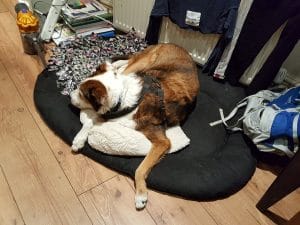
Many rescue dogs struggle with change. New places, unfamiliar people, and disrupted routines can undo weeks or even months of careful settling. That is why house sitting for rescue dogs is often the calmest and least stressful option when you need to be away.
With house sitting, your dog stays in their own home. Their smells stay the same. Their routine stays familiar. And they are cared for by one consistent, experienced person who understands rescue dogs and works at their pace.
This page explains how house sitting works, who it is right for, and why it can make such a difference for rescue dogs.
Why House Sitting Works So Well for Rescue Dogs
Rescue dogs often come with a history. Even when they are coping well day to day, sudden changes can be difficult.
Boarding environments can be challenging for rescue dogs because they often involve:
- New surroundings
- Multiple dogs
- Different routines
- Unfamiliar carers
- Increased noise and stimulation
For some dogs, that is simply too much.
House sitting for rescue dogs removes many of those stressors.
Your dog:
- Sleeps in their own bed
- Eats at their usual times
- Walks familiar routes
- Keeps their normal household routine
This consistency helps rescue dogs feel safe and settled, even while you are away.
If you would like to understand the differences in more detail, see
House Sitter vs Dog Boarder
What My House Sitting Service Includes
My house sitting service is designed around calm, one-to-one care. I do not rotate carers or combine households.
When I house sit, I stay overnight in your home and support your dog through their usual evening, night and morning routine.
This includes:
- Feeding according to your normal schedule
- Walks at your dog’s pace and preferred times
- Medication, if required
- Calm companionship in the evenings
- A settled overnight presence
- Morning routine before I leave
I also keep an eye on your home in simple, practical ways:
- Bringing in post
- Putting bins out or bringing them back
- Switching lights on and off
- Keeping things looking lived-in
Everything is done quietly and respectfully, with your dog’s welfare as the priority.
Who House Sitting Is Most Suitable For
House sitting is not for every dog, but it is particularly well-suited to many rescue dogs.
This service works especially well if your dog:
- Finds kennels overwhelming
- Is anxious around unfamiliar dogs
- Needs a predictable routine
- Has recently been adopted
- Is following a training or behaviour plan
- Takes medication or needs monitoring
- Struggles with separation stress
It is also a good option for households with more than one pet, where keeping everyone together reduces disruption.
For dogs who need additional support beyond walks, see
Rescue Dog Support and Training
House Sitting for Anxious and Sensitive Rescue Dogs
Many rescue dogs appear confident on the surface, but still rely heavily on routine and familiar surroundings to feel secure.
Small changes can have a big impact.
House sitting for anxious rescue dogs allows:
- Gradual, predictable transitions
- Familiar sounds and smells
- Reduced stimulation
- Calm handling and clear boundaries
So I believe in taking everything at our dog’s pace, no pushing or rushing and keeping it all low key and following your dog’s cues I
This approach helps avoid setbacks and supports emotional stability while you are away.
House Sitting vs Boarding for Rescue Dogs
When deciding between boarding and house sitting, the key question is not convenience. It is how your dog copes with change.
Boarding involves:
- Transport to a new environment
- Shared spaces
- Different routines
- Multiple carers
House sitting involves:
- Staying at home
- One consistent carer
- Familiar routines
- Familiar walking routes
For many rescue dogs, house sitting is a calmer, safer option.
How the Booking Process Works
I keep the process simple and personal.
Step 1. Meet and Greet
We meet in your home so your dog can get to know me in their own space. This is relaxed and pressure-free.
Step 2. Routine Planning
You talk me through your dog’s routine, feeding, walks, medication, and anything they find difficult.
Step 3. Booking Confirmation
We confirm dates, emergency contacts, vet details and access arrangements.
Step 4. House Sitting
I arrive as agreed, follow your routine closely, and keep everything calm and consistent until you return.
Optional updates are available if that helps you relax while you are away.
Supporting Rescue Dogs During the First Year
Many rescue dogs are still settling long after the first few weeks. Holidays, work trips and family events can interrupt that process.
House sitting allows your dog to continue settling without additional upheaval.
If you are early in the adoption process, you may find this helpful:
internal link:
A Local House Sitter You Can Trust
I am based in Finchley and work across North London, which means I am familiar with all the best local walking routes and quieter areas to help rescue dogs feel safe.
You can relax knowing that I am:
- Fully insured
- DBS checked
- Experienced with nervous and rescue dogs
- Focused on one-to-one care only
Dogs are never rushed, and only positive methods are used
My work is calm, steady and routine-led.
If you are also looking for structured support alongside care, see
One-to-One Dog Walking
Frequently Asked Questions
Do you stay in the house all day?
House sitting includes overnight care and structured support around evenings and mornings. Daytime arrangements are discussed individually, depending on your dog’s needs.
Can you care for multiple pets?
Yes. I regularly care for households with dogs, cats and small animals, all within their normal routines.
How far in advance should I book?
As early as possible. House-sitting places are limited and book up quickly during school holidays and summer.
What if my rescue dog has specific needs?
We discuss everything at the meet-and-greet. If something is outside my scope, I will be honest and help you find appropriate support.
Is House Sitting Right for Your Rescue Dog?
If your dog struggles with change, values routine, or simply feels safest at home, house sitting for rescue dogs may be the best option.
If you would like to talk it through, you are welcome to get in touch for a relaxed, no-pressure chat.
Contact Derek “Del” chambers of Finchley Dog Walker
WhatsApp or phone: 07707 763344
Email: info@finchleydogwalker.co.uk
Your dog stays calm.
Their routine stays intact.
You can travel knowing they are safe.