Small Animal Care in Finchley
Calm, practical help for rabbits, guinea pigs and other small pets
Small pets are often treated like the easy ones.
But in reality, they are usually the pets who need the most careful routine.
Rabbits, guinea pigs and other small animals often do best when life stays simple, familiar and predictable. They do not usually cope well with sudden change, rushed care or being left without proper checks.
This page brings together my small-animal care advice, holiday support, and practical guides in one place, so you can work out what may suit your pet best.
Who this page is for
This page is for you if you have:
- rabbits
- guinea pigs
- hamsters
- gerbils
- degus
- tortoises
- caged birds
- other small pets who need daily care at home
It is also for you if your pet:
- relies on routine
- does not travel well
- needs medication or close checks
- is older or more delicate
- would be better staying in familiar surroundings
Why home care often suits small pets best
For many small pets, home visits are the calmest option.
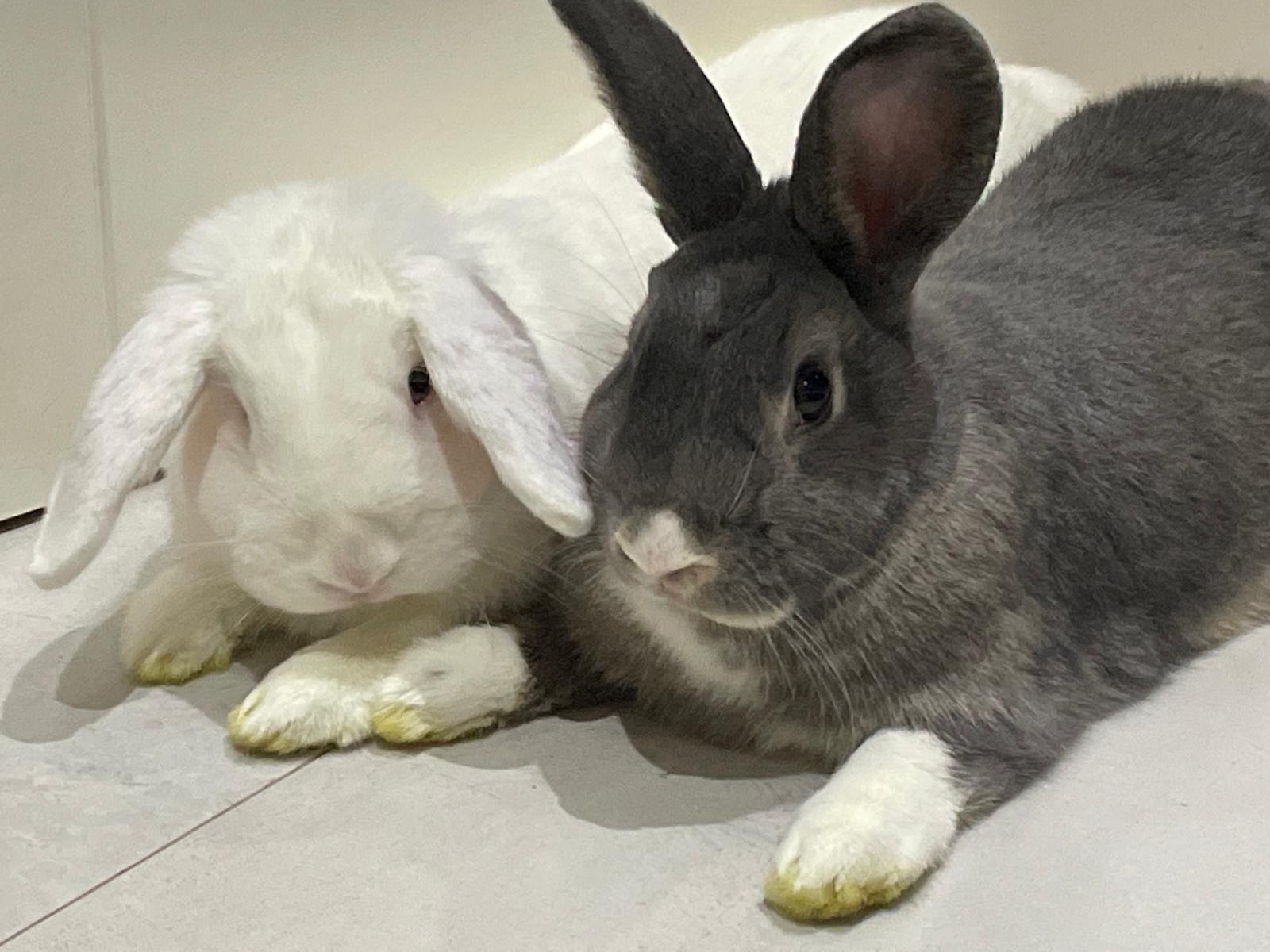
That is especially true for rabbits.
Rabbits do not usually travel well, and changes in environment can lead to stress, reduced appetite and digestive problems. Your existing rabbit care page already makes this point clearly and explains why in-home care avoids unnecessary disruption.
Keeping small pets at home usually means:
- less stress
- steadier eating and drinking
- easier routine
- fewer changes all at once
- better monitoring day to day
That is often a much better fit than moving them elsewhere.
Rabbit holiday care
Rabbits are usually the small pets that owners worry about most when going away.
That makes sense.
They are sensitive, they hide illness well, and small changes in appetite or behaviour can matter quickly. Your current rabbit guide explains that rabbits should be checked daily and that reduced eating can become serious fast.
If you want the full rabbit-specific page, start here:
→ Rabbit Holiday Care and Other Small Animals
Typical rabbit care may include:
- topping up hay and pellets
- fresh water
- vegetables as instructed
- litter tray cleaning
- letting rabbits out in a secure area if agreed
- behaviour and health checks
- light cleaning around the setup
Guinea pig care
Guinea pigs also rely heavily on routine.
They need:
- regular feeding
- clean water
- fresh hay
- enclosure checks
- close observation if anything seems off
Like rabbits, they often do best when they can stay in their own environment and keep their normal pattern.
If you are away, home visits are often the simplest and least disruptive option.
Planning a holiday? My Guinea Pig Holiday Care Guide explains daily visits, food, water, enclosure cleaning, weather precautions and the warning signs your sitter should watch for.
Link t
Other small pets
I also support care for other small animals where appropriate.
That can include:
- hamsters
- gerbils
- degus
- tortoises
- caged birds
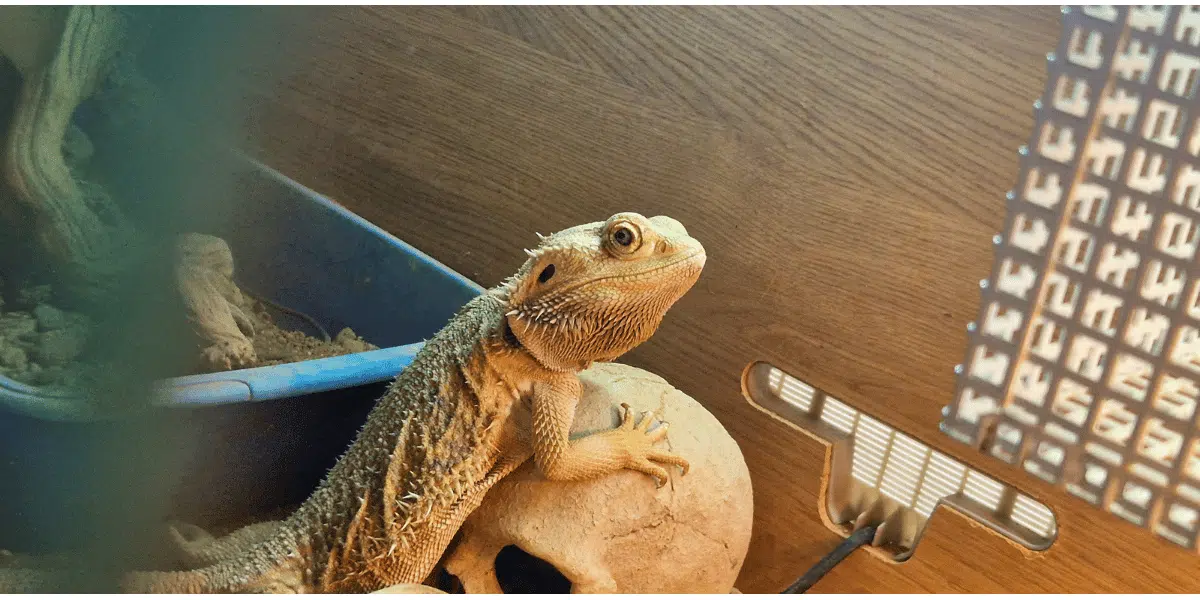
- Bearded Dragons
Each species has different needs, so I work from your instructions and routine.
Some need quiet and minimal handling.
Others need more active checking, cleaning or setup support.
The main goal is always the same:
keep things calm, familiar and sensible.
How often should small pets be checked?
For most small pets, at least one visit a day is the starting point.
Two visits may be better if:
- your pet needs medication
- they are older
- they are recovering from illness
- you are away for longer
- you want extra reassurance while you are away
Your current rabbit content already emphasises that rabbits should not go a whole day without being properly checked.
What to leave ready
Before you go away, it helps to leave:
- enough food for the full trip
- hay, bedding and litter
- clean bowls or bottles
- written feeding instructions
- routine notes
- vet details
- emergency contacts
- cleaning supplies if needed
That makes visits easier and helps keep care consistent.
Why experience matters with small pets
This is where rabbit and small-animal care differ from asking someone to “just pop in”.
Small animals often change subtly when something is wrong.
That might mean:
- reduced eating
- fewer droppings
- sitting differently
- lower energy
- changes in posture or behaviour
Your live rabbit guide already makes the point that proper care is not just about putting food down. It is about noticing what is normal and spotting when something seems off.
That is one of the biggest reasons owners choose experienced care.
Small pets and holiday planning
A lot of small animal care is really about planning ahead.
That means thinking about:
- visit frequency
- feeding routine
- medication
- enclosure setup
- weather conditions
- backup contacts
- what your pet is normally like day to day
The more predictable things are, the easier it is to keep your pet settled while you are away.
Small pets and seasonal care
Small animals are often affected by the weather more than people expect.
That can include:
- heat in summer
- damp or draughts in winter
- enclosure hygiene in wetter weather
- appetite changes when stressed
- general sensitivity to environmental changes
If you have rabbits, this page may help too:
→ Summer Cooling Tips for Rabbits
And for wider weather and routine changes:
→ Seasonal Pet Safety in Finchley
Small pets and mixed-pet households
Some homes have more than one type of pet.
That may mean:
- rabbits and cats
- guinea pigs and dogs
- several routines at once
That is one reason your wider stay-at-home care structure works so well.
If you have a mixed household, these pages may help too:
What I would focus on first
If you are trying to make life easier for your small pet, I would usually focus on:
- routine
- daily checks
- familiar surroundings
- clear written instructions
- planning ahead before you travel
- noticing small changes quickly
That usually matters more than anything fancy.
What I would avoid
I would usually avoid:
- leaving plans until the last minute
- moving small pets unnecessarily
- assuming all small animals need the same care
- asking someone with no experience to guess what is normal
- changing routine just before going away
For most small pets, less disruption is usually better.
Related small animal guides
If you want to explore this side of the site properly, start with these:
- → Rabbit Holiday Care and Other Small Animals
- → Rabbit Holiday Care FAQs
- → Summer Cooling Tips for Rabbits
- → Holiday Care for Dogs and Cats
- → Dog & Cat Care Guides
Quick checklist
If you want to keep things simple, start here:
- keep care at home if possible
- leave enough food, hay and bedding
- leave clear notes
- make sure your pet is checked daily
- keep things as close to normal as possible
- plan early before your trip
If you are not sure what your pet needs
A lot of owners are unsure how often small pets should be checked or what kind of setup will suit them best.
That is completely normal.
If you want a calmer, simpler approach to rabbit or small animal care in Finchley, feel free to get in touch.
I am happy to talk things through and help you work out what would suit your pet best.
[BUTTON: Contact / WhatsApp]
Frequently asked questions
Yes, in many cases they do. Staying in familiar surroundings is often less stressful than travelling elsewhere.
At least once a day is the starting point; sometimes twice is better, depending on the rabbit and the situation.
Yes. Your current site already states support for guinea pigs, hamsters, degus, gerbils, tortoises, caged birds, and rabbits.
Food, hay, bedding, cleaning supplies, routine notes, vet details and emergency contacts are the basics.
For many small pets, yes. Home care usually means less disruption and a steadier routine.
That is one of the main reasons experienced care matters. Small changes in appetite or behaviour can matter quickly, especially with rabbits.
Final thoughts
Small animal care does not need to be complicated.
For many rabbits, guinea pigs and other small pets, the best setup is the one that keeps life feeling as normal as possible.
That usually means familiar surroundings, proper daily checks and calm, steady care.