Estimated reading time: 6 minutes
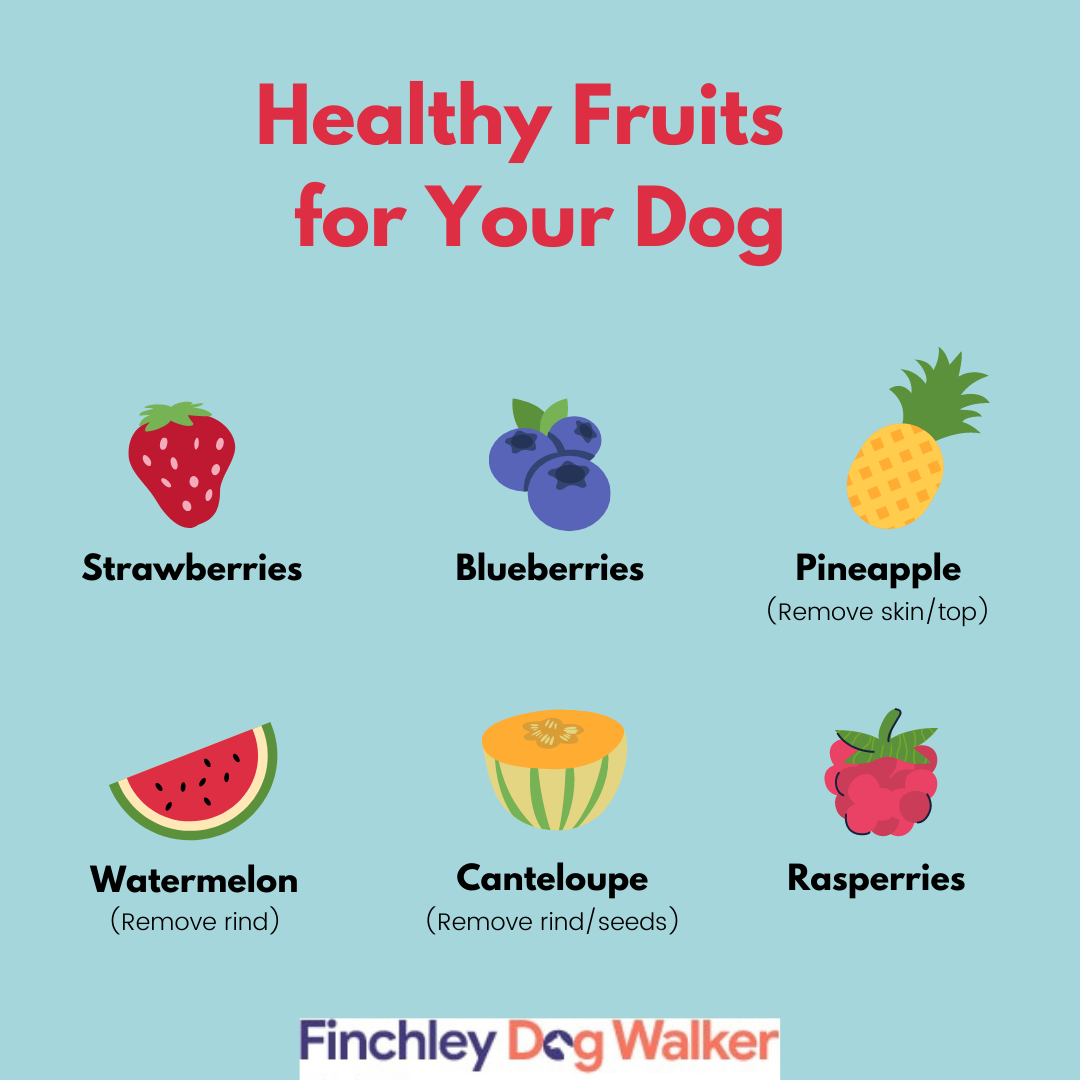
Many of us reach for a piece of fruit as a quick, healthy snack. It’s natural to want to share that with your dog, especially when they’re looking up at you with interest. But not all fruits are safe, and some can do more harm than good.
There are plenty of safe fruits for dogs to eat, but only if they’re given in small amounts, prepared correctly, and treated as the occasional treat, not part of their main diet.
In this guide, I’ll cover:
- Which fruits can dogs eat safely
- What fruits to avoid
- The right way to prepare fruit
- How much fruit is too much
- Easy treat ideas to try at home
- What to do if your dog eats something they shouldn’t
This advice is based on UK veterinary guidance, with links to trusted sources like the PDSA and Dogs Trust. It’s written with day-to-day pet care in mind, not just theory. If you’re after simple, clear advice that puts your dog’s welfare first, you’re in the right place.
Can dogs eat fruit?
Yes, some fruits are safe for dogs, but not all.
Your dog’s digestive system is different from yours. They can handle a little natural sugar, but too much fruit can lead to stomach upsets, weight gain, or worse if the wrong fruit is involved.
Fruits should never replace a balanced dog food diet. Think of them as a treat. Safe fruits for dogs to eat can be a good source of hydration and fibre. They can also be useful if your dog needs soft, lower-fat options.
Always introduce new foods slowly. If in doubt, leave it out.
Safe fruits for dogs to eat
Here are some of the best fruit options for dogs, all of which can be given in moderation:
- Apples (no seeds or core)
- Bananas
- Blueberries
- Strawberries
- Watermelon (no rind or seeds)
- Melon (cantaloupe or honeydew)
- Pears (no core or seeds)
- Mango (no skin or stone)
- Pineapple (remove the skin and hard core)
- Cranberries (small amounts only)
These fruits are fine for most dogs if they’re fresh, plain, and cut into small pieces. Don’t mix them with other ingredients unless you’re sure every part is safe.
Dog safe fruit list with preparation tips
Apples
High in fibre and Vitamin C. Slice thinly and remove the core and all seeds.
Bananas
Good for potassium and soft enough for older dogs. Give in small amounts — they’re high in sugar.
Blueberries and strawberries
Soft, antioxidant-rich, and good for tiny treats or training rewards. Always serve plain.
Melon and watermelon
Great for hot weather. Remove rind and seeds. Offer in small, bite-sized chunks.
Mango
Peel and remove the stone. Full of vitamins but best in moderation.
Pears
Remove seeds and core. Slice thinly. Soft and easy to digest.
Pineapple
Fresh, never tinned. Cut away skin and core before serving.
Cranberries
Safe in small amounts. Don’t use dried cranberries, which are often sweetened.
Always wash fruit first and avoid anything canned, preserved or sweetened.
Fruit toxicity in dogs: What not to give
Some fruits are toxic to dogs, even in small amounts. Avoid these completely:
- Grapes, raisins, sultanas, currants
Can cause kidney failure. Extremely dangerous even in tiny amounts. - Cherries
The stones contain cyanide. Even the flesh can be risky. - Avocado
Contains persin, which can upset your dog’s stomach. - Citrus (lemons, limes, grapefruit)
Too acidic and can cause vomiting or diarrhoea. - Unripe tomatoes and tomato leaves
Contain solanine, which is harmful to dogs. - Dried fruit and fruit with xylitol
Xylitol is toxic. Some dried fruits contain it or are mixed with raisins.
If you’re not sure, don’t take the risk. Dogs Trust and the RSPCA both have helpful guides to toxic foods.
How much fruit can dogs eat?
Keep fruit to about 10% of your dog’s daily intake. Think of it as a treat, not a regular snack.
For most dogs, that means:
- A few pieces of fruit a few times a week
- One small piece during training or as part of enrichment
- Much less for puppies or dogs with sensitive digestion
Too much fruit can cause diarrhoea, wind or extra weight gain. If you notice any changes in behaviour or poo after giving fruit, stop and review the amount or type of fruit.
Fruit treat ideas for dogs in summer and beyond
Here are a few simple ways to use fruit in your dog’s routine:
Frozen fruit cubes
Blend dog-safe fruit with water and freeze in ice cube trays. Perfect on warm days.
Lick mat toppings
Mash banana or pear and spread thinly over a lick mat. Great for calming, especially in crates.
Training rewards
Use very small slices of apple or blueberry during one-to-one sessions.
Fruit over food
Top your dog’s usual meal with a few berries or pear slices for variety.
Fruit in puzzle toys
Add fruit pieces to a Kong with plain yoghurt or soft kibble.
Avoid using shop-bought fruit snacks or anything with added sugar. Dogs don’t need it, and it can cause long-term problems.
What to do if your dog eats something unsafe
If your dog eats something you suspect is toxic:
- Stay calm
- Remove any remaining fruit
- Try to work out how much was eaten and when
- Call your vet or the Veterinary Poisons Information Service: 01202 509000
- Don’t try to make your dog sick; only do this if a vet advises
Symptoms can take hours to show. It’s always better to act early than wait and see. Keep your vet’s number somewhere visible or saved in your phone.
FAQs about safe fruit for dogs
Can dogs eat oranges?
Small amounts of peeled orange are usually safe, but many dogs don’t like the strong smell or acidity.
Can dogs have dried fruit?
It’s best avoided. Dried fruit is concentrated in sugar and can contain preservatives. Raisins, sultanas and currants are toxic.
Is it safe to give fruit every day?
Yes, if your dog tolerates it and you keep portions very small. A slice of apple or a couple of berries is fine as an occasional treat.
Can puppies eat fruit?
In moderation. Start with soft fruit like a banana or a pear. Introduce one new fruit at a time.
Why do dogs prefer grass to fruit?
Dogs sometimes eat grass to settle their stomach or out of habit. It’s not harmful unless sprayed with chemicals.
Final thoughts and how I can help
Safe fruits for dogs to eat can be part of a healthy, balanced approach to treats. Choose fruit that’s dog-safe, prepare it properly, and don’t go overboard.
If you’d like help with solo walks, daily routines, or pet care while you’re away, I offer:
- Solo dog walks for dogs who need space or consistency
- One-to-one support if you’re working on behaviour or routine
- House sitting and overnight care
- Cat and small animal visits for when you’re away
You can find all my services here: /services/
Looking after your dog’s diet and day-to-day wellbeing doesn’t have to be stressful. I’m here if you’d like support.
Resources
- https://www.rspca.org.uk/adviceandwelfare/pets/dogs/diet
- https://www.dogstrust.org.uk/dog-advice/health-wellbeing/at-home/toxic-foods
- https://www.pdsa.org.uk/pet-help-and-advice/looking-after-your-pet/puppies-dogs/your-dogs-diet
- https://www.thekennelclub.org.uk/health-and-dog-care/health/dog-care/feeding-your-dog/
- https://www.battersea.org.uk/pet-advice/dog-care-advice/toxic-food-dogs
- https://yappily.com/advice/dog-food-and-nutrition
other related posts
Disclaimer: This article is general advice only. It does not replace professional veterinary care.