
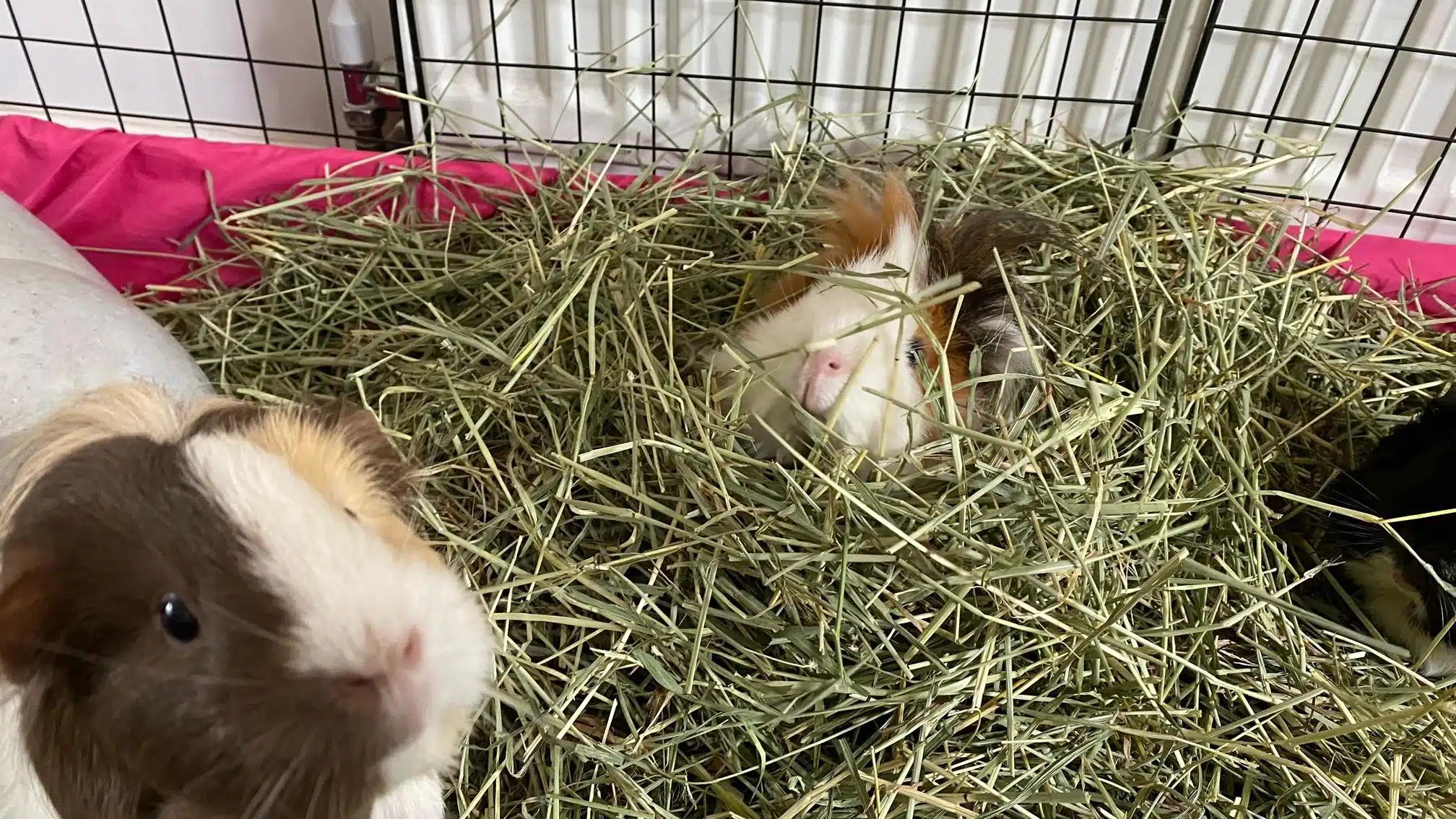
Guinea Pig Holiday Care: Keeping Your Guinea Pigs Safe While You Are Away
Planning a holiday when you have guinea pigs takes a little more thought than simply leaving a large bowl of food behind.
Guinea pigs rely on a steady routine, familiar surroundings, suitable companionship and close daily observation. They can also hide signs of illness, so whoever cares for them needs to do more than refill a food bowl and leave.
The good news is that, with clear instructions and reliable home visits, most guinea pigs can remain comfortably in their usual environment while you are away.
This guide explains:
- why home-based holiday care often works well
- how frequently guinea pigs should be visited
- what should happen during each visit
- what food and supplies you should leave
- which warning signs your sitter should watch for
- how to prepare for warm, cold or changeable weather
- what information to leave in an emergency
Is It Better for Guinea Pigs to Stay at Home?
For many guinea pigs, staying in their familiar home is the least disruptive holiday-care option.
Moving them to a boarding establishment or another person’s home can introduce:
- unfamiliar smells
- different noises
- transport stress
- changes in temperature
- a different enclosure
- new feeding arrangements
- nearby dogs, cats or other animals
The RSPCA recommends trying to find someone who can meet guinea pigs’ welfare needs in their familiar home while you are away. When boarding is necessary, bonded guinea pigs should remain together and familiar belongings should travel with them.
Home visits allow your guinea pigs to keep:
- their normal enclosure
- their familiar hiding places
- their usual hay and food
- their bonded companion
- their normal household sounds
- a feeding and cleaning routine they already understand
Home care is not automatically suitable for every situation. Guinea pigs with complex medication, recent illness or particularly intensive needs may require more frequent visits or specialist boarding arranged with veterinary guidance.
How Often Should Someone Visit Guinea Pigs?
I would normally recommend at least one thorough visit every day.
Two visits a day may be a better arrangement when:
- the weather is particularly hot or cold
- water bottles have previously leaked or blocked
- medication is required
- one guinea pig is elderly or recovering from illness
- fresh food needs to be divided between visits
- closer monitoring has been advised by a vet
- you will be away for an extended period
Guinea pigs should not be left for several days with large amounts of food and water.
Water supplies can spill, leak or become blocked. Fresh food can spoil. One guinea pig may stop eating while its companion continues to eat normally. An enclosure can also become wet, dirty or too warm much faster than expected.
PDSA advises monitoring guinea pigs daily because they are prey animals and may hide signs of illness. Even small changes in their usual behaviour can be important.
What Should Happen During a Guinea Pig Visit?
A good holiday-care visit should include observation as well as practical care.
Before immediately opening the enclosure, I would take a moment to look at the guinea pigs and their surroundings.
Are both guinea pigs visible?
Are they moving normally?
Do they come forward at feeding time as expected?
Has the hay been eaten?
Are there normal droppings around the enclosure?
These small observations can reveal far more than simply checking whether food remains in a bowl.
Depending on your normal routine, a visit may include:
- providing fresh hay
- replacing or topping up drinking water
- checking that a water bottle is flowing
- feeding measured pellets
- preparing familiar vegetables
- removing old fresh food
- spot-cleaning wet or heavily soiled bedding
- cleaning food bowls
- checking droppings and urine
- checking the enclosure temperature
- making sure hides and tunnels are safe
- checking doors, catches and predator protection
- observing each guinea pig’s movement and behaviour
- sending you a photograph and short update
The exact routine should follow what your guinea pigs are already used to.
A holiday is not the time to introduce a completely different feeding method, rearrange the enclosure or experiment with new products.
Hay, Food and Vitamin C
Guinea pigs need constant access to suitable hay or grass.
Hay is important for their digestive system and helps wear down teeth that continue growing throughout their lives. Guinea pigs also need vitamin C from their diet because they cannot produce it themselves. PDSA recommends unlimited hay and grass, a controlled amount of guinea-pig pellets and suitable fresh greens as the basis of their diet.
Before going away, leave:
- more hay than you expect will be needed
- the normal brand of guinea-pig pellets
- a clearly labelled measuring scoop
- written pellet quantities for each guinea pig
- a list of the vegetables they normally eat
- instructions explaining where fresh food is stored
- details of any supplements advised by your vet
- spare food in case your return is delayed
Avoid changing pellet brands or introducing unfamiliar vegetables immediately before your trip.
Pre-portioned pellets can make the routine easier, but fresh vegetables should be stored safely and checked for freshness before being offered.
Do not assume that a pet sitter will know your guinea pigs’ usual portions. Write everything down, including which foods should not be given.
Checking Water Properly
Fresh drinking water should always be available.
If your guinea pigs use bottles, the sitter should check that:
- water is coming through the nozzle
- the bottle has not leaked
- the nozzle is not blocked
- the bottle is securely attached
- the water is fresh and clean
A bottle can look full while failing to release water.
Some guinea pigs drink from bowls, while others are accustomed to bottles. Continue using the arrangement they already understand unless a change has been planned and tested well before your holiday.
Leaving a clean spare bottle or bowl nearby can also be useful.
The RSPCA advises checking bottles every day for leaks or blockages and replacing drinking water at least daily.
Cleaning the Enclosure While You Are Away
Guinea pigs need a clean, dry living area, but this does not always mean completely stripping the enclosure during every visit.
Daily care will usually include removing:
- wet bedding
- heavily soiled areas
- uneaten vegetables
- dirty hay
- any unsafe or damaged cardboard items
For longer holidays, a more thorough clean may also need to be agreed.
Leave the correct bedding, bin bags, cleaning tools and pet-safe cleaning products together in one obvious place. Include instructions about how much bedding to use and where waste should be put.
Blue Cross advises daily spot cleaning and a more complete enclosure clean approximately weekly, although the exact frequency will depend on the enclosure and number of guinea pigs.
Avoid asking a sitter to replace familiar bedding with an untested alternative while you are away.
Keeping Bonded Guinea Pigs Together
Guinea pigs are sociable animals and commonly live with a compatible guinea-pig companion.
Bonded guinea pigs should normally remain together during holiday care. They should not be separated simply because you are travelling, unless a vet has advised separation for a medical reason.
Your sitter should also know what normal interaction looks like for your guinea pigs.
For example:
- Which guinea pig normally reaches the food first?
- Do they sleep together or in separate hides?
- Is one naturally quieter?
- Do they occasionally chase one another?
- Has either guinea pig recently become more withdrawn?
Leave enough resources to reduce competition. This may include multiple hiding places, more than one feeding point and sufficient space for each guinea pig to move away when they choose.
The enclosure should contain enough safe hiding places for all guinea pigs to shelter at the same time.
Should the Pet Sitter Handle Them?
Not every guinea pig enjoys being picked up.
Many are happier being approached calmly at ground level and offered food or gentle interaction without unnecessary handling. Because guinea pigs are prey animals, being lifted can feel frightening.
Tell your sitter:
- whether your guinea pigs normally tolerate handling
- how you usually lift them
- whether either guinea pig is likely to jump
- whether handling is needed for medication or health checks
- whether one has a previous injury or mobility problem
If handling is necessary, the guinea pig’s chest and hindquarters should be supported, and they should be held securely close to the body. PDSA advises keeping handling low to the ground and never turning a guinea pig onto their back.
Holiday visits should not involve forced cuddling or repeated handling simply for photographs.
Calm observation is often more useful.
Guinea Pig Care During Hot Weather
Guinea pigs are vulnerable to excessive heat.
An enclosure that feels comfortable early in the morning may become dangerously warm later, particularly if it is near a sunny window, conservatory, shed or poorly ventilated room.
Before travelling during warm weather, consider:
- where direct sunlight falls throughout the day
- whether curtains or blinds should be closed
- whether safe airflow can be maintained
- whether the enclosure needs moving before the holiday
- how cooling items will be rotated
- whether a second daily visit is needed
- what should happen during an unexpected heatwave
Do not rely on one cooling mat or frozen bottle as the complete plan.
The sitter still needs to check:
- room or enclosure temperature
- water availability
- breathing
- activity
- appetite
- whether the guinea pigs are stretched out or unusually still
Blue Cross notes that guinea pigs are vulnerable to extremes of both hot and cold weather.
Difficulty breathing, severe weakness or suspected heatstroke requires urgent veterinary help.
Cold Weather and Outdoor Guinea Pigs
Outdoor guinea pigs also need a clear winter plan.
Their accommodation must remain:
- dry
- draught-free
- secure
- sheltered from wind and rain
- protected from predators
- supplied with suitable bedding
- checked for frozen water
The RSPCA gives 17°C to 20°C as an ideal room temperature for indoor guinea pigs and advises bringing outdoor guinea pigs inside when temperatures fall below 15°C where possible. Any seasonal move should be planned properly rather than made suddenly on the morning you leave.
Tell the sitter how your winter setup works, including any covers, heating arrangements or insulated areas.
Electrical equipment must be safe, positioned correctly and checked regularly. A backup plan is also needed in case heating fails.
Warning Signs a Guinea Pig May Be Unwell
Guinea pigs may try to hide illness, so small changes should be taken seriously.
Warning signs can include:
- eating less or refusing food
- fewer or unusually small droppings
- diarrhoea
- unusual tiredness
- sitting hunched or remaining in one position
- teeth grinding or signs of pain
- rapid, noisy or difficult breathing
- discharge from the eyes or nose
- limping or reluctance to move
- a swollen or bloated appearance
- blood in the enclosure
- sudden changes in drinking or urination
- hair loss, wounds or excessive scratching
- rapid weight loss
- behaving very differently from normal
PDSA advises contacting a vet when these kinds of symptoms are noticed. Difficulty breathing is an emergency.
Your sitter should not wait until the next day to mention a significant change.
Leave written permission explaining:
- which veterinary practice should be contacted
- which emergency practice should be used
- who can authorise treatment
- how veterinary costs will be handled
- who should be contacted if you cannot be reached
What to Leave for Your Guinea Pig Sitter
Keep all holiday-care supplies together where possible.
Leave:
- sufficient hay
- pellets in their original packaging
- a measuring scoop
- suitable vegetables
- spare water bottles or bowls
- bedding and cleaning materials
- bin bags
- pet-safe cleaning products
- grooming equipment if needed
- prescribed medication
- written medication instructions
- the pet carrier
- veterinary details
- emergency contact details
- a copy of your travel information
- your expected return date
- spare keys where agreed
Do not leave important equipment hidden in a garage, loft or locked cupboard.
The sitter should be able to find the carrier, medication and emergency information immediately.
Create a Written Guinea Pig Care Sheet
A clear written routine removes guesswork.
Your care sheet should include:
Guinea pig details
- names
- ages
- photographs if they look similar
- sex
- relevant health conditions
- previous illnesses
- medication
- normal weight if known
Feeding routine
- pellet quantity
- feeding times
- usual vegetables
- foods to avoid
- hay location
- water arrangement
- any supplements recommended by your vet
Normal behaviour
- which guinea pig is more confident
- how they normally greet you
- usual sleeping places
- normal eating habits
- how much handling they tolerate
- any normal squeaks, chasing or other behaviour
Cleaning instructions
- what should be spot-cleaned daily
- when a full clean is due
- which bedding to use
- where waste should go
- how bowls and bottles are cleaned
Emergency information
- normal vet
- emergency vet
- backup contact
- treatment authority
- carrier location
- how to contact you
The more clearly you describe what is normal, the easier it is for the sitter to recognise something unusual.
Choosing Someone to Care for Your Guinea Pigs
Before booking a sitter, ask:
- Have they cared for guinea pigs before?
- Will they visit every day?
- Will they check each guinea pig individually?
- Do they understand the importance of appetite and droppings?
- Will they check water bottles properly?
- Can they follow a written feeding routine?
- Will they clean the enclosure as agreed?
- What would they do if a guinea pig stopped eating?
- Will they contact you promptly about concerns?
- Are they comfortable contacting your vet?
- Will they send updates?
- What happens if they become ill or cannot attend?
Someone who “likes animals” may still have very little understanding of guinea-pig care.
The sitter does not need to pretend to be a vet. They do need to notice changes, follow instructions and act promptly when something appears wrong.
Guinea Pig Holiday Care in Finchley
I provide calm home visits for guinea pigs, rabbits and other small pets in Finchley, Muswell Hill and some nearby areas.
Care is agreed around your pets’ existing routine and may include:
- fresh hay, food and water
- water-bottle checks
- basic enclosure care
- spot cleaning
- behaviour and welfare observations
- medication where agreed
- photographs and updates
- agreed basic home checks
I will ask for clear written instructions and arrange a suitable meeting before care begins.
If your guinea pig has complex medical or specialist husbandry needs outside my experience, I will be honest about whether I am the right person for the booking.
You can learn more through my Small Animal Care in Finchley service page, check the areas I cover or contact me to discuss your guinea pigs’ routine.
Quick Guinea Pig Holiday Checklist
Before leaving, check that:
- a reliable sitter has been confirmed
- every day of the holiday is covered
- bonded guinea pigs will remain together
- plenty of hay, food and bedding are available
- the normal feeding routine is written down
- water bottles and bowls are working
- a spare water container is available
- cleaning equipment has been left out
- weather arrangements have been discussed
- medication instructions are clear
- the carrier is easy to find
- vet and emergency details are visible
- someone can authorise treatment
- your sitter knows what normal behaviour looks like
- you have a backup plan if your return is delayed
Frequently Asked Questions
Guinea pigs should not be left without daily care. Food or water supplies can fail, fresh food can spoil and a guinea pig can become unwell while still appearing to have plenty of food available.
One thorough daily visit may be suitable for healthy guinea pigs with a straightforward routine. Two visits may be better during extreme weather, for elderly guinea pigs, when medication is required or when closer monitoring is appropriate.
For many guinea pigs, remaining in their familiar home is the calmest arrangement. It avoids transport and allows them to keep their normal enclosure, companion and routine.
Bonded guinea pigs should normally remain together unless separation has been recommended by a vet for a medical reason.
Leave plenty of hay, their usual pellets and vegetables, clean water equipment, bedding, cleaning supplies, written instructions, veterinary details, emergency contacts and an accessible pet carrier
Guinea pigs may notice changes in the people, sounds and routines around them. Keeping their feeding, environment and companionship familiar can help reduce unnecessary disruption.
Reduced or absent appetite can be a sign of a serious problem. The sitter should contact you and obtain veterinary advice promptly rather than waiting to see whether the guinea pig improves by the following day.
A reliable neighbour may be suitable if they understand the routine, can visit every day and know which warning signs require action. Do not assume that feeding alone is enough. Go through the complete routine and emergency plan with them first.
Related Guinea Pig and Small-Animal Guides
You may also find these pages useful:
- Small Animal Care in Finchley
- Rabbit Holiday Care and Other Small Animals
- Rabbit Holiday Care Essentials
- Seasonal Pet Safety in Finchley
- How to Prepare Your Home for a Pet Sitter
- Pet Care Prices
- Finchley Dog Walker Service Area
A Final Thought
Good guinea-pig holiday care is mainly about keeping life predictable.
Your guinea pigs do not need an exciting holiday of their own. They need familiar food, clean water, a safe enclosure, their usual companion and someone who pays attention.
A well-prepared sitter should know what normal looks like, recognise when something has changed and have a clear plan for getting help.
That allows your guinea pigs to remain settled at home while giving you greater reassurance during your time away.
Get in touch to find out how I can help or visit my prices page for more info
Disclaimer
This guide provides general information about guinea-pig holiday care and does not replace veterinary advice. Every guinea pig is different. Speak to your veterinary practice before travelling if your guinea pig is elderly, unwell, receiving medication or has specialist care needs.
