Harvest Mites and Your Dog
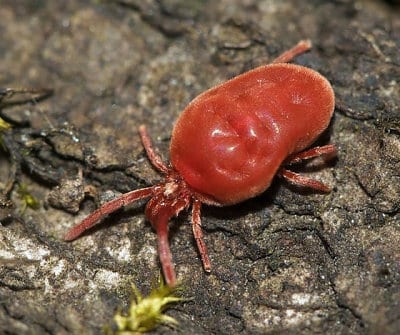
Around this time of year, particularly July – September, harvest mites are at their peak in numbers, producing a high risk of skin problems for domestic animals – particularly dogs.
What are harvest mites?
They are small mites that start off as an egg then larvae and finally become an adult note. You might think the adult is the problem, but in fact, it is the larvae
How do dogs catch them?
When the egg turns into a larvae, it clings to the top of the grass and any other overhanging vegetarian. This enables it to transfer to your dog on contact Harvest mites hang around in gangs ready to seek out warm parts of the body which have the thinnest skins The ideal parts of the body are the armpits toes and around the stomach
Unlike fleas, once the harvest mites have had their fill, they fall off the dog’s body to continue their cycle. However, in certain areas, there is a good chance our dog will pick up a new batch when they go for a walk.
Due to the very small size o the harvest mite it can be extremely hard to locate the larvae. What you need to be looking for is essentially orange dust but not always with the naked eye
However just because you can’t see the orange dust doesn’t mean they are not the cause of itching as there is a good chance they have fallen off
How do Harvest mites affect your dog?
As previously mentioned, they feed off the dog. This is done by injecting a liquifying substance under the skin. This liquid can be very itchy. As a result, your dog will probably scratch, lick, chew, and generally have a mild allergic reaction just like we do when mossy bites us
Identifying harvest mites
If your dog is itchy and doesn’t have fleas, then consider harvest mites (this can depend on the weather conditions and how they have affected the harvest mite)
Of course, if you or your vet has spotted any type of orange dust, then you have the answer. This may require your vet to take a skin scraping for further analysis to be definite.
How can I treat harvest mites?
If you are certain that your dog does have mites, then using some kind of antiparasitic shampoo will help treat your dog against harvest mites
I have had great success with Tea Tree spray, making sure it goes between the toes along with Garlic and fenugreek from Dorwest herbs.
It is important to remember that it’s almost impossible to prevent harvest mites from becoming part of your dog, especially if you are in an area where they are high; you may need to talk to your vet about antihistamine tablets. I use garlic juice spray as that seems to help prevent them.
Remember, if your dog has damaged the skin, then it is highly recommended that you seek advice from your bet as this may lead to infection.
Below are some other articles you may be interested in