
If your dog refuses to walk, it can quickly knock your confidence. One moment, you are ready to head out. Next, your dog has stopped, sat down, or planted their feet and will not move.
This is one of the most common concerns I hear from owners in Finchley and across North London. It happens to puppies, rescue dogs, confident dogs, older dogs, and dogs who have walked happily for years.
It is rarely stubbornness.
It is almost always communication.
When a dog refuses to walk, they are telling you that something about that moment feels wrong. It might be fear. It might be pain. It might be confusion. It might feel like the environment is overwhelming or unpredictable.
What matters most is how we respond.
Pulling, rushing, or trying to push through usually increases stress and makes the problem harder to resolve. Calm observation, minor adjustments, and rewards-based support help far more.
This guide explains why dogs refuse to walk, what to check first, and how to help in a way that protects your dog’s welfare and your relationship with them.
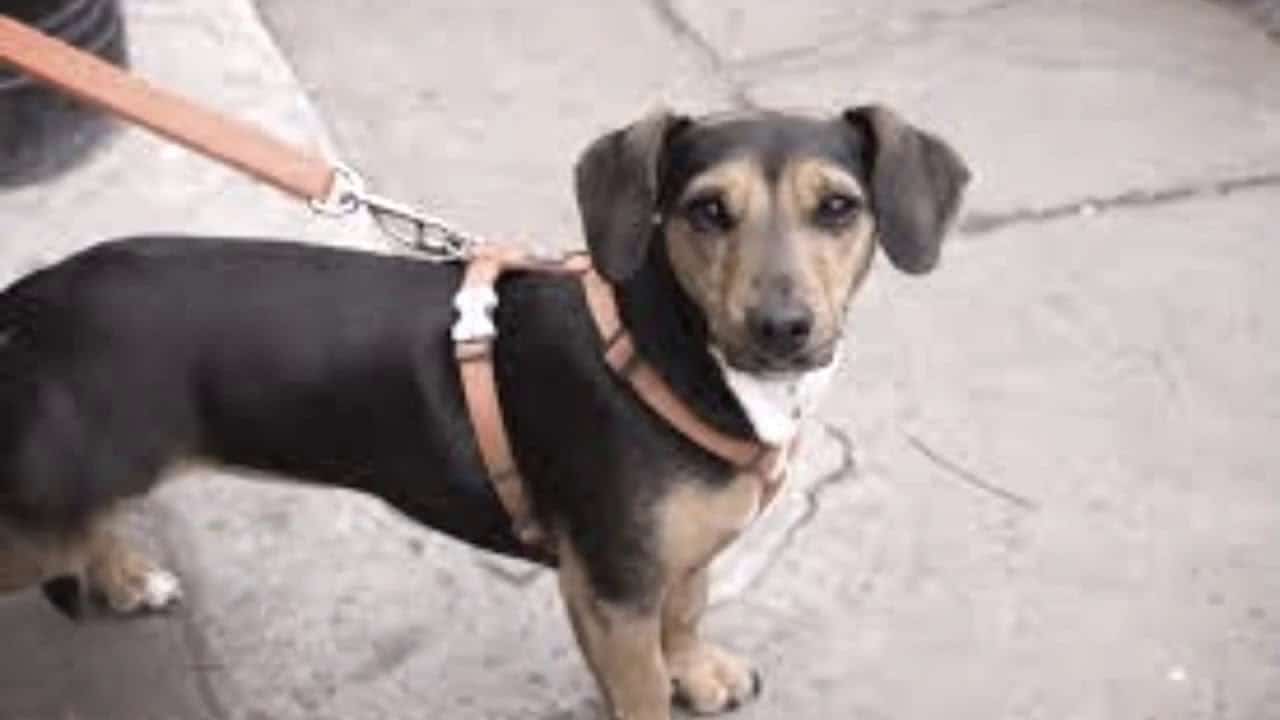
Why dogs refuse to walk
There is never just one cause. Most cases sit across a few overlapping areas.
Common reasons include:
- Fear or anxiety
- Physical discomfort or pain
- Overwhelm from the environment
- Previous negative experiences
- Ill-fitting walking equipment
- Too much pressure or expectation
Dogs do not refuse walks just because they are difficult. They refuse because something feels unsafe, uncomfortable, or confusing in that moment.
If this behaviour appears suddenly, especially in an adult dog, pain should always be considered first. Joint soreness, muscle strain, paw injuries, stomach discomfort, or dental pain can all make walking unpleasant.
Behaviour changes are often the earliest sign that something is wrong.
My dog won’t walk on walks, but is fine at home
This confuses many owners.
At home, your dog controls the space. Outside, everything changes. Sounds, smells, movement, other dogs, traffic, people, and expectations all arrive at once.
A dog can appear relaxed indoors and still feel completely overwhelmed outside.
This is especially common in:
- Rescue dogs
- Dogs new to an area
- Dogs walked in busy locations
- Dogs who have had a fright outdoors
If your dog is happy at home but freezes outside, the issue is not laziness. The walk itself is too much right now.
That tells us exactly where support needs to focus.
Dog stops walking and won’t move
When a dog stops walking and will not move, pause first.
Do not pull.
Do not drag.
Do not try to reposition them physically.
Instead:
- Stop moving yourself
- Soften your hold
- Give your dog time to look around
- Watch their body language
Stress signals often include freezing, leaning back, sitting suddenly, wide eyes, or lowered posture.
If your dog resumes walking after a short pause, they may need processing time. If the behaviour happens repeatedly in the same places, there is likely a specific trigger nearby.
Dog lying down and refusing to walk
Lying down mid-walk is a stronger signal than stopping.
This can indicate:
- Pain or physical discomfort
- Fear that feels overwhelming
- Fatigue or overheating
- A learned response from past pressure
Dogs do not lie down for attention. They lie down because moving forward feels like the wrong choice.
If this happens often, the walk plan needs to be adjusted rather than enforced.
A dog’s fear of the lead or the environment
Some dogs associate the lead, harness, or door routine with stress before they even step outside.
Others cope until they reach a certain location.
Fear can be linked to:
- Loud roads
- Busy parks
- Other dogs approaching
- Sudden noises
- Being rushed or handled tightly
This is where positive reinforcement for walking matters most.
Reward calm behaviour.
Reward checking in.
Reward voluntary movement.
Avoid forcing exposure. Progress comes from safety, not pressure.
Dog won’t walk in the rain or hot weather
Weather plays a bigger role than many people expect.
Rain changes sound, scent, and surfaces. Some dogs dislike the sensory shift. Others find wet pavements slippery or uncomfortable.
Heat is more serious. Dogs overheat quickly, particularly flat-faced breeds, older dogs, and dogs with health conditions.
If your dog refuses to walk in hot weather:
- Listen to them
- Reduce distance expectations
- Walk earlier or later
- Focus on enrichment at home
A short, sniff-based wander is often enough.
Immediate actions to take
If your dog refuses to walk today, start here.
- Check paws for cuts, grit, or soreness
- Check equipment fit and comfort
- Reduce distance expectations
- Change direction rather than insisting
- End the walk calmly if needed
One missed walk does not harm your dog. A stressful one can.
How to get a dog that won’t walk moving
This is about rebuilding trust, not clocking miles.
Helpful approaches include:
- Starting walks in quieter places
- Letting your dog choose direction
- Rewarding voluntary movement
- Keeping sessions short and predictable
- Pairing walks with positive outcomes
If your dog only manages the end of the street, that still counts.
Consistency matters more than distance.
Proactive training and prevention
Long-term improvement comes from changing how walks feel.
Focus on:
- Predictable routines
- Calm, clear handling
- Choice and control
- Gradual exposure
- Appropriate walking environments
This is where one-to-one support often helps most. Solo walks allow pace, location, and distance to be tailored to the dog rather than the schedule.
You can read more about why group walks are not right for every dog here:
Why group walks aren’t right for everydog
When solo walks help reluctant walkers
Dogs that refuse to walk often do better with:
- One familiar handler
- Predictable routes
- Slower pace
- Fewer dogs nearby
- No pressure to keep up
This is precisely what I offer through solo dog walks.
They are designed for dogs who need patience, space, and understanding rather than rushing or comparison.
You may also find these helpful:
Support should fit the dog, not force the dog to fit the service.
FAQs
Why does my dog suddenly refuse to walk?
Sudden refusal can signal pain, fear, or a negative experience. Physical causes should always be checked first.
Should I pull my dog if they stop walking?
No. Pulling increases stress and damages trust. Pause, observe, and reduce pressure instead.
Can anxiety cause a dog to stop walking?
Yes. Anxiety is one of the most common reasons dogs refuse to walk, especially in busy or unpredictable areas.
Is it okay to skip walks if my dog refuses to walk?
Yes. Mental enrichment and calm support are better than forcing a stressful walk.
When should I get professional help?
If the behaviour is ongoing, worsening, or affecting your dog’s wellbeing, support from a qualified professional is sensible and kind.
Conclusion
When a dog refuses to walk, it is not a failure. It is feedback.
Your dog is telling you that something about the walk does not feel right. Listening early prevents bigger problems later.
Shorter walks, quieter routes, and calm handling often make a bigger difference than pushing through. For many dogs, especially rescue dogs and sensitive types, one-to-one support is what allows confidence to grow.
If you need help, support exists that puts welfare first and progress at your dog’s pace.
Resources
- https://www.rspca.org.uk
- https://www.dogstrust.org.uk
- https://www.thekennelclub.org.uk
- https://www.pdsa.org.uk
