
Finchley Dog Walker Extreme Weather Policy
Version: 2.0
Effective date: 27 June 2026
Last reviewed: 27 June 2026
Your pet’s welfare and safety are central to the way I work.
This policy explains how I may adapt dog walks, pet visits and house-sitting services during hot weather, cold weather, snow, ice, heavy rain, thunderstorms, high winds, flooding, poor air quality and other potentially unsafe conditions.
It should be read alongside my Terms and Conditions, Policies and Standards and Cancellations and Refunds Policy.
How decisions are made
I will make the final operational decision about whether a walk, outdoor activity, journey or property visit can proceed safely.
My decision will be based on:
- your pet’s age, health, mobility and individual needs;
- the type and intensity of the planned activity;
- local weather and ground conditions;
- shade, shelter and access to water;
- official weather warnings;
- road, pavement and public transport conditions;
- whether I can safely reach and enter your property;
- risks to your pet, members of the public and me.
A weather warning does not automatically mean that every service will be cancelled. Conditions can vary locally, and a pet visit may still be possible when a normal walk is not.
I may change the time, route, length or type of activity where I reasonably believe this is necessary for safety or welfare.
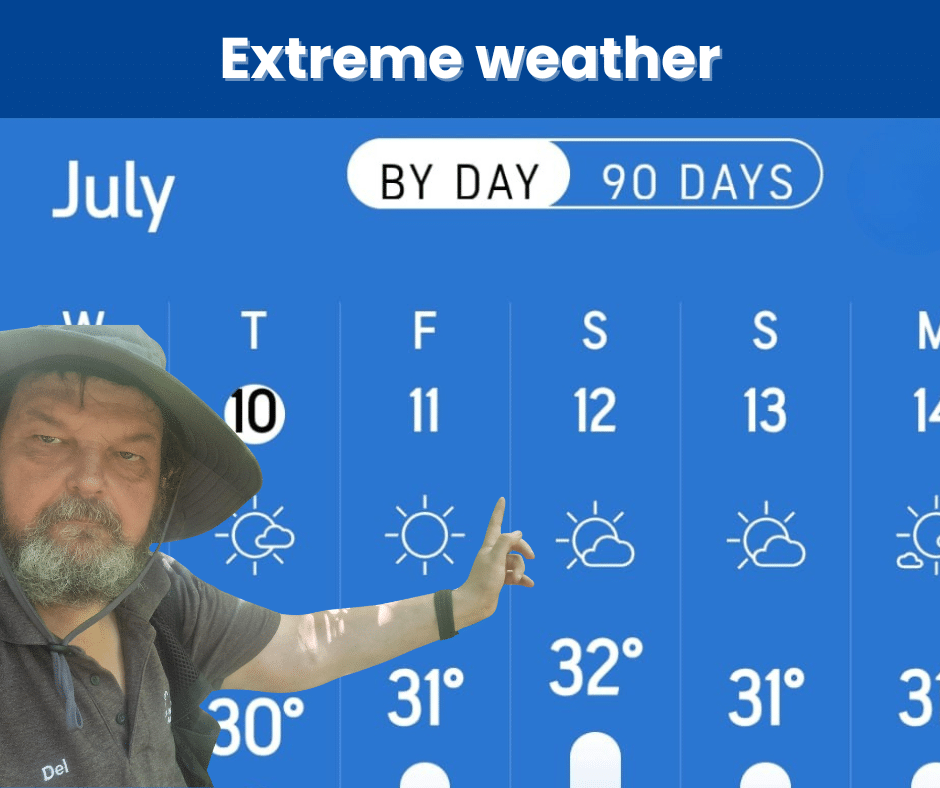
Hot weather
Hot weather can increase the risk of overheating, heatstroke, dehydration, and burned paw pads.
Any dog can become unwell in hot conditions. Some dogs may be at greater risk, including:
- puppies and older dogs;
- flat-faced dogs;
- overweight dogs;
- dogs with thick or double coats;
- dogs with heart, lung or breathing conditions;
- dogs with reduced mobility;
- dogs recovering from illness or surgery;
- dogs that are unfit or unaccustomed to warm-weather exercise.
I will also consider humidity, direct sunlight, shade, ground temperature, duration of exercise and the individual dog’s normal tolerance.
Changes to walks
During hot weather, I may:
- offer an earlier or later walk where practical;
- choose a shorter or more shaded route;
- reduce the pace or intensity of the walk;
- provide additional rest and water breaks;
- shorten the outdoor portion of the service;
- replace a normal walk with a toilet break and suitable indoor care;
- cancel the outdoor activity where no safe alternative is available.
A changed time is not confirmed until it has been agreed with the client.
Dogs will not be encouraged to run or engage in strenuous exercise when conditions make this inappropriate.
You may also be interested in my guide on how to tire a dog out without a long walk
It may also be worth visiting pet visits, especially if it is an evening
Hot surfaces
I will assess paved and artificial surfaces before walking.
The five-second hand test may be used as a simple indicator. However, it will not be relied upon as the only safety check.
I will also consider:
- the type and colour of the surface;
- direct sunlight;
- available shade;
- the length of exposure;
- alternative grass or natural-surface routes;
- your dog’s individual needs.
If a surface appears unsafe, it will be avoided or the outdoor activity will be changed.
Signs of overheating
I will monitor dogs for signs that may indicate overheating or heat-related illness, including:
- excessive or unusually heavy panting;
- difficulty breathing;
- heavy drooling;
- very red gums or tongue;
- reluctance or inability to continue;
- weakness or unsteadiness;
- vomiting or diarrhoea;
- confusion;
- collapse.
If I am concerned that a dog is overheating, I will stop the activity, move the dog to a cooler, well-ventilated place, begin appropriate cooling within my competence, and seek veterinary advice promptly.
I will contact you or your emergency contact as soon as reasonably practicable, unless doing so first would delay urgent care.
You can read further information from the Royal Veterinary College about heatstroke in dogs and cats.
Cold weather, snow and ice
Cold weather affects animals differently. A healthy adult dog may tolerate conditions that are unsuitable for a puppy, an older dog, a small dog, or a dog with a medical condition.
During cold weather, I may:
- shorten the walk;
- select a more sheltered route;
- avoid prolonged periods of standing still;
- avoid deep snow or unsafe frozen areas;
- provide a toilet break and indoor activity instead;
- cancel where travel, access or outdoor conditions are unsafe.
Protective clothing and products
I will only use coats, boots, paw balms, cooling products or similar equipment that you have supplied or expressly approved.
All equipment must fit properly and be suitable for your pet.
I will not apply an unfamiliar topical product without your approval unless immediate action is reasonably necessary to protect the animal’s welfare.
Salt, grit, snow and ice
Salted or gritted surfaces will be avoided where reasonably practicable.
If paws are exposed to grit, salt, snow or ice, I will wipe or rinse them as appropriate using the facilities and supplies available at the property.
Wet dogs will be towel-dried as appropriate before being settled at home.
Please leave suitable towels and any approved paw-care products somewhere accessible.
You can also read my guide to walking dogs in wintry weather.
Black ice and slippery conditions
Black ice and compacted snow can make walking unsafe for dogs and people.
I may:
- avoid untreated or visibly icy paths;
- choose a shorter and more secure route;
- keep the dog on a shorter lead where appropriate;
- provide a toilet break close to home;
- replace the walk with indoor care;
- delay or cancel the service if I cannot travel or walk safely.
You are responsible for taking reasonable steps to ensure safe access to your property, including, where possible, treating or clearing an excessively slippery private path.
I do not expect you to place yourself at risk to do this.
Heavy rain and flooding
Rain alone will not normally prevent a walk. However, heavy or persistent rain can pose risks, including poor visibility, slippery ground, fast-flowing water, fallen branches, and local flooding.
During heavy rain, I may:
- shorten or change the route;
- avoid rivers, streams, flooded parks and low-lying areas;
- avoid slippery paths, steep slopes and unstable ground;
- provide a toilet break and suitable indoor activity;
- delay or cancel the service where conditions are unsafe.
I will not allow a dog to enter floodwater. Floodwater may conceal hazards, strong currents, contamination or damaged surfaces.
You can read my guide to walking dogs in rain, wind and thunder.
Thunderstorms and lightning
I will not begin or continue a normal outdoor walk where thunder, lightning or an immediate storm hazard makes the activity unsafe.
If thunder is heard or lightning is seen during a walk, I will return the dog to suitable shelter as soon as it is safe to do so.
I will avoid:
- exposed open spaces;
- high ground;
- isolated trees;
- metal fencing;
- bodies of water;
- low-lying areas that may flood quickly.
Where appropriate, the service may be replaced with a toilet break and calm indoor care.
The Met Office advises that hearing thunder means lightning may already be within striking range. Further information is available in its thunder and lightning safety guidance.
High winds
Strong winds can create risks from falling branches, damaged structures, unsecured objects and frightened or unsettled animals.
During strong winds, I may:
- avoid trees, woodland and exposed routes;
- avoid scaffolding, unstable fencing and damaged buildings;
- keep the dog on a shorter lead;
- shorten or relocate the walk;
- provide indoor care instead;
- cancel if travel or outdoor activity is unsafe.
A dog that would normally be allowed off lead will remain on lead where wind or noise may affect recall or behaviour.
Poor air quality
Smoke, pollution, dust and other airborne hazards may make outdoor exercise unsuitable, particularly for older dogs, flat-faced dogs and animals with heart or breathing conditions.
Where air quality creates a welfare concern, I may:
- shorten the walk;
- reduce the intensity of exercise;
- choose a quieter route away from traffic;
- provide a toilet break and indoor care;
- postpone or cancel outdoor activity.
Please tell me if your pet has a respiratory condition or has been given specific veterinary advice about poor air quality.
Pet visits and house sitting
This policy also applies to pet visits and house sitting.
During extreme weather, I will monitor the animal’s environment as part of the agreed service.
You must provide:
- suitable ventilation, shade, heating or cooling arrangements;
- access to fresh drinking water;
- clear instructions for safely using fans, heating or other equipment;
- suitable shelter for animals kept in outdoor enclosures;
- enough food, bedding, medication and other supplies for the booking;
- an emergency contact who can assist if required.
Outdoor enclosures must provide suitable protection from direct sunlight, rain, wind, snow and draughts.
If heating, cooling, electricity or water fails and this creates a welfare concern, I will try to contact you and your emergency contact.
I may seek veterinary advice or other urgent assistance where I reasonably believe this is necessary to protect an animal.
Unsafe travel or access
Extreme weather may make it unsafe or impractical for me to reach your property.
This may include:
- untreated ice;
- flooding;
- fallen trees;
- dangerous winds;
- impassable roads or pavements;
- severe disruption to public transport;
- official advice not to travel;
- unsafe access to the property.
I may delay, rearrange or cancel the service where attempting to travel or gain access would create an unreasonable risk.
I will contact you as soon as reasonably practicable.
You should provide a local emergency contact who can access the property if I am unable to attend.
Alternative care
Where a normal walk cannot safely proceed, alternative care may include:
- a shorter toilet walk;
- time in a secure garden where suitable;
- scent-based activities;
- food enrichment;
- puzzle toys;
- calm play;
- simple training exercises;
- company and supervision.
Alternative activities will depend on:
- the time available;
- the pet’s health and behaviour;
- the supplies available at the property;
- your written instructions;
- whether the activity is safe and suitable.
I cannot guarantee that a particular activity will always be possible.
Charges for adapted services
Where I provide meaningful alternative care for the booked period, the normal service fee will apply.
For example, this may include a shorter toilet walk followed by indoor enrichment, calm company and supervision.
If I decide that I cannot safely provide the service and no meaningful alternative is supplied, no charge will apply for the unprovided service.
Any payment already made for that service will be refunded or credited.
Client cancellations
Client cancellations remain subject to my Cancellations and Refunds Policy unless I agree to a different arrangement in writing.
The normal notice period for dog walks and individual visits is 48 hours.
A cancellation charge will not be imposed where I have cancelled the service because I cannot provide it safely.
This replaces the previous separate 24-hour extreme-weather cancellation rule.
Communication
I will tell you as soon as reasonably practicable if I need to:
- change the service time;
- shorten or adapt the activity;
- provide alternative care;
- delay my arrival;
- cancel the service.
Updates will normally be sent by WhatsApp, text message or email.
In a rapidly developing situation, I may need to make an immediate safety decision before I am able to contact you.
Your responsibilities
To help me provide safe care during extreme weather, you must:
- keep your contact and emergency-contact details current;
- tell me about any medical condition affected by heat, cold, storms or poor air quality;
- provide suitable and properly fitting protective equipment where required;
- leave appropriate towels and approved paw-care products;
- provide enough fresh water and essential supplies;
- provide safe and reasonably accessible entry to the property;
- tell me about faults affecting heating, cooling, water or electricity;
- provide clear instructions for pets kept in outdoor enclosures;
- tell me if your pet is particularly frightened by thunder, wind, fireworks or other loud noises;
- arrange a local emergency contact wherever possible.
You must not ask me to continue an activity that I reasonably consider unsafe.
Useful information
Further seasonal information is available in my:
- Seasonal Pet Safety Guide
- Guide to how weather affects dog walks
- Winter dog care
- Rain, Wind and Thunder Guide
External guidance is also available from:
- Met Office: Looking after pets during hot weather
- Royal Veterinary College: Heatstroke in dogs and cats
- Met Office: Stay safe in thunder and lightning
- Met Office: Current UK weather warnings
External guidance is provided for general information and does not form part of your contract with Finchley Dog Walker.
Questions about this policy
Please contact me if your pet has particular medical, behavioural or mobility needs that may affect extreme-weather care.
Derek “Del” Chambers
Trading as Finchley Dog Walker
Email: info@finchleydogwalker.co.uk
Telephone: 07707 763344
