Reactive and Nervous Dog Walking in Finchley
Updated April 2026
Some dogs find everyday walks difficult.
That might mean barking at other dogs, freezing near roads, panicking around strangers, pulling hard to get away from something, or struggling to settle outside the house at all.
I work with a lot of rescue and nervous dogs across Finchley, East Finchley, and the surrounding areas, and one thing I’ve learnt is that these dogs usually do better with calm handling, patience, and predictable routines.
Not bigger groups.
Not rushed walks.
Not pressure.
For many owners, finding the right walker feels stressful in itself. Especially if you’ve already had bad experiences with group walks, overcrowded vans or someone saying your dog just needs “more discipline”.
This page explains how I approach reactive and nervous dogs, what typically helps, and what owners should realistically expect when seeking walking support.
What counts as a reactive or nervous dog?
Reactive behaviour can look very different depending on the dog.
Some dogs bark and lunge. Others shut down quietly.
I regularly meet dogs that:
- react strongly to other dogs
- panic around traffic
- struggle with handling
- dislike unfamiliar people
- become overwhelmed in busy parks
- guard space around the home
- pull constantly from anxiety rather than excitement
- freeze during walks
- vocalise when approached
A lot of these dogs are not aggressive.
They are stressed, overstimulated, underconfident or simply coping badly with situations they find difficult.
That matters because the way someone responds changes the outcome.
Why do some dogs struggle on walks
There is usually a reason behind the behaviour, even if it is not obvious straight away.
Common causes include:
- poor early social experiences
- rescue or rehoming history
- inconsistent handling
- previous attacks or frightening incidents
- pain or physical discomfort
- overstimulation from busy group walks
- lack of decompression time after adoption
- breed traits and sensitivity
- frustration from constant lead tension
I often see dogs that cope perfectly well at home but struggle once the outside world becomes unpredictable.
Busy North London streets can be a lot for some dogs. Areas like North Finchley High Road or crowded park entrances can quickly overwhelm nervous dogs that are still learning to feel safe.
What I focus on first
With reactive or nervous dogs, my priority is usually helping the dog feel calmer and more predictable during walks.
Not forcing socialisation.
Not “fixing” everything quickly.
That often means:
- quieter routes
- slower introductions
- giving dogs space from triggers
- avoiding crowded times
- building familiarity gradually
- keeping handling calm and consistent
- reducing unnecessary stress
Sometimes the best walk for a nervous dog is a short, quiet one where nothing dramatic happens.
That is still progress.
In places like Coldfall Woods or quieter residential routes around Finchley, there are often better options than pushing a nervous dog straight into busy environments.
What I avoid with reactive dogs
Not every walking setup suits reactive dogs.
I personally avoid:
- large group walks
- tightly packed dog vans
- chaotic dog park environments
- forced greetings
- punishment-based handling
- flooding dogs with triggers
- overstimulating routes
Some dogs can eventually build confidence around others. Some prefer distance for life.
Both are okay.
The goal is not to create a “perfect” social dog. The goal is to help the dog feel safer and more manageable in everyday life.
Solo walks vs group walks for nervous dogs
Most reactive or nervous dogs benefit from solo walks, at least initially.
Group walks can work for some dogs later on, but many dogs need:
- predictability
- lower stimulation
- more personal handling
- slower pacing
- flexible routes
- individual attention
Solo walks also make it easier to spot subtle stress signals before behaviour escalates.
That might mean noticing:
- lip licking
- scanning
- freezing
- pacing
- excessive sniffing
- sudden tension on the lead
These things often appear before barking or lunging starts.
You can read more about my approach on the Solo Dog Walks page.
Rescue dogs often need decompression first
Many rescue dogs are expected to adjust too quickly.
New home.
New smells.
New routine.
New people.
Busy walks.
It can become overwhelming fast.
Many dogs need a decompression period before owners start focusing heavily on training goals or social exposure.
That does not mean doing nothing.
It means keeping life calmer and more predictable while the dog settles.
I often suggest:
- shorter quieter walks
- avoiding crowded parks initially
- reducing pressure around greetings
- keeping routines steady
- using enrichment at home
- allowing more rest
Some rescue dogs improve dramatically once stress levels consistently come down.
Walking reactive dogs safely in Finchley
Finchley has some good, quieter walking areas, but timing matters.
A route that works well at 11 am on a weekday may feel completely different during the school run or weekend peak times.
For reactive dogs, I usually think about:
- entry and exit points
- traffic noise
- off-lead dog density
- narrow pathways
- escape space
- visibility around corners
- busy football pitches or playgrounds nearby
Sometimes quieter residential walks work better than busy green spaces.
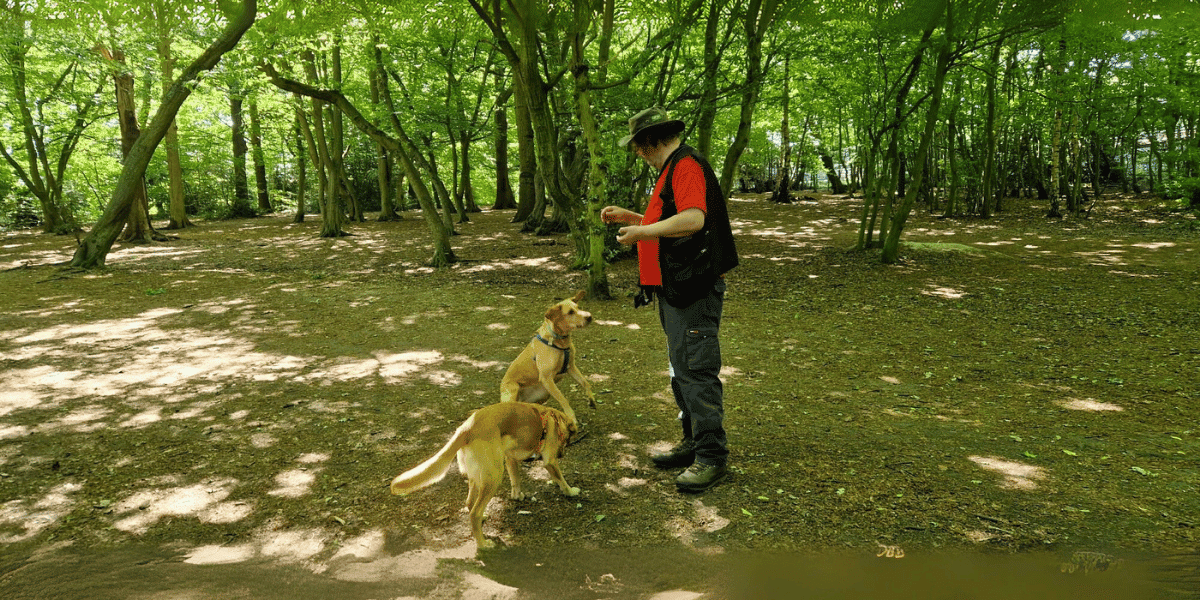
Sometimes, woodland routes help because there is more room to move away from triggers.
Every dog is different.
A simple checklist before hiring a reactive dog walker
If you are looking for support, these questions are worth asking:
- Does the walker use group walks or solo walks?
- How many dogs are walked at once?
- Are reactive dogs genuinely accepted or just tolerated?
- What happens if a dog becomes overwhelmed?
- Does the walker avoid punishment methods?
- Are quieter routes available?
- Will introductions happen gradually?
- Is communication honest and realistic?
You do not need someone who promises instant behaviour change.
You need someone calm, observant and consistent.
Recommended walking essentials
Below are links to items that I recommend and have used. These links are affiliate links, and as an Amazon associate, I may make a few pennies at no extra cost to you. This is then invested in trying out other equipment and keeping this site running
Useful items for many nervous dogs include:
- A secure Y-front harness – PefectFit Harness (
- Long training lead for decompression walks
- Treat pouch for calm reward-based handling
- Car safety restraint for anxious travel
You can also see the full Reactive Dog Walking Kit guide for a more detailed setup list.
What I would focus on first
If your dog struggles on walks, I would usually focus on:
- reducing stress before increasing exposure
- building predictable routines
- creating more distance from triggers
- rewarding calm behaviour
- improving handling consistency
- choosing quieter walking times
Owners often feel pressure to “socialise more” when the dog actually needs less overwhelm first.
What I would avoid
I would avoid:
- forcing greetings
- busy dog parks too early
- punishment-based trainers
- expecting quick fixes
- comparing your dog to confident social dogs
- overcrowded walks
- constantly changing routines
Reactive dogs often improve through repetition and predictability, not intensity.
When behavioural support may also help
Some dogs benefit from working with both a walker and a qualified behaviour professional.
If a dog is showing:
- escalating aggression
- severe panic
- biting behaviour
- guarding
- extreme shutdown
- self-injury from anxiety
it is worth speaking with a qualified behaviourist and your vet.
The Dogs Trust and RSPCA both have helpful guidance on understanding stress and reactive behaviour in dogs.
Behaviour support should always be tailored to the individual dog.
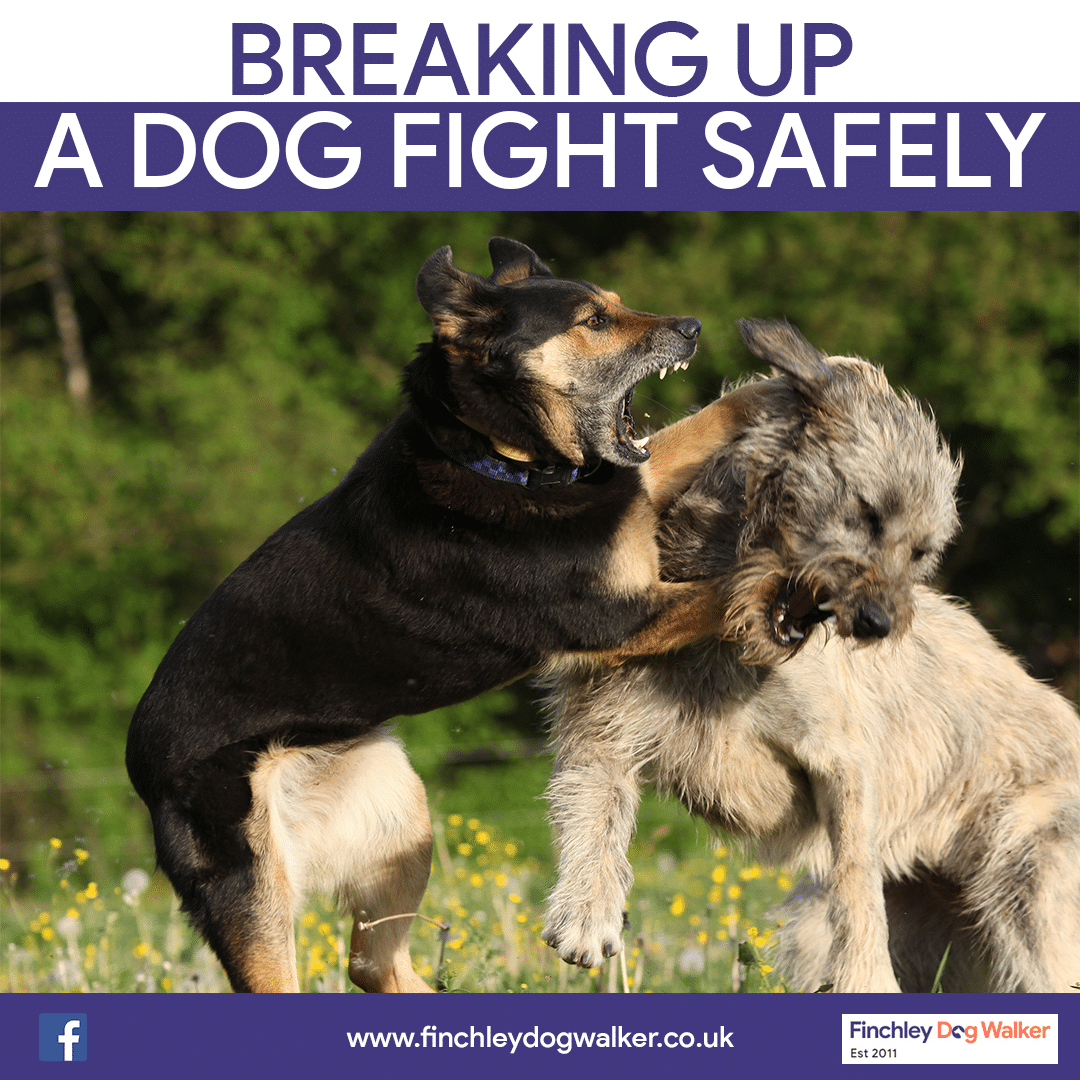
Remember: Careful route planning reduces unwanted contact. See my dog-fight safety guide for emergency information.
Related guides
You may also find these helpful:
- Dog & Cat Care Guides
- Dog Enrichment Ideas
- Rescue Dog Help in Finchley
- Solo Dog Walks in Finchley
- Walking Big Dogs in Finchley
- My Rescue Dog Starter Kit
- Reactive Dog Walking Kit
- Puppy Visits and Puppy Support
FAQs
Can reactive dogs still enjoy walks?
Yes. Many reactive dogs still enjoy being outside once walks become calmer and more predictable. The goal is usually to reduce stress rather than to force social interaction.
Are solo walks better for nervous dogs?
Often, yes. Solo walks reduce overstimulation and allow more flexibility around triggers, pacing and route choices.
Do reactive dogs need training or walking support first?
Sometimes both help together. A calm walking routine can lower stress levels, while training gradually builds coping skills.
Can rescue dogs become less reactive over time?
Many do improve once they feel more secure and settled. Progress depends on the individual dog, consistency and stress levels.
What areas around Finchley are quieter for nervous dogs?
That depends on timing and the dog itself. Some dogs cope better in quieter residential streets, while others prefer woodland routes like Coldfall Woods or quieter sections near Highgate Woods.
Do you walk aggressive dogs?
That depends on the individual dog and situation. I always assess safety, handling needs and whether the setup is appropriate before agreeing to walks.
Final thoughts
Living with a reactive or nervous dog can feel isolating at times, especially when ordinary walks become stressful.
But many dogs improve when life becomes calmer, slower and more predictable.
Support does not always need to be dramatic to help.
If you are looking for calm, one-to-one walking support in Finchley for a rescue, nervous, or reactive dog, you can find more information about my Rescue Dog Support and Solo Dog Walks services.