

A Practical Guide for Dog Owners
Spring is one of my favourite times to walk dogs in Finchley.
The woods wake up again.
Longer daylight hours return.
Dogs can spend more time sniffing and exploring.
However, spring also brings a surprising number of seasonal risks for dogs.
Many of these appear suddenly once the weather improves. Picnic food appears in parks. Plants start growing again. Insects wake up. BBQs start.
Over the years, walking dogs around Coldfall Woods, Cherry Tree Wood and the Parkland Walk, I see the same issues appear every spring.
This guide explains the most common springtime dangers for dogs in the UK and how to avoid them.
It also includes useful equipment to help keep your dog safe.
As an Amazon Associate, I earn from qualifying purchases. This means I may receive a small commission if you buy through links on this page, at no extra cost to you.
Why Spring Can Be Risky for Dogs
Spring encourages dogs to explore more.
After winter, they suddenly find:
• new smells
• wildlife activity
• fresh plants
• dropped food in parks
• insects and bees
Many dogs also begin seasonal scavenging behaviour.
Food smells stronger outside, and dogs become curious again.
For some dogs,s the problem is excitement rather than hunger.
Rescue dogs and young dogs are especially prone to picking things up.
If your dog is prone to grabbing things off the ground, spring is the time to stay alert.
Seasonal Scavenging Behaviour
One pattern I notice every year is dogs suddenly becoming scavengers again.
This often happens because:
• people start eating outside and leaving take-away, and picnic remains
• BBQ leftovers appear in parks
• wildlife becomes active
• Smells travel better in warm air than cols
Dogs that ignored food in winter can suddenly start grabbing things again.
If your dog tends to pick things up outdoors, a few things help:
• reinforcing a strong leave command
• using a longer training lead in busy areas
• bringing high-value treats to reward good choices
Equipment can also help during training.
Long Line (Amazon) – This is the waterproof and easy-to-clean longline I recommend and use
A long training line allows your dog to explore while you keep control if they spot something risky.
Spring Plants That Can Be Toxic to Dogs
Spring flowers are beautiful, but some are dangerous for dogs.
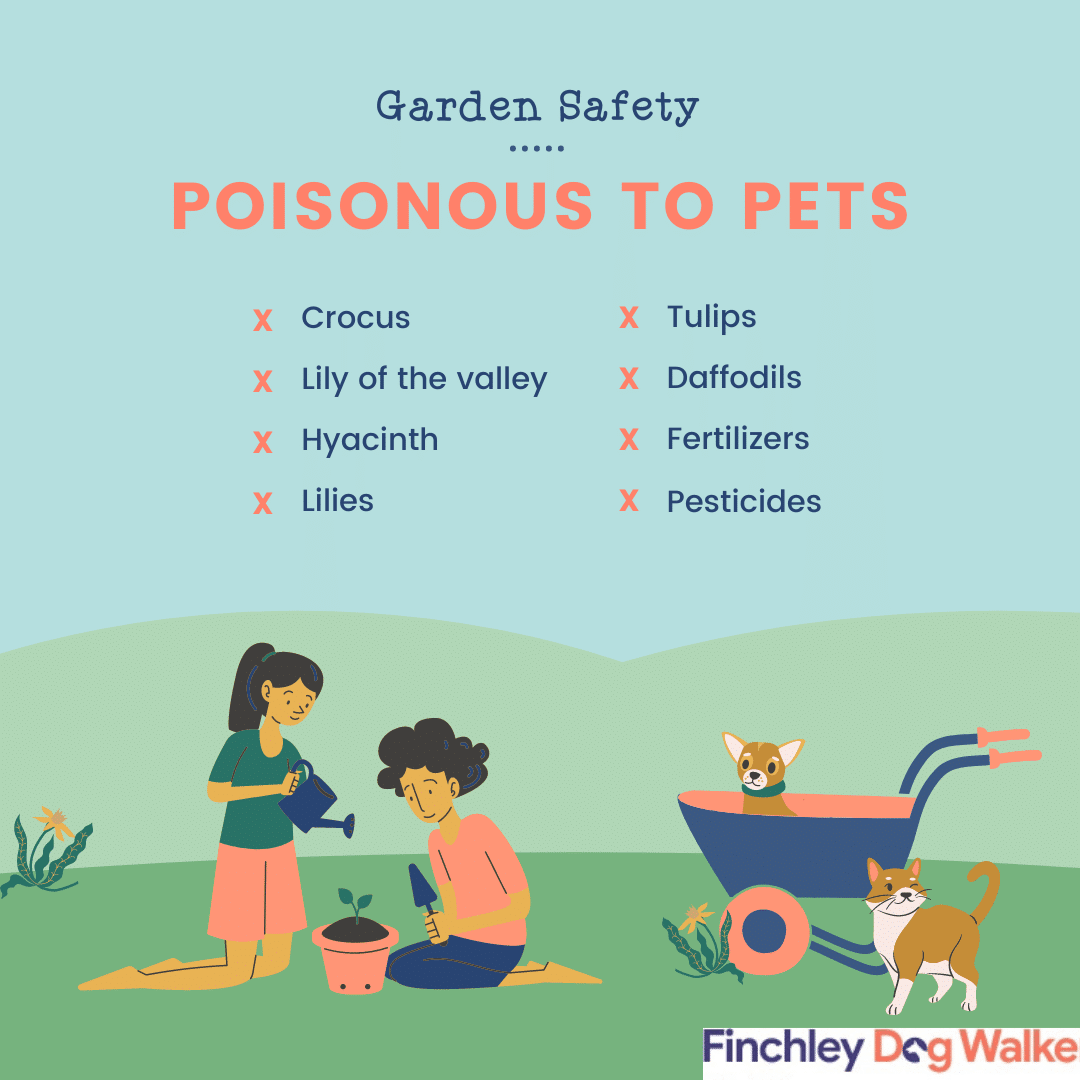
The most common toxic plants in UK parks and gardens include:
• daffodils
• tulips
• crocus
• bluebells
• foxglove
Dogs usually get into trouble by digging bulbs or chewing plants.
Symptoms may include:
• vomiting
• drooling
• stomach pain
• lethargy
If your dog eats any unknown plant, contact your vet quickly.
Guide: Poisounous plants and flowers for spring
For reliable information about toxic plants, the RSPCA plant guide is useful.
Picnic Food and BBQ Leftovers
As soon as the weather improves, parks fill with picnics nf BBQs
Unfortunately, this also means food scraps appear.
Common problems include:
• chicken bones
• skewers
• sausages
• onions and garlic
• chocolate desserts
Cooked bones can splinter and cause internal injury.
Onions and garlic can damage red blood cells in dogs.
You can read more about this on my post on Garlic
Some dogs become very focused on food smells.
In those situations, I often recommend bringing training treats to reward for leaving food alone.
Sprats – the smelly treat all dogs love and vey few (well ive not found any) are allergic to them (Amazon link)
Easter Chocolate Hazards
Spring also brings Easter.
Chocolate is toxic to dogs because it contains theobromine.
Dark chocolate is particularly dangerous.
Even small amounts can cause symptoms such as:
• vomiting
• restlessness
• shaking
• elevated heart rate
Easter egg hunts and chocolate wrappers left outside are common causes of poisoning.
You can find my Dogs and Chocolate guide here
Grass Seed Season
Late spring marks the start of grass seed season.
Grass seeds are one of the most common injuries I see during walks.
Seeds can lodge in:
• paws
• ears
• eyes
• skin folds
Once embedded, they can move deeper into the body and cause infection.
Signs to watch for include:
• sudden limping
• head shaking
• paw licking
• swelling
After walking in long grass, it helps to check:
• between toes
• inside ears
• under armpits
Grass seed injuries are very common around woodland edges and meadow areas.
A small grooming brush in your walking bag helps remove seeds before they cause trouble.
2 in 1 – pin and soft brush grooming brush – over the years i have found this to be oneof the best for ordinary coats
A full guide to grass seeds can be found here
Stinging Nettles
Nettles appear everywhere once the weather warms up.
Most dogs learn to avoid them quickly.
However, curious puppies sometimes run straight into them.
Signs of nettle irritation include:
• paw licking
• redness
• rubbing face on grass
Usually, the irritation passes quickly.
If your dog reacts strongly, rinsing the area with cool water helps.
You can read more in my stinging nettle guide
Bee and Wasp Stings
Bees and wasps become active in spring.
Many dogs try to snap at flying insects.
This often leads to stings on:
• nose
• lips
• tongue
• paws

Most stings cause mild swelling.
However, allergic reactions can occur.
Signs of concern include:
• facial swelling
• breathing difficulty
• vomiting
These require urgent veterinary care.
Finf out more about what to o when a bee or wasp stings in my guide
Adders in the UK
Adders are the UK’s only venomous snake.
They become active in spring after hibernation.
Most encounters occur in:
• heathland
• woodland edges
• sunny clearings
Adders rarely bite unless disturbed.
However curious dogs sometimes investigate them.
Symptoms of a bite include:
• sudden pain
• swelling
• lethargy
Immediate veterinary care is essential.
Fortunately adder encounters are rare in North London, but awareness helps if travelling outside the city.
You can read my post ondogs and snake bites
Equipment That Helps Keep Dogs Safe in Spring
A few pieces of equipment make spring walks easier and safer.
As an Amazon Associate I earn from qualifying purchases. This means I may receive a small commission if you buy through links on this page, at no extra cost to you.
These are tools I use regularly when walking dogs.
Harness
A well fitted harness gives you better control than a collar during training.
Perfit Fit Harness – direct link
Long training line
Helpful for recall training and preventing scavenging.
Waterproof and easy to clean long line – amazon
Treat pouch
Allows you to reward your dog quickly during training.
The pouch i use – amazon – comes with its own belt, adjustable from 27″ to 47″, so plenty of room
Enrichment toys for rainy days
Mental exercise can tire dogs when outdoor conditions are poor.
Puzzle toy – amazon
Lick mats
Useful for calming dogs after exciting walks.
Lick mats – amazon
Walking Dogs Safely in Finchley During Spring
Spring walks in North London are brilliant for dogs.
The key is staying aware of seasonal risks.
When I walk dogs, these are things i keep an eye out for so the dogs don’t get into triyble
• dropped picnic food
• new plant growth
• grass seeds
• insects
Simple awareness prevents most problems.
Dogs can still enjoy the season safely.
Environmental dangers
Finally, when planning walks, it’s also important to be aware of environmental risks that can affect dogs year-round. Changes in weather, terrain, and local surroundings can all impact your dog’s safety and comfort. For example, hot pavements in warmer months can burn paw pads, while icy or uneven ground in winter increases the risk of slips and injuries. Woodland and grassy areas may harbour ticks, and stagnant water can expose dogs to harmful bacteria. I always encourage owners to stay mindful of their walking routes, check conditions before heading out, and make small adjustments where needed to keep their dog safe, comfortable, and able to enjoy their exercise.
You can read my environmental risks guide for more details
If You Found This Guide Helpful
Running this site takes time and care.
If this guide helped you, you can support the site by buying me a coffee

Updated March 2026
This guide was updated to include new information on seasonal scavenging, grass seed injuries and spring plant risks for dogs in the UK.
FAQ
Are daffodils poisonous to dogs?
Yes. Daffodil bulbs contain toxins that can cause vomiting, stomach pain and drooling if eaten.
What should I do if my dog eats chocolate?
Contact your vet immediately. Chocolate poisoning can become serious quickly.
When do grass seeds become dangerous?
Grass seed problems usually begin in late spring and continue through summer.
Are bee stings dangerous for dogs?
Most cause mild swelling. However some dogs have allergic reactions which require veterinary treatment.
Do dogs get stung often in spring?
Yes. Curious dogs often try to catch flying insects during warmer months.
Disclaimer
This article is intended for general pet safety information only.
It does not replace professional veterinary advice. If your dog shows signs of illness, poisoning or injury, you should contact your vet immediately.
Under the Veterinary Surgeons Act 196,6 only qualified veterinary professionals can diagnose and treat medical conditions.
Author
Del Chambers runs Finchley Dog Walker in North London. He provides calm one to one dog walks, training walks and support for rescue or sensitive dogs. Much of his work focuses on helping nervous dogs build confidence outdoors through enrichment and patient handling. Walking regularly across Finchley, Muswell Hill and surrounding woodland areas, he sees first hand the seasonal challenges dogs face. His writing aims to provide practical advice to help owners keep their dogs safe, calm and happy.
Cat sitting and house sitting is also available


