
This page contains affiliate links. As an Amazon Associate, I earn from qualifying purchases. This means I may receive a commission if you click on a link and make a purchase, at no extra cost to you
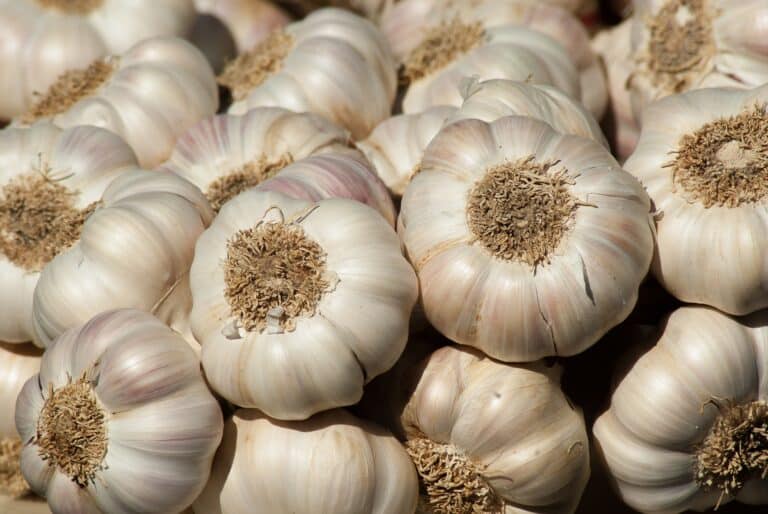
Garlic is one of those foods that causes a lot of confusion for dog owners.
Some people believe it is extremely dangerous. Others have heard small amounts are harmless. A few even think garlic helps repel fleas.
Over the years walking dogs , I have heard all three opinions from well-meaning owners.
The truth sits somewhere in the middle.
Garlic is not something dogs should be eating. But small accidental exposure is quite common and does not always lead to serious illness.
What matters is the amount eaten, the size of the dog, and whether any symptoms develop afterwards.
Dogs are curious. They investigate smells, leftovers, dropped food and anything interesting on the ground. Garlic often appears in the foods they find.
So it helps to understand the real risks without unnecessary panic.
This guide explains why garlic can be harmful, how much is considered dangerous, and what you should do if your dog eats some.
Why Garlic Can Be Harmful to Dogs
Garlic belongs to the allium family, which also includes:
- onions
- leeks
- chives
- shallots
These plants contain compounds called thiosulphates.
Dogs cannot process these compounds well. When a dog eats enough of them, they can damage red blood cells.
Red blood cells carry oxygen around the body. If too many are damaged, the body begins destroying them faster than it can replace them. This can lead to a condition called haemolytic anaemia.
When this happens, dogs may become weak, tired or unwell.
This is why garlic and onions appear on most lists of foods dogs should avoid.
But the important point is that toxicity depends on the amount eaten.
How Much Garlic Is Dangerous?
Veterinary guidance suggests toxic effects may appear when dogs consume roughly:
15 to 30 grams of garlic per kilogram of body weight
To put that into context, a single garlic clove usually weighs about 3 to 7 grams.
So if a medium or large dog grabs a tiny piece of garlic bread, serious poisoning is unlikely.
However larger amounts or repeated exposure can cause problems.
Small dogs are more vulnerable because the same quantity represents a higher dose for their body size.
Puppies, older dogs and dogs with existing health problems may also be more sensitive.
If your dog eats several cloves or a large quantity of garlic-heavy food, it is sensible to contact a vet for advice.
Foods That Often Contain Garlic
Garlic rarely appears on its own. Dogs usually encounter it through human food.
Common examples include:
- garlic bread
- pizza
- pasta sauces
- roast dinner leftovers
- takeaway food
- ready meals
- seasoning mixes
- Fast foods
Garlic powder can actually be more concentrated than fresh garlic, so heavily seasoned foods may contain more than you realise.
When I do house sitting visits, I often remind owners that dogs have an excellent sense of smell. Food left on kitchen counters or accessible bins is very tempting.
Many incidents happen simply because a dog found something unattended. toxic this article may help
Toxic foo for dogs
Symptoms of Garlic Poisoning in Dogs
Symptoms do not always appear straight away.
It can take one to five days after eating garlic for signs to develop.
Things to watch for include:
- unusual tiredness
- weakness during walks
- pale gums
- reduced appetite
- vomiting
- diarrhoea
- increased heart rate
- faster breathing
- dark coloured urine
Sometimes the first sign is simply a change in behaviour.
A dog who normally bounds through Coldfall Woods might suddenly seem reluctant to walk or slower than usual.
If you notice symptoms and think garlic may be involved, speak with your vet.
What To Do If Your Dog Eats Garlic
Most garlic incidents involve small amounts.
Perhaps your dog grabbed a dropped piece of garlic bread or licked some sauce from a plate.
If that happens, stay calm.
Think about:
- how much garlic was eaten
- your dog’s size
- when it happened
If the amount was small and your dog seems normal, monitoring them is often enough.
However you should contact your vet if:
- your dog ate several cloves
- your dog is a small breed
- your dog already has health problems
- your dog begins showing symptoms
Early veterinary advice is always the safest option.
Wild Garlic and Dogs
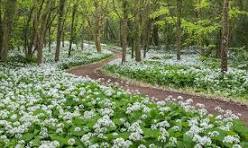
In North London woodland areas, you may also come across wild garlic, sometimes called ramsons.
This plant grows widely in spring and produces a strong garlic smell when crushed.
You may notice it in places like Parkland Walk and Dollis Brook
Wild garlic belongs to the same plant family as regular garlic. Dogs should not eat it.
Most dogs ignore it, but some curious dogs will chew plants while exploring woodland paths.
If you see your dog investigating plants, gently guide them away and redirect their attention.
Why Dogs Scavenge on Walks
Many dogs naturally search for food while exploring.
Strong smells attract them, and human food is especially tempting.
Dogs who are more likely to scavenge include:
- rescue dogs with a history of food insecurity
- young dogs are still learning boundaries
- highly food-motivated breeds
On busy walking routes like Coldfall Woods and Cherry Tree Woods, dropped food appears more often than people expect.
Pizza crusts, chips and half-finished sandwiches are common finds.
Training helps reduce this behaviour. Teaching a reliable leave-it cue can make a big difference.
But sometimes training alone takes time.
Can a Muzzle Help Prevent Scavenging?
For some dogs, a well-fitted basket muzzle can be a useful safety tool while you work on training.
Some owners feel unsure about muzzles at first. But in the right situation, they can simply be a practical way to prevent a dog from picking up dangerous food.
This can be helpful for dogs who:
- grab food quickly from the ground
- have a strong scavenging habit
- search constantly for dropped food
- pick up rubbish or wildlife remains
- are still learning reliable impulse control
The key point is the type of muzzle used.
A basket-style muzzle allows a dog to pant, drink water and move comfortably. Dogs can still enjoy a normal walk while wearing one.
Products such as the Baskerville basket muzzle are often recommended because they are designed for everyday walking rather than short veterinary visits.
Some versions include a guard that helps prevent dogs from pushing their noses through gaps to pick up food from the ground.
However, a muzzle should always be introduced slowly and positively. The dog needs to learn that wearing it predicts calm walks and rewards. It should also be fitted correctly so the dog can breathe and pant comfortably.
A muzzle is not a substitute for training. It is simply a safety layer while you work on better focus and food refusal skills.
If scavenging is a regular problem, this type of management can prevent accidents while training improves.
Fitting the correct size Baskerville Classic Basket Muzzle are the nest ones for most dogs
Preventing Garlic Exposure
Most garlic incidents are easy to avoid with a few simple habits.
Keep cooked food and leftovers out of reach.
Use secure kitchen bins with lids.
Avoid feeding dogs seasoned human food.
Supervise dogs around picnics or outdoor eating areas.
On walks, good lead handling helps prevent dogs from investigating dropped food.
Some training tools can also make this easier.
A waterproof, easy-to-clean long line for walks
Long line – amazon
A treat pouch so you cn easy get treats to distract them, which can be worn both at home and outside
Pouch with clicker – amazon
These help reward attention and guide dogs away from tempting distractions.
Safe Alternatives for Treats
If you want to reward your dog, simple options are usually best.
Examples include:
- small pieces of cooked chicken
- dog training treats
- natural chews
- enrichment feeding toys
Many dogs also benefit from enrichment activities at home.
Lick mat – this one is quite robust – amazon
Puzzle feeder – great for helping to entertain and tire the dog out at home, as sometimes walking alone is just not enough
Natural treats (Amazon) give your dog a good natural chew when you are at home, will prevent boredom
These can all keep dogs mentally engaged and reduce boredom.
The Simple Takeaway
Garlic is not something dogs should eat regularly.
Large amounts can damage red blood cells and lead to illness.
Small accidental exposure is common and usually manageable, but it is always worth monitoring your dog and contacting a vet if symptoms appear.
Most problems are easy to prevent with simple habits, clear training and supervision.
After many years of walking dogs across Finchley and North London, the dogs who stay safest are usually those with steady routines and owners who understand the risks posed by everyday foods.
FAQ
Can a tiny bit of garlic hurt my dog?
A very small accidental amount is unlikely to harm most healthy dogs. Garlic should still not be given intentionally.
How long does garlic poisoning take to appear?
Symptoms may appear between one and five days after ingestion.
Is garlic powder more dangerous?
Garlic powder can be more concentrated than fresh garlic, which means heavily seasoned food may contain larger amounts.
Can garlic repel fleas in dogs?
There is little reliable evidence that garlic safely repels fleas. Veterinary flea treatments are far more effective.
Is wild garlic toxic to dogs?
Wild garlic belongs to the same plant family and can cause similar problems if eaten in large amounts.
Updated March 2026
This guide has been reviewed and updated using current veterinary advice and real experience working with dogs
Disclaimer
This article is for general educational purposes only and should not replace professional veterinary advice. If your dog has eaten a harmful substance or is showing symptoms of illness, contact a qualified veterinary professional. Diagnosis and treatment must be carried out by licensed veterinary surgeons under the Veterinary Surgeons Act 1966.


