
Choosing a dog treat should be simple.
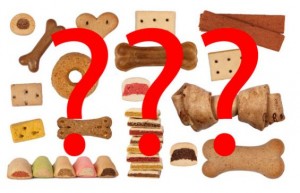
Then you walk into a shop or start looking online and find training treats, natural treats, dental sticks, meat strips, biscuits, chews, calming treats, and products for almost every age, size, and dietary need.
It can quickly become difficult to know what your dog actually needs.
I use treats regularly during one-to-one walks and pet-care visits around Finchley and Muswell Hill. They can help reinforce useful behaviour, make a new experience feel safer and turn part of a meal into a simple enrichment activity.
But the right option depends on the dog, why you are using it, and how much they get during the rest of the day.
This guide will help you choose more confidently without unnecessarily complicating treat time.
Key Takeaways
- Choosing dog treats means understanding your dog’s needs and the treat’s purpose.
- Always read the packet to check suitability, composition, and calorie information.
- Limit treats to around 10% of your dog’s daily calories to maintain a balanced diet.
- Consider size, texture, and the dog’s health when selecting treats for training or other purposes.
- For dogs with allergies or sensitivities, introduce new treats gradually and consult your vet.
Start with the job the treat needs to do
Before comparing ingredients or flavours, ask why you need the treat.
A reward used repeatedly during lead walking needs to be small, soft and quick to eat. A treat placed inside a food toy needs to suit the toy and be easy for your dog to remove. A longer-lasting chew needs to be appropriately sized, safe for your dog’s teeth and given under supervision.
One product does not need to do every job.
For routine training at home, part of your dog’s usual food may be enough. When you are practising something more difficult outside, you may need a higher-value option that holds your dog’s attention.
The dog decides a treat’s value, not its price or packaging.
Read beyond the front of the packet
Words such as “natural”, “premium”, “grain-free”, and “healthy” can sound reassuring, but they don’t tell you whether a treat suits your particular dog.
Turn the packet over and look for the practical information.
In the UK, a pet-food label should tell you whether the product is complete or complementary, which species it is intended for and how it should be fed. Most dog treats are complementary foods. This means they are designed to be offered alongside a balanced diet rather than fed as the dog’s main food.
Check the composition, feeding guidance and calorie information where this is supplied. The number of treats recommended on a packet is a general guide. A small, older or less active dog may need considerably fewer than a large, active dog.
A long list of ingredients is not automatically bad, just as a short list is not automatically good. What matters is whether the ingredients suit your dog and whether the treat fits safely into their overall diet.
Read my guide to How to read UK food labels
Keep an eye on the calories
Treats can add up surprisingly quickly.
A dog may receive something during a walk, another treat when somebody leaves the house, a dental chew after dinner and several extras from different family members. Nobody feels like they have given much, but the combined amount may be significant.
General veterinary guidance is that treats should provide no more than around 10% of a dog’s daily calories. The remaining calories should come from an appropriate, balanced diet.
That does not mean every owner needs to calculate every crumb.
A simple method is to set aside the day’s treat allowance in a small container each morning. Everyone in the household uses treats from that container. When it is empty, the dog has had their allowance.
You can also use some of your dog’s normal food for training or enrichment. This is particularly useful for puppies, smaller dogs and dogs whose weight needs careful management.
If your vet has given you a specific feeding or weight-loss plan, follow that advice rather than relying on a general percentage.
Read how much my dog should eat
Choose the right size and texture
Training treats should usually be small enough to eat quickly.
If your dog needs to stop and chew for a long time after every reward, the training session will slow down and become distracting. You can often divide a soft treat into several tiny pieces, letting you reward more repetitions without giving several full-sized biscuits.
The right size depends on your dog. A piece that is small for a Labrador may be much too large for a Chihuahua.
Texture matters too.
A puppy, senior dog or dog with dental discomfort may find a hard biscuit difficult to manage. A dog that swallows food rapidly may need a different shape or delivery method from a dog that chews carefully.
Watch how your dog eats, rather than assuming a treat is suitable just because the packet shows a similar breed.
Treats for training
Food can be extremely useful in reward-based training. The British Small Animal Veterinary Association supports reward-based methods that can include food, toys, play and praise.
For everyday practice, I normally look for something that is easy to carry, easy to divide and quick for the dog to eat.
For more challenging situations, such as working around distractions or helping a worried dog engage at a safe distance, a more valuable food reward may be helpful. That could be a different commercial treat or a tiny piece of plain food the dog already tolerates.
Higher value doesn’t have to mean larger.
A very small piece of something your dog particularly enjoys can be more useful than a large biscuit that takes a minute to eat.
Treats should help the dog understand which behaviour has been rewarded. Timing matters. Give the reward immediately after the behaviour you want to reinforce rather than reaching for food simply because the dog is becoming impatient.
Dogs with sensitive stomachs or allergies
A treat that suits one dog may cause diarrhoea, vomiting or itching in another.
Introduce new products gradually and avoid opening several new packets at once. Keeping things simple makes it easier to identify which food may have caused a problem.
Single-protein treats can sometimes make ingredient tracking easier, but they are not automatically suitable for every sensitive dog. “Grain-free” is not a diagnosis or a treatment.
Food allergies can cause skin and digestive symptoms, and properly investigating them may require a strict diet organised with your vet. During a veterinary food trial, unapproved treats, dental sticks and table food can interfere with the result.
Dogs with pancreatitis, kidney disease, diabetes, obesity or another medical condition may also need carefully controlled treats.
In those situations, ask your vet or veterinary nurse which products are suitable. Sometimes the safest reward is simply a portion of the prescribed food.
Are natural dog treats better?
Not necessarily.
A dried meat treat made with a single ingredient may suit some dogs very well. It may also be rich, high in calories or unsuitable for a dog with an allergy to that protein.
The word “natural” does not tell you how many calories a treat contains, how hard it is, whether it is suitable for a puppy or how much should be fed.
I would choose according to the individual product rather than the marketing category.
Look at the size, texture, composition and feeding information. Then consider your dog’s age, weight, health, chewing style and normal diet.
Choosing chews safely
Chewing can be enjoyable, but harder does not mean better.
Bones, whether cooked or uncooked, can damage teeth, become lodged, cause injuries and blockages in the digestive system, and lead to infections. PDSA advises against feeding bones as treats.
Antlers, hooves and very hard nylon products can also cause tooth fractures. Veterinary dental guidance recommends avoiding chews that do not bend or give under pressure.
Choose a product intended for dogs and appropriate for your dog’s size. Supervise them, remove small end pieces and check the chew regularly for sharp edges or damage.
Don’t use a chew simply to keep a dog occupied for hours without supervision.
What about dental treats?
Some dental products may help reduce plaque or tartar, but not every product described as “dental” has the same supporting evidence.
The Veterinary Oral Health Council awards its seal to products that meet its standards for plaque or tartar control. Looking for that seal can be a useful starting point when comparing dental treats.
Dental treats still contain calories and do not replace appropriate toothbrushing or veterinary dental care.
If your dog has bad breath, bleeding gums, difficulty eating, begins dropping food or suddenly avoids harder treats, arrange a veterinary check rather than trying a harder dental chew.
Can I use human food as a treat?
Sometimes, but keep it plain and simple.
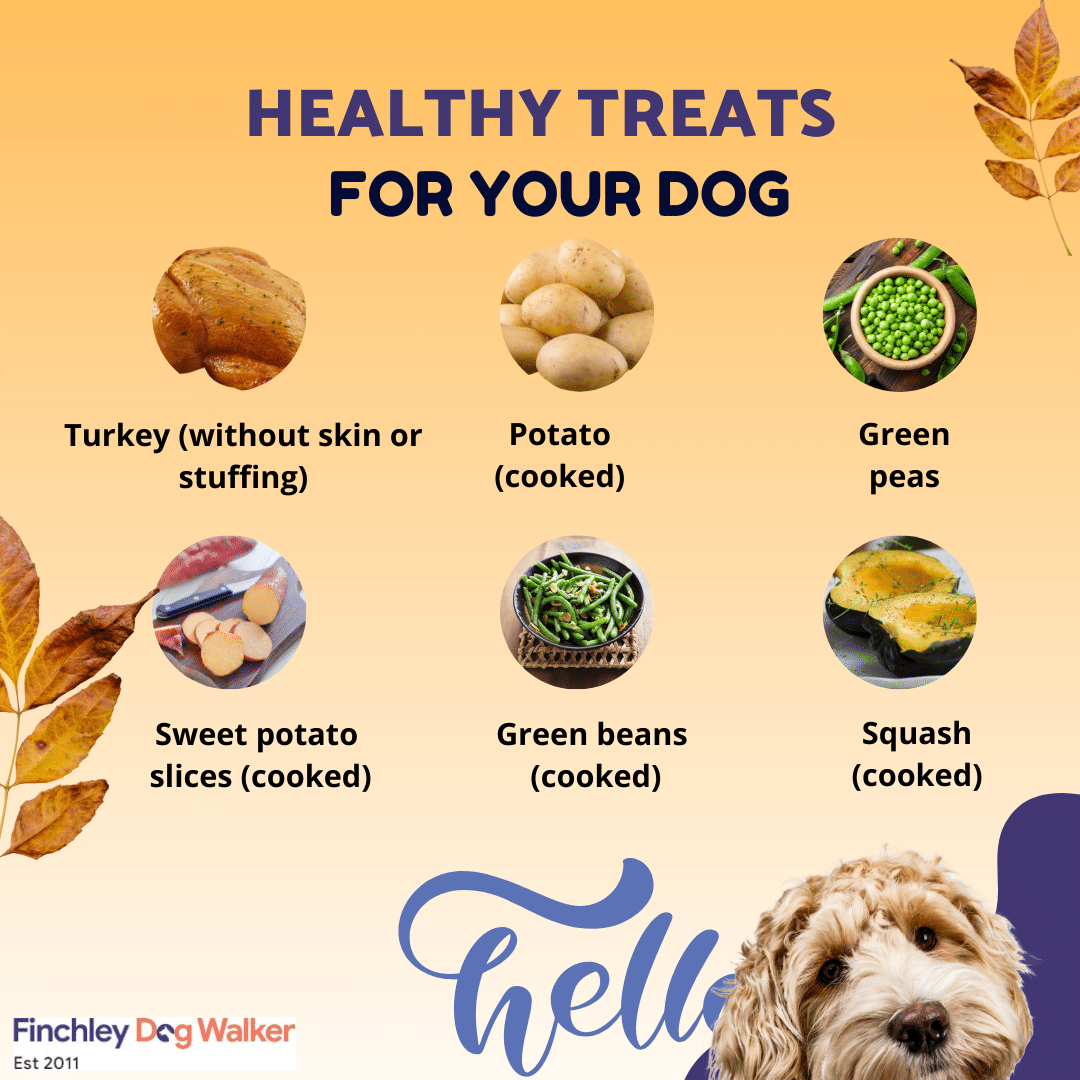
Tiny pieces of plain, unseasoned cooked chicken, turkey or fish may work for dogs that tolerate those foods. Part of the dog’s usual meal is often an even easier option.
Avoid sharing rich, fatty or heavily seasoned food. Something that seems like a tiny portion to a person can be a large extra for a small dog.
Peanut butter is sometimes used in food toys, but check the label carefully. Some products contain xylitol, which is highly toxic to dogs.
Do not assume that a food is safe simply because it is safe for people.
Read my guide on toxic food for dogs
Foods that must be kept away from dogs
Chocolate, grapes, raisins, onions, garlic, leeks and products containing xylitol can be dangerous to dogs. Bones can also cause serious injuries or blockages.
If your dog eats something potentially harmful, contact your veterinary practice immediately. Do not wait for symptoms and do not try to make your dog vomit unless a veterinary professional specifically tells you to do so.
UK owners can also contact Animal PoisonLine on 01202 509000. It is a specialist, fee-charging service available 24 hours a day.
Keep the packet or ingredient information available so you can explain exactly what your dog may have eaten and how much is missing.
Puppies and treats
Puppies often receive many rewards while learning about toilet training, handling, recall, and everyday life.
Use very small pieces and count them toward the puppy’s daily food intake. Their main puppy food must provide the nutrition required for growth, so treats should not replace a significant part of it.
Choose something easy to eat and suitable for the puppy’s age. Avoid extremely hard chews that may damage developing teeth.
Puppies also need a great deal of sleep. They do not need to be kept constantly occupied with food puzzles and chews.
Older dogs and treats
An older dog may still enjoy treats, but their needs can change.
They may be less active, require fewer calories or find hard products uncomfortable. Dental disease, reduced appetite and medical conditions can also affect what is appropriate.
Softer pieces or part of the dog’s normal food may be easier to manage.
A sudden reluctance to eat a treat the dog previously enjoyed should not automatically be dismissed as fussiness. Slower chewing, dropping food and avoiding hard treats can be signs of dental pain.
Using treats for enrichment
Offer treats through a suitable food toy, a scatter activity, a snuffle mat, or a simple scent game.
This changes how the food is delivered, but it does not make the calories disappear.
Use part of the dog’s normal meal where possible and keep the activity achievable. Enrichment should allow the dog to sniff, lick, search or solve a manageable problem. It should not leave them frantic or frustrated.
For a nervous dog, a quiet search activity may be more helpful than an elaborate puzzle.
My simple treat checklist
Before giving a new treat, I ask:
Is it suitable for this dog’s age, size and health?
Is the texture safe for their teeth and chewing style?
Can it be divided into smaller pieces?
How many calories will it add?
Does it contain anything the dog needs to avoid?
Will I be able to supervise them?
What is the treat being used to achieve?
If those questions have straightforward answers, the choice is usually much easier.
Final thoughts
The best dog treat is not necessarily the most expensive, the most natural-looking or the one with the cleverest packaging.
It is one that is safe, suitable for the individual dog and used for a clear reason.
Keep portions small. Count treats as part of the daily diet. Be cautious with very hard chews, and ask your vet for guidance if your dog has allergies, digestive problems, dental concerns, or a medical diet.
Most importantly, watch your dog.
Their weight, digestion, comfort and behaviour will tell you much more than the front of a packet.
I provide calm, one-to-one dog walking and in-home pet care in Finchley, Muswell Hill and nearby areas. If your dog needs individual walks, puppy visits or support with a calmer routine, send me a message with your postcode and a little information about your dog.
This guide provides general information and does not replace advice from your veterinary practice.


