

Cat Care Advice in Finchley
Calm, practical help for cats and the people caring for them
Cats often seem easy from the outside.
They sleep a lot.
They disappear when they want to.
They can look independent.
But cat care is not always simple.
Cats usually notice change more than people expect.
A different routine, a strange visitor, time away from home, or a noisy week can all affect how they eat, sleep and behave.
This page brings together my cat care advice, cat-sitting support, and useful guides in one place, so you can work out what may suit your cat best.
Who this page is for
This page is for you if your cat:
- is happiest staying at home
- relies on routine
- would find a cattery stressful
- is shy or slow to trust
- needs feeding, medication or regular checks while you are away
- lives in a multi-cat household
- seems unsettled by change
It is also for you if you are simply unsure which kind of cat care would suit your household.
That is very common.
What cats often need most
Many cats do not need more stimulation.
They need fewer disruptions.
That usually means:
- familiar surroundings
- steady routines
- quiet, low-pressure care
- visits that work around the cat, not against them
- less travel and less upheaval
For many cats, keeping things simple works best.
Cat sitting in Finchley
If you need direct support while you are away, this is the main page to start with:
This is the page to read if your cat:
- would be better staying at home
- needs regular feeding and checks
- prefers quiet, in-home visits
- is older, shy or more routine-driven
- lives in a household with more than one cat
Cat sitting or cattery?
This is one of the biggest questions cat owners ask.
Some cats cope fine in a cattery.
Many do not.
Because cats are usually strongly attached to their own environment, staying at home is often the calmer option.
If you are comparing the two, start here:
→ Is Cat Sitting Better Than a Cattery
How often should a cat sitter visit?
Not every cat needs the same setup.
Some cats are fine with one visit a day.
Others benefit from two visits, especially if they:
- need medication
- are older
- are very social
- are used to more interaction
- are more sensitive to change
If you are unsure, this guide is the best next step:
→ How Often Should a Cat Sitter Visit
Getting ready for time away
A little preparation makes everything easier.
Before you go away, it helps to leave:
- feeding instructions
- litter routine notes
- medication details if needed
- emergency contact information
- vet details
- any notes about behaviour or preferences
These pages may help with that:
Different cats need different handling
Every cat is different.
Some are:
- confident
- curious
- social
- happy to see a visitor
Others are:
- shy
- wary
- very independent
- more comfortable watching from a distance
Neither is a problem.
The important thing is matching the care to the cat.
That means not expecting every cat to want to be fussed over, played with, or to have close contact.
For many cats, calm visits and routine matter far more.
Cats and routine changes
Cats often notice changes in routine before owners realise how much they matter.
That can include:
- school holidays
- visitors
- time away
- fireworks
- warmer weather
- changes to feeding times
- changes in who is at home
If your cat tends to get unsettled when life changes, these pages may help too:
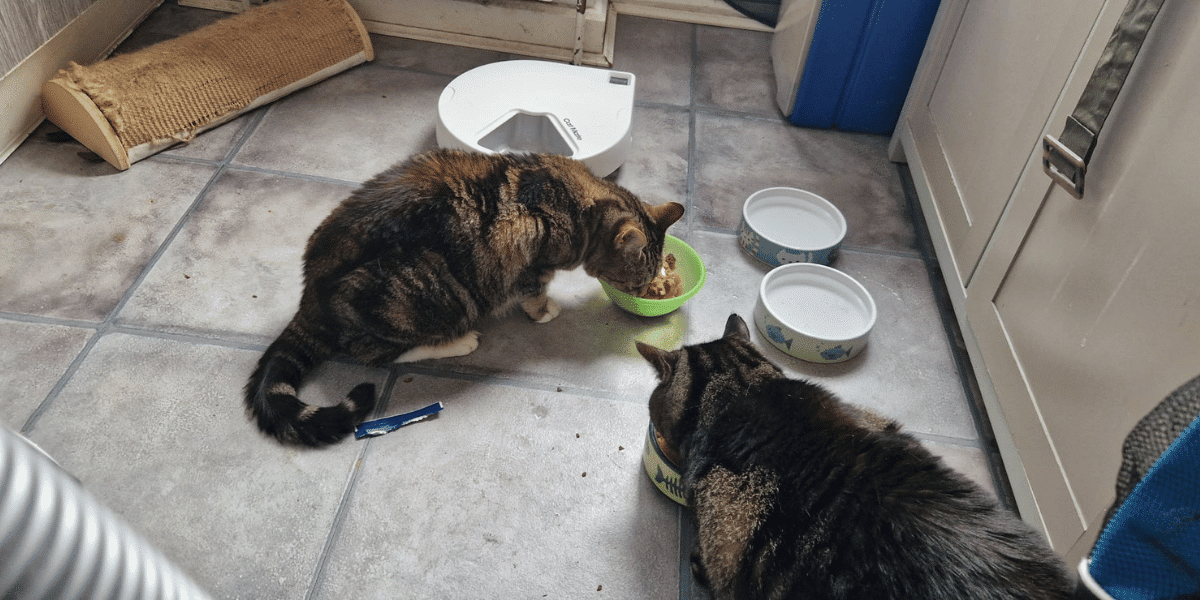
Multi-cat households
If you have more than one cat, caring for them often requires a bit more thought.
That may mean:
- separate feeding routines
- different temperaments
- different litter needs
- one cat who hides while another wants attention
- making sure each cat is checked properly
Multi-cat homes can work very well with in-home visits, but they do need care that pays attention to the individual cats, not just the household as a whole.
Cats and mixed-pet households
Some homes have:
- cats and dogs
- cats and rabbits
- cats and guinea pigs
- several different routines happening at once
That is one reason the wider stay-at-home care side of the site matters.
If you have a mixed household, these pages may help too:
What I would focus on first
If you are trying to make life easier for your cat, I would usually focus on:
- routine
- calm care
- keeping things familiar
- avoiding unnecessary change
- planning ahead before trips
- choosing the least disruptive option
That usually helps more than buying lots of things or changing too much at once.
What I would avoid
I would usually avoid:
- changing your cat’s setup just before you go away
- assuming all cats cope the same way
- forcing interaction
- making last-minute care arrangements if it can be avoided
- moving a cat unless there is a good reason
- turning a simple routine into something complicated
For most cats, less disruption is usually better.
Related cat care guides
If you want to explore the cat side of the site properly, start with these:
- → Cat Sitting Page
- → Is Cat Sitting Better Than a Cattery
- → How Often Should a Cat Sitter Visit?
- → Cat Sitting Kit
- → What to Leave for Your Cat Sitter
- → Summer cat safety
- → Dog & Cat Care Guides
Quick checklist
If you want to keep things simple, start here:
- keep care at home if possible
- keep feeding and litter routines steady
- plan care before your trip
- choose calm, low-pressure visits
- leave clear notes
- avoid changing too much at once
That is often enough to make things easier.
If you are not sure what your cat needs
A lot of cat owners are unsure about when to plan time away or what their cat will cope with best.
That is completely normal.
If you want a calmer, simpler approach to cat care in Finchley, feel free to get in touch.
I am happy to talk things through and help you work out what would suit your cat best.
Frequently asked questions
For many cats, yes. Staying at home often means less change, less stress and a more familiar routine.
That depends on the cat. Some are fine with one visit a day, while others do better with two.
No. Some want interaction. Others prefer a quiet, low-pressure visit. Both are normal.
Yes. Multi-cat households can often be managed very well with calm, structured visits.
Often yes. Shy cats usually cope better when they stay in familiar surroundings and are not forced into too much change.
Food, litter supplies, feeding notes, medication details if needed, emergency contacts and vet details.
Final thoughts
Cat care does not need to be complicated.
For many cats, the best setup is the one that keeps life feeling as normal as possible.
That usually means familiar surroundings, steady routine and calm, low-pressure care.