Updated July 2026
If you are planning a holiday, you may be wondering whether your Cat should stay in a cattery or remain at home with a cat sitter.
There is no single arrangement that suits every Cat.
A well-run cattery can provide secure, professional care. Some confident cats settle perfectly well, particularly if they have stayed there before.
However, many cats would choose to remain at home if they could.
Cats are strongly connected to their territory, familiar smells and daily routines. Taking them to a cattery means changing all three at once.
Home cat sitting allows them to sleep in their usual places, eat from their normal bowls and continue the routines that help them feel secure.
For nervous cats, older cats, rescue cats and cats that dislike travelling, this can make a considerable difference.
You can also explore my Cat Care Advice Hub or read about my Cat Sitting in Finchley.
This guide provides general information and does not replace veterinary advice. Speak to your vet if your Cat has medical, behavioural or medication needs that could affect their holiday care.
The quick answer
Many cats prefer staying at home because it allows them to keep:
- their familiar territory
- their normal feeding routine
- their favourite sleeping places
- familiar household smells
- access to usual hiding places
- their normal litter tray
- their normal pattern of rest and activity
Home care also avoids the carrier journey and the unfamiliar sounds, smells and nearby animals found in a boarding environment.
This does not mean that every cattery is stressful or unsuitable.
It means the best decision should be based on the individual Cat, rather than simply choosing the most convenient option.
Table of contents
- The quick answer
- Why home matters so much to cats
- Familiar smells help cats feel secure
- Cats rely on predictable routines.
- Travelling can be stressful
- Catteries contain unfamiliar sounds and smells
- Staying home gives cats more choice.
- Familiar sleeping and hiding places matter
- Which cats are most likely to prefer staying home?
- Staying home does not mean being left alone.
- What a professional cat sitter should do
- When might a cattery be the better choice?
- Cat sitter or cattery comparison
- Preparing your Cat for home visits
- Choosing a reliable cat sitter
- What happens when you return?
- Frequently asked questions
- Do cats really prefer staying at home?
- Is a cattery always stressful for cats?
- Is a cat sitter better than a cattery?
- Will my Cat become lonely at home?
- How often should somebody visit my Cat?
- Can I leave my Cat with an automatic feeder?
- Should my Cat be allowed outside while I am away?
- What if my Cat hides from the sitter?
- Will my Cat forget me while I am away?
- Cat sitting in Finchley and nearby areas.
- Related cat-care guides
- Independent advice
- Disclaimer
Why home matters so much to cats
People often describe cats as independent.
That can be true, but independence does not mean they are unaffected by change.
A cat’s home is not simply the building where their food happens to be stored. It is their territory.
Your Cat knows:
- which rooms feel safe
- where sunlight falls during the afternoon
- which windows provide the best view
- where they can hide without being disturbed
- which doors make particular sounds
- where their food and water normally appear
- which parts of the home belong to them
- where they can retreat when something worries them
These familiar details create predictability.
Even an indoor cat may patrol the same rooms, check the same windows and sleep in the same places every day.
Moving to a cattery temporarily removes that familiar territory. Your Cat must then assess a completely new environment while also dealing with the absence of their usual people.
Cats Protection explains that cats can become stressed and disorientated in unfamiliar environments without the familiar smells of their home territory. (Cats Protection)
Familiar smells help cats feel secure
Scent plays an important part in how cats understand their surroundings.
Cats leave their scent around the home when they:
- rub their face against furniture
- brush against doorframes
- sleep on bedding
- use scratching posts
- walk through familiar rooms
- rest on sofas and chairs
These scent marks help make the home smell familiar and safe.
A cattery contains different smells.
Even when cats are housed separately, they may still detect:
- unfamiliar cats
- cleaning products
- different bedding
- unfamiliar people
- food being prepared nearby
- recently occupied pens
A reputable cattery will work hard to keep accommodation clean and comfortable. However, it cannot recreate the exact scent profile of your Cat’s home.
Familiar bedding can help a cat settle in a cattery, but it is only one familiar object inside an otherwise unfamiliar environment.
At home, almost everything already smells right.
Cats rely on predictable routines.
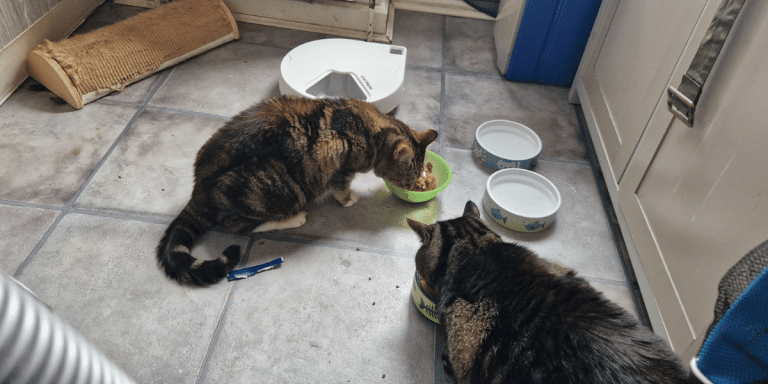
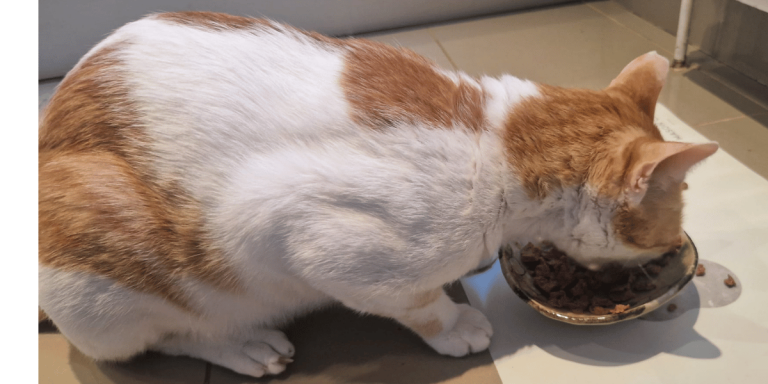
Many cats seem to know the precise time breakfast or dinner should appear.
They may wait in the kitchen, sit beside a cupboard or begin following you around before feeding time.
Their routine may also include:
- sleeping on your bed after breakfast
- watching birds from a particular window
- going into the garden at a usual time
- receiving medication with food
- having the litter tray cleaned after dinner
- sitting beside you during the evening
- playing before bedtime
A cattery will have its own care routine. A good cattery should ask about your Cat’s food, health and normal habits, but it may not be possible to reproduce every detail exactly.
With home visits, a sitter can follow your existing routine much more closely.
Food can be served in the usual place.
The same litter can be used.
Medication can be linked to familiar parts of the day.
Curtains can be opened and closed as normal.
Your Cat can continue choosing where to sleep, hide and watch the world.
The RSPCA advises giving carers details of a pet’s normal routine and maintaining it as much as possible.
Travelling can be stressful
Before a cat reaches a cattery, they normally need to:
- Be placed in a carrier.
- Leave their home.
- Travel by car or taxi.
- Arrive somewhere unfamiliar.
- Be handled or transferred into new accommodation.
Some cats tolerate this well.
Others begin hiding as soon as the carrier appears.
A cat that dislikes travelling may:
- vocalise continuously
- pant or drool
- urinate or defecate in the carrier
- scratch at the carrier door
- freeze and remain very still
- refuse treats
- become defensive when handled
Using home cat care removes the boarding journey altogether.
The carrier can remain safely stored but accessible in case the sitter needs it during an emergency.
Catteries contain unfamiliar sounds and smells
A good cattery should be designed to reduce contact and stress between cats.
Even so, your Cat may hear or smell other animals.
They may notice:
- cats vocalising
- doors opening and closing
- feeding equipment
- cleaning routines
- unfamiliar footsteps
- vehicles arriving
- staff talking
- movement in nearby pens
A confident cat may investigate these changes and settle after a short adjustment period.
A nervous cat may spend much of the stay hiding.
Cats Protection notes that some stress is normal in a cattery because it is a new environment containing different sights, sounds and smells. Possible signs include hiding, eating less, changes in grooming, and unusual behaviour.
At home, the main change is that somebody different arrives to provide care.
The wider environment remains familiar.
Staying home gives cats more choice.
Choice can be particularly important for nervous cats.
At home, your Cat can decide whether they want to:
- greet the sitter
- watch from the stairs
- remain underneath the bed
- sit in the same room without being touched
- play with a toy
- receive gentle attention
- go back to sleep
A calm sitter should not expect every Cat to appear for photographs or cuddles.
Some cats wait at the door.
Others observe from a safe distance.
Some remain hidden throughout the visit.
That does not mean the visit has failed.
The sitter can still check that food has been eaten, litter trays have been used, ed and the home remains secure. They can also look for the Cat without pulling them out of their safe space.
Forced interaction can make a worried cat feel less secure.
My approach is to work at the Cat’s pace. Attention is offered, not imposed.
Familiar sleeping and hiding places matter
Cats often have several different resting places.
One may be used during the morning.
Another becomes warmer during the afternoon.
A third provides somewhere quiet when the house becomes busy.
Your Cat may normally sleep:
- on your bed
- behind the sofa
- inside a wardrobe
- on a particular chair
- underneath a table
- on a windowsill
- inside a cardboard box
- on top of a cupboard
- beside a radiator
These are not always random choices.
Some places provide warmth. Others provide height, shelter, quiet or a good view of the room.
Remaining at home allows your Cat to continue using the places they already trust.
This may be especially reassuring when you are temporarily absent.
Which cats are most likely to prefer staying home?
Home cat sitting can suit many cats, but it may be particularly helpful for the following groups.
Nervous or shy cats
A nervous cat may take several days to become comfortable in a new environment.
By the time they begin to settle into a cattery, it may nearly be time to come home again.
Home visits remove the need for that environmental adjustment.
Rescue cats
Some rescue cats have already experienced several changes of home, unfamiliar handling or periods in temporary accommodation.
Once they have established a safe territory, avoiding unnecessary moves may help preserve their confidence.
Older cats
Older cats often value routine.
They may also have:
- reduced mobility
- arthritis
- medication schedules
- particular feeding needs
- reduced hearing or eyesight
- established sleeping habits
Familiar surroundings can make everyday movement easier.
Indoor cats
An indoor cat’s entire territory exists within the home.
Moving them to a cattery temporarily removes them from all the places and resources they normally use.
Cats that dislike carriers or car journeys
For some cats, the journey is one of the most stressful parts of boarding.
Home visits avoid unnecessary travel.
Cats with strict feeding routines
Cats that eat several small meals, require prescription diets or need food prepared in a particular way may benefit from personalised visits.
Multi-cat households
Moving several cats can involve multiple carriers, separate boarding spaces and considerable disruption.
Keeping them at home allows an established household to remain together.
However, the sitter still needs to understand:
- which Cat eats which food
- whether they should be fed separately
- how many litter trays are used
- whether one Cat tends to steal food
- where each Cat usually hides
- how the cats interact
Mixed-pet households
A household containing cats, rabbits, guinea pigs or other small pets may benefit from one joined-up home-care arrangement.
You may also find my guide to house sitting for multi-pet households useful.
Staying home does not mean being left alone.
There is an important difference between home cat sitting and simply leaving several bowls of food on the floor.
Cats still need regular care.
A visit allows someone to check:
- whether your Cat has eaten
- whether fresh water is available
- whether the litter tray is being used normally
- whether your Cat has vomited
- whether medication has been taken
- whether your Cat appears injured or unwell
- whether the room is too hot or cold
- whether doors and windows remain secure
- whether an automatic feeder has worked
- whether anything unusual has happened in the home
Cats Protection recommends that a cat sitter visits at least twice a day while an owner is away. Kittens, elderly cats and cats with medical needs may require more frequent care.
Read How Often Should a Cat Sitter Visit? for a more detailed explanation.
Cameras, water fountains and automatic feeders can provide useful support.
They do not replace physical visits.
A camera cannot clean a litter tray, replace spilt water or take an unwell cat to the vet.
What a professional cat sitter should do
Cat sitting should involve more than filling a food bowl and leaving.
The exact visit should reflect the individual Cat, but it may include:
- preparing food as instructed
- washing food bowls
- refreshing water
- checking water fountains
- cleaning litter trays
- disposing of litter safely
- giving agreed medication
- checking the Cat’s general behaviour
- checking for vomit, diarrhoea or accidents
- spending time with sociable cats
- providing suitable play
- offering calm company
- checking doors, windows and cat flaps
- bringing in post
- adjusting curtains or lights
- sending an update and photograph
- contacting the owner when something is not right
A sitter should know what is normal for your Cat.
For example, hiding may be normal for one Cat but a significant change for another.
Eating slowly may be typical.
Refusing food completely may need prompt attention.
These details should be discussed before you leave.
When might a cattery be the better choice?
This article explains why many cats prefer home, but cat sitting is not automatically the correct choice in every situation.
A cattery may be more appropriate when:
- reliable home visits cannot be arranged
- your Cat has stayed in the cattery before and settled well
- your Cat needs a level of monitoring that cannot be provided through visits
- your home will be inaccessible during building work
- your property cannot be kept secure
- your Cat requires specialist boarding care
- you are uncomfortable allowing somebody access to your home
- severe weather or another local problem could make visits unreliable
Some owners also feel more comfortable knowing that staff are present on site for much of the day.
When choosing a cattery, visit it before booking.
Ask about:
- its current local-authority licence
- insurance
- vaccination requirements
- staffing
- emergency procedures
- veterinary arrangements
- heating and ventilation
- hiding places
- separation between cats
- cleaning routines
- feeding arrangements
- medication
- how often cats are physically checked
- what happens overnight
The RSPCA recommends checking licensing, insurance, facilities, monitoring, staffing and vaccination procedures before selecting a boarding establishment. (RSPCA)
Cat sitter or cattery comparison
| Consideration | Cat sitting at home | Boarding cattery |
|---|---|---|
| Territory | Cat remains in familiar territory | Cat moves to unfamiliar accommodation |
| Travel | Usually no travel required | Carrier and vehicle journey required |
| Routine | Can closely follow the normal routine | Must fit within the cattery’s wider routine |
| Familiar smells | Home smells remain unchanged | Mostly unfamiliar smells |
| Sleeping places | Cat chooses usual sleeping places | Sleeping options depend on the pen |
| Other cats | No additional cats introduced into the environment | Other cats may be heard or smelled |
| Individual attention | Visit is focused on your household | Staff divide attention between boarders |
| Supervision | Provided during scheduled visits | Staff may be present for longer periods |
| Home security | Sitter can check the property | Home remains unoccupied |
| Multi-pet homes | Pets can often remain together | Different animals may require separate arrangements |
| Best suited to | Routine-based, nervous, older and travel-sensitive cats | Confident cats with positive boarding experience |
| Emergency access | Sitter needs clear instructions and carrier access | Boarding staff follow their emergency procedure |
Neither column is automatically better in every circumstance.
The question is which arrangement best matches your Cat.
Preparing your Cat for home visits
Good preparation helps a sitter maintain your Cat’s routine.
Before leaving, provide written information covering:
- feeding times
- food quantities
- food storage
- water-bowl locations
- litter arrangements
- medication
- normal behaviour
- favourite hiding places
- sleeping places
- play preferences
- grooming
- outdoor access
- cat-flap settings
- rooms that must remain closed
- doors or windows that require extra care
- your vet’s details
- your emergency contact
- your travel contact details
- where the carrier is stored
- how photographs and updates should be sent
Leave more food, litter and medication than you expect to need.
Travel delays happen.
Avoid changing food, litter or equipment immediately before your holiday unless your vet has advised you to do so.
You can use my complete What to Leave for Your Cat Sitter checklist.
For summer trips, also read the Summer Cat-Sitting Checklist.
Choosing a reliable cat sitter
You are trusting somebody with both your Cat and your home.
Arrange a meeting before the booking whenever possible.
Ask the sitter about:
- their experience with cats
- insurance
- DBS checks
- references or reviews
- medication experience
- emergency procedures
- key security
- how they store your personal information
- what happens if they become ill
- how visits are recorded
- how they will contact you
- whether they understand nervous-cat behaviour
The sitter should also ask you questions.
Be cautious if someone accepts a booking without asking about:
- food
- litter
- health
- medication
- behaviour
- outdoor access
- emergency contacts
- your vet
- access to the carrier
The RSPCA recommends meeting a pet sitter beforehand, checking references, asking about insurance and arranging introductory contact before going away.
What happens when you return?
Some cats greet their owners immediately.
Others act as though nothing has happened.
A few may seem unusually affectionate, energetic or aloof for a short period.
Give your cat time to return to their normal rhythm.
Try to resume usual:
- feeding times
- sleeping routines
- outdoor access
- play
- medication
- litter cleaning
Contact your vet if your Cat continues to:
- refuse food
- hide much more than usual
- vomit repeatedly
- have diarrhoea
- struggle to urinate
- behave unusually
- appear weak or unwell
Frequently asked questions
Do cats really prefer staying at home?
Many do.
Cats are territorial and often feel secure around familiar smells, resources and routines.
However, every Cat is different. Some confident cats cope very well in a reputable cattery.
Is a cattery always stressful for cats?
No.
Some cats settle quickly, particularly if they have stayed there before.
Others find the journey, unfamiliar accommodation and presence of other cats difficult.
Your Cat’s previous behaviour and temperament should guide the decision.
Is a cat sitter better than a cattery?
For a nervous, older, rescue or routine-based Cat, home visits are often the calmer option.
A cattery may be better when home visits cannot be arranged reliably or when a cat already has a positive relationship with a particular boarding establishment.
Will my Cat become lonely at home?
Cats vary considerably.
Some spend much of the day sleeping and are content with regular visits.
Others are highly sociable and need more interaction.
Read Can Cats Get Lonely? for a fuller explanation.
How often should somebody visit my Cat?
Cats Protection recommends at least two visits each day while you are away.
Kittens, elderly cats and cats requiring medication or closer monitoring may need more frequent care.
Can I leave my Cat with an automatic feeder?
An automatic feeder can support an agreed care plan, but it should not replace physical welfare visits.
Feeders can jam, batteries can fail, il and cats can become ill unexpectedly.
Should my Cat be allowed outside while I am away?
This depends on your Cat, your home and the care arrangement.
Outdoor access increases the possibility that your Cat may not be present when the sitter arrives.
Discuss cat-flap settings, curfews and what the sitter should do if your Cat does not return as expected.
What if my Cat hides from the sitter?
Hiding is common, particularly during the first few visits.
A sitter should not drag a nervous cat from their hiding place.
They can discreetly check usual hiding spots, look for evidence that the Cat is eating and using the litter tray, and give the cat space to approach when the Cat is ready.
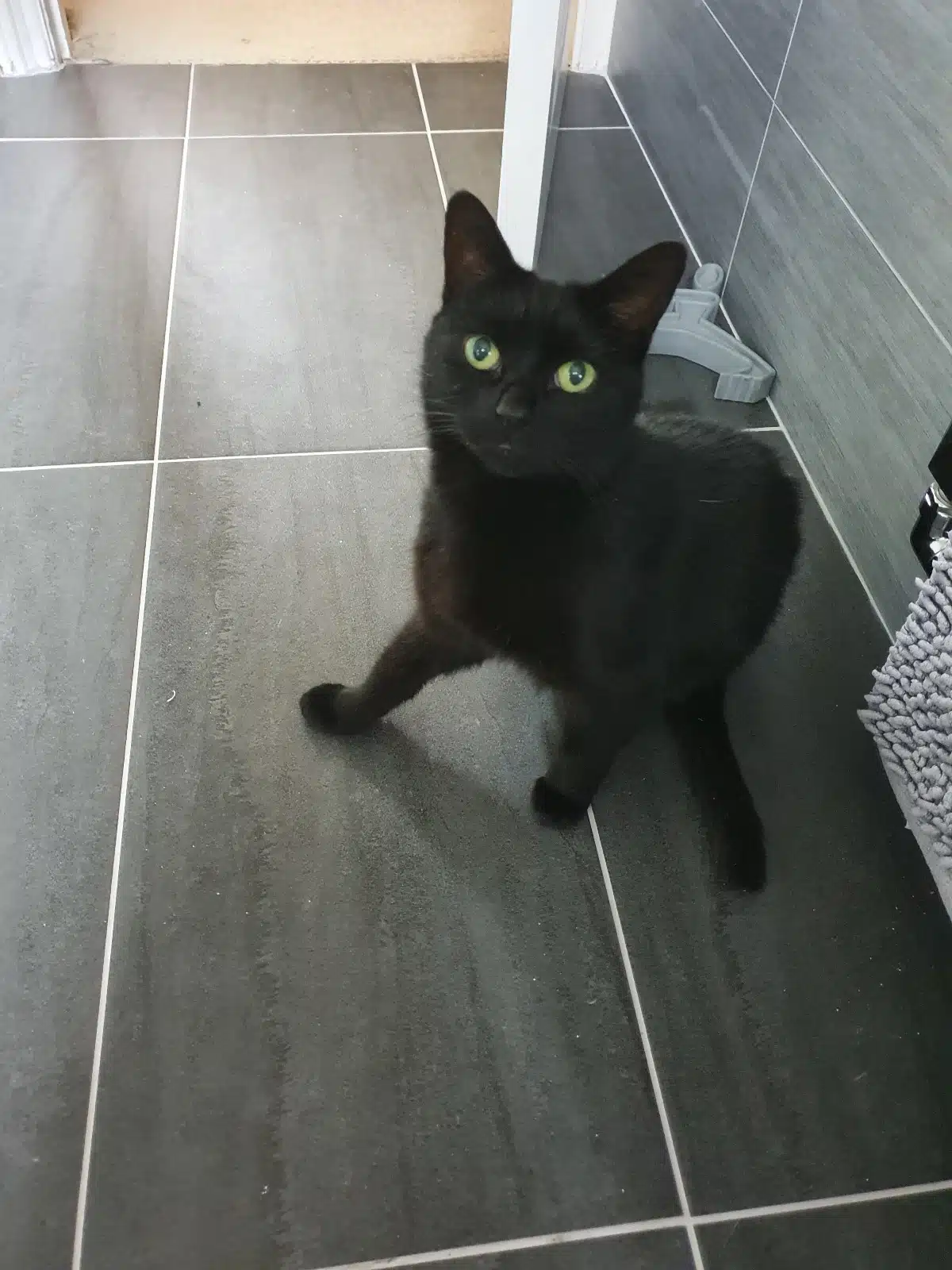
A calm cat sitter can help with nervous cats
Will my Cat forget me while I am away?
No.
Your Cat may notice the change in routine, but they will still recognise your scent, voice and familiar behaviour when you return.
Cat sitting in Finchley and nearby areas.
I provide calm, in-home cat-sitting visits in Finchley, North Finchley, East Finchley, Finchley Central, Muswell Hill and nearby parts of North London where practical.
My visits can include:
- feeding
- fresh water
- litter-tray care
- medication where agreed
- play and enrichment
- quiet company
- general welfare observations
- photographs and updates
- basic home checks
I have worked professionally with animals since 2011.
I also spent 18 years working in an office where I helped care for the company cats, including Devon Rex, Siamese and Sphynx cats.
Some cats meet me at the door.
Others watch from the stairs.
A few disappear underneath the bed and wait for me to leave.
All of those responses are fine.
My job is to care for the individual Cat in front of me, not force interaction.
Read more about Cat Sitting in Finchley or contact Del to discuss your Cat’s routine.
Related cat-care guides
- Cat Care Advice Hub
- What Your Cat Does While You’re on Holiday
- How Often Should a Cat Sitter Visit?
- Leaving Cats Alone Overnight
- What to Leave for Your Cat Sitter
- Summer Cat-Sitting Checklist
- Cat Sitting Services: Frequently Asked Questions
Independent advice
For further independent guidance, visit:
- Cats Protection: Caring for Your Cat When You Go on Holiday
- Cats Protection: Preparing Your Cat for a Cattery Stay
- RSPCA: Choosing Holiday Care and Pet Sitters
Disclaimer
This article provides general cat-care information and does not replace advice from your veterinary surgeon.
Every Cat is different. Speak to your vet before travelling if your Cat has a medical condition, requires medication, has recently been unwell or has significant behavioural needs.