
Hot Cross Buns, Chocolate, and What I Actually Watch For on Walks
Easter brings a lot of food into the house that dogs should not be eating.
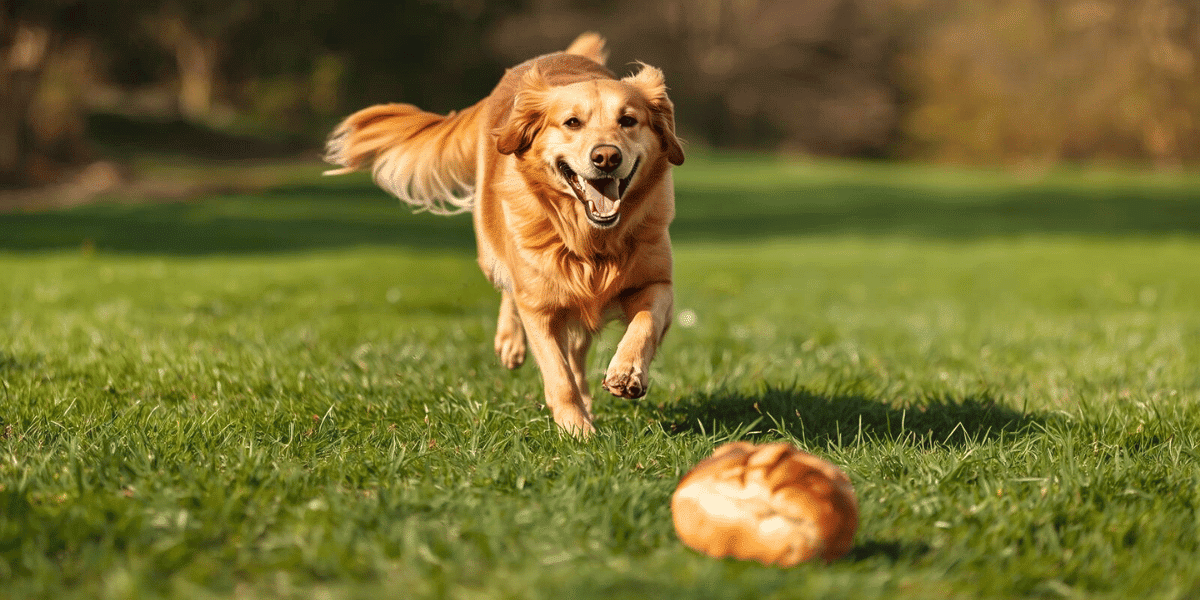
Hot cross buns are one of the biggest risks I see this time of year. They are everywhere. Parks, benches, dropped on pavements, half eaten in woods.
I have picked up more raisins off the ground in Cherry Tree Wood and along Parkland Walk than I can count.
This page is a practical guide.
What to watch for
What I carry on walks
What actually helps
And what I recommend if you want to be prepared
It is also where I will link to items I use or suggest when they genuinely make life easier.
Why Hot Cross Buns Are Dangerous for Dogs
Hot cross buns contain raisins or sultanas.
These are toxic to dogs.
The problem is that even small amounts can cause serious illness. There is no clear “safe amount”.
Some dogs show no signs at first. Others become unwell within hours.
I have had clients message me after their dog picked one up on a walk and swallowed it before they could react. It happens fast.
What raisins can do
• vomiting
• lethargy
• loss of appetite
• kidney damage
This is not something to monitor at home.
If your dog eats raisins, call your vet straight away.
For clear veterinary guidance, the PDSA has a helpful page on toxic foods for dogs.
Other Easter Foods to Watch Out For
Hot cross buns are the main ones. But they are not the only risk – many of these are all year-round and can be found on my toxic food list.
Chocolate
Contains theobromine. Toxic to dogs.
Dark chocolate with high cocoa content is the most dangerous.
Simnel cake and fruit cake
Also packed with raisins and dried fruit.
Foil wrappers
Dogs will eat them. I have seen it more than once.
Leftovers in parks
This is the one people forget.
I regularly see:
• half eaten buns
• chocolate wrappers
• picnic scraps
• chicken bones
Especially around Highgate Woods and Cherry Tree Woods on busy weekends.
Real Walk Situations I See Every Easter
This is where theory meets reality.
Dogs do not politely inspect food. They grab it.
Fast.
I have had to:
• body block a Labrador going for a dropped bun
• pull a spaniel off a pile of picnic scraps
• remove foil from a dog’s mouth mid-chew
• persuade a dog with a very high value treat to drop chicken bones – anyone with a dog will know this is not an easy task
You do not get much warning.
That is why prevention matters more than reaction.
What I Use and Recommend on Walks
This is not about buying loads of gear.
It is about having a few things that actually help.
A Proper Long Line
If your dog scavenges or is still learning recall, a long line gives you control without taking away their freedom.
I use them a lot with rescue and nervous dogs.
They let dogs sniff and explore, but you can step in quickly.
Waterproof, easy to clean longline from Amazon
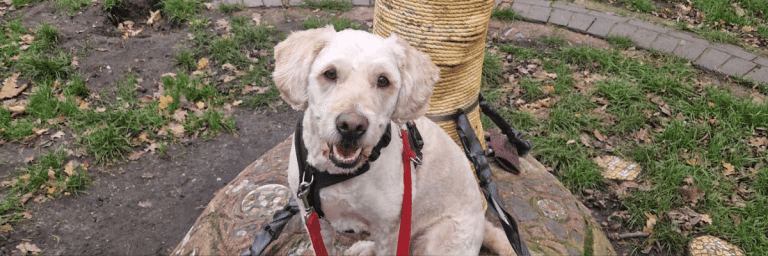
A Well-Fitted Harness
I avoid neck pressure.
A good harness gives you better control, especially if you need to stop a sudden lunge towards food.
High-Value Treats
You need something better than what is on the ground.
If your dog thinks your food is boring, they will ignore you.
I use:
• sprats – these very smelly little fish are usually king of treats
• soft, smelly treats
• small pieces of cut-up sausage or chicken
Theat Pouch
Sounds simple, but it matters.
If you are fumbling in your pockets, you are too slow.
Timing is everything.
A silicon pouch is the best way. One pouch from Amazon that holds 2 cups of kibble, your phone and poo bags and comes with a belt is the Mighty Paw treat Pouch
5. Basket Muzzle (When Appropriate)
This is not for every dog.
But for dogs with strong scavenging habits, it can be a game-changer.
A properly fitted basket muzzle allows:
• panting
• drinking
• taking treats
But prevents picking up food.
I have used these with a few dogs, prioritising safety while we worked on training.
Recommended basket muzzle from Amazon
Training That Actually Helps
Equipment helps. Training matters more.
Teach a solid “leave it”
Start at home.
Build up slowly.
Then take it outside.
If you need help with training, then look for a recognised trainer at IMDT
Reward checking in
If your dog looks at you instead of the ground, reward it.
Make yourself more interesting than the environment.
Manage the environment
Avoid busy picnic areas during peak times.
Early mornings in places like Coldfall Woods are much calmer.
My guide on environmental risks for dogs provides more info on things to avoid
Do not rely on shouting
By the time you shout, the food is already gone.
You need habits, not reactions.
Signs Your Dog Has Eaten Something They Shouldn’t
If you think your dog has eaten raisins or chocolate, do not wait.
Watch for:
• vomiting
• diarrhoea
• unusual tiredness
• restlessness
But do not rely on symptoms.
Call your vet.
You can also contact a service like Vets Now if it is out of hours, or the animal poison helpline
What To Do If It Happens
Keep it simple.
- Remove access to anything else.
- Check what was eaten, if possible.
- Call your vet immediately
Do not try home remedies.
Do not wait to “see how they are”.
A Quick Safety Routine Before Every Walk
This is what I do without thinking now.
• scan the ground ahead
• avoid known picnic spots at busy times
• keep dogs close in high-risk areas
• reward engagement regularly
It becomes second nature.
Seasonal Awareness Matters
Easter is just one example.
The risks change throughout the year.
If you are building a routine, it helps to understand the bigger picture.
You can read more in my main seasonal guide
Spring
Summer
If You Found This Helpful
If you found this guide useful, you can support the site here:
Buy me a coffee
FAQs
Can a small amount of raisins hurt a dog?
Yes. Even small amounts can be dangerous. There is no safe threshold.
What should I do if my dog eats a hot cross bun?
Call your vet immediately. Do not wait for symptoms.
Are all dogs affected the same way?
No. Some dogs react more severely than others. That is why all exposure is treated seriously.
Can I train my dog to stop scavenging?
Yes, but it takes time. Management and training need to work together.
Is a muzzle safe for everyday use?
A properly fitted basket muzzle can be safe and humane. It should be introduced gradually and used correctly.
Disclaimer
This guide is based on real-world dog walking experience and general canine safety knowledge. It is not a substitute for professional veterinary advice. If your dog eats something potentially harmful, contact your vet immediately. Under the Veterinary Surgeons Act 1966, only qualified professionals can diagnose and treat medical conditions.
Updated March 2026
This guide has been updated to reflect current seasonal risks seen on local walks in North London.