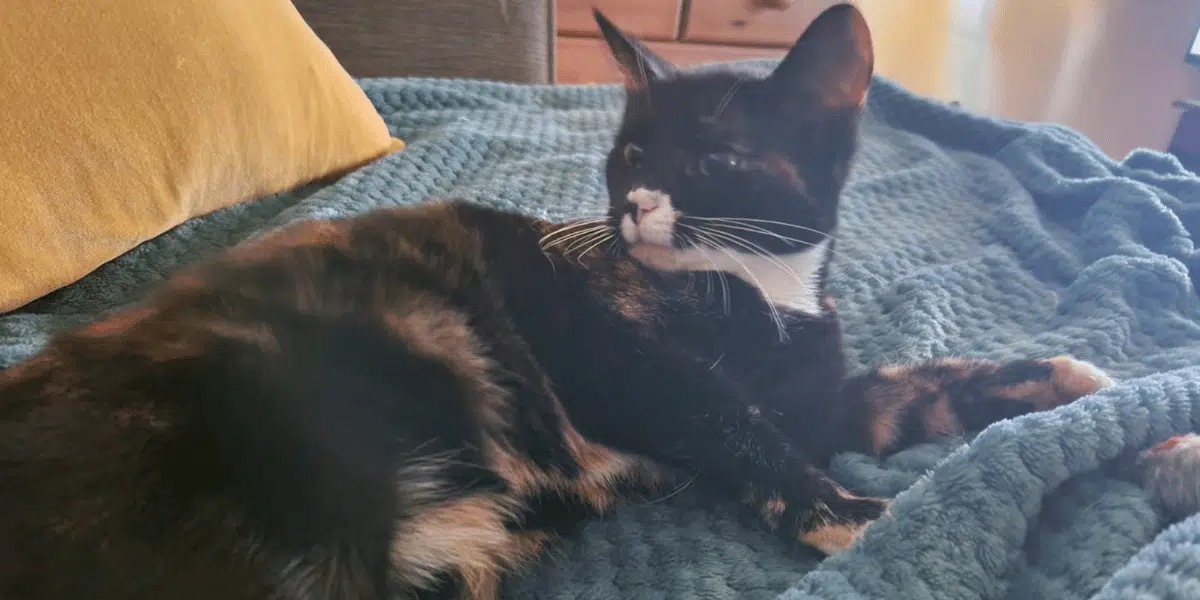
Cat Care Advice in Finchley: The Complete Guide to Keeping Your Cat Happy and Healthy
Updated September 2026
Cats are often described as independent, but anyone who shares their home with one knows it is not quite that simple.
Cats depend on us for suitable food, fresh water, clean toileting areas, veterinary care, safe places to sleep and hide, opportunities to scratch and play, and somebody who notices when something changes.
They also have very different personalities.
Some cats meet visitors at the door. Others disappear upstairs before the key has finished turning in the lock.
Some want play and company. Others are happiest when I prepare their food, clean the litter tray and then respect their personal space.
Good cat care starts with understanding the individual cat in front of you.
This is my main cat-care hub, bringing together practical advice about everyday care, behaviour and stress, kittens, senior cats, enrichment, holiday planning and professional cat sitting.
If you have arrived looking for one particular answer, use the sections and guides below to find what you need.
Table of contents
- Need Cat Sitting in Finchley?
- Why I Created This Cat Care Hub
- Start Here: Find the Cat Advice You Need
- The Foundations of Good Cat Care
- Learn What Is Normal for Your Cat
- Understanding Cat Body Language
- Shy, Nervous and Rescue Cats
- Feeding Your Cat
- Fresh Drinking Water
- Litter Trays
- Scratching Is Normal Cat Behaviour
- Play and Enrichment
- Creating a Cat-Friendly Home
- Indoor and Outdoor Cats
- Routine Matters More Than We Sometimes Realise
- Caring for a Kitten
- Caring for a Senior Cat
- Health and Preventative Care
- When Should I Contact My Vet?
- Planning Cat Care When You Go Away
- Cat Sitter, Neighbour or Cattery?
- What Happens During a Cat-Sitting Visit?
- What Should I Leave for My Cat Sitter?
- Medication While You Are Away
- Can Automatic Feeders and Cameras Replace a Cat Sitter?
- Hot-Weather Cat Care
- Autumn, Winter and Fireworks
- Do Cats Get Lonely or Miss Their Owners?
- Cat Care Resource Centre
- Frequently Asked Questions
- What are the basic needs of a cat?
- How many litter trays should I provide?
- Should food, water and litter trays be together?
- How can I tell if my cat is stressed?
- Can indoor cats be happy?
- How often should a cat sitter visit when I am away?
- Can an automatic feeder replace a cat sitter?
- What if my cat hides from the sitter?
- Can a cat sitter give medication?
- How do I know if my cat needs a vet?
- When is a urinary problem an emergency?
- Should I get another cat to keep my cat company?
- Cat Sitting in Finchley and Nearby Areas
- A Final Thought
- Veterinary Disclaimer
Need Cat Sitting in Finchley?
If you are going away, I provide calm, one-to-one cat-sitting visits in Finchley and selected nearby areas.
Visits can include:
- feeding your cat’s normal food
- refreshing drinking water
- cleaning litter trays
- agreed medication support
- calm company
- play and enrichment where wanted
- general welfare observations
- photographs and updates
- basic agreed home checks
I do not force nervous or hiding cats to interact.
I follow the routine we agreed on and let your cat decide how much contact they want.
You can also view my current pet-care prices or contact me to discuss your cat, dates and location.
Why I Created This Cat Care Hub
Although my business is called Finchley Dog Walker, cats have always formed an important part of the work I do.
Before starting the business, I spent 18 years working in an office where I also helped care for resident cats, including Devon Rex, Siamese and Sphynx cats.
Since establishing Finchley Dog Walker in 2011, I have cared for:
- confident cats
- shy and nervous cats
- rescue cats
- indoor cats
- outdoor cats
- kittens
- senior cats
- cats receiving medication
- multi-cat households
- homes containing cats, dogs and small animals
Those cats have taught me that a successful visit is not measured by whether a cat poses for a photograph.
A nervous cat remaining safely in their hiding place, eating after I leave and using the litter tray normally may be coping perfectly well.
A confident cat may follow me from room to room and expect a full conversation before breakfast.
Both deserve care that suits them.
For independent welfare and veterinary information, I also use established sources including Cats Protection, PDSA cat advice, International Cat Care and RSPCA cat advice.
Start Here: Find the Cat Advice You Need
You do not need to read this hub from beginning to end.
Choose the situation closest to yours and start there.
Are You Planning a Holiday?
Start with Cat Sitting in Finchley to see how my visits work.
You may also find these useful:
- How Often Should a Cat Sitter Visit?
- What to Leave for Your Cat Sitter
- Should You Use a Cat Sitter, Neighbour or Cattery?
- Why Cats Prefer Staying at Home Instead of a Cattery
- Leaving Cats Alone Overnight: How Long Is Safe?
- What Your Cat Does While You’re on Holiday
- Do Cats Miss Their Owners?
- Can Cats Get Lonely?
Is Your Cat Hiding, Acting Differently or Appearing Stressed?
Start with the new Signs of Stress in Cats: How to Recognise When Your Cat Is Struggling guide.
It looks in more detail at:
- hiding
- appetite changes
- toileting changes
- grooming
- body language
- changes in sleeping and social behaviour
- other cats in and around the home
- visitors and building work
- changes in routine
- holiday-related changes
- when you should speak to your vet
The most useful starting point is often not asking whether a behaviour is normal for cats generally.
Ask:
“What is normal for my cat, and what has changed?”
Are You Preparing for Fireworks?
Use Cats and Fireworks: How to Help Your Cat Feel Safe.
That guide now covers detailed fireworks advice, including preparation, hiding places, outdoor access, litter trays, nervous cats, kittens, senior cats, and what to watch for afterwards.
Are You Caring for a New Kitten?
Read:
Do You Have an Older Cat?
Start with:
Older cats can benefit from changes to litter trays, resting areas, feeding arrangements, access to water and holiday care.
Are You Looking for Enrichment Ideas?
Start with the everyday enrichment advice further down this hub.
Are You Preparing for Hot Weather?
Use your existing:
Are You Choosing Equipment for a Holiday?
Read:
- Best Cat Care Products for When You Go Away
- Can Automatic Feeders and Pet Cameras Replace a Cat Sitter?
These are supporting resources. Equipment can make care easier, but technology should support rather than replace proper welfare checks.
The Foundations of Good Cat Care
Cats may have very different personalities, but their basic welfare needs are similar.
Every cat needs:
- suitable food
- fresh drinking water
- clean and accessible toileting areas
- comfortable places to sleep
- safe hiding places
- opportunities to scratch
- suitable play and enrichment
- appropriate veterinary care
- protection from avoidable hazards
- the ability to move away from people or animals when they want space
The environment should give your cat choices.
In a multi-cat home, cats should not have to compete for every bowl, litter tray, bed or hiding place.
A commonly recommended starting point is one of each important resource per cat, plus one spare, with resources spread around the home rather than all placed together.
For example, two cats may benefit from three litter trays in different suitable locations rather than three trays sitting beside one another.
Learn What Is Normal for Your Cat
One of the most useful things you can do for your cat is learn their normal routine.
Think about:
- where they usually sleep
- how quickly they eat
- how much they normally drink
- how often they use the litter tray
- which rooms they normally use
- whether they greet visitors or hide
- when they normally play
- how easily they walk and jump
- how much they groom
- how vocal they normally are
- how much interaction they usually seek
A change does not automatically mean something is wrong.
A sudden, persistent or significant change, however, deserves attention.
Cats can be subtle when they are worried, uncomfortable or in pain.
Possible changes include:
- hiding more
- eating less
- drinking noticeably more or less
- sleeping somewhere unusual
- becoming more vocal
- becoming unusually quiet
- avoiding touch
- grooming less
- overgrooming
- moving more slowly
- hesitating before jumping
- toileting outside the litter tray
- becoming irritable or defensive
My detailed Signs of Stress in Cats guide looks at behavioural and environmental causes in more depth.
Remember that behaviour changes can also be caused by pain or illness. Contact your vet if a change is sudden, persistent or concerning.
Understanding Cat Body Language
Cats communicate with their whole body.
Look at the combination of their eyes, ears, whiskers, posture, tail, movement and the situation around them rather than trying to interpret one signal in isolation.
A relaxed cat might have soft eyes, relaxed muscles and ears in a natural position.
A worried cat might crouch, hide, freeze, move away or become unusually watchful.
A frightened cat may hiss, growl, swipe or attempt to escape.
These behaviours communicate information.
They do not mean your cat is being spiteful or deliberately difficult.
Give them space where it is safe to do so.
Do not punish hissing, growling or swiping. You risk making an already uncomfortable cat more frightened.
For more information, see Cats Protection’s advice about stress in cats.
Shy, Nervous and Rescue Cats
Many of the cats I care for do not immediately trust unfamiliar people.
Some have been rescued. Some have always been cautious. Others are confident with their family but disappear when a visitor enters the house.
I do not measure a successful visit by how quickly I can touch a nervous cat.
I may:
- speak quietly
- avoid direct staring
- move calmly
- prepare food without approaching the hiding place
- sit at a distance
- place an agreed treat nearby
- monitor food and water
- check the litter tray
- look for indirect signs of normal activity
- allow the cat to approach when they are ready
Pulling a cat from underneath a bed simply to obtain a photograph can make future visits harder.
There are situations where I need to locate a hidden cat because of a medical, safety or emergency concern.
In ordinary circumstances, however, calm observation is usually more useful than forced interaction.
This is one reason cat sitting at home can suit nervous and strongly routine-based cats.
Feeding Your Cat
Your cat’s main diet should normally be complete, appropriate for their life stage and suitable for their individual health needs.
“Complete” is important because it means the food is formulated to provide the required nutrients when fed as instructed.
Complementary foods may include treats, toppers, broths and some other products. They should not automatically replace a complete main diet.
Wet food, dry food or a suitable combination can all have a place.
What matters depends on:
- age
- health
- body condition
- activity
- dental comfort
- food preference
- veterinary advice
- what your cat will reliably eat
Do not change a prescribed veterinary diet without speaking to your vet.
I also avoid introducing an unnecessary major diet change immediately before an owner goes away.
For much more detail, read Choosing the Best Cat Food.
Fresh Drinking Water
Cats should always have access to clean drinking water.
Some happily drink from an ordinary bowl. Others may prefer a wide shallow bowl, several water locations or a fountain.
A fountain can be useful, but I would not make it the only water source when you are away.
Pumps can stop, filters can block, and power can be interrupted.
An ordinary backup bowl is simple insurance.
A noticeable change in thirst can also be medically important, particularly when accompanied by changes in weight, appetite, or urination.
Litter Trays
Litter trays provide information about your cat’s health and a place to toilet.
Think about:
- number of trays
- location
- cleanliness
- litter preference
- tray size
- accessibility
- distance from food and water
- whether another cat can block access
A useful starting point is one tray per cat plus one additional tray.
Even cats that normally toilet outside can benefit from an indoor tray during bad weather, illness, fireworks, building work or a period of restricted outdoor access.
Changes worth noticing include:
- urinating more or less
- straining
- repeated visits without producing urine
- crying while using the tray
- blood
- diarrhoea
- constipation
- suddenly toileting elsewhere
- avoiding a previously accepted tray
A cat that repeatedly tries but is apparently unable to pass urine requires urgent veterinary attention.
Do not assume toileting outside the tray is revenge or bad behaviour. Medical discomfort, litter preference, access, cleanliness and stress can all matter.
Scratching Is Normal Cat Behaviour
Cats scratch to stretch, maintain their claws, leave scent signals and express normal behaviour.
The aim should not be to stop scratching altogether.
Give your cat somewhere appropriate to do it.
Different cats may prefer:
- tall vertical posts
- horizontal cardboard scratchers
- sloping surfaces
- natural wood
- several scratching locations
A vertical scratching post should be stable and tall enough for the cat to stretch properly.
Placing a scratching option near somewhere your cat already scratches can be more successful than hiding it in a convenient corner of the house.
Play and Enrichment
Cats retain behaviours associated with hunting and exploration.
They may enjoy opportunities to:
- watch
- stalk
- chase
- pounce
- search
- climb
- scratch
- investigate
Simple enrichment can include:
- wand-toy play
- food searches
- suitable puzzle feeders
- cardboard boxes
- safe tunnels
- climbing opportunities
- window perches
- scratching areas
- rotating familiar toys
You do not need to entertain your cat constantly.
Short periods of enjoyable activity may suit many cats better than a long session they have lost interest in.
Watch the cat rather than the clock.
Store string, ribbon, elastic, and fishing-rod-style toys safely after supervised play because they can pose a risk of choking or entanglement.
Creating a Cat-Friendly Home
A cat-friendly home does not have to look like a cat playground.
It needs to give the cat useful choices.
Ask whether your cat can:
- rest somewhere quiet
- hide without being disturbed
- sit somewhere raised
- reach food without confronting another cat
- drink away from their litter tray
- use a clean toilet area
- scratch
- play
- look outside
- move between important areas comfortably
- avoid visitors, children or other animals when they want space
Vertical space can be particularly valuable.
A stable cat tree, safe shelf, or suitable window perch may let your cat observe without being approached.
A hiding place is not a failure.
For a worried cat, having somewhere safe to retreat can be extremely important.
Indoor and Outdoor Cats
No single arrangement suits every cat.
Some cats live enriched lives indoors. Others are accustomed to regular outdoor access.
Consider:
- age
- health
- previous lifestyle
- confidence
- traffic
- garden security
- neighbouring cats
- your housing situation
- veterinary advice
Indoor cats depend on their home for opportunities to climb, play, scratch, observe, explore and choose where they spend their time.
Outdoor cats face different risks.
Check them regularly for cuts, bite wounds, limping, ticks, damaged claws and other changes.
In England, owned cats must be microchipped before they reach 20 weeks of age. Keep the registered contact details up to date.
Routine Matters More Than We Sometimes Realise
Cats can become very familiar with the rhythm of a household.
They may know when breakfast appears, which cupboard contains their food, where you sit in the evening and what normally happens before bedtime.
That does not mean every day must be identical.
It does mean that unnecessary sudden changes can be unsettling for some cats.
During cat-sitting visits, I try to maintain the parts of the routine that matter.
That might mean:
- feeding at familiar times
- using the normal bowls
- cleaning trays in the usual way
- following an agreed outdoor-access routine
- offering play at the usual time
- leaving a nervous cat undisturbed
- sitting quietly with a sociable cat
Small details can help the home remain familiar while you are away.
Caring for a Kitten
A kitten is not simply a small adult cat.
Kittens are growing and learning quickly.
Depending on their age, they may need:
- several meals
- more frequent supervision
- safe play
- accessible litter trays
- a complete kitten food
- plenty of sleep
- a secure environment
- appropriate veterinary care
- gradual exposure to everyday experiences
Kitten-proofing is important too.
Check cables, gaps behind appliances, open washing machines and tumble dryers, unsafe windows, houseplants, string, elastic, cleaning products, human medication and potential escape routes.
Young kittens should not automatically have the same holiday-care arrangement as a healthy adult cat.
Read Bringing Home a New Kitten for the full guide.
Caring for a Senior Cat
Older cats often benefit from relatively small changes.
These can include:
- low-entry litter trays
- easily accessible food and water
- non-slip surfaces
- warm resting places
- steps to favourite areas
- several water locations
- gentler play
- closer observation
Do not automatically dismiss behavioural or mobility changes as “just getting old”.
Weight loss, increased thirst, reduced grooming, difficulty jumping, night-time vocalisation and changes in toileting can warrant veterinary investigation.
My Caring for a Senior Cat guide looks at later-life comfort, mobility, feeding and home adjustments in much more detail.
Health and Preventative Care
Register your cat with a veterinary practice before you need emergency help.
Depending on the individual cat, preventative care may include:
- routine health examinations
- vaccinations
- weight monitoring
- dental checks
- parasite advice
- neutering
- microchipping
- monitoring existing conditions
- appropriate senior health checks
Your vet can advise based on your cat’s age, lifestyle, health, and medical history.
Never use a dog flea or tick treatment on a cat unless your veterinary practice has specifically confirmed it is safe for that cat.
Some products intended for dogs contain permethrin, which is highly toxic to cats.
When Should I Contact My Vet?
Knowing what is normal for your cat helps you notice when something changes.
Contact your veterinary practice about sudden, persistent or concerning changes such as:
- reduced appetite
- repeated vomiting
- persistent diarrhoea
- increased drinking
- weight loss
- difficulty chewing
- limping
- breathing changes
- unusual weakness
- sudden aggression
- continuous hiding
- major toileting changes
- wounds or bite injuries
Seek urgent veterinary help if your cat:
- appears unable to pass urine
- has difficulty breathing
- collapses
- has a seizure
- experiences significant trauma
- is bleeding heavily
- may have been poisoned
- shows signs of heatstroke
- becomes unresponsive or severely disoriented
Cats can hide pain and illness.
You do not need to wait until your cat looks dramatically ill before asking for veterinary advice.
Planning Cat Care When You Go Away
For many cats, staying home can reduce the amount of change when their owner travels.
They keep their:
- familiar smells
- normal sleeping places
- litter trays
- feeding locations
- hiding places
- home territory
That does not mean leaving a large bowl of food and relying on technology.
Cats Protection advises arranging for a reliable person to care for your cat while you are away and recommends at least twice-daily visits.
Kittens, older cats and cats with health or medication needs may require a different arrangement.
Read How Often Should a Cat Sitter Visit?+ before deciding what is appropriate for your cat.
Cat Sitter, Neighbour or Cattery?
There is no single best answer for every cat.
A professional sitter may be a good option when your cat is happiest at home, particularly if they are nervous, strongly routine-based, or you want somebody experienced in monitoring food, water, litter trays and behaviour.
A reliable neighbour or relative can also provide excellent care if they understand the responsibility and can follow the required routine.
A reputable cattery may be the better choice for some cats, particularly where home care is impractical, or specialist care is needed.
Choose based on your cat, rather than assuming a single arrangement is universally best.
My full Cat Sitter, Neighbour or Cattery comparison explores the advantages and limitations of each.
What Happens During a Cat-Sitting Visit?
Every visit is based on the routine agreed with you.
Depending on the cat and booking, it may include:
Food and water
- preparing the normal meal
- monitoring appetite where required
- removing old food
- washing bowls
- refreshing water
- checking fountains and backup bowls
Litter care
- removing waste
- checking that trays have been used
- cleaning around the tray
- watching for changes
- replacing litter as agreed
Welfare observations
I may notice:
- changes in movement
- changes in breathing
- unusual behaviour
- vomit or diarrhoea
- visible injuries
- whether a nervous cat has moved between normal locations
- whether something in the home has changed
Interaction
Depending on what your cat wants, this might involve play, company, grooming where appropriate, affection or simply giving them space.
What Should I Leave for My Cat Sitter?
Useful information and supplies include:
- enough normal food
- a reasonable spare supply
- clear portion sizes
- feeding times
- familiar litter
- medication and written instructions
- veterinary details
- emergency contacts
- your travel contact details
- expected return time
- normal hiding places
- outdoor-access rules
- cat-flap instructions
- carrier location
- cleaning supplies
- tested keys
- instructions for automatic equipment
- backup plans if equipment fails
Be precise.
“Half a pouch” or “35 grams” is much clearer than “one scoop” if several different scoops are sitting in the cupboard.
Read What to Leave for Your Cat Sitter for the full checklist.
Medication While You Are Away
Tell me about medication before confirming a booking.
We need to discuss:
- what the medication is
- dose
- timing
- storage
- how it is normally given
- whether it needs food
- what happens if your cat refuses
- what veterinary instructions apply if a dose is missed
I will not change a dose or improvise veterinary treatment.
Complex medical needs may require a veterinary professional, specialist boarding, overnight care or another arrangement.
Your cat’s welfare comes before securing a booking.
Can Automatic Feeders and Cameras Replace a Cat Sitter?
No.
They can be useful parts of a care plan, but they cannot replace a physical welfare check.
A camera cannot refill a knocked-over water bowl, smell spoiled food, clean a litter tray, find vomit outside its field of view or take a sick cat to the vet.
An automatic feeder cannot explain why yesterday’s food remains untouched.
A water fountain cannot tell you why its pump stopped.
If you use technology, introduce it before your holiday and have a backup.
You can also read Can Automatic Feeders and Pet Cameras Replace a Cat Sitter? and Best Cat Care Products for When You Go Away.
Hot-Weather Cat Care
Cats often rest more and seek cooler areas in warm weather, but they can still become dangerously hot.
Take extra care with cats who are very young, very old, overweight, long-haired, flat-faced, or living with certain medical conditions.
During hot weather:
- provide several water sources
- keep water out of direct sunlight
- provide access to cooler areas
- secure windows appropriately
- keep cats out of hot conservatories
- remove uneaten wet food
- avoid vigorous play during the hottest period
- check sheds and garages before closing them
- watch your cat’s breathing and behaviour
Panting, rapid breathing, drooling, weakness, confusion, wobbliness, collapse or seizures can indicate a serious problem.
Heatstroke is an emergency. Contact a vet immediately.
Use the Summer Cat Safety Hub, How to Keep Cats Cool in Summer and Summer Cat-Sitting Checklist for more detailed seasonal advice.
[Editor note: Retain their existing working links.]
Autumn, Winter and Fireworks
Summer is not the end of seasonal cat-care risks.
Autumn and winter can bring:
- fireworks
- bonfires
- antifreeze
- darker roads
- cold sheds and garages
- Christmas foods
- decorations
- visitors
- changes in household routine
- potentially toxic plants
Keep antifreeze safely stored and clean up spills immediately.
Check sheds, garages and outbuildings before shutting doors.
Older and less mobile cats may appreciate warmer, easily accessible resting places.
Helping Your Cat During Fireworks
Fireworks deserve more than a few lines on this hub, which is why they now have their own detailed guide.
As a starting point:
- provide safe hiding places
- secure doors and windows
- make sure your cat can reach a litter tray
- provide familiar bedding
- keep food and water accessible
- reduce unnecessary disturbance
- do not pull a frightened cat out of hiding
Read Cats and Fireworks: How to Help Your Cat Feel Safe for the complete guide.
Do Cats Get Lonely or Miss Their Owners?
Cats have a reputation for independence, but many form strong relationships with familiar people and routines.
When you go away, your cat may notice:
- your absence
- somebody different preparing food
- changed household sounds
- a different evening routine
- missing play or interaction
- changes in sleeping arrangements
Possible responses include hiding, increased vocalisation, altered appetite, reduced play or behaving differently when you return.
None of these automatically proves loneliness.
Pain, illness, boredom and environmental stress can produce similar changes.
For more detail, read:
- Can Cats Get Lonely?
- Do Cats Miss Their Owners?
- What Your Cat Does While You’re on Holiday
- Signs of Stress in Cats
Cat Care Resource Centre
Holiday Care
- Cat Sitting in Finchley
- How Often Should a Cat Sitter Visit?
- What to Leave for Your Cat Sitter
- Cat Sitter, Neighbour or Cattery?
- Why Cats Prefer Staying at Home
- Leaving Cats Alone Overnight
- What Your Cat Does While You’re on Holiday
Behaviour, Stress and Time Apart
- Signs of Stress in Cats
- Can Cats Get Lonely?
- Do Cats Miss Their Owners?
- Cats and Fireworks: How to Help Your Cat Feel Safe
- indoor enrichment for cats
Everyday and Life-Stage Care
- Choosing the Best Cat Food
- Five Essential Cat Care Tips
- Bringing Home a New Kitten
- Caring for a Senior Cat
Seasonal Care
- Summer Cat Safety Hub
- How to Keep Cats Cool in Summer
- Summer Cat-Sitting Checklist
- Cats and Fireworks: How to Help Your Cat Feel Safe
Putting up Christmas decorations? My Cat-Proof Christmas Tree Guide covers practical festive safety, including tree stability, tinsel, lights and safer alternatives to deterrent sprays.
Equipment
- Best Cat Care Products for When You Go Away
- Can Automatic Feeders and Pet Cameras Replace a Cat Sitter?
Frequently Asked Questions
What are the basic needs of a cat?
Cats need appropriate food, fresh water, clean toileting areas, comfortable places to sleep and hide, opportunities to scratch and play, suitable veterinary care and an environment that gives them choice.
How many litter trays should I provide?
A common starting point is one litter tray per cat plus one extra.
Spread them around suitable locations rather than placing all the trays side by side.
Should food, water and litter trays be together?
Generally, no.
Separate food, water and toileting resources and provide more than one option where appropriate.
How can I tell if my cat is stressed?
Look for changes from your cat’s normal.
These might include increased hiding, changes in eating or toileting, overgrooming, reduced grooming, becoming unusually watchful, changes in social behaviour or altered body language.
Read Signs of Stress in Cats for the full guide.
Remember that illness and pain can cause similar changes.
Can indoor cats be happy?
Yes.
Indoor cats can live enriched lives when their environment gives them suitable opportunities to climb, hide, scratch, play, explore, rest and interact.
The cat’s previous lifestyle, personality and individual needs matter.
How often should a cat sitter visit when I am away?
Cats Protection recommends at least twice-daily visits while you are away.
Kittens, older cats and cats with health conditions may need more frequent or more involved care.
Can an automatic feeder replace a cat sitter?
No.
It can provide a meal at a set time, but it cannot assess your cat, clean a litter tray, investigate uneaten food, refill spilt water or respond properly to illness or an emergency.
What if my cat hides from the sitter?
Hiding is common, particularly with nervous cats.
I do not automatically pull a cat out of a hiding place.
I can monitor food, water, litter trays, movement and other indirect signs while allowing the cat space.
Can a cat sitter give medication?
Sometimes, when the medication and method have been discussed and agreed beforehand and the care is within my competence.
More complex medical needs may require another arrangement or veterinary professional.
How do I know if my cat needs a vet?
Pay attention to changes in appetite, drinking, toileting, grooming, movement, breathing, sleeping and normal behaviour.
Contact your veterinary practice when something is sudden, persistent or concerning.
When is a urinary problem an emergency?
If your cat repeatedly attempts to urinate but appears unable to pass urine, seek veterinary help immediately.
Should I get another cat to keep my cat company?
Not automatically.
Some cats enjoy living with another cat. Others find sharing their home and resources stressful.
Another cat is not a guaranteed cure for loneliness or boredom.
Cat Sitting in Finchley and Nearby Areas
Many cats cope well with holidays when they can remain in the home they already know.
I provide calm cat sitting in Finchley and selected nearby parts of North London, subject to location, availability and your cat’s individual needs.
My approach is based on:
- familiar routines
- calm handling
- patience
- choice
- low-pressure interaction
- honest communication
- noticing changes
- staying within my competence
I have provided professional pet care since 2011.
I am fully insured and Enhanced DBS checked.
Before a first booking, we can discuss your location, dates, number of cats, feeding routine, litter arrangements, health, medication, behaviour, hiding places, emergency arrangements and the number of visits required.
Some cats greet me immediately.
Others may take several visits before they decide I am worth investigating.
I am comfortable with either response.
Read about Cat Sitting in Finchley, view current prices or contact me with your postcode, dates and a little information about your cat.
WhatsApp: 07707 763344
A Final Thought
Good cat care is not about forcing every cat into the same routine.
It is about providing the essentials, offering appropriate choices, and learning what is normal for the individual cat sharing your home.
Notice changes.
Respect communication.
Provide somewhere safe to retreat.
Make appropriate veterinary care part of normal cat ownership.
And when you need somebody else to care for your cat, choose an arrangement that genuinely suits the cat rather than simply the most convenient option for the humans.
You can return to this Cat Care Hub whenever you need practical guidance, or read about my Cat Sitting in Finchley service if you are planning time away.
Veterinary Disclaimer
This guide provides general cat care information and does not replace veterinary advice, diagnosis, or treatment.
Every cat is different. Age, health, diet, mobility, behaviour, medication, home environment and previous experiences can all affect what care is suitable.
Contact your veterinary practice if your cat is unwell, injured or showing a sudden, persistent or concerning change.
Do not alter prescribed medication, a therapeutic diet or a veterinary treatment plan without speaking to the veterinary professional responsible for your cat’s care.
Seek urgent veterinary help if your cat has difficulty breathing, collapses, suffers significant trauma, may have been poisoned, shows signs of heatstroke or appears unable to pass urine.