
Table of contents
How do you reach into your pocket, and your dog’s eyes light up? They know a treat’s coming and they’re ready to work for it. Or maybe they’re bouncing, barking, and trying to guess what you want.
I see both reactions often. Some dogs switch on the moment they smell a treat. Others get too wound up to focus. And for a few, the food doesn’t seem to matter at all.
If you’re training with treats, it can feel confusing. You might wonder if you’re giving too many. Or if your dog is only listening because you’ve got food in your hand. You’re not alone. These are questions I hear every week from dog owners across North London.
I use treats daily as part of reward-based, positive dog training. I’ve seen how they can build focus, confidence, and recall. But I’ve also seen how things can go wrong when timing is off, or treats are given without thought.
This guide is here to help you feel more confident. I’ll explain how to use treats clearly, calmly, and kindly—without overfeeding or creating a dog that only listens “when there’s chicken”.
Everything I share is based on real experience walking and training dogs of all ages and backgrounds. I only use positive methods. No punishment. No corrections. Just practical ways to build trust and good habits.
Why Training with Treats Works
Dogs repeat what works for them. That’s why food rewards are so effective. If sitting earns a bit of chicken, they’re likely to sit again. If ignoring a recall gets them left alone, they’ll learn that, too.
Food is a natural motivator for most dogs. It taps into their survival instinct and is easy to deliver quickly. That’s why so many trainers and behaviourists, including those at Dogs Trust and The Kennel Club, recommend treat-based training.
It works for:
- building recall
- rewarding calm behaviour
- encouraging focus around distractions
- shaping new skills like lead walking or boundary training
But treats only work well when used with timing, purpose, and understanding.
Timing Treats in Dog Training Correctly
Good timing is what makes or breaks treat training. If the reward comes too late—or when your dog is doing something elsethey won’t connect it to the behaviour you wanted.
I follow a simple pattern:
- Say “yes” or use a clicker the moment the dog does the right thing
- Follow up with a treat straight after
- Keep movements smooth and calm to avoid overexciting your dog
Think about recall. If your dog comes back, but you delay the treat until after you’ve clipped on the lead and walked off, they might learn that recall ends the fun. Instead, reward immediately after the returnbefore doing anything else.
Do you ever wonder if your timing is clear enough? What happens after your dog does the thing you asked?
How to Use Treats Without Overfeeding
One of the biggest concerns I hear is: “Am I giving too many treats?”
It’s a fair question. Training involves repetition, and that can add up.
Here’s what I recommend:
- Use part of your dog’s daily food allowance as training rewards
- Choose tiny, soft treats—no bigger than a fingernail
- Reserve richer treats (like sausage or cheese) for distractions or breakthroughs
- Adjust meal sizes slightly on high-training days
- Track what your dog gets across the day, especially in multi-carer homes
Treats should make up no more than 10% of your dog’s daily intake. If your dog is gaining weight or becoming overly focused on food, take a step back and simplify.
Have you looked at the ingredients in your dog’s treats? Could you try smaller portions or swap some for part of their dinner?
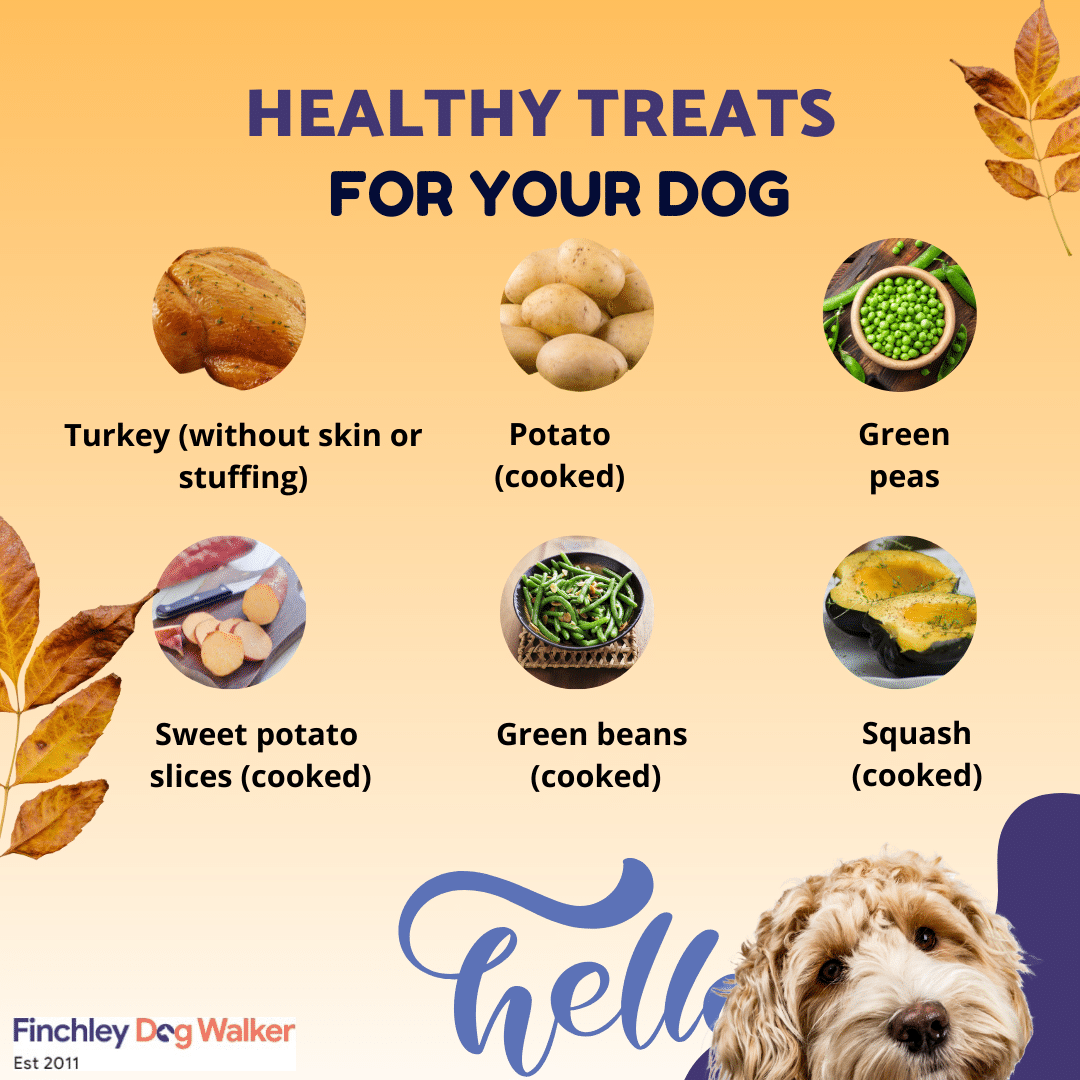
Choosing the Right Treats for Your Dog
Different dogs respond to different treats. Some will do anything for dried fish. Others prefer something soft and smelly. A few don’t care about food at all—especially outdoors.
Here are some training treat tips I use regularly:
- For puppies: soft, easy-to-chew treats like cooked chicken or puppy-specific nibbles
- For sensitive dogs: single-protein or grain-free options
- For distraction training: high-value treats like liver, sausage or strong cheese (in moderation)
- For everyday use: part of your dog’s kibble or low-fat commercial treats
Test a few and watch your dog’s response. What gets their tail going? What makes them ignore everything else?
One dog I walk with only responds to dried sprats. Another needs variety to stay engaged. I always carry a mix, just in case.
Dog Training Treat Tips for Distraction Training
Using treats at home is one thing. Using them outside, around traffic, dogs, squirrels, and smells, is a different challenge.
When distractions increase, the treat value needs to rise too.
Here’s how I approach it:
- Start in a quiet space with low-value treats
- As distractions increase, switch to higher-value rewards
- Reward every glance, pause, or check-in when near a trigger
- Practise frequently in different settingsbut keep sessions short
I’ve supported many reactive or easily distracted dogs using this approach. One nervous rescue I worked with went from pulling and panicking to pausing and looking at mebecause she knew I had something worth waiting for.
What does your dog do when something unexpected happens? Can treats help redirect their focus?
Reward-Based Treat Training for Nervous Dogs
Not every dog is ready to take food during trainingespecially if they’re anxious or overstimulated.
I often meet rescue dogs or those with a difficult start. They may be too stressed to eat or unsure about their safety.
For these dogs, I take things slowly:
- Start in calm, familiar areas
- Use soft, high-value food like chicken or ham
- Let them approach the food—don’t put it under their nose
- Reward eye contact, not just tasks
- Build trust over time with gentle, consistent routines
If your dog isn’t taking treats, it doesn’t mean they’re “stubborn” or “untrainable”. It may mean they need more time to feel safe.
I’ve had dogs who refused food for weeks, then slowly began accepting it, and eventually loved training. The turning point often comes quietly.
Dog Treat Training Games That Work
Using treats in games keeps things fun and relaxed. It builds motivation without pressure.
Some games I use often on walks or in gardens include:
- Find it: toss treats into the grass or onto the ground and let your dog sniff them out
- Treat trails: leave a line of treats leading to a mat, crate or place
- Treat and move: reward your dog for staying by your side as you walk
- Calm catch: gently toss treats for your dog to catch or retrieve
- Scatter and recall: throw treats, then call your dog back from a distance
These games help with focus, impulse control, and engagement. They’re great for wet weather days too.
Which of these might suit your dog’s energy and style?
FAQ
Is it OK to always train with treats?
Yes, especially during the learning phase. Over time, you can reduce treat frequency and reward with praise, play, or freedom, but treats are a reliable, kind way to teach new behaviours.
What’s the best treat for training outside?
Use high-value, smelly treats like sausage, liver or soft cheese. Choose something your dog doesn’t get in their bowl.
How do I stop my dog from responding only when I have treats?
Make sure the treat isn’t visible when giving the cue. Mark the behaviour with “yes” or a click, then bring the treat out. Practise fading food rewards gradually.
Can I use treats with a nervous or rescue dog?
Yesbut go slowly. Let the dog come to the treat. Use calm body language. Don’t force it. If they don’t take food at first, focus on helping them feel safe before training.
Final Thoughts
Training with treats can build a calmer, clearer relationship with your dog. When used well, treats teach your dog that listening pays off—and that you’re safe, consistent, and rewarding to be around.
But it’s not about bribery. It’s about timing, choice, and understanding what your dog values most.
If you’re not sure where to start, or you’re seeing mixed results, I can help during a one-to-one training walk. Sometimes a fresh pair of eyes and a few timing changes make all the difference. So if you are based in Finchley or Muswell Hill, why not get in touchto find out about my services
Key Takeaways
- Training with treats can effectively motivate dogs when done with timing and understanding.
- Use part of your dog’s daily food as treats to prevent overfeeding and choose tiny, healthy options.
- Different dogs prefer different treats; find what motivates your dog the most.
- In high-distraction environments, use higher-value treats to encourage focus during training sessions.
- For nervous dogs, use gradual approaches and build trust before introducing treats in training.
updated 11th Jan 2026
