
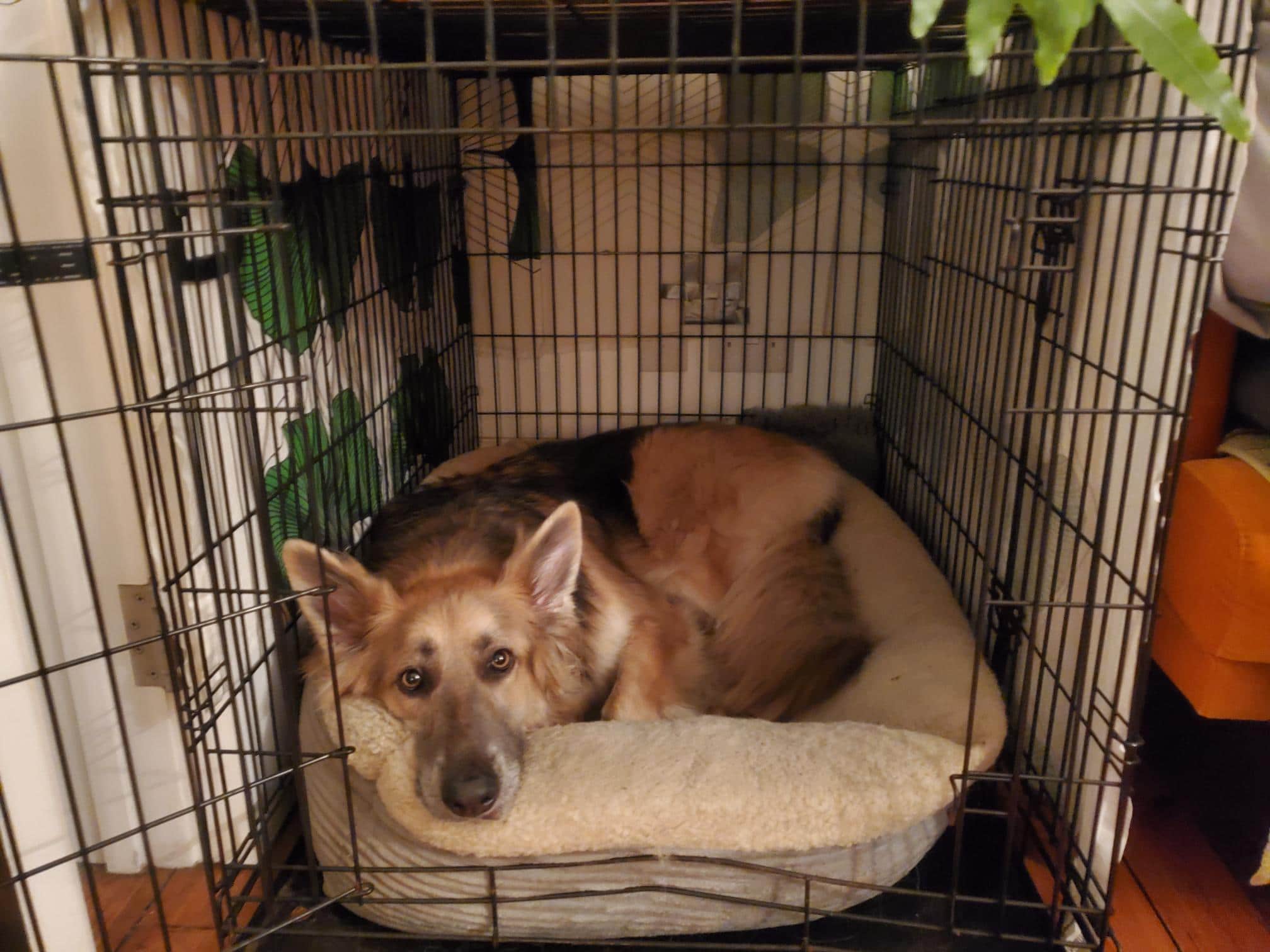
Bringing home a new pet changes how you look at your house.
An electrical cable becomes something a puppy might chew. An open window becomes an escape route. A dropped tablet, unattended shopping bag or vase of lilies may become a serious emergency.
Creating a pet-friendly home does not mean filling every room with expensive equipment. It means identifying genuine risks, giving your pet somewhere safe to rest and arranging the home so that people and animals can live together comfortably.
The right preparation depends on the individual animal.
A curious puppy, newly adopted rescue dog, indoor cat, elderly pet and free-roaming rabbit will each find different opportunities for mischief. Their needs may also change as they grow, gain confidence or become less mobile.
I have worked professionally with pets in Finchley and the surrounding area since 2011. This guide explains how to prepare your home, garden and household before welcoming a dog, puppy, cat or small pet.
This page provides general information and cannot account for every animal, property or medical condition. Ask your vet or another appropriately qualified professional for individual advice where necessary.
Table of contents
- Begin with the animal rather than the equipment
- Inspect the home at pet level
- Create a quiet resting place
- Do not overwhelm your pet on arrival
- Secure doors and entrances
- Check windows and balconies
- Electrical cables and household appliances
- Medicines and veterinary products
- Cleaning products and household chemicals
- Foods that can harm pets
- Plants and flowers
- Bins, bags and recycling
- Small objects and swallowing hazards
- Kitchens and cooking areas
- Bathrooms and toilets
- Bedrooms and living rooms
- Slippery floors, stairs and mobility
- Food and water areas
- Toileting areas
- Dogs and children
- Visitors, deliveries and tradespeople
- Introducing resident pets
- Making the garden safer
- Pet doors and cat flaps
- Indoor enrichment
- Avoid punishment-based equipment
- Preparing for fire, flood or another emergency
- Arrange care before you need it
- A room-by-room pet-safety checklist
- What to do if your pet may have been poisoned
- When home behaviour suggests a problem
- Essential purchases without filling the house
- Related guides for new pet owners
- Local help while your new pet settles
- Frequently asked questions
- What should I do first when pet-proofing my home?
- Does a new pet need access to the whole house?
- Which room should my new pet sleep in?
- Are stair gates useful for pets?
- Are houseplants safe around pets?
- Is an open window safe for an indoor cat?
- Can I use normal household cleaner around pets?
- Where should I put my cat’s litter tray?
- How can I keep my puppy away from electrical cables?
- Should I allow my dog to greet every visitor?
- How do I prepare my home for an older pet?
- What should I do if my pet eats something dangerous?
- Can you care for my pet in their own home?
- A safe home still feels like a home
Some links on this page are affiliate links. If you buy through one of these links, I may receive a small commission at no additional cost to you. I only recommend products I believe may be genuinely useful. You do not need to buy everything mentioned, and no product removes the need for appropriate supervision.
Begin with the animal rather than the equipment
Before buying beds, bowls and toys, consider the animal who will be living in your home.
Ask:
- How old are they?
- How large and strong could they become?
- Can they climb, jump, dig or squeeze through small spaces?
- Are they likely to chew?
- Do they have any known fears?
- Have they lived in a home before?
- Are they comfortable with children?
- Will they live with other animals?
- Do they have mobility, sight or hearing difficulties?
- Will they need medication?
- Are they likely to guard food, toys or resting spaces?
- Do they have a history of escaping?
- What does their breeder, rescue or previous carer know about them?
A home that is safe for a settled adult dog may not be safe for a puppy. A window that presents little interest to one cat may become an irresistible escape route for another.
Prepare for the animal you are bringing home rather than relying on a generic pet checklist.
If this will be your first animal, start with Your First Pet: A Practical Guide for New Pet Owners.
Inspect the home at pet level
Walk around each room and look at it from the animal’s likely height.
For puppies, small dogs, cats, rabbits and other small animals, it can help to sit or kneel on the floor. You may notice risks that are almost invisible when standing.
Look for:
- Electrical cables.
- Charger leads.
- Small batteries.
- Medicines.
- Cleaning products.
- Food wrappers.
- Children’s toys.
- Sewing materials.
- String, wool and ribbon.
- Plastic bags.
- Open bins.
- Gaps behind appliances.
- Unstable furniture.
- Reclining chairs.
- Houseplants.
- Low windows.
- Blind cords.
- Small objects that could be swallowed.
- Doors that could close suddenly.
- Places where an animal could become trapped.
Repeat the inspection whenever you move furniture, decorate, have work completed or introduce a new animal.
Pets often investigate things you stopped noticing years ago.
Create a quiet resting place
Every pet needs somewhere they can rest without being disturbed.
This might be:
- A dog bed in a quiet corner.
- An open crate that has been introduced positively.
- A covered cat bed.
- An elevated cat shelf.
- A puppy pen.
- A rabbit hide.
- A quiet room.
- A familiar blanket brought from the breeder, rescue or previous home.
The area should be:
- Away from constant foot traffic.
- Free from draughts and excessive heat.
- Accessible without crossing a slippery floor.
- Large enough for the animal to rest comfortably.
- Separate from children’s play areas.
- Available whenever the pet wants to withdraw.
- Positioned so the animal does not feel trapped.
Do not force an animal into their resting place as punishment.
Children and visitors should understand that an animal using their bed, crate, hide or retreat must be left alone.
Some pets want to rest near the household without being touched. Others need greater distance and quiet. Allow the individual animal to choose where they feel secure.
Do not overwhelm your pet on arrival
A beautifully prepared home can still feel overwhelming to an animal who has just arrived.
Your pet does not need to explore every room immediately.
For the first day, consider providing:
- One quiet settling area.
- Fresh water.
- Their familiar food.
- A comfortable bed or hide.
- Access to an appropriate toilet area.
- A small selection of safe items.
- Limited visitors.
- A predictable routine.
- Calm supervision.
Open up more of the home gradually as the animal becomes comfortable.
A new puppy or rescue dog may need to remain attached to a lightweight house line while supervised. This can help you guide them without grabbing at their collar, but it must be removed when you cannot supervise because it could snag.
A newly arrived cat may feel safer beginning in one prepared room rather than being given immediate access to an entire house.
Secure doors and entrances
Open doors are one of the most obvious escape risks.
Before your pet arrives, check:
- Front and back doors close properly.
- Latches cannot be pushed open.
- Everyone has working keys.
- Letterboxes cannot be used as an escape route.
- Communal entrance doors close securely.
- Garden gates latch reliably.
- Children cannot open external doors unsupervised.
- Deliveries can be accepted without the pet reaching the doorway.
- Tradespeople and visitors can enter safely.
- An airlock or second barrier is available where needed.
A stair gate or internal door can provide an additional barrier between your pet and the front entrance.
This can be especially useful for:
- Puppies.
- Newly adopted rescue dogs.
- Cats who attempt to reach the door.
- Dogs who become excited by visitors.
- Dogs who are worried by unfamiliar people.
- Multi-pet households.
- Homes where children frequently enter and leave.
Never assume that somebody else has closed the door. Agree clear household rules before the animal arrives.
Check windows and balconies
Cats can fall from open windows. They can also push through weak insect screens or become trapped in windows left tilted open.
Dogs and small animals may also climb, squeeze through gaps or damage unsecured screens.
If your pet can reach an open window:
- Keep it securely closed.
- Fit a strong, pet-safe barrier designed for the type of window.
- Check the fixings regularly.
- Do not rely on an ordinary insect screen.
- Move furniture that provides access where necessary.
- Supervise ventilation arrangements.
- Check tilt-and-turn windows carefully.
- Never assume that a cat will recognise the danger of a fall.
Balconies require particular care.
A standard balcony railing may have gaps wide enough for a small animal to pass through. Cats may climb or jump onto railings, while dogs can react suddenly to animals, people or noise below.
The Blue Cross guide to preventing avoidable accidents recommends secure barriers for accessible upper-floor windows and balconies.
Do not leave a pet on a balcony unsupervised simply because it appears enclosed.
Electrical cables and household appliances
Puppies, rabbits and other animals may chew electrical cables. Cats may become interested in thin charging leads and moving cords.
Reduce the risk by:
- Unplugging unnecessary cables.
- Using strong cable covers.
- Routing cables behind secure furniture.
- Blocking access behind appliances.
- Removing damaged leads immediately.
- Keeping chargers away when not in use.
- Supervising animals around unfamiliar equipment.
- Providing appropriate alternatives for chewing.
- Closing off rooms that cannot be made safe.
Be careful with:
- Reclining chairs.
- Sofa beds.
- Washing machines.
- Tumble dryers.
- Dishwashers.
- Ovens.
- Fridges.
- Exercise equipment.
- Paper shredders.
- Electric fans.
Cats and small animals may enter appliances, cupboards or spaces beneath furniture without being noticed.
Check washing machines, tumble dryers and dishwashers before closing or switching them on.
Know where every pet is before moving a reclining chair, folding a sofa bed or closing a heavy door.
Medicines and veterinary products
Human medicines can be extremely dangerous to animals.
Keep all medicines:
- In a closed cupboard.
- In their original packaging.
- Away from food.
- Out of reach of animals and children.
- Separate from your pet’s medication.
- Stored according to the label.
- Away from handbags and coat pockets.
This includes:
- Prescription medication.
- Paracetamol.
- Ibuprofen.
- Vitamins.
- Nicotine products.
- Cannabis products.
- Hormone creams.
- Inhalers.
- Medicated skin creams.
- Supplements.
- Veterinary medication intended for another animal.
Never give a pet human medicine unless your vet has specifically instructed you to do so.
Do not use a flea, tick or worming product intended for a different species. Some dog parasite treatments can be highly toxic to cats.
If you drop a tablet, find it before allowing animals back into the room.
Cleaning products and household chemicals
Store cleaning products securely rather than assuming that a high shelf is inaccessible.
Potential hazards include:
- Bleach.
- Disinfectants.
- Dishwasher tablets.
- Laundry capsules.
- Drain cleaner.
- Oven cleaner.
- Carpet products.
- Toilet-cleaning blocks.
- Essential oils.
- Paint and decorating products.
- Glue.
- White spirit.
- Antifreeze.
- Pesticides.
- Rodent poison.
- Slug pellets.
Follow the manufacturer’s instructions and keep pets away while products are being used.
Do not allow an animal to walk across a freshly cleaned surface until it is safe and dry. Cats may lick products from their feet or coat during grooming.
Be especially careful with laundry and dishwasher capsules. Their size and texture may encourage an animal to bite them.
Secure bins and do not leave cleaning buckets unattended.
Foods that can harm pets
Human food should not be left within reach simply because the animal has never taken it before.
Dogs can learn to open cupboards, climb onto furniture or remove food from shopping bags. Cats may walk across worktops and lick plates or cooking utensils.
Foods that may cause serious problems include:
- Chocolate.
- Grapes.
- Raisins, currants and sultanas.
- Onions.
- Garlic.
- Some artificial sweeteners, including xylitol.
- Alcohol.
- Caffeine.
- Macadamia nuts.
- Mouldy food.
- Raw bread dough.
- Cooked bones.
- Foods containing large quantities of fat or salt.
Different species have different tolerances and risks. A food that is safe for one animal may not be safe for another.
Store food in closed cupboards or containers and clear plates promptly.
Pay particular attention to:
- Handbags containing chewing gum.
- Children’s lunchboxes.
- Christmas food.
- Easter chocolate.
- Fruit cake.
- Protein bars.
- Medication hidden in food.
- Compost bins.
- Shopping bags left on the floor.
If you believe your pet may have eaten something harmful, contact your vet immediately. Do not wait for symptoms to appear and do not try to make the animal vomit unless a veterinary professional tells you to do so.
Plants and flowers
Many common plants can harm pets.
Before bringing a new animal home, identify the plants in your house and garden. Check the actual species rather than relying on a vague description from a shop label.
Particular care is needed with lilies around cats. Leaves, petals, pollen and water from a vase can all present a serious danger.
The RSPCA’s seasonal plant-safety guidance explains that lilies are extremely toxic to cats and advises avoiding them in homes with cats.
Other potentially harmful plants and bulbs include:
- Daffodils.
- Tulips.
- Bluebells.
- Foxgloves.
- Azaleas.
- Rhododendrons.
- Sago palms.
- Some varieties of ivy.
- Dieffenbachia.
- Oleander.
This is not a complete list.
Moving a plant to a high shelf may not protect it from a determined cat. Dropped petals, leaves and pollen can still be reached.
If you are unsure whether a plant is safe, remove it until you have checked.
Bins, bags and recycling
Bins are full of interesting smells and potentially dangerous items.
Hazards may include:
- Cooked bones.
- Food packaging.
- Mouldy food.
- Medication packets.
- Batteries.
- Razors.
- String.
- Aluminium foil.
- Coffee pods.
- Plastic wrapping.
- Cleaning-product containers.
- Sanitary products.
Use a securely closing bin or keep it behind a closed cupboard door.
Recycling should also be rinsed and stored safely. Sharp tin lids, broken glass and food residue can all cause injury.
Do not leave plastic bags where an animal could become trapped or suffocate.
Small objects and swallowing hazards
Anything small enough to enter an animal’s mouth could potentially be swallowed.
Common examples include:
- Children’s toys.
- Building bricks.
- Balls.
- Socks.
- Underwear.
- Hair bands.
- Earplugs.
- Batteries.
- Coins.
- Stones.
- Corn-on-the-cob pieces.
- Dummy teats.
- Sewing needles.
- Fishing hooks.
- String.
- Ribbon.
- Wool.
- Dental floss.
- Christmas decorations.
Linear objects such as string, ribbon and wool can be particularly dangerous for cats if swallowed.
Choose toys that are appropriate for the animal’s size and chewing style. Inspect them regularly and remove damaged items.
Supervise unfamiliar chews and toys until you understand how the animal uses them.
Kitchens and cooking areas
The kitchen contains food, heat, sharp objects and cleaning products.
Consider:
- Keeping animals away from hot ovens and open flames.
- Turning pan handles inwards.
- Not leaving knives near the edge of worktops.
- Wiping up spills quickly.
- Closing cupboards and drawers.
- Securing the bin.
- Blocking access behind appliances.
- Checking washing machines and dishwashers.
- Keeping shopping bags off the floor.
- Preventing access while cooking.
- Allowing floors to dry after cleaning.
A stair gate or closed door may be safer than repeatedly asking a young or newly arrived animal to stay away.
Hot fat, boiling water and dropped food can cause serious injuries.
Bathrooms and toilets
Bathrooms are often overlooked during pet-proofing.
Check that:
- Medicines are secured.
- Razors are inaccessible.
- Cleaning products are locked away.
- Dental floss is placed in a closed bin.
- Toiletries are not left where they can be chewed.
- Baths and sinks are emptied.
- The toilet lid is closed where appropriate.
- Hot appliances are unplugged.
- Wet floors are dried.
- The washing machine is checked before use.
Hair straighteners, curling tongs and hairdryers can remain hot after being unplugged. Keep them out of reach until completely cool.
Bedrooms and living rooms
These rooms may appear safe but often contain tempting items.
Look for:
- Charging leads.
- Medication on bedside tables.
- Glasses of alcohol.
- Houseplants.
- Blind cords.
- Candles.
- Remote-control batteries.
- Children’s toys.
- Sewing supplies.
- Open fireplaces.
- Unstable lamps.
- Food under furniture.
- Handbags.
- Shoes and socks.
- Reclining furniture.
Secure bookcases and tall furniture if a climbing animal could make them unstable.
Do not leave candles, fires or portable heaters unattended around pets.
If your pet sleeps in the bedroom, consider how you will prevent falls, chewing and unsupervised access during the night.
Slippery floors, stairs and mobility
Smooth floors can be difficult for puppies, older pets and animals with painful joints.
You may need:
- Non-slip runners.
- Washable rugs.
- Secure mats.
- Stair gates.
- A ramp.
- A lower bed.
- Raised resting areas for cats.
- Easy access to food and water.
- Additional litter trays.
- Night lighting.
Make sure rugs cannot slide or bunch beneath the animal.
Stairs may need to be restricted while a puppy is developing, when a dog is recovering from surgery or when an older pet is experiencing weakness or pain.
A change in confidence on stairs or slippery floors can be an early sign of discomfort. Discuss new mobility problems with your vet rather than assuming that the animal is simply becoming stubborn.
My Senior Dog Care Guide provides more information about adapting routines and environments for older dogs.
Food and water areas
Choose feeding locations that allow animals to eat without feeling threatened.
Food and water areas should be:
- Away from busy doorways.
- Separate from litter trays and toileting areas.
- Easy to clean.
- Accessible throughout the day where appropriate.
- Protected from competition.
- Positioned on a stable surface.
- Away from children during meals.
In multi-pet households, separate feeding may be necessary.
Do not expect animals to share bowls peacefully. Competition can create anxiety even when there is no obvious aggression.
Fresh water should be available, but the type and position of the bowl may depend on the species and individual animal.
Some cats prefer water placed away from their food. Older or less mobile animals may benefit from several water stations.
Toileting areas
Plan toileting arrangements before your pet arrives.
For a puppy or dog, decide:
- Which door will be used.
- Where they will toilet.
- How you will manage night-time trips.
- Whether the route is safely enclosed.
- Who is responsible for supervision.
- How accidents will be cleaned.
For cats:
- Provide enough suitable litter trays.
- Place them in quiet, accessible locations.
- Keep them away from food and water.
- Avoid trapping the cat in a corner.
- Scoop them regularly.
- Use a litter the cat already recognises where possible.
A commonly used starting point is one litter tray per cat plus one additional tray, placed in different locations. Individual cats may need further adjustments.
For rabbits and other small animals, position toileting areas within a suitably large, secure living space rather than confining the animal to a small cage.
Dogs and children
Adults are responsible for keeping both dogs and children safe.
Children should learn to:
- Leave dogs alone when they are sleeping.
- Leave them alone while eating.
- Avoid taking food or toys.
- Never climb on or hug a dog.
- Avoid chasing or cornering.
- Use quiet voices.
- Allow the dog to move away.
- Ask an adult before interacting.
- Leave the dog’s bed or crate alone.
- Close doors and gates.
Supervision must be active.
Being in the same room while concentrating on a phone, television or conversation is not the same as watching the interaction.
If you cannot actively supervise, separate the child and dog using a door, secure gate or another safe arrangement.
The Blue Cross guidance on dogs and visiting children recommends active supervision and separation whenever an adult’s attention is elsewhere.
No dog breed is automatically safe with children. Pain, fear, tiredness, guarding and feeling trapped can affect any dog.
Visitors, deliveries and tradespeople
Your pet may respond differently to visitors than they do to household members.
Before opening the door:
- Place the pet behind a secure barrier where necessary.
- Tell visitors what to expect.
- Ask them not to reach towards the animal.
- Keep children from running towards the pet.
- Prevent the animal from reaching the front door.
- Provide a quiet retreat.
- Avoid forced greetings.
- Give the animal time and space.
Tradespeople may need doors, gates or windows left open. In these circumstances, secure your pet in a separate room before the work begins.
Place a note on the door if necessary so that nobody accidentally releases the animal.
A nervous dog does not need to greet every visitor. A cat does not need to be brought out from hiding. Allowing an animal to remain separate can be the kindest and safest arrangement.
Introducing resident pets
Prepare separate areas before the new animal arrives.
Depending on the animals involved, you may need:
- Separate feeding areas.
- Separate beds.
- Separate litter trays.
- Secure barriers.
- Cat shelves and escape routes.
- Protected small-animal accommodation.
- Scent swapping.
- Short supervised meetings.
- Parallel walks for suitable dogs.
- Removal of high-value food and toys.
- Time apart after each introduction.
Do not put unfamiliar animals together and expect them to “sort it out”.
Introductions should be gradual and adapted to the individuals. Some animals become close companions, while others prefer peaceful separation or limited contact.
Prevent dogs from approaching rabbit, guinea pig or other small-animal accommodation. Even a friendly dog may cause significant fear or injury.
My Your First Pet guide includes further advice about introducing resident animals.
Making the garden safer
A garden is not automatically a safe space.
Check:
- Fences.
- Gates.
- Gaps beneath boundaries.
- Loose panels.
- Sheds.
- Garages.
- Ponds.
- Water butts.
- Compost bins.
- Chemicals.
- Tools.
- Barbecue equipment.
- Poisonous plants.
- Slug pellets.
- Rodent control.
- Access to neighbouring gardens.
- Items positioned beside fences.
- Places where a pet could dig out.
- Gaps behind buildings.
Dogs may use bins, furniture or stored materials as steps over a fence.
Cats can climb most conventional fences and may leave the garden unless it has been professionally secured.
Ponds and water containers can present drowning risks, particularly for puppies, older animals and wildlife. Make sure the animal can get out easily or prevent access.
Store garden chemicals in a secure, closed location.
For more detailed information, read Keeping Your Dog Safe from Poisons in the Garage and Garden Shed.
Pet doors and cat flaps
A pet door can provide useful access, but it may also introduce risks.
Consider:
- Whether the outside area is secure.
- Whether unfamiliar animals could enter.
- Whether the flap recognises your pet’s microchip.
- Whether it can be locked overnight.
- Whether the pet can use it comfortably.
- Whether its position weakens door security.
- Whether a child could reach keys through it.
- Whether a newly arrived pet should have outdoor access yet.
Do not allow a new cat outside immediately after moving home. They need time to recognise the property as home, and you should follow individual veterinary or rescue advice.
Make sure your pet’s microchip details are registered and current.
In England, owned cats must generally be microchipped and registered by 20 weeks of age, including cats who normally remain indoors. You can check the current requirements through GOV.UK’s dog and cat microchipping guidance.
Indoor enrichment
A safe home should also allow the animal to express normal behaviour.
Depending on the species, that might include:
- Sniffing.
- Chewing.
- Licking.
- Scratching.
- Climbing.
- Digging.
- Foraging.
- Hiding.
- Searching.
- Playing.
- Resting.
- Observing the environment.
- Moving away from interaction.
You do not need to buy large quantities of equipment.
Simple options may include:
- Cardboard boxes.
- Paper packing material without staples or tape.
- Treat searches.
- Scatter feeding.
- Rolled towels.
- Safe chew items.
- Scratching posts.
- Cat shelves.
- Digging boxes.
- Species-appropriate forage.
- Rotated toys.
Introduce new enrichment gradually and supervise where appropriate.
For dogs, a KONG Classic or LickiMat can provide calm food-based enrichment, but choose the correct size and remove any item that becomes damaged.
If you are unsure which products are genuinely useful, visit my recommended dog and pet-care products page before buying.
You can also explore Dog Enrichment Ideas That Actually Help and Indoor Enrichment for Cats While You Are Away.
Avoid punishment-based equipment
A pet-friendly home should help the animal feel safe.
I do not recommend:
- Electronic collars.
- Prong collars.
- Choke chains.
- Slip leads used for routine training.
- Rattle bottles.
- Spray collars.
- Shock mats.
- Devices designed to frighten or startle.
- Physical punishment.
- Retractable leads for everyday walking.
These products do not address why an animal is frightened, frustrated, chewing, barking, toileting or struggling to settle.
Use management to prevent unsafe situations and reward-based training to teach the behaviour you want.
My Dog Training Hub includes practical guidance on everyday skills, settling, recall, barking, jumping and loose-lead walking.
Preparing for fire, flood or another emergency
Include your pets in the household emergency plan.
Prepare:
- A list of every animal in the home.
- Current photographs.
- Microchip information.
- Veterinary contact details.
- Insurance details.
- Medication instructions.
- Feeding information.
- An emergency contact.
- Suitable carriers.
- Leads and harnesses.
- A small supply of food.
- Bottled water.
- Towels and bedding.
- Basic first-aid equipment.
- A safe destination if you must leave home.
Keep carriers accessible. A cat carrier stored behind heavy boxes in the loft will not help during an emergency.
Practise calmly getting your dog into their harness or your cat into their carrier before it becomes urgent.
Display a discreet pet emergency card or keep information somewhere emergency services and trusted contacts can find it.
My Dog Health and First Aid Hub explains how to prepare for common canine emergencies and what to include in a practical first-aid kit.
Arrange care before you need it
A pet-friendly home also needs a plan for times when you cannot provide normal care.
Consider:
- Who can enter the property.
- Where spare keys are held.
- Who knows the pet’s routine.
- Who could help if you became ill.
- How medication would be managed.
- Whether the pet copes with unfamiliar people.
- Whether home care would be calmer than boarding.
- What happens during extreme weather.
- Whether your chosen carer is insured.
- How veterinary treatment would be authorised.
Introduce a future dog walker or pet sitter before an emergency or holiday where possible.
This is especially important for nervous dogs, rescue animals, older pets and cats who are cautious around unfamiliar people.
My Choosing the Right Dog Care guide will help you compare common care arrangements.
You may also find Questions to Ask a Pet Sitter useful before giving somebody responsibility for your home and animals.
A room-by-room pet-safety checklist
Hallway and entrances
- Doors close and lock correctly.
- Gates cannot be pushed open.
- Leads and harnesses are accessible.
- Shoes and small objects are stored safely.
- A second barrier protects the front door where necessary.
- Household members understand the door rules.
- Emergency information is accessible.
Kitchen
- Food is stored securely.
- The bin has a secure lid.
- Medicines are inaccessible.
- Cleaning products are locked away.
- Appliances are checked before use.
- Hot pans and sharp objects are out of reach.
- Shopping bags are removed from the floor.
- Gaps behind appliances are blocked.
- The animal can be separated during cooking.
Living room
- Electrical cables are protected.
- Plants have been checked.
- Blind cords are secured.
- Furniture is stable.
- Reclining chairs are used carefully.
- Candles and fires are supervised.
- Batteries and remote controls are inaccessible.
- The pet has a quiet resting space.
Bedroom
- Medicines are removed from bedside tables.
- Charging cables are secured.
- Clothing and socks are put away.
- Cosmetics are inaccessible.
- Windows are safe.
- Bags are kept off the floor.
- The animal cannot become trapped beneath furniture.
Bathroom
- Medicines and toiletries are secured.
- Cleaning products are inaccessible.
- The toilet lid is closed where appropriate.
- Hot styling equipment is put away.
- Baths and sinks are emptied.
- Floors are not dangerously slippery.
- Dental floss and razors are placed in a closed bin.
Garden
- Fences and gates are secure.
- Gaps have been repaired.
- Chemicals and tools are locked away.
- Plants have been checked.
- Ponds and water containers are protected.
- Compost and rubbish are inaccessible.
- Furniture cannot be used to climb over fencing.
- Sheds and garages are closed.
- The pet is supervised until you understand their behaviour.
What to do if your pet may have been poisoned
If you think your pet has eaten, inhaled or touched something harmful:
- Remove them from the source if you can do so safely.
- Prevent further licking or exposure.
- Contact your vet immediately.
- Keep the packaging, label or plant sample.
- Note what happened and when.
- Follow the veterinary professional’s instructions.
- Do not make the animal vomit unless specifically instructed.
- Do not give food, milk, salt, charcoal or human medicine unless your vet tells you to.
Do not wait for obvious symptoms.
The Blue Cross guide to poisoning in cats explains that suspected poisoning requires prompt veterinary advice. The same principle applies to any pet.
When home behaviour suggests a problem
Chewing, scratching, barking, hiding or toileting may indicate more than a failure to pet-proof the property.
Possible causes include:
- Pain.
- Illness.
- Fear.
- Separation-related distress.
- Lack of appropriate toileting opportunities.
- Insufficient rest.
- Boredom.
- Overstimulation.
- Frustration.
- Difficulty coping with other animals.
- A change in routine.
- An unsuitable environment.
Management can prevent immediate harm, but it should not replace investigating the cause.
Speak to your vet if behaviour changes suddenly or you have concerns about your pet’s health. For ongoing behavioural problems, ask for help from an appropriately qualified reward-based professional.
Essential purchases without filling the house
Most new pets need less equipment than marketing suggests.
Depending on the species, your initial essentials may include:
- Suitable food.
- Food and water bowls.
- A comfortable bed or hide.
- Safe toileting equipment.
- A secure carrier.
- An appropriate harness and fixed lead for a dog.
- An identification tag.
- A small selection of safe toys.
- Grooming equipment.
- Cleaning supplies.
- Secure storage containers.
- A gate or pen where genuinely needed.
- Species-appropriate enrichment.
Buy the essentials first and learn what the individual animal prefers.
A dog may ignore the expensive bed and sleep on a folded blanket. A cat may choose a cardboard box over a designer hide. Buying gradually reduces waste and allows you to choose equipment based on genuine need.
Related guides for new pet owners
Continue preparing with these guides:
- Your First Pet: A Practical Guide for New Pet Owners
- Bringing a Puppy Home: The Complete First-Year Guide
- Taking in a Rescue Dog: Things to Consider
- First 48 hours with your new dog
- Rescue Dog Help in Finchley
- Cat Care Advice in Finchley
- Small Animal Care in Finchley
- Dog Training Hub
- Dog Health and First Aid Hub
- Dog Walking and Everyday Exercise
- Recommended Dog and Pet-Care Products
- Dog and Pet Care Guides
Local help while your new pet settles
I provide calm, personal pet care in Finchley, Muswell Hill and selected nearby areas.
My services include:
- Puppy visits.
- Solo one-to-one dog walks.
- Rescue and nervous-dog support.
- Training and enrichment walks.
- House sitting.
- Cat sitting.
- Small-animal care.
I care for one household at a time.
Dogs are not collected in a van or placed into unfamiliar groups. Walks begin and end at the dog’s own front door and are adapted to their age, health, confidence and normal routine.
I have worked professionally with pets since 2011, am fully insured and hold an Ofqual Level 3 qualification in canine first aid.
Explore my pet-care services, check the areas I cover or view my current prices.
Frequently asked questions
What should I do first when pet-proofing my home?
Inspect every room from your pet’s likely height. Secure medicines, food, chemicals, electrical cables, bins, windows and escape routes before buying non-essential equipment.
Does a new pet need access to the whole house?
No. Many pets settle more comfortably when they begin in one quiet, prepared area. Access to the rest of the home can be introduced gradually as they become confident and you learn how they behave.
Which room should my new pet sleep in?
Choose a quiet, comfortable area where they will not be disturbed. The best location depends on the animal, their previous routine and how safely they cope alone. Young puppies and newly arrived rescue animals may initially need more support at night.
Are stair gates useful for pets?
They can be useful for protecting external doors, separating children and animals, controlling access to stairs and creating safe zones. Check that the gate is securely fitted and appropriate for the pet’s size, strength and ability to climb.
Are houseplants safe around pets?
Some are, but many common plants are harmful to particular species. Identify every plant and check reliable veterinary guidance. Avoid lilies entirely in homes with cats because even pollen or vase water can be dangerous.
Is an open window safe for an indoor cat?
Not necessarily. Cats can fall or push through weak screens. Accessible upper-floor windows should remain closed or have a properly fitted, secure barrier designed to prevent escape and falls.
Can I use normal household cleaner around pets?
Follow the manufacturer’s instructions and keep animals away while cleaning. Prevent them from walking on or licking treated surfaces until those surfaces are safe and completely dry. Store all products securely after use.
Where should I put my cat’s litter tray?
Place it in a quiet, accessible location away from food, water, noisy appliances and busy walkways. The cat should be able to reach and leave the tray without being blocked by another animal.
How can I keep my puppy away from electrical cables?
Unplug unnecessary leads, route cables behind secure furniture and use strong cable covers. Supervise your puppy, restrict access to unsafe rooms and provide appropriate chewing alternatives.
Should I allow my dog to greet every visitor?
No. Some dogs are happier remaining behind a secure barrier or in a quiet room. Visitors should not force interaction, reach into the dog’s resting space or prevent them from moving away.
How do I prepare my home for an older pet?
Improve grip on slippery floors, provide easily accessible beds, food and water, consider stair gates or ramps and ensure toileting areas are easy to reach. Ask your vet about new mobility or behaviour changes.
What should I do if my pet eats something dangerous?
Contact your veterinary practice immediately. Keep the packaging or photograph the substance and follow the vet’s instructions. Do not make your pet vomit or give home remedies unless specifically advised.
Can you care for my pet in their own home?
Yes. I provide house sitting, cat sitting and care for suitable small animals in Finchley, Muswell Hill and selected nearby areas.
A safe home still feels like a home
Pet-proofing is not about removing every sign of normal family life.
It is about preventing predictable accidents while giving your pet safe opportunities to explore, rest, play and make choices.
Begin with the greatest risks:
- Escapes.
- Medicines.
- Chemicals.
- Toxic foods and plants.
- Electrical cables.
- Open windows.
- Unsupervised contact with children or other animals.
Then watch how your pet uses the space.
You will probably need to make further changes as a puppy grows, a rescue animal becomes more confident or an older pet’s mobility changes.
A pet-friendly home is not created in a single afternoon. It develops as you learn about the animal living in it.
If you are welcoming a new puppy, rescue dog, cat or small pet and need calm, practical support in Finchley or nearby, please get in touch.


