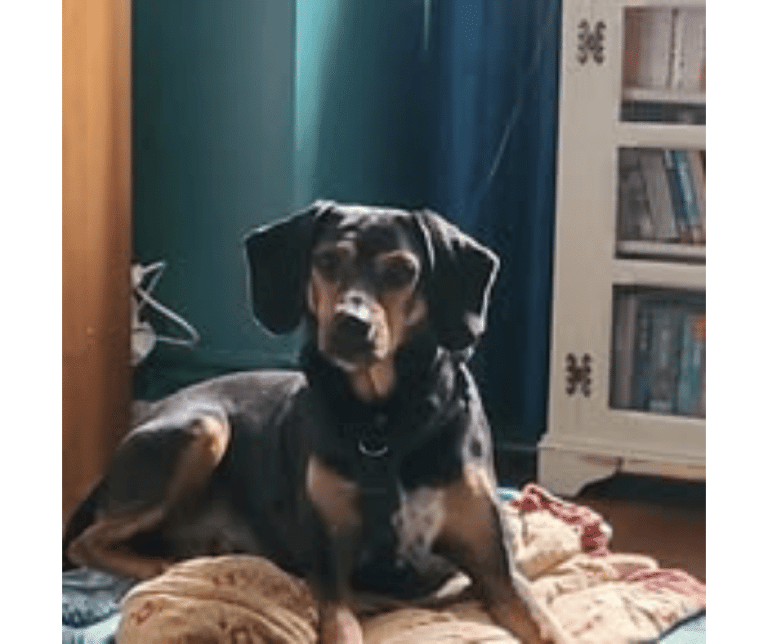
Updated October 2026 | By Derek (Del) Chambers, Finchley Dog Walker
Choosing a vet is one of the most important decisions we make for our pets.
It’s not simply about finding the nearest surgery or comparing consultation prices. You need a veterinary team you feel comfortable talking to, one that understands your pet’s individual needs and explains things clearly when you’re worried.
And if you have a nervous dog, choosing the right vet can make an enormous difference.
I’ve been walking dogs and caring for pets around Finchley and Muswell Hill since 2011. Over those years, I’ve got to know quite a few local veterinary practices through my own animals, the dogs I care for and conversations with their owners.
I’m not a vet, and this isn’t a list of the supposedly best veterinary surgeries in North London.
It’s a practical guide based on my experience, what I hear from local pet owners and the questions I’d encourage anybody to ask before registering.
It also includes a little story about my rescue dog, Roxy, because she taught me just how important the person behind the consultation-room door can be.
Quick answer: How do you choose a good local vet?
When comparing veterinary practices, I’d look at:
- How the veterinary team handles nervous or frightened animals.
- Experience with your particular type of pet.
- Clear explanations about treatment and costs.
- Location and ease of getting there.
- Appointment availability.
- Continuity of care, particularly for ongoing conditions.
- Emergency and out-of-hours arrangements.
- Recommendations from people whose judgement you trust.
- Whether you feel listened to and comfortable asking questions.
Most importantly, consider the individual animal.
The vet who suits a confident young dog may not necessarily be the best choice for a nervous rescue dog, an elderly cat or a rabbit needing specialist care.
For an independent starting point, you can use the RCVS Find a Vet service.
Why choosing the right vet matters: Roxy’s story
My rescue dog Roxy wasn’t what you would call enthusiastic about veterinary visits.
In fact, she hated going to the vet.
She was also uncomfortable around men, which made some situations even more difficult for her.
As anyone who has shared their life with a nervous rescue dog will understand, it can be upsetting seeing them frightened when you’re only trying to get them the care they need.
When The Finchley Vet opened, we decided to give it a try.
That was when Roxy met Oliver, known professionally as Oli Robinson.
What made the difference for us wasn’t a fancy waiting room or a particular piece of equipment.
It was the way Oliver understood nervous dogs.
He seemed to appreciate that Roxy needed patience and understanding, rather than being expected to behave like a confident dog happy to be examined by anybody.
And something rather lovely happened.
Roxy, who had previously hated veterinary visits and was particularly wary of men, became much happier going to see him.
For a dog like Roxy, that was a big achievement.
Oliver became our vet.
I can’t promise that every nervous dog will respond in the same way, and every animal is different. But that experience has stayed with me.
It reinforced something I already believed through my work with rescue dogs: the way we approach an animal can be just as important as what we’re asking them to do.
Roxy and Missy are sadly no longer with us, but the lessons they taught me continue to influence how I work with dogs today.
For more about my approach to nervous and rescue dogs, see Rescue Dog Support in Finchley.
Local veterinary practices worth considering
Several veterinary practices serve Finchley, Muswell Hill, Highgate, Crouch End, and surrounding North London areas.
I’ve included a few I know personally or hear about through local pet owners, together with other useful options.
These aren’t paid placements, and I’m not ranking one practice above another.
Where I have direct experience, I’ve said so. Where comments come from clients or other dog owners, I’ve made that clear too.
Practice details, staff, fees and services can change, so always check directly before making arrangements.
The Finchley Vet, North Finchley
Address: 599 High Road, North Finchley, London N12 0DY
This is the practice I have the strongest personal connection with because of Roxy.
Founded by veterinary surgeon Oli Robinson in 2016, The Finchley Vet provides veterinary care for local pets from its North Finchley surgery.
As I’ve already explained, Oli’s understanding of Roxy’s nervousness made a genuine difference to her experience.
That’s why I have such positive memories of the practice.
For me, it demonstrated the value of patience, sensible handling and treating an animal as an individual.
Of course, my experience with Roxy is personal. That doesn’t guarantee every pet will have the same experience.
But if I were looking for a vet for a nervous dog, I’d ask how the practice approaches frightened animals and whether it can make suitable adjustments to appointments.
The practice’s website also explains its routine and out-of-hours veterinary arrangements.
The Finchley Vet: Emergency Care Information
Two by Two Veterinary Centre, Finchley
Address: 178–180 Long Lane, Finchley, London N3 2RA
Visit Two by Two Veterinary Centre
Two by Two is another local veterinary practice that comes up regularly in conversations with my clients.
Quite a few of the dogs I work with are registered there, and over the years I’ve heard lots of positive comments from their owners.
That’s worth mentioning because recommendations from people who actually use a practice can provide helpful insight.
However, these are their experiences rather than my own assessment of the veterinary treatment provided.
If you’re considering Two by Two, I’d suggest asking about its services, the veterinary team, fees, appointments and arrangements for your particular pet.
The practice has a Finchley branch and another near Alexandra Palace.
Its website also provides information about opening hours and emergency care.
Two by Two: Opening Hours and Emergency Arrangements
Hills Veterinary Surgery, Crouch End
Address: 178 Park Road, Crouch End, London N8 8JT
Visit Hills Veterinary Surgery
Hills Veterinary Surgery is another practice I often hear good things about from local dog owners.
It’s a long-established family-run veterinary surgery in Crouch End, founded in 1972.
Although I’m not presenting this as a personal clinical review, I think it’s useful to mention practices that local owners regularly speak positively about.
For people living around Crouch End, Muswell Hill or parts of Highgate, Hills may be worth including when comparing local veterinary options.
As always, I’d ask about the services appropriate for your animal, appointment arrangements, costs and what happens when the practice is closed.
Hills Vets: Contact and Emergency Information
Other practices in North London
There are plenty of other veterinary options around East Finchley, Muswell Hill, Bounds Green, Whetstone and nearby areas.
These include both independently owned surgeries and branches of larger veterinary groups.
I haven’t tried to create an exhaustive list.
Veterinary teams, services, and opening arrangements can change, and a directory can quickly become outdated.
Instead, I’d suggest using the RCVS Find a Vet directory to identify practices near you, then contacting two or three that appear suitable.
What I’d ask if I had a nervous or rescue dog
Roxy’s experience shows why this matters to me.
Some dogs cope well with veterinary visits.
Others become worried by travelling, unfamiliar smells, people approaching them or being examined.
A frightened dog may bark, try to move away or become unusually quiet.
None of those responses automatically means the dog is being difficult.
Before registering a nervous dog, I would ask:
- Can we arrange an appointment at a quieter time?
- Can we wait outside rather than in a busy waiting room?
- How does the team approach dogs who are worried about handling?
- Can the vet allow pauses where clinically appropriate?
- Is it possible to arrange a gentle familiarisation visit?
- Can we discuss a plan before an examination or procedure?
- What veterinary options are available if the dog is severely frightened?
For some dogs, gradual preparation and reward-based handling can make appointments easier.
Others may need specific veterinary support, particularly when an urgent examination is necessary, or the dog has previously shown fear-related aggression.
I wouldn’t force a dog through unnecessary handling to prove they can tolerate it.
And I wouldn’t delay important veterinary treatment while hoping a training problem resolves itself.
My Dog Behaviour and Body Language Hub explains how dogs communicate discomfort.
Is an independent vet better than a veterinary chain?
This is a question owners sometimes ask.
North London has independent veterinary practices and surgeries belonging to larger organisations.
I wouldn’t automatically assume one is better than the other.
Independent practices may appeal to owners who prefer a smaller team or a particular approach.
Larger groups may offer access to additional branches or facilities.
But neither arrangement guarantees better or worse treatment.
I’d judge each practice on its own merits.
Consider:
- Experience and qualifications.
- Communication.
- Continuity of care.
- Available facilities.
- Emergency arrangements.
- How comfortable your pet appears.
- How clearly they explain treatment options and costs.
The Royal College of Veterinary Surgeons’ Guide to Choosing a Veterinary Practice explains the different types of veterinary ownership and practical considerations.
What about online reviews and local recommendations?
I do think recommendations from other owners can be useful.
That’s why I’ve mentioned the positive things I hear about Two by Two and Hills.
But I wouldn’t decide based on star ratings alone.
People may leave reviews after very different experiences, and the circumstances aren’t always clear.
I’d look for comments about communication, accessibility, how worried animals are treated and whether owners understood their pet’s care.
Then I’d speak directly to the practice.
A veterinary clinic can have excellent online reviews and still not be the best fit for your particular animal.
Similarly, a single negative review doesn’t automatically mean poor care.
For me, real recommendations are a helpful starting point, not the final answer.
Choosing a vet for cats, rabbits and other pets
Although much of my experience involves dogs, Finchley Dog Walker also cares for cats and other household animals.
The same veterinary practice won’t necessarily suit every species.
Cats
Some cats become highly distressed during travel or in unfamiliar waiting rooms.
I’d ask whether the practice offers:
- Separate waiting arrangements where possible.
- Quiet appointment times.
- Suitable feline handling.
- Experience with ongoing feline health conditions.
- Clear emergency arrangements.
My Cat Care Advice Hub contains further information for cat owners.
Rabbits and small animals
If you have rabbits, guinea pigs, birds or other small pets, ask specifically whether the team routinely treats that species.
Some practices refer complex cases elsewhere, which can be an entirely appropriate decision.
It’s better to know about those arrangements before an emergency.
If a rabbit stops eating or passing droppings, contact a vet urgently rather than waiting for a routine appointment.
Don’t choose a vet on consultation price alone.
Veterinary fees matter, especially when household budgets are under pressure.
But the cheapest initial consultation doesn’t always represent the best overall value.
Ask about:
- Routine consultation fees.
- Follow-up appointments.
- Prescription charges.
- Diagnostic tests.
- Dental treatment.
- Surgery and hospitalisation.
- Written estimates.
- Payment arrangements.
- Out-of-hours consultation charges.
Veterinary practices should explain proposed treatment costs clearly enough for you to make an informed decision.
If you’re uncertain, ask questions.
For an independent explanation, read the GOV.UK Guide to Choosing a Veterinary Practice and Treatment.
Monthly health plans versus pet insurance
Some practices offer monthly preventive healthcare plans.
These may include particular vaccinations, parasite prevention or other specified services.
But a health plan isn’t necessarily the same as pet insurance.
It may not cover unexpected illness, major surgery or emergency hospitalisation.
Read the terms and ask exactly what’s included.
Don’t assume dental checks mean dental treatment is covered, either.
Emergency veterinary care: Ask before you need it
Every pet owner should know this.
What happens if your dog becomes seriously unwell at midnight?
Where would you take your cat on a Sunday?
Who would treat your rabbit during a bank holiday?
Some local practices use separate emergency veterinary hospitals when they’re closed.
That may mean travelling to another part of North London.
Before registering, ask:
- Who provides emergency care outside normal opening hours?
- Where is the emergency clinic?
- Is the service suitable for your pet’s species?
- Are animals monitored overnight if admitted?
- How are records shared with your usual vet?
- What additional charges may apply?
Keep the emergency details somewhere accessible.
If your pet becomes seriously ill or injured, don’t wait for an online article to tell you what to do. Contact an appropriate veterinary emergency provider.
My Dog First Aid Hub explains practical preparation, but it doesn’t replace veterinary treatment.
Can you change vets if a practice no longer suits you?
Yes.
You don’t have to stay with the first practice you register with.
Sometimes circumstances change.
You might move house, your pet may develop a condition requiring specialist care, or you may feel that another practice would be more suitable.
You can discuss transferring veterinary records and any ongoing treatment with the new practice.
If you’re considering a second opinion, it’s also reasonable to ask for one.
I would focus on keeping the animal’s care running smoothly rather than making the change unnecessarily confrontational.
Why veterinary details matter when arranging a pet sitter
As a professional pet carer, I need to know a client’s veterinary arrangements before beginning appropriate bookings.
That includes the normal practice, emergency provider and relevant health information.
For example, I’d want to know:
- Which vet normally treats the pet.
- Who to contact in an emergency.
- Whether the pet takes medication.
- Any relevant allergies or health conditions.
- What arrangements have been agreed if the owner cannot be reached.
- Whether the pet has special handling needs.
Those details matter just as much for cats and rabbits as they do for dogs.
They can be particularly important during overnight house sitting or longer periods away.
My House Sitting Service focuses on keeping pets in familiar surroundings and following their agreed routines.
I also provide Cat Sitting Visits in Finchley.
If you want to organise everything beforehand, see my Emergency Pet Care Plan Guide.
My checklist for choosing a local vet
Before registering with a veterinary practice, I’d suggest checking the following.
- The practice treats my pet’s species.
- I understand how the practice handles nervous animals.
- The location is practical for routine and urgent visits.
- I know the normal opening hours.
- I understand out-of-hours arrangements.
- I’ve checked the services available at the branch.
- I know how costs and estimates are explained.
- I understand any monthly health-plan arrangements.
- The team has answered my questions clearly.
- I’ve considered recommendations from owners I trust.
- I know how to book an appointment.
- I’ve saved the emergency contact details.
The right practice isn’t necessarily the one with the longest list of facilities.
It’s the one that can meet your pet’s needs and gives you confidence in the arrangements.
Frequently asked questions
How do I choose a good vet in Finchley or Muswell Hill?
Start with local practices, check the RCVS directory and compare their services, location, fees, emergency arrangements and experience with your pet’s particular needs.
Is The Finchley Vet good with nervous dogs?
My personal experience with Roxy and Oli Robinson was extremely positive. She had previously been frightened of vets and uncomfortable around men, but became much happier attending his practice. That’s my experience, not a guarantee for every dog.
Do local dog owners recommend Two by Two?
Several of my dog-walking clients use Two by Two, and I’ve heard many positive comments about the practice. I’d still recommend speaking directly to the veterinary team to decide whether it suits your pet.
What have you heard about Hills Veterinary Surgery?
I’ve heard positive comments about Hills from local dog owners. It’s a long-established family-run practice in Crouch End, but you should check its current services and arrangements for your animal.
Is an independent vet better than a chain?
Not necessarily. Both independent and group-owned practices can provide excellent care. Assess the veterinary team, facilities, communication and suitability for your pet.
Should I register before my pet becomes ill?
Yes. It’s sensible to establish normal veterinary arrangements and identify the emergency provider before you need urgent treatment.
What if my dog is frightened of men or veterinary handling?
Explain their history before the appointment. Ask about quieter appointments, appropriate handling arrangements and whether veterinary support is needed for severe fear.
Do all local vets treat rabbits?
No. Experience and facilities vary. Ask whether the practice regularly treats rabbits and how it manages urgent or specialist cases.
What should I do if I’m unhappy with my vet?
Discuss your concerns where appropriate. You can also seek another veterinary opinion or change practices, while making sure ongoing treatment continues safely.
Final thoughts
Roxy taught me an awful lot during her life.
One of those lessons was that an animal’s experience can change when somebody takes the time to understand them.
She hated going to the vet, and being uncomfortable around men made it even harder.
Yet when she met Oliver at The Finchley Vet, things were different.
Seeing her become happier about veterinary visits meant a great deal to me.
That’s why I always encourage owners to look beyond the price list and the location when choosing a practice.
Of course, facilities, qualifications and emergency arrangements matter enormously.
But so do patience, communication and an understanding of the individual animal.
We’re fortunate to have several veterinary options around Finchley, Muswell Hill and neighbouring areas.
Speak to the practices.
Ask questions.
Listen to other pet owners’ experiences.
And choose the veterinary team that feels right for your pet.
Further reading and trusted sources
Local veterinary practices
Independent veterinary guidance
- RCVS: Choosing a Veterinary Practice
- GOV.UK: Choosing a Vet Practice and Treatment
- RCVS: I’ve Found a Practice I Like – What Next?
Finchley Dog Walker guides
- Rescue Dog Support in Finchley
- Dog Behaviour and Body Language Hub
- Cat Care Advice Hub
- Dog First Aid Hub
- Emergency Pet Care Plan
Disclaimer: This article shares my personal experiences, comments I’ve heard from local owners and general advice about choosing veterinary care. It is not an assessment of the clinical quality of individual practices. Veterinary services, staff, fees and emergency arrangements may change. Always check directly with the practice and seek professional veterinary advice for your pet’s health.
Originally published December 2025. Substantially revised October 2026.