

The short answer is generally no. However, the long answer is not as clear-cut about whether dogs need a winter coat.
Is it possible that your pup may need extra protection from the elements during the colder seasons? The answer to this question depends on several factors, including your dog’s breed. The age of your dog. The weather of your local environment and the amount of time spent outdoors.
Read on to help you determine whether you need winter coats for dogs.
Observation
The best way to decide if your dog needs a coat is to observe them. For example, my Collie is quite happy to go out in the garden, even on a cold winter day and doesn’t appear to feel the cold. On the other hand, my rescue is not keen on going out when it is cold and would much rather snuggle under her blanket or sit in front of the radiator (or both). In this case, a winter coat helps.
Extra protection
During milder winters, your dog is unlikely to need extra protection; however, once the temperature falls below freezing, it depends on when you take your dog out for a walk, especially since conditions tend to improve mid-morning/afternoon. Not all dogs are the same, so it is worth monitoring their reaction.
Short Haired Dogs
Short-haired dog breeds will likely need extra weather protection in the winter. Shorter fur cannot keep away the cold and moisture of snow and other winter weather, which will make them feel the cold faster. A thick sweater or jacket will ensure your pup stays comfortable outdoors. Generally, short-haired dogs require winter coats,
Small Breeds
Tiny dogs don’t fare well in the colder weather, nor do larger breeds. And for the truly tiny, being so deep in snow can make the outdoors unbearable. Jackets are necessities for our littlest four-legged friends when romping outside, but they may even be needed indoors if your home is draughty or you’re trying to keep the heat low.
Old and Ailing Pets can benefit from winter coats.
As dogs get older or develop certain health conditions, they may benefit from the additional warmth a jacket or sweater provides. Older animals can regulate and retain body temperature less, so extreme temperatures can quickly make them very uncomfortable. Animals with health conditions and illnesses have the same issue, especially dogs with arthritis. Keeping them warm outdoors will help with bone and joint discomfort and help keep them dry in wet weather, which could further deteriorate their health.
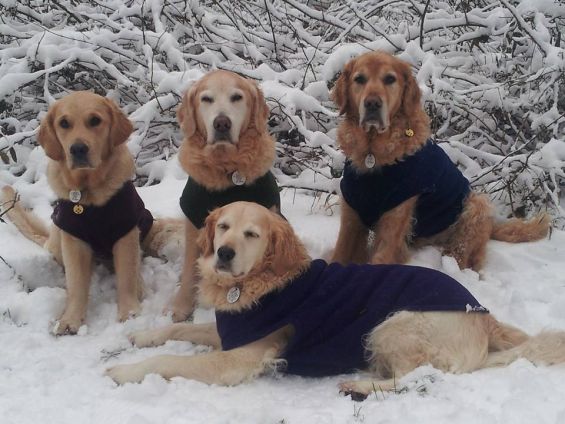
Talk to your vet about whether your dog needs a winter coat.
In general, vets advise dogs under 10 pounds to wear some clothing, as their small size means low body fat, which isn’t enough to generate adequate heat to keep them warm.
Short-haired breeds such as Chihuahuas and French bulldogs will likely be in the same position. Short-legged breeds are also more prone to the effects of falling temperatures. Dogs like the Dachshund will react more harshly to the cold because their bellies are closer to the ground and will encounter snow and ice repeatedly.
Dogs with vulnerable immune systems due to illness – kidney disease, diabetes, hormonal imbalances – will appreciate a helping hand in the form of an added layer of clothing to guard against further illnesses such as hypothermia.
Like the Siberian husky, big dogs with lots of hair, such as the Alaskan Malamute or German Shepherd, are unlikely to need a jacket since they are built to handle such temperatures. In contrast, other large canines, like the Greyhound, may not be too fond of going out in the cold as they have thin fur and not a high percentage of body fat.
How to put a winter coat on a dog
Once you’ve decided a jacket is suitable for your dog, don’t just throw one on it. Start with a light jacket, as it is important to ensure your dog doesn’t overheat or come to rely on a coat it doesn’t need.
You should also check that your style does not restrict your dog’s movement and that they can move around freely. Try to opt for designs that are waterproof, especially with our British weather!
Try the jacket on your dog and observe its reaction. Also, try not to put the layer on until you are about to go outside, and remember to remove it as soon as you return. Here is an article to help you get your dog used to winter jackets.
Boots
You may also want to have your dog try on boots or booties for added protection. They are great for providing paws with resistance against the cold ground, which in some areas may have been sprayed with toxic chemicals such as antifreeze.
Other benefits of winter coats for dogs
As long as your dog does not overheat in a winter coat, then I would also consider a jacket for your dog, as it offers other benefits such as:
- A jumper or a coat can help keep your dog clean, and so help keep your home clean
- help keep them warm
- Small dogs can benefit from a coat that offers protection and insulation.
- If you have an older dog with arthritis, then they will benefit from the warm jacket that can provide
Below are some winter-related articles by Derek “Del” Chambers, a Finchley dog walker


