A practical packing list and what actually helps your dog settle
If your dog is staying at home while you’re away, a bit of preparation makes a real difference.
I see it often.
Dogs don’t struggle because you’ve gone away.
They struggle when their routine suddenly changes or when things feel unfamiliar.
This guide keeps things simple. It’s based on what I actually use when I’m house sitting or caring for dogs in Finchley and the surrounding areas.
You can also check out my other services
Some of the links on this page may be affiliate links, including Amazon. As an Amazon Associate, I earn from qualifying purchases. If you choose to buy through them, I may earn a small commission at no extra cost to you. It helps me keep this site running and continue creating helpful guides.
Start with routine, not packing
Before you think about items, think about your dog’s normal day.
- when they eat
- when they walk
- where they settle
- what helps them relax
Write it down clearly.
A dog that knows what’s coming next is far more settled than one surrounded by new things.
I follow your routine as closely as possible during house sitting because that’s what dogs respond to.
You can read more about how I do that here:
House sitting
The essentials I always ask for
Food and feeding routine
- enough food for the full stay plus a few extra days
- clear written instructions
- any supplements or toppers
- Any allergies or food intolerncea
Whee, possibly some good natural chews to help them settle in the evening
Avoid changing food just before you leave. It’s one of the most common causes of upset stomachs.
The PDSA also highlights dietary consistency as key to avoiding digestive issues in dogs.
Walking kit that your dog already knows
- a well-fitted harness
- a standard lead
- a spare lead if you have one
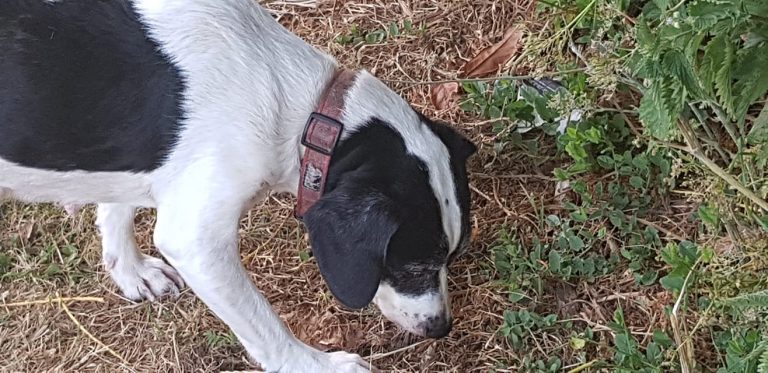
- collar with ID tag
If your dog is nervous or reactive, the setup matters.
I stick to calm, one-to-one walks and avoid busy group situations so dogs can stay under threshold. I also offer calm one-to-one dog walks as a separate service
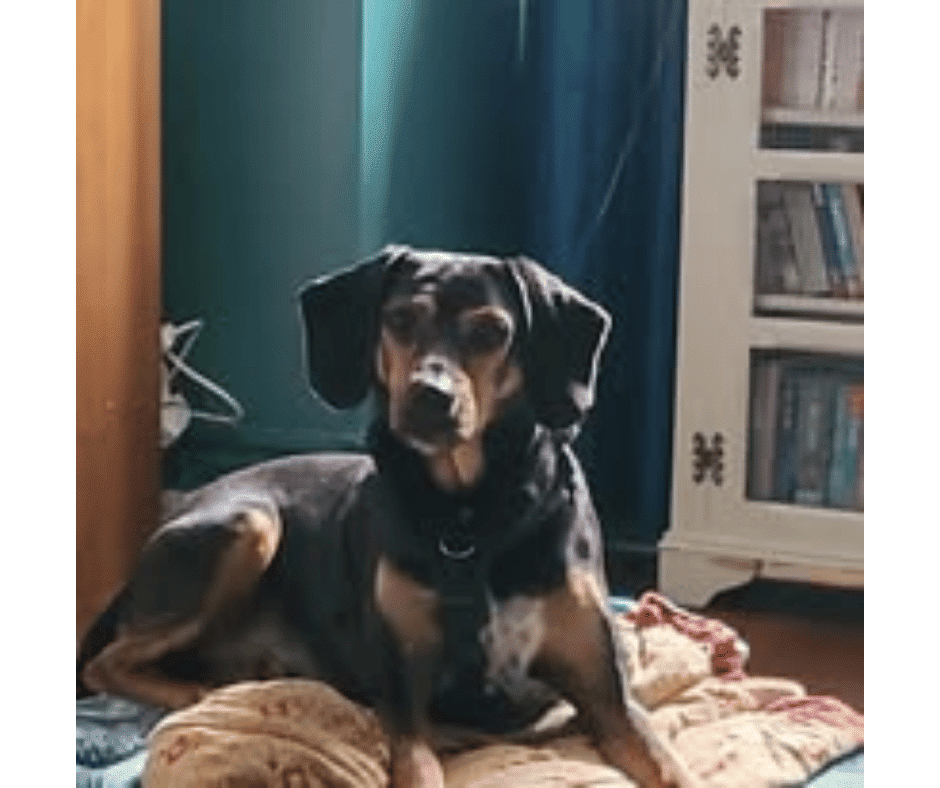
Bedding and comfort items
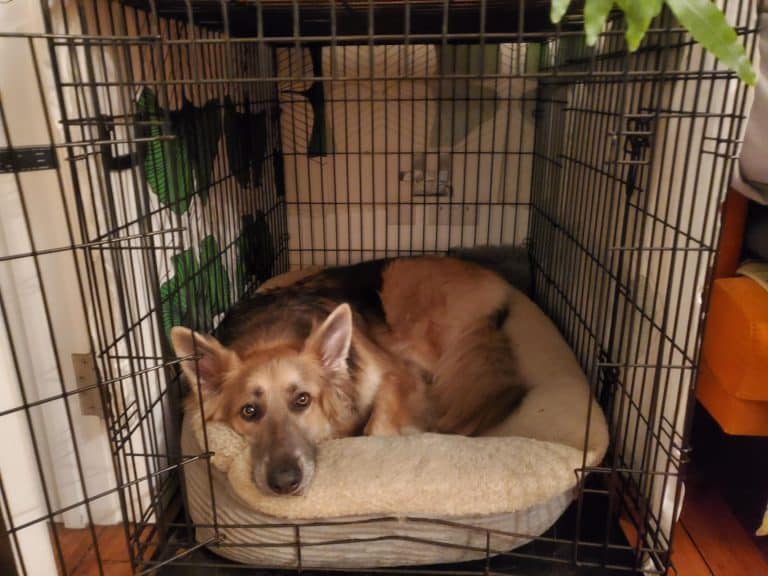
- their usual bed or blanket
- something that smells like their owners, so leaving a jumper that has not been washed
- a favourite toy
This helps most in the evenings when things quieten down.
I’ve had dogs in Muswell Hill and East Finchley settle within minutes just by having their own blanket in the right spot.
Enrichment that actually helps dogs settle
Not every dog needs longer walks when you’re away.
Many need help switching off.
Simple enrichment works well:
- lick mats for calming
- snuffle mats for feeding
- puzzle feeders in short sessions
- scatter feeding in the garden
I use these regularly during house sitting, especially in warmer weather or with nervous dogs.
You can see the ones I use here al available on Amazon (I may earn a small commission if you buy from these links)
Lick mat
Snuffle mats
Puzzle feeder
Creating a simple scent box is also great
What helps dogs settle quicker
From experience across Coldfall Woods, Cherry Tree Wood and local home visits, these make the biggest difference:
- sticking to normal walk times
- keeping feeding consistent
- avoiding too many new items
- keeping evenings calm
Dogs don’t need a completely new setup.
They need something familiar. This is why the first 24 hours are important
What to avoid before you go
A few things I see that make settling harder:
- changing food at the last minute
- introducing brand new equipment
- overloading instructions
- Assuming more exercise fixes stress
However, calmer routines tend to work better than longer walks.
If your dog is anxious or reactive
Some dogs need a bit more structure.
- rescue dogs
- dogs that are easily overwhelmed
- dogs that struggle when left
In those cases, I focus on:
- quieter routes
- more space
- slower pacing
- enrichment instead of overexposure
What I use when caring for dogs at home
This is my standard setup across most homes:
- a comfortable harness
- a reliable lead
- long line for quieter spaces where appropriate
- lick mats for calming
- snuffle mats for feeding
- simple, consistent routines
You can see my recommended setup here:
Waterproof and easy to clean longline
Treat pouch with belt and poo bag holder
For a full kit breakdown:
[staycation dog kit page]
Adjusting for hot weather or busy periods
If your dog’s stay lines up with warmer weather or busy times of year, routines need to adapt.
I reduce walk length and increase mental stimulation instead.
- shorter walks
- shaded routes
- more enrichment at home
You can read more here:
[hot weather dog walking guide]
Quick staycation checklist
Before you go, make sure you have:
- food and clear instructions
- walking kit ready
- bedding and comfort items for both dog and sitter
- enrichment options
- emergency contact details, e.g., vet, a friend or a relative who can help in an emergency
Keep it simple. That’s what works.
Supporting this guide
If you’ve found this helpful, you can support more free guides by buying me a coffee

Final thoughts
A calm dog isn’t about doing more.
It’s about keeping things predictable.
If your dog can stay in their own home, follow their routine, and feel safe, that’s what makes the biggest difference.
If you need support with that, I offer calm, one-to-one walks and home-based care across Finchley and nearby areas.
FAQ
Leave food, clear instructions, walking equipment, bedding, and emergency contacts. Routine matters more than anything else
Some do, especially if routines change. Keeping things familiar helps reduce this
Is house sitting better than kennels?
Stick to normal routines, provide familiar items, and use simple enrichment, such as lick mats or snuffle feeding.
Not necessarily. Over-exercising can increase stress. Calm, consistent routines work better
Disclaimer
This guide is based on experience and general welfare guidance. It is not a substitute for veterinary advice. If your dog shows signs of illness, stress, or behavioural changes, contact your vet. This follows UK guidance under the Veterinary Surgeons Act.
Updated March 2026