If you share your home with a dog or cat, you’ll know that preparing food rarely goes unnoticed.
Open the fridge, and somebody appears.
Start chopping chicken, and suddenly you have an audience.
Drop a piece of carrot, and your dog may have swallowed it before you’ve even looked down.
Most of the time, it’s harmless. But kitchens can be surprisingly dangerous places for pets, particularly when we’re busy cooking.
Hot ovens, dropped food, sharp utensils, rubbish bins and ingredients that are perfectly safe for people can all cause problems.
I’ve been caring for dogs and cats around Finchley and Muswell Hill since 2011, and I always think prevention is easier than dealing with an emergency.
Here’s how to keep your pets safe while preparing meals, including those particularly chaotic occasions when you’re cooking Christmas dinner.
Summary
Keeping pets safe during meal preparation means preventing access to poisonous foods, hot cooking equipment, sharp utensils, food packaging and kitchen waste. Chocolate, grapes, raisins, onions, garlic and certain sweeteners can be dangerous to pets. Use secure bins, clean spills promptly and provide a comfortable space away from cooking. If your pet eats something potentially poisonous or swallows a dangerous object, contact your vet immediately rather than waiting for symptoms.
Table of contents
- Why Can Kitchens Be Dangerous for Dogs and Cats?
- 1. Know Which Kitchen Foods Are Dangerous to Pets
- 2. Keep Pets Away From Hot Ovens, Hobs and Pans
- 3. Create a Comfortable Space Away From Cooking
- 4. Don’t Leave Dangerous Food or Packaging on Worktops
- 5. Secure the Kitchen Bin
- 6. Clean Up Spills Safely
- 7. Be Particularly Careful With Christmas Dinner
- 8. Give Your Pet Something Suitable to Do While You Cook
- 9. Teach Visitors Not to Feed Your Pets
- 10. What If Your Pet Eats Something Dangerous?
- 11. Don’t Forget Smaller Pets
- 12. Make Kitchen Safety Part of Your Pet-Sitting Handover
- Frequently Asked Questions
- A Safer Kitchen Makes Everyday Life Easier
- Related Guides
Why Can Kitchens Be Dangerous for Dogs and Cats?
The kitchen is one of the busiest rooms in most homes.
It’s also where we keep food, cleaning products, electrical appliances and plenty of objects that don’t belong in an animal’s mouth.
Dogs may investigate food left on a low surface, or something dropped on the floor.
Cats may jump onto worktops, investigate packaging or attempt to sample food while nobody is looking.
The risk increases when several things happen at once.
Perhaps you’re preparing Christmas dinner, the oven is on, somebody is opening presents and relatives are arriving.
Your dog is following everyone around, hoping something edible might appear.
Meanwhile, the cat is studying the kitchen worktop as though planning a particularly ambitious burglary.
It’s easy to miss something.
I prefer to make the environment safer before cooking rather than rely on constantly telling an animal to move away.
1. Know Which Kitchen Foods Are Dangerous to Pets
Not everything we enjoy eating is suitable for dogs and cats.
Some foods are toxic. Others are unsuitable because of their fat content, seasoning, preparation or physical risks.
Chocolate
Chocolate contains theobromine, which can poison dogs and cats.
Dark chocolate and baking chocolate are particularly concerning because they generally contain more theobromine.
If you think your pet has eaten chocolate, contact your vet promptly.
Don’t wait for vomiting, shaking or other symptoms.
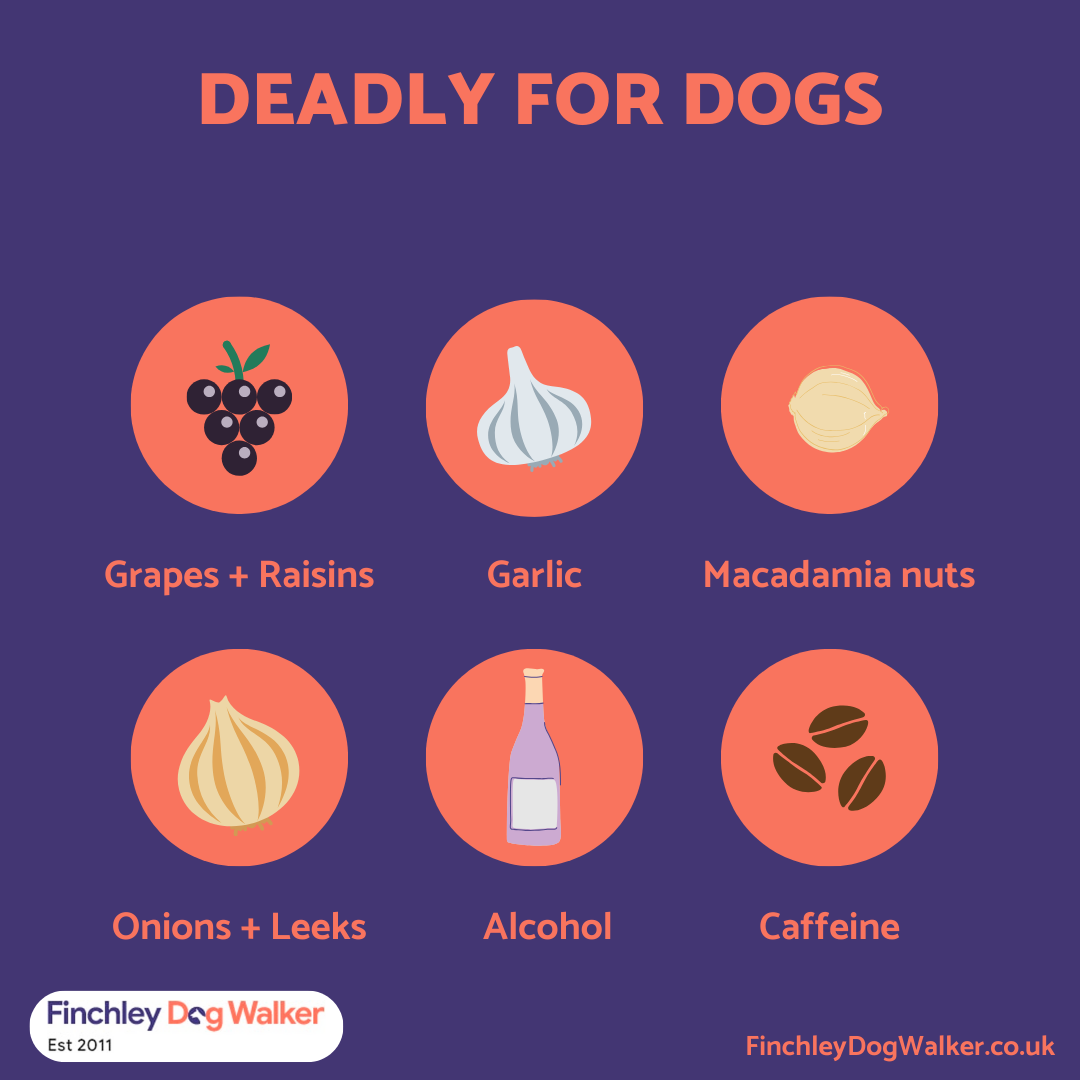
Grapes, raisins, sultanas and currants
These fruits can cause serious poisoning in dogs, including kidney injury.
No reliably safe quantity has been established for dogs.
Take particular care with mince pies, fruit cakes, hot cross buns and other foods containing dried fruit.
Keep cats away from these foods too.
Onions, garlic, leeks and chives
These ingredients can damage red blood cells in dogs and cats.
They remain potentially harmful when cooked, dried or powdered.
This is why I wouldn’t offer a dog or cat ordinary stuffing, onion gravy or heavily seasoned leftovers.
Xylitol and other sweeteners
Xylitol, sometimes labelled birch sugar, is particularly dangerous to dogs.
It may appear in sugar-free sweets, chewing gum, baked goods and some nut butters.
Check ingredients before offering any food containing sweeteners.
Don’t assume that a food described as sugar-free is safe for pets.
Alcohol and caffeine
Alcohol can be dangerous to pets, including alcohol used in cooking or desserts.
Caffeine-containing products such as coffee grounds, chocolate and certain drinks must also be kept out of reach.
For a fuller list, visit my Foods Toxic to Dogs Guide and Cats Protection’s guide to human foods and cats.
2. Keep Pets Away From Hot Ovens, Hobs and Pans
Food poisoning isn’t the only kitchen danger.
Burns and scalds can happen when an animal touches a hot oven door, knocks against a pan or gets splashed by boiling water.
Cats may jump onto a hob without realising it has recently been used.
Dogs can also get under your feet while you’re carrying hot dishes.
My kitchen safety rules
- Keep pan handles turned away from accessible edges.
- Never leave cooking unattended where pets can reach it.
- Keep animals away when opening a hot oven.
- Don’t leave hot baking trays or pans on low surfaces.
- Be careful when carrying boiling water, gravy or cooking oil.
- Prevent pets from investigating a hob that remains hot after cooking.
If you have a particularly curious cat, think carefully about how you prevent access to recently used cooking surfaces.
What if your pet gets burnt?
Move them away from the heat source if it’s safe.
Cool the affected area with cool running water for approximately 20 minutes where practical and safe, while arranging urgent veterinary advice.
Avoid ice, creams, butter or homemade treatments.
Take care not to chill the rest of your pet’s body, particularly if they are small.
Do not force painful handling or delay urgent treatment when you cannot cool the injury safely.
Contact your vet for any suspected burn.
The Royal Veterinary College’s pet first-aid guide provides further advice about burns and other emergencies.
3. Create a Comfortable Space Away From Cooking
One of the simplest ways to prevent accidents is to give your pet somewhere to settle while you’re preparing food.
For some dogs, this might be a familiar bed in another room.
Others may be comfortable behind a suitable safety gate, provided they have been gradually introduced to that arrangement.
The aim isn’t to punish your dog for being interested in dinner.
It’s to prevent accidents while allowing them to feel comfortable.
Helping dogs settle
I would start by:
- Choosing a quiet, comfortable area.
- Introducing it before the kitchen becomes busy.
- Providing fresh water.
- Making familiar bedding available.
- Rewarding your dog for choosing to settle.
- Keeping the arrangement appropriate to their age, health and individual needs.
Don’t suddenly shut a frightened or separation-sensitive dog away and assume they’ll settle.
Some dogs need gradual confidence-building and suitable support.
My Dog Enrichment Ideas Guide includes practical ways to make quiet time more enjoyable.
What about cats?
Cats often prefer having somewhere elevated or enclosed to retreat.
Rather than constantly removing a cat from the kitchen, make other areas attractive and comfortable.
Provide appropriate resting places, familiar scents and opportunities to move away from busy household activity.
Don’t lock a cat into an unsuitable space or disrupt their normal access to essential resources.
4. Don’t Leave Dangerous Food or Packaging on Worktops
A counter may seem safely out of reach, but some dogs are accomplished counter-surfers.
Cats are even more capable of reaching areas we thought were inaccessible.
Food packaging can be dangerous too.
Common hazards include:
- Plastic wrappers and bags.
- Cling film.
- Foil.
- Cocktail sticks.
- Skewers.
- Food-preparation string.
- Corn cobs.
- Cooked bones.
- Discarded packaging that smells of meat.
Some items can cause choking, injuries or intestinal blockages even when they aren’t chemically poisonous.
A dog swallowing cooking string or a corn cob requires veterinary advice, not a wait-and-see approach.
Watch the turkey string
This is particularly important at Christmas.
Cooking string can smell and taste like meat.
Some animals may chew or swallow it.
Remove the string carefully once it’s no longer required and put it straight into a bin your pets cannot access.
The RSPCA’s Christmas pet-safety guidance highlights the dangers of food packaging, meat bones and other festive leftovers.
5. Secure the Kitchen Bin
A kitchen bin can contain an extraordinary collection of things that interest a dog.
Chicken bones.
Meat packaging.
Leftover food.
Paper towels covered in gravy.
Something that has been sitting in the fridge for rather longer than anybody wants to admit.
From your dog’s point of view, it may look like an excellent buffet.
Unfortunately, eating food waste can cause poisoning, digestive illness or a blockage.
How I would manage kitchen waste
Use a secure bin with a properly fitting lid.
If your dog can open it, move the bin inside a cupboard or somewhere genuinely inaccessible.
Take extra care with:
- Meat bones and carcasses.
- Mouldy food.
- Food containing onions or garlic.
- Dried fruit.
- Used cooking oil and fatty scraps.
- Packaging and plastic.
- Cocktail sticks and skewers.
During Christmas meal preparation, consider taking particularly dangerous food waste directly to a secure outside bin.
Don’t leave bags of rubbish on the floor ready to be taken out later.
For some dogs, that’s rather like leaving the buffet open overnight.
6. Clean Up Spills Safely
Spills are almost unavoidable when cooking.
The key is knowing what you dropped and keeping pets away while you clean it up.
If you drop something potentially poisonous, prevent your pet from reaching it immediately.
Don’t assume you’ll get there before they do.
A Labrador can cross a kitchen remarkably quickly when something edible hits the floor.
Be careful with cleaning products too
Cleaning the spill shouldn’t introduce another hazard.
Use a cleaning product appropriate for the surface and follow its instructions.
Keep animals away from treated areas until it’s safe for them to return.
Never mix cleaning chemicals.
For more detail, read my Cleaning Products and Pets: How to Keep Dogs and Cats Safe.
7. Be Particularly Careful With Christmas Dinner
Christmas cooking brings several risks together.
There may be more food than usual, more people in the house and unfamiliar dishes containing ingredients your pets don’t normally encounter.
Foods I would keep away from dogs and cats include:
- Cooked turkey and chicken bones.
- Stuffing containing onion or garlic.
- Gravy and heavily seasoned sauces.
- Mince pies and Christmas pudding.
- Chocolate decorations and sweets.
- Alcoholic drinks and desserts.
- Fatty scraps and turkey skin.
- Food containing xylitol.
Can dogs eat any Christmas dinner?
Some plain, properly cooked, boneless and skinless meat and suitable vegetables may be acceptable in small amounts for healthy dogs.
But don’t offer seasoned leftovers simply because they contain familiar ingredients.
The PDSA’s advice on feeding dogs Christmas dinner explains which foods to avoid.
My Can Dogs Eat Christmas Leftovers? guide provides a more detailed food-by-food explanation.
What about cats?
Cats have their own nutritional needs and sensitivities.
A small amount of plain, properly cooked, boneless, skinless turkey may suit some healthy cats.
However, their normal complete diet should remain the priority.
The Cats Protection Christmas food guide explains the difference between an occasional suitable treat and a balanced everyday diet.
Don’t assume that every dog-friendly food is suitable for cats, or vice versa.
8. Give Your Pet Something Suitable to Do While You Cook
You don’t need to distract your pet with food every time you enter the kitchen.
For many animals, resting somewhere comfortable is perfectly fine.
However, some dogs enjoy a simple food-enrichment activity when the household is busy.
You could use part of their normal food allowance in a suitable food toy.
Optional enrichment products
Affiliate disclosure: The following product links are affiliate links. As an Amazon Associate, I earn from qualifying purchases. If you buy through these links, I may receive a small commission at no extra cost to you. You don’t need to buy anything to follow the free advice in this article.
KONG Classic
A correctly sized KONG Classic can be filled with suitable food and used for supervised enrichment.
It’s one of the toys I recommend for dogs who enjoy this type of activity.
View the KONG Classic on Amazon UK
The linked product is recorded as the medium Classic in my affiliate register. Check the exact size and current listing before purchasing.
For help choosing, read my Complete Guide to KONG Toys.
LickiMat Tuff Soother Pro
Some dogs enjoy working through a small amount of their normal wet food on a suitable lick mat.
This can be a simple supervised enrichment activity.
View the LickiMat Tuff Soother Pro on Amazon UK
A lick mat isn’t suitable for dogs who are likely to chew or swallow it.
Read my Lick Mats for Dogs Guide for suitable fillings and safety considerations.
A puzzle feeder for cats
Some cats enjoy using a food puzzle rather than eating everything from a bowl.
The Nina Ottosson Buggin’ Out puzzle is one option recorded in my cat-enrichment product list.
View the Nina Ottosson Buggin’ Out Cat Puzzle on Amazon UK
Introduce puzzle feeding gradually and supervise as appropriate.
For more cat-specific recommendations, see my Best Cat Care Products UK Guide.
Remember, these products are optional.
If your pet is comfortable resting while you cook, there’s no need to turn every meal into an enrichment session.
And never leave an unfamiliar or chewable toy with an unsupervised animal simply because you’re busy in another room.
9. Teach Visitors Not to Feed Your Pets
Sometimes the biggest kitchen hazard isn’t the food.
It’s the helpful relative who believes every dog deserves a little taste of whatever they’re eating.
At Christmas, this can become a particular problem.
One person offers a bit of turkey.
Another gives the dog some cheese.
Somebody else decides a little stuffing won’t hurt.
By the end of the afternoon, your dog may have eaten several different foods without anybody knowing the full amount.
I would agree the rules before visitors arrive.
Ask everyone not to feed your pet without permission.
Explain that some ingredients are dangerous and that other foods may be unsuitable because of medical conditions or dietary restrictions.
For nervous dogs, also consider whether they need a quiet area away from visiting children and unfamiliar adults.
My Christmas With Dogs Guide covers managing visitors, routines, rest and other festive hazards.
10. What If Your Pet Eats Something Dangerous?
If your dog or cat swallows something potentially poisonous, don’t wait for symptoms before asking for veterinary advice.
Some substances can cause problems quickly.
Others may produce delayed symptoms.
What to do
- If it’s safe, prevent access to any more of the food or object.
- Contact your vet promptly.
- Keep the packaging or ingredient list if available.
- Explain what was eaten, approximately how much and when.
- Follow the veterinary team’s instructions.
If your pet has collapsed, is struggling to breathe, is having seizures or appears seriously unwell, seek emergency veterinary care immediately.
Never try to make your pet vomit using salt, oil, hydrogen peroxide or other home remedies unless a veterinary professional has specifically instructed you.
And don’t give medication intended for humans without veterinary guidance.
The PDSA’s guide to dogs eating harmful substances explains why early action matters.
You can also read my Dog Poisoning Guide or visit my Dog Health and First Aid Hub.
11. Don’t Forget Smaller Pets
Although this article concentrates on dogs and cats, rabbits, guinea pigs and other small pets also have species-specific dietary requirements.
Don’t offer them human leftovers simply because a particular vegetable appears on a safe-food list for dogs.
Rabbits and guinea pigs, for example, need a diet centred on appropriate hay and other suitable species-specific food.
Different animals cannot safely share every snack.
If you’re responsible for several types of pets, prepare their meals separately and follow their usual feeding instructions.
This is especially important if someone else is caring for them while you’re away.
12. Make Kitchen Safety Part of Your Pet-Sitting Handover
When I provide house sitting or cat sitting, I want to know the household routines before the owners leave.
That includes feeding arrangements and anything the animals shouldn’t be allowed to access.
Some dogs are perfectly happy sleeping while dinner is prepared.
Others will investigate every kitchen cupboard the moment somebody turns their back.
Cats can have their own habits too.
A cat who never jumps onto a worktop when their owner is watching may behave rather differently when the kitchen is quiet.
Information worth leaving for your pet sitter
- Your pet’s normal feeding instructions.
- Food allergies or medical diets.
- Any history of stealing food or investigating bins.
- Where food and cleaning products are stored.
- Which areas of the house pets can access.
- Veterinary and emergency contact details.
- Instructions for disposing of food waste.
- Any specific medication arrangements.
I offer overnight pet and house sitting in Finchley and nearby North London.
I also provide cat-sitting and feeding visits, following each cat’s normal routine as closely as possible.
Frequently Asked Questions
What foods are most dangerous to dogs in the kitchen?
Chocolate, grapes, raisins, onions, garlic and products containing xylitol are important poisoning hazards. Cooked bones, corn cobs and food packaging can also cause serious physical injuries or blockages.
Can cats eat Christmas turkey?
Some healthy cats can have a small amount of plain, properly cooked, boneless and skinless turkey. Avoid seasoning, gravy, bones and fatty skin. Their normal complete diet should remain the priority.
How can I stop my dog from getting under my feet while cooking?
Provide a comfortable alternative resting place, teach settling gradually and use a suitable barrier when appropriate. Avoid forcing a frightened dog into isolation.
Are kitchen safety gates useful for dogs?
They can be useful for suitable dogs when correctly installed and introduced. Check their stability, doorway fit and suitability for your dog. A gate isn’t appropriate for a dog that will panic, climb, or try to force its way through.
What if my pet eats cooked chicken or turkey bones?
Contact your vet promptly. Bones may cause choking, injury or intestinal blockage. Don’t induce vomiting or attempt home treatment without veterinary instructions.
Are kitchen cleaning products safe for pets?
Follow the product instructions and keep pets away from treated areas until it’s safe to return. Don’t assume a product is harmless simply because it is labelled natural or pet-friendly.
Can I give my dog a food toy while I prepare dinner?
Yes, if the toy, food and activity suit your dog. Introduce it under supervision and avoid leaving products with dogs likely to chew or swallow them.
Do I need to cook special meals for my pets at Christmas?
No. Most pets are perfectly happy following their normal feeding routine. Extra food is optional and should suit their species, health, and usual diet.
A Safer Kitchen Makes Everyday Life Easier
Living with pets doesn’t mean you need to spend every minute worrying about accidents.
It means making a few sensible changes before something goes wrong.
Keep dangerous food out of reach.
Secure the kitchen bin.
Don’t leave sharp objects, cooking string or hot pans where pets can reach them.
Give your animals somewhere comfortable to rest.
Make sure everyone in the household understands the rules.
I’ve cared for dogs and cats professionally since 2011, and my experience has taught me that familiar routines and simple precautions often make the biggest difference.
Especially at Christmas, when the kitchen is busy and everybody seems to be trying to cook six different things at once.
Your dog doesn’t need a share of the stuffing.
Your cat doesn’t need to inspect the turkey.
And neither of them needs to supervise the oven.
They’ll manage perfectly well without those responsibilities.
Related Guides
- Christmas With Dogs: Safety, Routine and Calm Festive Tips
- Can Dogs Eat Christmas Leftovers?
- How to Keep Your Cats Safe at Christmas
- Foods Toxic to Dogs
- Cleaning Products and Pets
- Dog Health and First Aid
- Cat Care Advice Hub
About the Author
I’m Derek (Del) Chambers, owner of Finchley Dog Walker.
Since 2011, I’ve provided professional dog walking, cat sitting and home pet care in Finchley, Muswell Hill and nearby areas of North London.
My work focuses on calm, individual care, reward-based handling, practical welfare and maintaining familiar routines.
I hold an Ofqual Level 3 qualification in Canine First Aid and continue to develop my knowledge through professional education.
Veterinary Disclaimer
This article provides general pet-care and safety information. It does not replace veterinary advice, diagnosis or treatment.
If your dog or cat may have eaten something poisonous, swallowed a dangerous object or suffered a burn, contact your veterinary practice promptly.
First published: 30 November 2024
Substantially updated: 6th November 2026]