Grooming looks simple when you see a neat dog walking down the street.
In real life, it can feel like hard work.
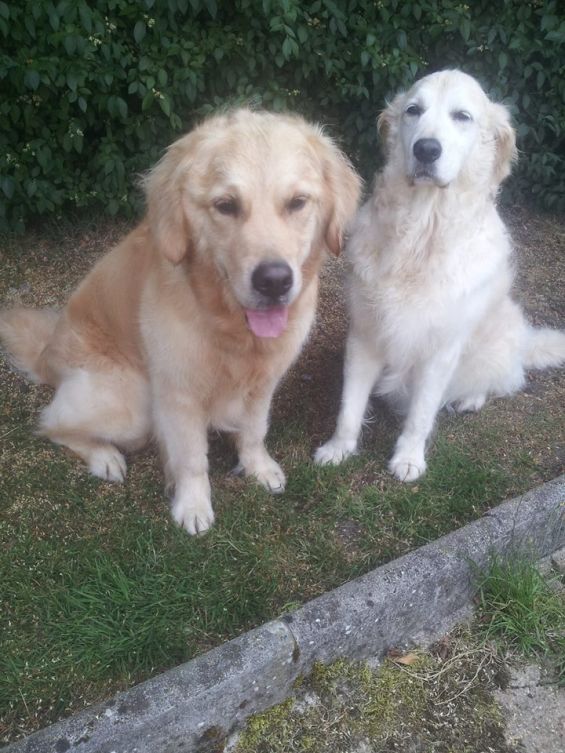
You’ve got a brush in one hand, treats in the other, and a dog who keeps turning their head as if to say, “No thanks”. Or you’ve got a rescue dog who freezes the moment you reach for their paws. Or you’ve got a thick coat that knots up the day after you brushed it.
So I want to start with one honest point.
Grooming is not a test of how “good” you are as an owner. It’s a skill you and your dog learn together.
My go-to dog grooming tip is this.
Keep sessions short enough that your dog still feels safe when you stop.
That matters more than finishing the job.
When you take that pressure away, everything else gets easier. Brushing a dog’s coat becomes a steady habit instead of a weekly battle. You spot changes sooner during a dog grooming health check. Nails, ears, teeth, and baths stop feeling like big events.
I work with plenty of dogs who cope well with grooming. I also work with dogs who don’t. Some have sensitive skin, whilst others have had matting that pulled at their skin. Some have not had kind handling in the past.
If your dog struggles, please don’t push through and hope they will “get used to it”. That often leads them to believe that grooming predicts stress.
You can teach the opposite.
You can teach your dog that grooming predicts good things. A few treats. A calm voice. A short session. Then done.
In this post, I’ll show you how to groom your dog at home in a way that respects their comfort. I’ll cover brushing, nails, ears, fleas and ticks, bathing, and teeth. I’ll also share what I do when a dog needs a gentler plan, which is common for rescue dogs.
If you’re local and you want support with handling, confidence, or calm routines, you can also see how I work here:
Services
My dog grooming tip for calmer sessions
Here’s the dog grooming tip I repeat the most.
Stop before your dog has had enough.
Not after. Before.
Look for the early signs your dog is done:
- turning their head away
- lip licking when there’s no food
- stiff body
- sudden scratching or sniffing the floor
- trying to step away
- pinned ears or widened eyes
When you see those signs, end the session. Toss a few treats on the floor. Put the brush away.
That ending is powerful. It tells your dog, “You can cope. I’m listening.”
How to groom a dog at home with a simple routine
If you want a routine you can repeat, keep it predictable.
Pick a calm time of day.
Use a non-slip mat.
Let your dog leave if they want to.
Then follow this simple plan.
Step-by-step home routine:
- Put the brush on the floor
- Scatter a few treats near it
- Let your dog approach
- Do one gentle stroke on the shoulder area
- Feed a treat
- Stop after 30 to 60 seconds
That’s it.
If your dog is fine with that, you can build slowly over days. Add a few more strokes. Move to a new body area. Keep breaks frequent.
If your dog is not fine with that, go smaller. Touch the brush to the body for one second. Treat. Stop.
This is where game-based training fits perfectly. I want your dog to feel they have a choice, and that their choice gets respected.
Brushing a dog’s coat and how often should I brush my dog
Brushing a dog’s coat is about comfort, skin health, and preventing matting.
It’s also a great time to slow down and notice what your dog’s body is telling you.
How often should I brush my dog
It depends on coat type and lifestyle.
Use this as a practical starting point:
- short coats: once or twice a week
- medium coats: two to four times a week
- long coats: little and often, with a comb check
- Curly coats: little and often, with special care around friction areas
- Double coats: more frequent brushing during heavy shedding
Friction areas matter. Coats tangle where there’s movement.
Check these first:
- behind the ears
- under the collar or harness
- armpits
- between the back legs
- around the tail
Tools and techniques that keep it kind
You do not need a cupboard full of kit.
You do need the right tool for your dog’s coat.
A simple approach:
- short coat: a grooming mitt or soft brush for loose hair
- longer coats: a pin brush, then a comb to check for snags
- wiry coats: a slicker brush, used gently
Technique:
- Brush in the direction the coat lies
- Use short strokes, not long, dragging pulls
- For knots, hold the hair at the base so you don’t tug skin
- work from the ends of the hair towards the skin
If you hit a mat that feels tight, don’t force it. Mats can hide sore skin. If you can’t loosen it with gentle finger work, get a groomer’s help.
Outdated advice worth updating:
You will still hear “just shave it, it’s better for them”. That isn’t always true, and it isn’t always needed. Some coats clip well, some do not. What matters most is preventing matting in the first place and choosing a coat plan that suits your individual dog. When in doubt, ask a qualified groomer to assess the coat before you book anything.
Dog grooming health check while you brush
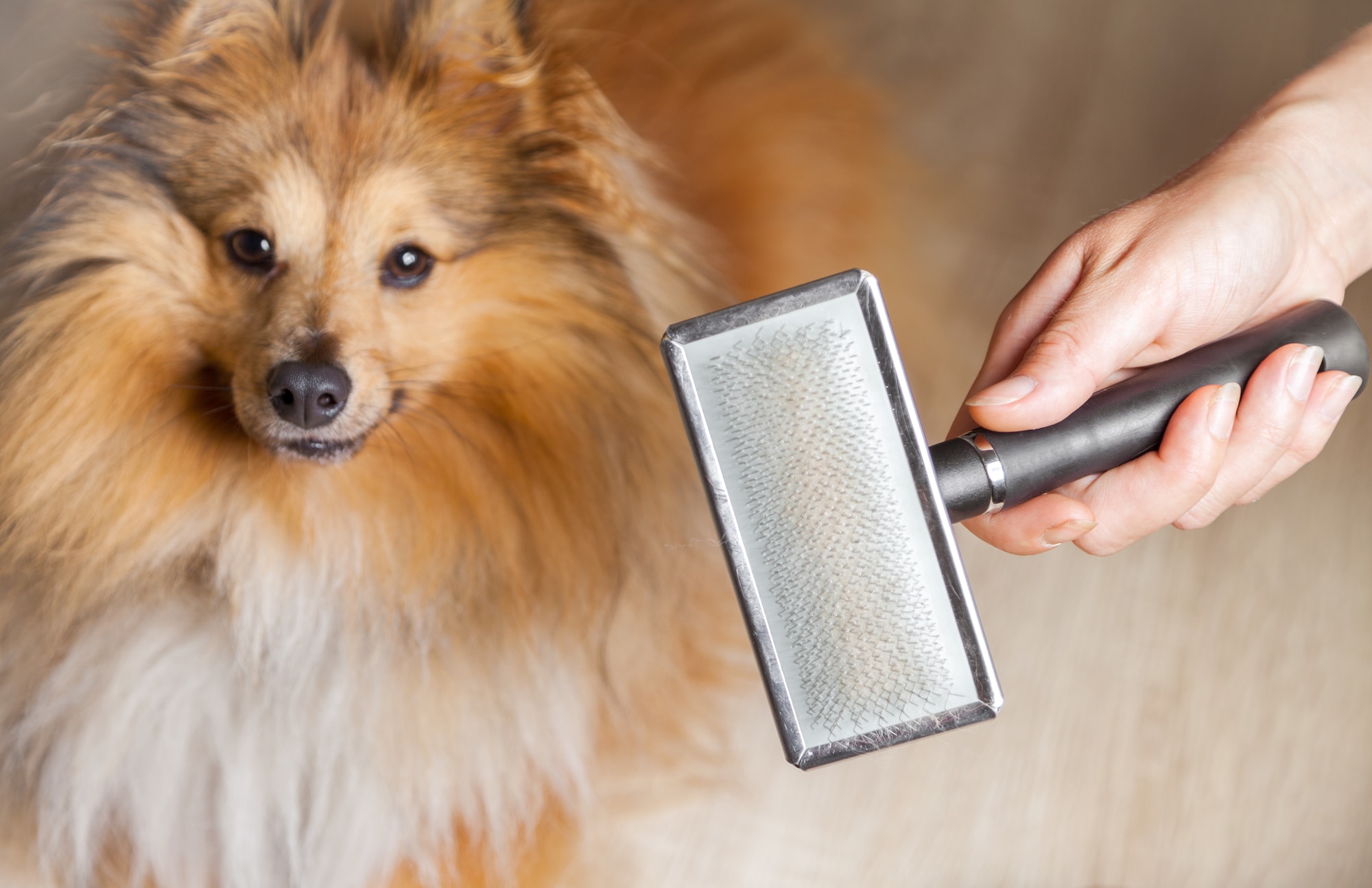
A dog grooming health check is one of the best reasons to keep grooming gently and regularly.
You notice small changes more quickly when you’re often hands-on.
Here’s what I check as I brush:
- new lumps, bumps, or swellings
- scabs, redness, or flaky patches
- sore areas under knots or mats
- strong skin smell that wasn’t there before
- sudden sensitivity when touched
- changes in weight or muscle over the shoulders and hips
- limping, stiffness, or reluctance to move
If you find something new, note the date and take a photo. If it changes, looks infected, bleeds, or seems painful, speak to your vet.
Check the dog for fleas and ticks during grooming.
It’s much easier to check a dog for fleas and ticks when you’re already brushing.
I do a quick scan with my hands first, then I use a fine comb.
Focus areas:
- neck and chest
- shoulders
- base of tail
- back legs
- around the ears
A simple flea check at home:
- comb a section of the coat
- wipe the comb on white tissue
- Add a drop of water
- Flea dirt often turns reddish-brown.
If you find fleas, you’ll need a plan for your dog and your home. Your vet is the best starting point for safe treatment choices.
If you find a tick, don’t squeeze it or smother it with products. Use a tick remover tool and follow veterinary guidance, especially if you’re unsure the whole tick has been removed.
Dog ear care and checking dog ears safely
Dog ear care is mostly about noticing what is normal for your dog.
Healthy ears usually look pale pink inside and smell neutral.
Stop and get advice if you notice:
- strong smell
- redness or swelling
- thick wax or discharge
- frequent head shaking
- repeated scratching
- pain when you touch near the ear
Checking dog ears should be quick and gentle.
I lift the ear flap, look, and sniff.
Cleaning is only needed if your vet has advised it, or if there’s visible dirt in the outer part of the ear.
Updated guidance:
People still reach for cotton buds. Please don’t. They can push the wax further into the ear canal, damaging it. If you need to clean, use cotton balls and a vet-recommended ear cleaner, and stay in the outer ear only.
Dog nail trimming tips and how to trim dog nails safely
Nails are a big deal because long nails change how your dog stands and moves.
They can also crack and split.
Here are my dog nail-trimming tips to make it less stressful.
Start by teaching your dog that paw handling predicts treats.
Then build towards clipping in tiny steps.
Training ladder:
- touch the shoulder, treat
- touch the leg, treat
- touch the paw, treat
- hold the paw for one second, treat
- Tap the nail with the clippers, treat
- clip a tiny tip off one nail, treat
- Stop for the day
That is how to trim dog nails safely for many dogs.
One nail a day is fine. Two nails a day is fine.
The goal is calm, not fast.
If you’re worried about the quick, especially with dark nails, ask your groomer or vet nurse to show you what they look for. That short demo saves a lot of stress later.
Bath time: how often to bathe a dog and what to use
How often to bathe a dog depends on what your dog gets into and how their skin copes.
Most dogs do not need frequent baths. Over-washing can dry the skin and increase itching. My own dogs generally get bathed twice a year,
I use this rule:
- If your dog is dirty or smelly, wash them
- If it’s dry mud, let it dry and brush it out
- If your dog has skin problems, follow your vet’s plan
Always use a dog shampoo for sensitive skin if your dog gets itchy, and avoid strongly scented products.
Two practical tips that help:
- Rinse for longer than you think you need
- , towel dry well, especially in folds and thick coats
Leftover shampoo can irritate skin. Damp coats can cause hotspots in some dogs.
Brushing a dog’s teeth with dog toothpaste (not human toothpaste)
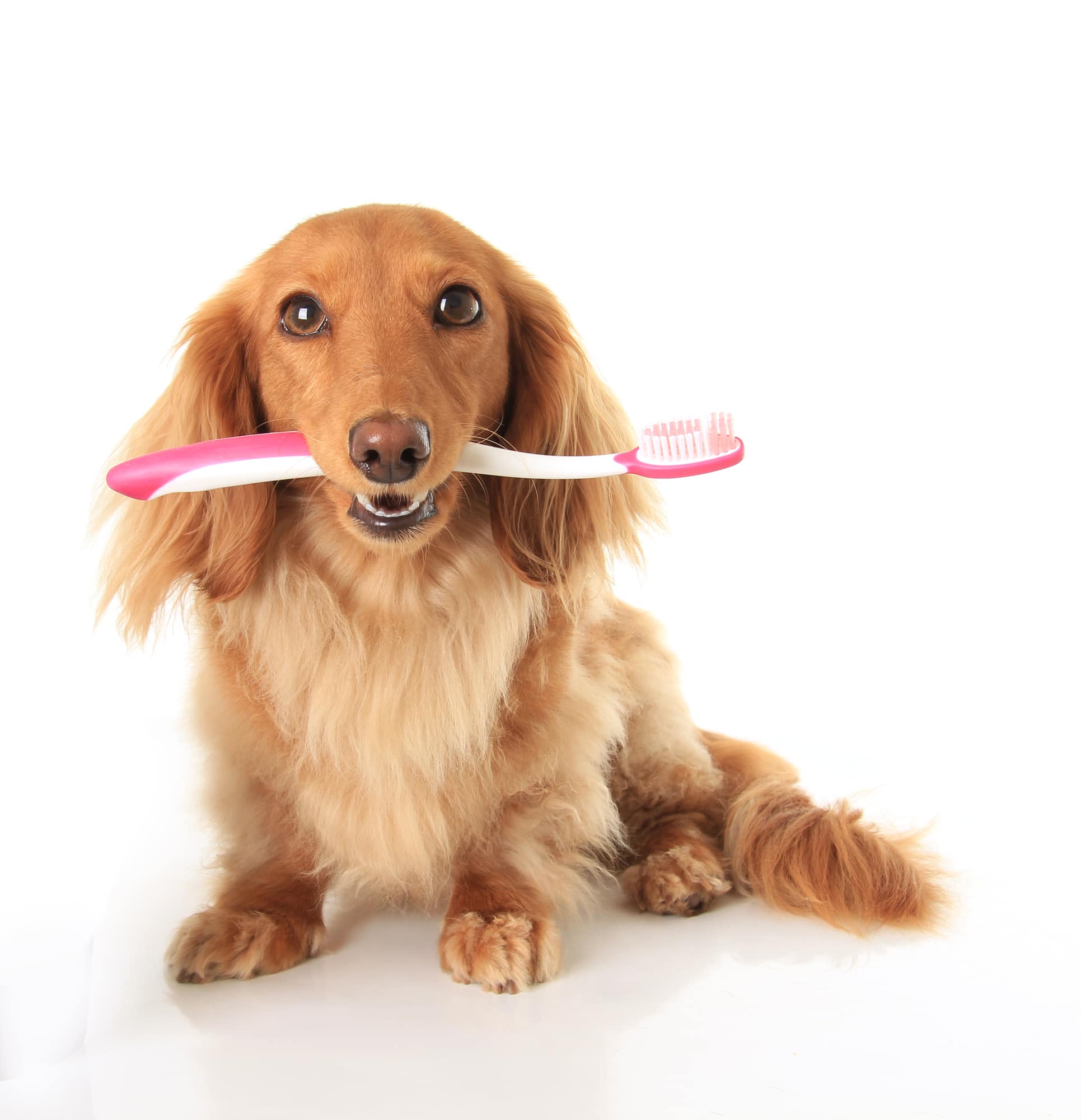
Brushing a dog’s teeth sounds optional until you’ve seen a dog with a painful mouth.
Dental care affects comfort, appetite, and general health.
Start small.
Do not rush a toothbrush into your dog’s mouth.
And please only use dog toothpaste (not human toothpaste). Some human toothpastes contain ingredients that are unsafe for dogs.
Step-by-step:
- touch the muzzle, treat
- lift the lip for one second, treat
- Rub one tooth with your finger, treat
- Add a tiny smear of dog toothpaste, treat
- move to a finger brush or soft brush later
Aim for frequent short sessions. Daily is brilliant. A few times a week still helps.
When a dog needs extra help, especially a rescue dog
Some dogs need more than a home routine.
If your dog freezes, growls, snaps, or can’t settle, I treat that as communication. I also consider pain.
A rescue dog may have missed early handling, or they may have learned that grooming predicts discomfort. That’s where a rescue dog specialist’s approach matters.
If you want a calm plan that builds trust, I can support you with one-to-one sessions using game-based training and handling that keeps your dog feeling safe. If your dog also needs quiet structure, solo dog walks can help them decompress while you build new grooming habits at home.
FAQ
How often should I brush my dog if they hate it?
Go for very short sessions, once a day if you can. Even 20 seconds helps. Brush one easy area, treat, then stop. Over time, you can build duration. If your dog gets worse with practice, pause, speak to a trainer who understands consent-based handling, and check with your vet if pain is involved.
What is the best way to deal with knots without hurting my dog?
Hold the hair close to the skin so you don’t pull. Use your fingers to separate small sections—work from the ends of the hair towards the skin. Stop if your dog tenses or tries to leave. Tight mats can hide sore skin, so a groomer may need to clip them out safely.
How do I properly check a dog for fleas and ticks?
Use your hands first, then a fine-toothed comb. Focus on the neck, base of tail, and around the ears. Wipe the comb on white tissue and add a drop of water to check for flea dirt. If you find fleas or ticks and you’re unsure what to do next, speak to your vet about safe removal and prevention.
How often should I bathe a dog with sensitive skin?
Only when needed, and follow veterinary advice if your dog has a skin condition. Over-bathing can dry the skin. Use a dog shampoo for sensitive skin, keep the water lukewarm, and rinse very thoroughly. If itching increases after bathing, stop and ask your vet for a plan.
How can I brush my dog’s teeth if they won’t let me?
Start with lip lifts and one-tooth touches paired with treats. Use dog toothpaste (not human toothpaste) and keep it quick. Aim for calm acceptance, not a full brush on day one. If your dog guards their mouth or seems in pain, ask your vet to check their teeth first.
Conclusion
Grooming gets easier when you stop trying to do it all at once.
My main dog grooming tip is to end sessions while your dog still feels comfortable. That keeps trust intact and makes the next session easier.
Start by brushing a dog’s coat a little at a time, often. Use it as a dog grooming health check as well. Take a moment to check the dog for fleas and ticks. Keep dog ear care simple and gentle. Take your time with dog nail trimming tips, and clip tiny amounts at a time so you learn what “safe” looks like. Bathe when needed, not on a strict schedule, and choose a dog shampoo for sensitive skin if your dog is prone to itching. Add brushing the dog’s teeth when you can, and always use dog toothpaste (not human toothpaste).
If your dog finds grooming stressful, or you’ve got a rescue dog who needs a slower approach, I can help with one-to-one support that’s calm and game-based. If your dog benefits from quiet time outdoors, solo dog walks can also help them settle while you build new routines.
Estimated reading time: 0 minutes
https://www.rspca.org.uk/adviceandwelfare
https://www.dogstrust.org.uk/dog-advice
https://www.thekennelclub.org.uk/health-and-dog-care/
Other related posts from Finchley Dog walker, you may be interested in