When you get back from a walk, it’s tempting just to unclip the lead, grab a drink and sit down. I get it. But I always take a minute to check the dog over first.
It doesn’t take long, and it can save you from a bigger problem later on.
I’ve picked up early signs of injury, spotted ticks before they’ve attached properly, and caught things like grass seeds before they caused real trouble. It’s one of those small habits that makes a big difference over time.
This guide walks you through what I check, how I do it, and a few bits of kit that can help if you want to make it easier.
This guide contains affiliate links. I may earn a commission through these links.
Why a Post-Walk Check Matters
Out on walks, dogs cover a lot more ground than we do. They’re running through long grass, squeezing through hedges, stepping on rough paths and sniffing places we’d avoid.
In places like Coldfall Woods or Highgate Woods, you’ve got
- uneven woodland paths
- sticks and brambles
- mud, especially in winter
- grass seeds in warmer months
Even a calm, steady walk can leave a dog with something stuck, irritated or slightly injured.
Catching it early means:
- less discomfort for your dog
- fewer vet visits
- no surprises later in the evening
These are just a few things, but the environment provides many more dangers to be aware of, and my guide on environmental risks can be read here
My Simple Post-Walk Routine
I keep it straightforward. Most checks take under two minutes.
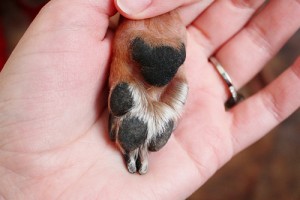
1. Paws and Pads
This is always the first thing I look at.
Check for:
- cuts or grazes
- thorns or small stones
- mud clumps between toes
- cracked or dry pads
If we’ve been through woodland or long grass, I take a closer look between the toes. Grass seeds are easy to miss and can work their way in.
Helpful tools:
Dog Paw wash -This works much better than just pouring water on the paws, as it gets in between the toes to loosen grass seeds and other debris – Amazon affiliate link
Paw and nose balm with coconut oil – safe to lick – amazon affiliate link
2. Legs and Underbelly
I run my hands gently down each leg and along the belly.
I’m feeling for:
- swelling
- small cuts
- burrs or seeds caught in fur
- ticks
Ticks tend to attach in warm areas like the groin, armpits, or belly.
If you walk in places like Cherry Tree Wood or Muswell Hill fields, it’s worth being consistent with this check, especially in spring and summer.
Helpful tools:
- Tick removal tool – amazon affiliate link
3. Ears
Ears can pick up all sorts.
Check for:
- grass seeds
- redness or irritation
- unusual smell
Dogs with floppy ears are more prone to issues, but any dog can pick up debris.
If something seems stuck or your dog is shaking their head a lot, it’s best to speak to your vet rather than trying to remove it yourself.
4. Eyes
Quick but important.
Look for:
- redness
- discharge
- squinting
Dust, pollen or small bits of debris can cause irritation, especially on dry days.
5. Coat and Skin
Run your hands over the whole body.
You’re checking for:
- ticks
- small lumps or bumps
- anything stuck in the coat
- damp patches that might cause irritation later
Longer-coated dogs need a bit more attention here. Things can hide easily in thick fur.
Helpful tools:
- fine comb – Amazon affiliate link
6. Lead, Harness and Collar Areas
This often gets missed.
Check:
- under the collar
- around harness straps
- chest and shoulders
Look for rubbing, redness or trapped debris.
If your dog pulls or moves a lot during walks, friction can build up over time.
Real Situations I’ve Seen on Walks
This isn’t theory. These are things I’ve come across while out walking dogs in Finchley.
- A grass seed lodged between the toes after a walk in long grass near Muswell Hill
- A small tick was found on the belly after a woodland walk
- A paw cut from a sharp bit of debris on a path
- Mud packed tightly between pads, causing discomfort
None of these looked serious at first glance. All of them would have been worse if missed
.
Seasonal Things to Watch For
Spring and Summer
- grass seeds
- ticks
- pollen irritation
This is when I’m most thorough with checks.
Check out my spring guide for other dangers, as well as the summer guide
Autumn
- mud build-up
- slippery surfaces leading to minor strains
- damp fur causing skin irritation
Winter
- grit and salt on pavements
- cracked paw pads
- cold, wet fur sitting against the skin
Read my winter dangers guide
Making It Easy to Stick To
The key is routine.
I usually:
- check paws before going inside
- do a quick full-body check once we’re in
- keep a towel and basic kit by the door
It becomes second nature after a while.
When to Contact a Vet
If you notice any of the following, it’s best to get advice:
- limping that doesn’t settle
- swelling
- a tick you can’t safely remove
- something stuck in the ear or eye
- signs of infection
For guidance, the PDSA has a helpful overview of what to look for in everyday pet care:
https://www.pdsa.org.uk/pet-help-and-advice
If you’re unsure, it’s always safer to check with your vet.
Recommended Kit That Actually Helps
I keep things simple, but a few items make life easier:
All the links below are things I have used with my own dogs and with clients. As amazon associate i may make a small amount of commission to help develop these guides at no extra cost to you
- [Amazon affiliate link – long line for safer exploration]
- [Amazon affiliate link – tick remover]
- [Amazon affiliate link – paw cleaner]
- [Amazon affiliate link – grooming brush suited to coat type]
You don’t need loads. Just the basics that fit your dog and your routine.
For more ideas:
Recommended products I have used with my digs
A Quick Note on Routine and Behaviour
Dogs that are handled regularly tend to be more relaxed about checks.
If your dog isn’t used to being touched:
- keep it short
- stay calm
- reward gently
- build it up over time
This is especially important with rescue or sensitive dogs.
FAQ
After every walk, even if it’s quick. It takes less than two minutes once you’re used to it.
Paws. They take the most impact and are where problems show up first.
Ticks can carry disease, so it’s best to remove them promptly with the right tool and monitor the area. If unsure, speak to your vet.
Keep it calm and brief. Start with areas they’re comfortable with and build up gradually.
Yes. Even short walks on the pavement or visits to the garden can lead to minor injuries or debris.
If you found this guide helpful, you can support the site via Buy me a coffee
A Final Thought
Checking your dog after a walk isn’t about being overly cautious. It’s just part of looking after them properly.
It becomes routine quickly, and it helps you notice small changes before they turn into bigger issues.
If you’re ever unsure what’s normal, that’s often your sign to take a closer look.
If you need support with walks, especially for a nervous, reactive, or newly adopted dog, I offer calm, one-to-one walks and training-focused support in Finchley, East Finchley, and nearby areas. I also help with house visits for cats and small animals if you’re away.
All details can be found on my service page
Disclaimer
This article is for general guidance only and does not replace professional veterinary advice. If you are concerned about your dog’s health, behaviour or physical condition, consult a qualified vet in line with the Veterinary Surgeons Act 1966.
This page may contain affiliate links. I may earn a small commission at no extra cost to you.
If you’d like to see how I work or need help with your dog, you can explore my services or read more guides on the site.