
Feeding your dog the right way isn’t just about filling a bowl. You want your dog to have energy, a healthy weight, good digestion and a strong immune system. When you’re asking how to feed adult dogs properly, you’re really asking how to give your dog what they need every day. Many of the tips below are based on guidance from trusted UK animal welfare sources, including Dogs Trust, the RSPCA, and the PDSA.
You might already have a daily feeding routine. But have you ever wondered if it’s the best schedule for your dog? Or whether the food you choose is actually giving them the nutrients they need? Or whether that tasty bit of human food is safe to share? Most owners want to do right by their dogs, but uncertainty can make decisions stressful.
I’ve seen this with clients: dogs that seem hungry all the time, even after meals, dogs gaining weight despite eating the same amount, and owners confused by packet guidelines. Food choices matter. Meal frequency matters. And avoiding harmful foods matters too.
In this blog, I’m going to walk you through what adult dog nutrition really looks like, how much to feed, how often, what to avoid, and how to spot if your dog’s diet is working for them. I’ll also add some real examples and simple steps you can start using today.
Let’s begin by understanding an adult dog’s basic nutritional needs and how they differ from those of growing puppies.
Why Adult Dog Nutrition Matters
Your adult dog needs a balanced diet that includes protein, fats, carbohydrates, vitamins and minerals. These nutrients are essential for energy, muscle maintenance, brain function, immune health and digestion. A good, complete dog food will contain all these in the right amounts for your dog’s life stage.
Dogs are omnivores, meaning they can digest both animal- and plant-based foods. But not all foods are safe, and not all diets meet nutritional requirements without careful formulation.
Ask yourself:
- What food am I feeding and why?
- Does it clearly state it is for adult dogs?
- Do I know what a balanced diet really means?
Your answers to these will shape how well your dog thrives.
How Much Should You Feed Your Adult Dog?
There isn’t one rule that fits every dog. The right amount depends on your dog’s:
- weight
- breed size
- activity level
- age
- metabolism
Commercial dog food packets provide a starting guideline, but these are often broad. You may need to adjust based on your dog’s body condition and routine.
Here’s an example:
A general guide for wet food suggests around 85 grams per 1–1.5 kg of body weight, but this can vary by food type and energy needs.
If your dog:
- seems hungry soon after meals
- is putting on or losing weight unexpectedly
- has a dull coat
- struggles with digestion
…then the portion size or food choice may need adjusting.
Meal Frequency: Once or Twice Daily?
How often you feed can make a real difference to your dog’s comfort and energy patterns.
General UK guidance suggests adult dogs are usually fed twice a day. This helps spread energy intake and may prevent hunger between meals
But real life isn’t one-size-fits-all. You might notice that:
- Feeding once daily suits your routine, and your dog isn’t hungry or anxious between meals
- , feeding three smaller meals works better for dogs that gulp too fast or have sensitive digestion
Ask yourself:
- Does your dog get uncomfortable between meals?
- Do they gulp food and then seem bloated?
- Are they active all day or mostly calm?
These observations help tailor your feeding schedule.
Choosing the Right Dog Food
When you’re choosing dog food, look for labels that say the food meets nutritional standards for “adult dogs. A complete diet should contain the full range of essential nutrients your dog needs.
You’ll typically see:
- protein from meat, fish or eggs
- healthy fats from oils like fish or animal fat
- carbohydrates for energy
- added vitamins and minerals
Avoid foods that are high in fillers and low in actual meat content.
Here are key questions to ask when choosing dog food:
- Is this food formulated for adult dogs?
- Does it list a named protein source first?
- Does it meet recognised pet food standards?
- Is the food suited to my dog’s breed, activity level or health needs?
Your vet or a canine nutrition specialist can help if you’re unsure.
Safe Foods for Dogs and Foods to Avoid
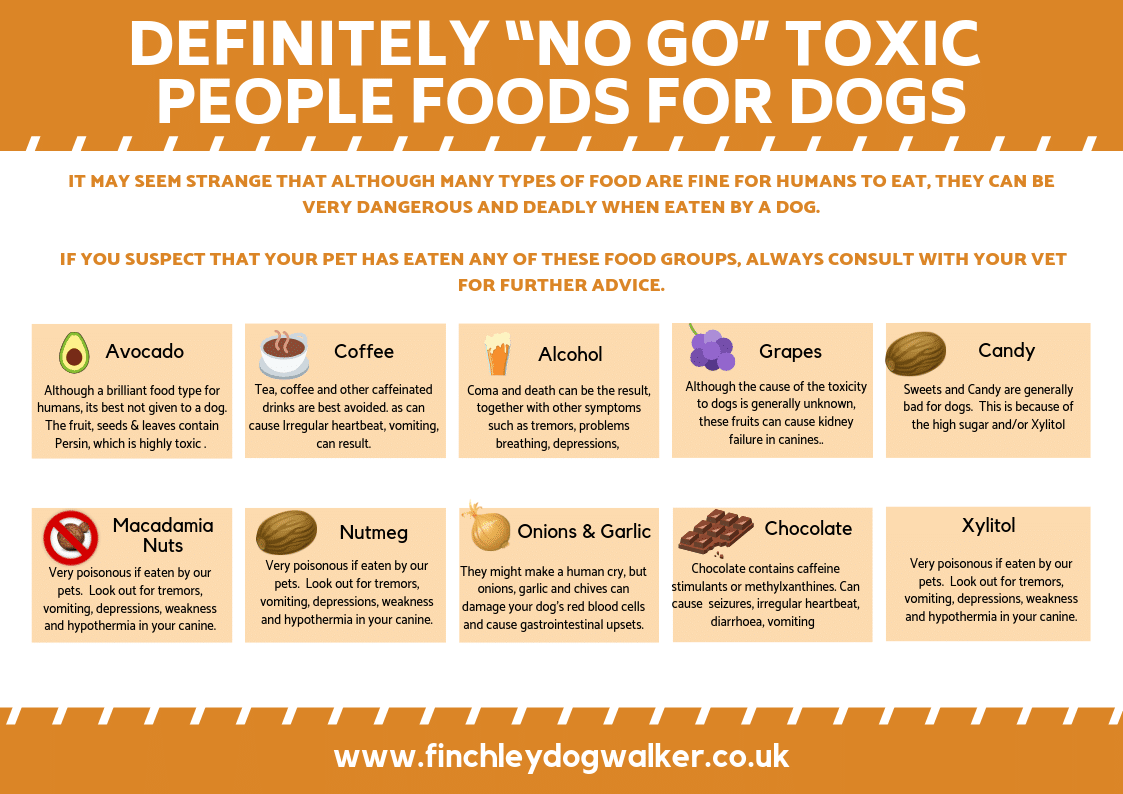
It’s tempting to share our food with our dogs, but many everyday human foods can be harmful. Some can cause mild digestive upset, and others can be toxic. UK pet welfare groups warn against a long list of hazardous foods. (Dogs Trust)
Foods that can be poisonous or cause upset include:
- alcohol
- avocados
- chocolate
- coffee and caffeine
- garlic, onions and chives
- cookies containing xylitol (an artificial sweetener)
- macadamia nuts and some other nuts
- grapes and raisins
- yeast dough
- citrus fruits
- dairy products
- cooked bones
These can lead to vomiting, diarrhoea, weakness, kidney issues or worse. If in doubt, it’s better to err on the side of caution.
Instead of human treats, use dog-safe options, such as small pieces of cooked lean meat orsafe vegetables your vet confirms are safe.
How to Transition Foods Without Upset
Sudden changes to your dog’s food can cause stomach upsets. If you’re changing brands or types:
- Introduce the new food gradually over several days
- Mix increasing amounts of the new food with the old
- Monitor for signs of loose stools or reduced appetite
This simple step can prevent unnecessary digestive stress.
Signs Your Dog’s Diet Is Working
You’ll know you’re feeding adult dogs properly when you start seeing these positive signs:
- consistent body weight
- bright eyes and a clean coat
- regular, well-formed stools
- steady energy throughout the day
- healthy appetite
If you notice:
- sudden weight gain or loss
- lethargy or insatiable hunger
- constant digestive issues
- a dull coat
…these can be signals that your dog’s diet or routine needs reviewing.
When to Get Professional Help
Your vet is the best person to advise on specific dietary needs, especially if your dog has health conditions like:
- allergies
- diabetes
- joint conditions
- dental issues
Your vet can recommend food types, portion adjustments, or even prescription diets as needed.
FAQ
What should I feed my adult dog daily?
Feed a complete commercial adult dog food that meets nutritional standards and adjust portion sizes based on your dog’s weight and activity. Always provide fresh water.
Is it better to feed dogs once or twice a day?
Twice-daily feeding is common and helps maintain stable energy levels, but once-daily feeding may work if your dog is comfortable and not hungry between meals.
Can my dog have treats?
Treats can be part of training, but should be no more than about 10 per cent of daily calories, and should be safe for dogs.
Are all human foods bad for dogs?
Not all, but many common foods are unsafe. Check ingredient safety before sharing any human food with your dog, and avoid known toxic human food.
Final Thoughts
Making sure your dog has a diet that agrees with them will make a real difference to their health and behaviour. When you understand how to feed adult dogs properly and make sure they have a diet that suits them, you’re giving your dog the foundation for a long, healthy life. Keep observing your dog, adjust as you learn more, and don’t hesitate to seek advice if things don’t feel right.
If you’re ever unsure about your dog’s diet, feeding schedule, or how they’re responding to a certain food, speak to your vet. They can offer tailored advice based on your dog’s breed, age, weight, and health.
If you’d like help with personalised feeding plans, behaviour support around mealtimes or guidance on choosing the right food, explore our services or speak with your vet ot a canine nutrition expert.
Disclaimer:
This blog is for general information only and is not a substitute for professional veterinary advice. Under the Veterinary Surgeons Act 1966, only a registered veterinary surgeon may legally diagnose medical conditions or prescribe treatment. If in any doubt about your dog’s health or diet, always consult a vet.
