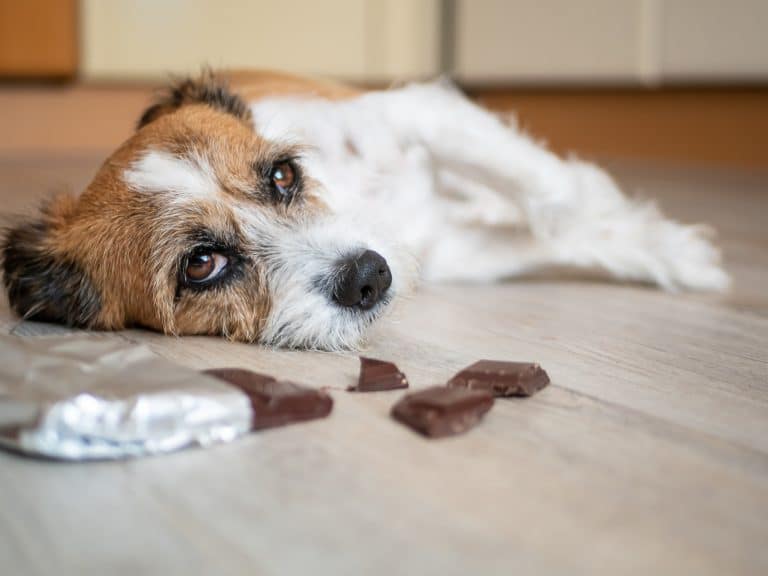
Fireworks can be difficult enough when noise is the only thing your dog finds worrying.
For a reactive, nervous or easily overwhelmed dog, there can be another problem.
The effects of fireworks do not necessarily stop when the bang stops.
A dog who has spent the evening listening for the next explosion, struggled to sleep or become frightened on their walk may have less capacity to cope with everything else the following day.
That dog they can normally pass at a reasonable distance might suddenly feel too close.
Traffic may seem harder.
A visitor arriving at the door might trigger a much bigger response than usual.
Your dog may scan more, bark sooner, pull towards home or struggle on a route they normally manage quite well.
This does not necessarily mean your dog’s behaviour has suddenly deteriorated or that their training has stopped working.
Sometimes their stress bucket is simply much fuller than usual.
This guide looks at how I would support a reactive or nervous dog through fireworks season, including walks, trigger stacking, safe spaces, recovery and when it is time to speak to your vet.
For the complete seasonal plan, start with my Dogs and Fireworks: Complete UK Safety Guide.
If your dog is frightened right now, go to What to Do If Your Dog Is Scared of Fireworks Tonight.
This guide provides general information and does not replace veterinary or individual behavioural advice. If your dog’s fear or behaviour changes significantly, suddenly or persistently, speak to your vet.
Key Takeaways
- Fireworks can overwhelm reactive dogs, increasing stress levels and causing unexpected behaviours the following day.
- Managing expectations during fireworks season is crucial; instead of pushing for training progress, focus on providing comfort and safety.
- Trigger stacking can occur when multiple stressors build up, making it harder for dogs to cope with normal triggers afterwards.
- Create a safe space at home and ensure your dog has quiet time to rest and recover after fireworks events.
- Seek veterinary advice if your dog’s fear of fireworks worsens or if you notice significant behavioural changes.
Table of contents
- What Do I Mean by a Reactive Dog?
- Why Can Fireworks Make Reactivity Worse?
- Understanding Trigger Stacking
- Watch for Changes Before the Big Reaction
- Lower Your Expectations During Fireworks Season
- Change the Walk Before Trying to Change the Dog
- Distance Is Useful
- Do Not Punish a Bigger Reaction
- Don’t Force Your Dog to Face Fireworks
- Give Your Dog Somewhere Safe at Home
- Protect Your Dog’s Sleep
- The Morning After Fireworks
- Choose Sniffing Over Distance
- Enrichment at Home
- What If My Dog Refuses to Leave the House?
- What If My Dog Is More Reactive for Several Days?
- Rescue Dogs and Fireworks
- What About Dogs Who Bark at Fireworks?
- Can I Comfort a Reactive Dog During Fireworks?
- When Should I Speak to My Vet?
- Working With an Appropriate Behaviour Professional
- How I Walk Reactive and Nervous Dogs
- Reactive Dog Fireworks Checklist
- Frequently Asked Questions
- Can fireworks make my reactive dog worse?
- What is trigger stacking?
- Why is my dog reacting to things they normally cope with?
- Should I continue my dog’s training during fireworks season?
- Should I correct my dog for barking or lunging?
- Should I still take my reactive dog for a long walk?
- Should I let my dog off lead?
- Can I comfort my dog?
- Should I play fireworks recordings to desensitise my dog?
- Why is my dog still reactive the day after fireworks?
- My dog suddenly became frightened of fireworks this year. Why?
- When should I seek professional help?
- Related Guides
- Work With the Dog You Have Today
What Do I Mean by a Reactive Dog?
Reactive is a very broad label.
It can describe a dog who has a strong response to something in their environment.
That response might include:
- barking
- lunging
- pulling
- freezing
- trying to escape
- hiding
- growling
- whining
- becoming intensely focused
- struggling to disengage
The trigger might be another dog, a person, traffic, bicycles, noises or a combination of things.
Importantly, reactivity does not automatically mean aggression.
A reaction can be driven by fear, frustration, excitement, uncertainty or feeling overwhelmed.
Personally, I often prefer to think of some of these dogs as awkward but awesome.
The behaviour we see is information.
During fireworks season, listening to that information becomes particularly important.
Why Can Fireworks Make Reactivity Worse?
Imagine your dog normally starts an ordinary walk relatively relaxed.
They have a certain amount of capacity for dealing with the world.
Now imagine they have:
- heard fireworks the previous evening
- struggled to settle
- slept badly
- been startled in the garden
- heard another bang that morning
- become worried about leaving home
Their walk then begins with a much higher level of stress than usual.
Something they could normally cope with may now be enough to trigger a much stronger response.
This is one reason a reactive dog can appear to have suddenly “gone backwards” during fireworks season.
Understanding Trigger Stacking
Trigger stacking describes what can happen when several stressful or exciting experiences occur without enough recovery between them.
Think of each experience adding a little more to your dog’s load.
For example:
6.00 pm: A firework goes off unexpectedly during the walk.
7.30 pm: Several more fireworks begin.
8.00 pm: Your dog cannot settle.
10.30 pm: They are frightened during their final toilet trip.
Overnight: More fireworks disturb their sleep.
Next morning: A motorbike passes closely.
Five minutes later: Another dog appears around a corner.
Under normal circumstances, your dog might cope with the motorbike and the other dog.
After everything else, they may not.
The other dog did not necessarily cause the whole reaction.
It may simply have been the final thing your dog could cope with at that moment.
My guide to recognising your dog’s threshold signs explains how spotting earlier changes can help you act before your dog becomes completely overwhelmed.
Watch for Changes Before the Big Reaction
Do not wait for barking or lunging before deciding your dog is struggling.
Earlier changes can include:
- increased scanning
- suddenly closing their mouth
- slowing down
- freezing
- refusing treats
- staring
- repeatedly looking behind
- changing direction
- pulling towards home
- becoming unusually clingy
- sniffing less
- difficulty disengaging from something
- being unable to settle after the walk
Your individual dog may have their own early warning signs.
Learning those is much more useful than waiting until they explode.
For firework-specific body language, read Signs Your Dog Is Frightened of Fireworks and When to Get Help.
Lower Your Expectations During Fireworks Season
If your dog is struggling, this is not the week I would choose to test how much progress they have made.
You do not have to:
- walk past another dog to practise
- complete the normal route
- visit the busiest park
- insist on an hour’s exercise
- work on every training goal
- expose them to fireworks so they “get used to it”
Management is not failure.
Sometimes the most useful thing you can do is make life easier for a few days.
Change the Walk Before Trying to Change the Dog
This is central to how I approach dogs who find the outside world difficult.
Before asking, “How do I stop this reaction?”, look at whether you can change the situation.
That might mean:
- walking earlier
- choosing a quieter route
- crossing the road
- turning around
- avoiding a busy park
- increasing distance
- shortening the walk
- going home
If your dog’s usual route passes a fireworks display site, use another route.
If evenings have become difficult, move the main walk earlier where possible.
My Walking Your Dog Safely During Fireworks Season guide covers the practical walking precautions in more detail.
Distance Is Useful
If your dog is reactive to other dogs, people or traffic, distance can be one of your most useful tools.
During fireworks season, they may need more distance than usual.
If your dog normally manages another dog across the road but is staring, stiffening or refusing food at that distance today, increase it.
Do not insist:
“They normally cope from here.”
Work with the dog you have today.
Move away.
Use a side road.
Turn around.
Put a parked car between you.
Wait somewhere quieter.
Creating distance before the reaction is usually easier than trying to regain your dog’s attention once they are overwhelmed.
Do Not Punish a Bigger Reaction
A dog who reacts more strongly after a night of fireworks is not deliberately giving you a hard time.
I do not recommend:
- shouting
- lead jerks
- choke or check chains
- prong collars
- electric collars
- spray collars
- rattle bottles
- physically forcing the dog towards a trigger
Punishing outward behaviour does not address why the dog is struggling.
It can also create another unpleasant association with something they already find difficult.
My approach is force-free and reward-based.
But that does not mean every difficult moment requires a training exercise.
Sometimes the appropriate response is simply to create distance.
Don’t Force Your Dog to Face Fireworks
Taking a worried dog outside to show them that fireworks cannot hurt them is not something I recommend.
Likewise, I would not take a dog to a fireworks display as an attempt at socialisation or desensitisation.
A frightened dog is not necessarily learning that fireworks are safe simply because they cannot escape them.
Forced exposure risks increasing fear.
If sound work is appropriate for your dog, it should be carefully planned when your dog is relaxed, rather than started in the middle of fireworks season while they are already struggling.
For significant noise fear, speak to your vet about appropriate support.
The Dogs Trust fireworks advice provides further guidance about preparing dogs for fireworks and seeking veterinary help where needed.
Give Your Dog Somewhere Safe at Home
Reactive dogs need downtime too.
Your dog should have access to a place they can retreat to without being disturbed.
That might be:
- their normal bed
- an open crate they already enjoy
- behind the sofa
- underneath furniture
- a quiet room
- a purpose-made safe space
Do not force your dog into it.
Let them choose.
My How to Make a Safe Fireworks Den for Your Dog guide explains how to introduce a safe space before fireworks begin.
The RSPCA’s fireworks advice also recommends creating a safe place where pets can retreat if they are frightened.
Protect Your Dog’s Sleep
Rest matters.
A dog who repeatedly wakes because of fireworks may have less capacity for normal challenges the following day.
Give them opportunities to sleep without unnecessary interruption.
If possible:
- keep their resting area quiet
- avoid repeatedly checking on them if they want to sleep
- reduce unnecessary visitors
- keep the following day relatively predictable
- avoid trying to exhaust them with extra exercise
A tired dog does not necessarily need a longer walk.
They may need more rest.
The Morning After Fireworks
The next morning, assess the dog before automatically following the normal routine.
Are they:
- keen to leave home?
- reluctant at the door?
- scanning immediately?
- unusually jumpy?
- able to take food?
- responding normally?
- looking tired?
Those observations can help you decide what sort of walk is appropriate.
The environment also needs consideration.
Spent fireworks and other rubbish can remain after displays, so read my Firework Debris and Dogs: Morning-After Walk Safety guide before heading towards a known display site.
Choose Sniffing Over Distance
For a stressed dog, a calm sniffing walk can sometimes be far more valuable than marching several miles.
Letting your dog investigate a familiar environment at their own pace can reduce pressure.
You might:
- choose a quiet route
- allow more sniffing
- walk for less time
- avoid unnecessary greetings
- turn around before reaching a difficult area
Do not use an activity simply because somebody online says it is calming.
Watch your individual dog.
If something increases frustration or arousal, it may not be the right activity for them that day.
Enrichment at Home
If walks need to be shorter during fireworks season, familiar enrichment can provide another outlet.
Depending on what your dog enjoys, that could include:
- sniffing games
- food searches
- stuffed food toys
- licking activities
- gentle training games
- shredding suitable safe materials
- simply resting
My Dog Enrichment Guides have ideas you can adapt to your individual dog.
Do not feel you need to entertain your dog constantly.
Rest is a legitimate need.
What If My Dog Refuses to Leave the House?
Do not drag them through the doorway.
First consider why they may be refusing.
Have fireworks recently gone off outside?
Are they scanning or trembling?
Do they normally enjoy walks?
Is this behaviour new?
If your dog is clearly frightened, give them time.
Try again during a quieter period and keep the outing brief.
However, sudden reluctance to walk should not automatically be attributed to behaviour.
Pain and illness can also change a dog’s willingness to move.
If the change is sudden, persistent or accompanied by other symptoms, speak to your vet.
What If My Dog Is More Reactive for Several Days?
Recovery varies between dogs.
Some appear back to normal quickly.
Others remain more sensitive for longer.
For a few days you might need to:
- choose quieter walks
- increase distance from triggers
- reduce social interactions
- allow more sleep
- lower training expectations
- avoid particularly difficult environments
Keep observing whether your dog is gradually returning to their normal behaviour.
If the change persists or you are concerned, speak to your vet.
Rescue Dogs and Fireworks
Many rescue dogs arrive with an incomplete history.
You may not know:
- whether they have experienced fireworks
- whether they have previously escaped
- whether they were punished for fear
- how they respond to loud noises
- whether their fear has previously been treated
I would therefore prepare rather than wait to find out.
Use secure walking equipment, provide safe places, keep routines predictable and watch for subtle changes.
My Rescue Dog Support in Finchley explains more about my calm, individual approach.
A rescue dog’s first fireworks season with you is not the time to find out how much they can tolerate.
It is an opportunity to show them that you will listen.
What About Dogs Who Bark at Fireworks?
Barking can be part of a fear or alert response.
Do not simply focus on stopping the noise your dog is making.
Look at what else is happening.
Is your dog:
- pacing?
- scanning?
- running towards windows?
- unable to settle?
- panting?
- refusing food?
- repeatedly reacting to every sound?
Closing curtains, reducing visual access to outside and providing familiar background sound may help.
If the barking is accompanied by significant distress, speak to your vet rather than treating it solely as an obedience problem.
Can I Comfort a Reactive Dog During Fireworks?
Yes, if they seek comfort from you.
You do not need to ignore a frightened dog.
If your dog chooses to sit beside you, lean against you or seek familiar physical contact, you can calmly reassure them.
If they prefer to hide, let them.
Choice matters.
If the fireworks are already happening, my What to Do If Your Dog Is Scared of Fireworks Tonight guide gives you the immediate steps.
When Should I Speak to My Vet?
Speak to your vet if your dog’s fireworks fear is significant or worsening.
I would also seek veterinary advice if:
- the fear has appeared suddenly
- your dog panics
- they attempt to escape
- they cannot settle
- they stop eating
- their behaviour changes substantially
- their noise sensitivity is getting worse
- they remain unusually reactive long after the fireworks
- an older dog suddenly becomes noise-sensitive
Behavioural changes can sometimes be associated with pain or other medical problems, so it is important not to assume everything is “just behavioural”.
The PDSA’s dogs and fireworks guidance also recommends seeking veterinary advice for dogs who struggle significantly with fireworks.
Working With an Appropriate Behaviour Professional
If your dog’s difficulties extend beyond fireworks, individual behavioural support may be appropriate.
Your vet can help rule out medical issues and recommend or refer you to an appropriately qualified professional.
Be cautious about anyone promising a quick fix or recommending that you deliberately overwhelm your dog until they stop reacting.
Good support should consider:
- the individual dog
- health
- history
- environment
- triggers
- distance
- management
- emotional state
- realistic goals
I am not a veterinary behaviourist.
My role as a professional dog walker is different.
How I Walk Reactive and Nervous Dogs
I provide one-to-one dog walking in Finchley and selected nearby areas.
I walk one household at a time.
There are no group walks, vans, crates or collection rounds. Walks start and finish at the dog’s own home.
For nervous, rescue and reactive dogs, that means I can make decisions around the individual dog rather than asking them to fit into a group.
During fireworks season, I might:
- walk earlier
- choose a quieter route
- increase distance from other dogs
- avoid a busy park
- allow more sniffing
- reduce demands
- shorten the walk
- return home
I cannot promise that your dog will never react.
And I do not offer behavioural treatment.
What I can offer is a calm, welfare-led walk where I pay attention to what the dog is telling me.
You can also read about my one-to-one dog training support in Finchley for dogs and owners who need calm support practising skills outside a class environment.
Reactive Dog Fireworks Checklist
Before fireworks season
- Check harness and lead security.
- Check ID details.
- Update microchip information if necessary.
- Identify quieter walking routes.
- Prepare a safe space.
- Note your dog’s normal threshold signs.
- Find out about local displays.
- Speak to your vet early if your dog has significant noise fear.
On fireworks days
- Walk earlier where possible.
- Use familiar routes.
- Keep your dog securely attached.
- Increase distance from triggers.
- Reduce unnecessary demands.
- Avoid display sites.
- Be prepared to go home.
At home
- Close windows and curtains.
- Reduce flashes from outside.
- Provide familiar background sound if helpful.
- Make the safe space available.
- Let your dog choose where to settle.
- Comfort them if they seek you out.
- Protect their rest.
The following day
- Check how your dog seems before leaving.
- Consider a shorter walk.
- Avoid known display sites.
- Look out for firework debris.
- Increase distance from triggers.
- Allow plenty of recovery time.
Frequently Asked Questions
Can fireworks make my reactive dog worse?
They can temporarily reduce a dog’s ability to cope with other triggers. Stress, disturbed sleep and repeated frightening noises can contribute to stronger reactions.
What is trigger stacking?
Trigger stacking occurs when several stressful or exciting experiences happen without enough recovery between them, making a dog more likely to become overwhelmed by the next event.
Why is my dog reacting to things they normally cope with?
Their overall stress level may be higher after fireworks, meaning their usual coping distance is no longer enough.
Should I continue my dog’s training during fireworks season?
You can continue appropriate activities if your dog is coping, but lower expectations when necessary. There is no benefit in pushing a stressed dog through difficult situations simply to maintain a training schedule.
Should I correct my dog for barking or lunging?
I would not punish a frightened or overwhelmed dog. Create distance, manage the environment and consider why the reaction occurred.
Should I still take my reactive dog for a long walk?
Not necessarily. A shorter, quieter walk with opportunities to sniff may be more appropriate.
Should I let my dog off lead?
I would be particularly cautious during fireworks season. Unexpected explosions can cause even normally reliable dogs to bolt.
Can I comfort my dog?
Yes. If your dog seeks reassurance, you can calmly provide it. If they prefer to hide undisturbed, respect that choice.
Should I play fireworks recordings to desensitise my dog?
Not while your dog is already frightened by real fireworks. Any planned sound work should be undertaken carefully when your dog is relaxed, with professional advice where appropriate.
Why is my dog still reactive the day after fireworks?
Stress and disrupted sleep can affect dogs after the actual noise has stopped. Give them time and reduce pressure.
My dog suddenly became frightened of fireworks this year. Why?
Noise sensitivity can change, and new behavioural changes can sometimes have a medical component. Speak to your vet, particularly if the change is sudden or your dog is older.
When should I seek professional help?
Seek veterinary advice when fear is severe, worsening, appears suddenly, causes escape attempts or significantly affects your dog’s welfare.
Related Guides
Continue with:
- Dogs and Fireworks: Complete UK Safety Guide
- What to Do If Your Dog Is Scared of Fireworks Tonight
- Walking Your Dog Safely During Fireworks Season
- Signs Your Dog Is Frightened of Fireworks
- How to Make a Safe Fireworks Den for Your Dog
- Firework Debris and Dogs: Morning-After Walk Safety
- Recognising Your Dog’s Threshold Signs
- Rescue Dog Support in Finchley
- Helping rescue dogs cope with fireworks
- Solo Dog Walking in Finchley
- Product I recommend
Work With the Dog You Have Today
One of the most useful lessons I have learnt from walking nervous, rescue and reactive dogs is that yesterday’s ability does not guarantee today’s.
Your dog might normally manage a particular route.
They might normally cope with another dog across the road.
They might normally happily leave the house at 6 pm.
After several evenings of fireworks, they may not.
That does not mean you have failed.
It means you have new information about what your dog can cope with today.
Give them more distance.
Make the walk easier.
Let them rest.
Go home when necessary.
And if fireworks are significantly affecting their welfare, consult your vet rather than waiting for another difficult fireworks season.
For the complete seasonal plan, return to my Dogs and Fireworks: Complete UK Safety Guide.
If you need calm, individual walking support in Finchley or Muswell Hill, read about my one-to-one dog walking service and Rescue Dog Support.
This guide provides general information and does not replace veterinary diagnosis, treatment or individual behavioural advice. Contact your vet if your dog’s fear or reactivity changes suddenly, becomes severe, or affects their welfare.