Choosing the right dog isn’t simply about finding a breed you like the look of.
You might love the idea of a Border Collie running across the countryside, a Labrador joining your family or a little dog curling up beside you on the sofa.
But the dog you imagine and the dog who will actually live in your home may have rather different ideas about how the day should go.
Some dogs love long walks. Others prefer shorter outings with plenty of sniffing. Some are confident around unfamiliar people, while others need more space and patient introductions.
And a small dog isn’t automatically easier than a large one.
I’m Del, and I’ve been providing professional one-to-one dog walking and pet care around Finchley and North London since 2011.
I’ve worked with all sorts of dogs, from enthusiastic youngsters to older companions, rescue dogs and some wonderfully spirited individuals.
One thing I’ve learnt is that breed can tell us something about a dog’s likely needs, but it cannot tell us everything about the individual.
I would always choose a dog by considering their health, temperament, age, needs and compatibility with the household, rather than choosing on appearance alone.
This guide will help you think through those decisions before welcoming a dog into your life.
Table of contents
- The right dog is the one whose needs you can meet
- Does breed determine personality?
- Dog breed groups: what should you expect?
- Why I wouldn’t recommend a Pug as an easy option for busy owners
- What’s the best dog breed for someone who works full-time?
- Which dogs suit an active lifestyle?
- Which dogs suit a quieter household?
- Can you keep a dog in a flat?
- What’s the best dog for a family with children?
- Should you choose a puppy or an adult dog?
- Should you choose a pedigree or a crossbreed?
- Health should come before appearance
- Grooming: the expense people often underestimate
- Don’t forget the real cost of dog ownership
- Where should you get your dog?
- My practical checklist before choosing a dog
- Practical support for new dog owners in Finchley
- Frequently asked questions
- Choose the dog in front of you, not just the breed on paper
The right dog is the one whose needs you can meet
Before comparing breeds, think about what an ordinary week looks like.
Not your ideal week.
Your actual week, including work, commuting, family commitments, unexpected delays, and cold winter mornings and evenings when you would really like to put your feet up.
Ask yourself:
- How much time can I provide for walking, feeding, training and companionship?
- How long would the dog be left alone regularly?
- Can I provide appropriate exercise in all seasons?
- How much grooming am I prepared to do?
- Is everybody in the household happy to live with a dog?
- Are there children, cats or other pets?
- Do I live somewhere with busy roads, lots of stairs or limited outside space?
- Can I manage a dog who is stronger or more energetic than expected?
- Have I budgeted for food, insurance, veterinary care and professional support?
- What would happen if my circumstances changed?
A dog may be part of your family for well over a decade.
Choosing one should be a considered decision, not something based on a photograph or a fashionable breed.
If you’re still deciding whether dog ownership is right for you, start with my First-Time Dog Owner Guide.
The Blue Cross guide to choosing the right dog is also worth reading.
Does breed determine personality?
Breed matters, but it isn’t destiny.
Dogs have been selectively bred for different purposes, including herding, retrieving, hunting, guarding and companionship.
Those histories can influence characteristics such as:
- Interest in chasing movement.
- Enjoyment of retrieving objects.
- Sensitivity to sounds and changes in the environment.
- Willingness to work closely with people.
- Tendency to vocalise.
- Interest in scent trails.
- Physical stamina.
- Preferred types of play and activity.
However, individual dogs vary considerably.
Their experiences, health, learning, environment and relationships also influence behaviour.
A Labrador isn’t guaranteed to love every person.
A Border Collie isn’t automatically easy to train simply because the breed is intelligent.
And a small companion dog isn’t necessarily happy being left alone while you work all day.
I would use breed information as a starting point for research, not a promise about the puppy or dog you’re considering.
Dog breed groups: what should you expect?
Rather than declaring particular breeds perfect for certain households, I’d look at the types of activities and management they may need.
Retrievers: Labradors and Golden Retrievers
Retrievers are often popular family dogs.
Many enjoy carrying objects, retrieving, swimming, food rewards and working with people.
They can also be strong, enthusiastic and physically active.
A young Labrador pulling toward every interesting smell may not be the relaxed walking companion somebody expected.
Consider:
- Suitable daily exercise.
- Reward-based training.
- Opportunities to retrieve and carry safely.
- Food management.
- Appropriate enrichment.
- Grooming requirements.
- Relevant inherited health conditions.
Retrievers can make excellent companions in suitable homes, but they aren’t born with perfect manners.
Herding breeds: Border Collies and other pastoral dogs
Some herding breeds respond strongly to movement and enjoy learning complex tasks.
Many benefit from suitable physical activity and opportunities to use their minds.
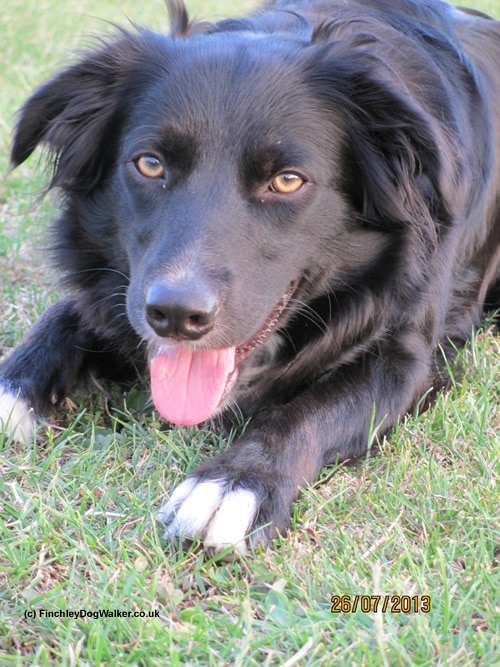
However, that doesn’t mean they need endless high-intensity exercise.
Some may become worried, frustrated or overexcited around fast-moving things such as bicycles, runners or traffic.
Before choosing a herding breed, consider whether you’re prepared to provide:
- Regular reward-based learning.
- Appropriate physical activity.
- Activities suited to the individual dog.
- Quiet time and recovery.
- Careful management around movement and distractions.
- Patience during adolescence.
Being intelligent doesn’t mean being easy to live with.
Sometimes it means the dog learns your habits rather more quickly than you intended.
Scent hounds: Beagles and similar breeds
Dogs bred to follow scents may find the world outside exceptionally interesting.
A walk can become a detailed investigation of every hedge, lamppost and patch of grass.
That can be enjoyable when you’re happy to let your dog use their nose.
However, some scent hounds may find it difficult to disengage from an interesting trail.
Think about:
- Secure walking equipment.
- Recall training.
- Appropriate scent enrichment.
- Safe outdoor spaces.
- Managing access to food.
- Whether you’re comfortable with a dog who has their own priorities.
A scent hound isn’t being deliberately awkward simply because their nose has discovered something more interesting than your instructions.
Terriers
Terriers were developed for a range of working purposes.
Many are lively, persistent and interested in investigating movement, smells or small animals.
Individual terriers can be affectionate, playful and great company.
But their size may disguise just how much activity and management they enjoy.
Consider:
- Safe opportunities for exploration.
- Reward-based training.
- Management around wildlife.
- Suitable games and enrichment.
- Secure boundaries.
- The individual dog’s reactions to unfamiliar animals.
A small terrier may be much more physically and mentally demanding than a larger, quieter adult dog.
Sighthounds: Greyhounds, Whippets and other types
Sighthounds are sometimes overlooked by people choosing their first dog.
Some enjoy a fairly quiet home life alongside suitable opportunities to move and explore.
However, this varies greatly from person to person.
An adult retired racing Greyhound, a young Whippet and a highly active adolescent sighthound may have very different needs.
Important considerations include:
- Sensitivity to movement.
- Safe management around wildlife.
- Secure walking arrangements.
- Appropriate opportunities for exercise.
- Comfort during cold weather.
- Individual confidence and previous experiences.
I wouldn’t assume that every sighthound is calm indoors or that a dog with an athletic appearance requires several hours of running every day.
Equally, don’t assume that reliable off-lead recall will be easy in environments containing wildlife.
Spaniels and other active working breeds
Many spaniels enjoy searching, retrieving and spending time exploring interesting environments.
Those activities can form part of an enjoyable routine.
However, a dog bred from particularly active working lines may have different needs from an individual bred or raised for another type of home.
Research the specific breed, breeding lines and individual dog rather than relying on the word spaniel.
Consider whether you’re comfortable providing:
- Regular exercise.
- Opportunities to sniff and search.
- Reward-based training.
- Managing excitement.
- Grooming and coat care.
- Suitable rest and recovery.
Toy and companion breeds
Smaller companion breeds may be appealing if you live in a flat or prefer a physically smaller dog.
But smaller doesn’t mean no training, no exercise and no need for company.
Some small dogs are active, vocal or sensitive around unfamiliar situations.
Others may be quieter.
Many enjoy sniffing walks, games, training, and ordinary adventures just as much as larger dogs do.
Before choosing one, consider:
- The individual dog’s exercise requirements.
- Grooming.
- Dental and other health needs.
- Whether the dog copes with children or other animals.
- Comfort around larger dogs.
- Whether you can manage their care throughout their lifetime.
I’d be particularly cautious about selecting any breed simply because it’s advertised as low maintenance.
Why I wouldn’t recommend a Pug as an easy option for busy owners
The earlier version of this article included Pugs among dogs suitable for people with busy lifestyles.
I no longer think that is responsible advice.
Pugs, French Bulldogs, English Bulldogs and other flat-faced dogs can have serious health and welfare difficulties associated with their physical structure.
The British Veterinary Association’s guidance on brachycephalic dogs explains the risks.
These may include:
- Breathing difficulties.
- Reduced tolerance of heat and exercise.
- Eye problems.
- Skin-fold infections.
- Dental problems.
- Difficulties connected with normal reproduction.
- The possibility of substantial veterinary treatment.
A dog struggling to breathe isn’t a good match for a quiet household simply because they cannot comfortably exercise like another dog.
I would encourage prospective owners to consider healthier physical characteristics and consult a vet before choosing a breed with known structural welfare problems.
This isn’t a criticism of people who already love and care for these dogs.
It’s about making an informed decision before creating demand for more dogs who may inherit avoidable problems.
For further guidance, read the RSPCA’s advice on choosing a healthy dog.
What’s the best dog breed for someone who works full-time?
I wouldn’t recommend a breed based solely on working hours.
The more important question is what care you can provide while you’re away.
Dogs generally need companionship, suitable opportunities to toilet, activity and rest.
Some adult dogs can comfortably cope with appropriate periods alone after gradual preparation.
Others cannot, particularly young puppies, newly adopted rescue dogs or dogs experiencing separation-related distress.
A smaller dog doesn’t automatically cope better with being left.
Neither does a dog described as independent.
Consider the entire working day
If you leave at 8 am and return at 6 pm, think about:
- Travelling time.
- Opportunities to toilet.
- Feeding arrangements.
- How your dog copes when left alone.
- The amount of suitable activity provided.
- Whether a professional visit would be enough.
- Backup care if you’re delayed.
- What happens on days when your schedule changes.
For some households, an adult dog with a suitable temperament and established routine may be a better match than a puppy.
But even then, don’t assume the dog will immediately cope with a full working day.
Read my Dog Walker vs Doggy Day Care Guide for a practical comparison.
I also offer Solo One-to-One Dog Walks in Finchley for suitable dogs and locations, subject to availability.
Which dogs suit an active lifestyle?
If you enjoy hiking, walking and spending plenty of time outdoors, you may prefer a dog who genuinely enjoys substantial activity.
But don’t decide simply by looking for the breed advertised as having the most energy.
Think about the activities you want to share.
A long-distance hiking companion may need different physical traits than a dog that enjoys short training games.
Not every activity suits every age or health condition.
Questions for active owners
Ask yourself:
- Do I want company on relaxed walks or demanding hikes?
- Am I prepared to adapt during hot weather?
- Could I manage a dog who struggles with recall?
- What happens on days when I cannot provide longer outings?
- Will the dog have suitable rest?
- Am I prepared for injury, illness or age-related changes?
- Is my preferred activity appropriate for the dog’s physical structure?
Growing puppies should not be expected to accompany adults on sustained runs or strenuous hikes.
Even healthy adult dogs need time to develop fitness gradually.
My Dog Walking and Everyday Exercise Guide explains how exercise needs change with age, confidence, fitness and health.
Which dogs suit a quieter household?
A quieter home can be a lovely environment for the right dog.
But a calm household doesn’t remove the need for suitable walks, interaction and enrichment.
I’d consider whether a suitably matched adult dog might be a better choice than a young puppy.
You may be able to learn more about an adult dog’s existing routine, energy and behaviour before deciding.
For example, a rescue organisation may know that a particular dog:
- Enjoys shorter walks.
- Prefers quieter environments.
- Is comfortable living without other dogs.
- Has manageable grooming requirements.
- Settles well in a suitable home.
- Finds certain situations difficult.
That gives you useful information about the individual rather than relying entirely on general breed descriptions.
However, behaviour may still change after adoption, and no rescue can guarantee how every dog will behave in a new environment.
Can you keep a dog in a flat?
Possibly.
Having a garden doesn’t automatically make somebody a good dog owner, and living in a flat doesn’t automatically make somebody unsuitable.
The important questions are whether the dog’s needs can be met safely and comfortably.
Consider:
- Access to suitable toilet areas.
- How much daily outdoor activity you can provide.
- Stairs and lifts.
- Noise from neighbours.
- Shared entrances and corridors.
- Whether the dog barks or worries about unfamiliar sounds.
- Safe transport.
- Access to a suitable veterinary practice.
- The home’s layout and comfort.
- Any tenancy or lease conditions.
A dog who struggles with unfamiliar people may find a busy communal entrance more difficult than the size of the flat itself.
Equally, some dogs may cope perfectly well with apartment life when their needs are properly understood and met.
Don’t choose a flat-faced breed because somebody claims it doesn’t need much exercise.
Choose a healthy, suitable individual whose needs you can realistically provide for.
What’s the best dog for a family with children?
No breed is universally child-safe.
Labradors, Golden Retrievers, Beagles, Cavaliers and many other breeds are often described as family-friendly.
But breed labels don’t guarantee patience, confidence or tolerance of children.
Dogs are individuals.
Some find loud noises, sudden movement and unpredictable handling difficult.
Puppies may also mouth and nip as they learn.
What matters more than the breed label?
I would consider:
- The dog’s known behaviour around children.
- The children’s ages and behaviour.
- Whether adults can actively supervise.
- The dog’s health and comfort.
- Whether the dog has a protected resting area.
- How food, toys and chews will be managed.
- The household’s ability to maintain safe routines.
- Whether everybody is willing to follow the same boundaries.
Never leave young children unattended with dogs, even familiar family dogs.
Dogs should be able to move away from interactions rather than being followed, hugged or disturbed while sleeping or eating.
The PDSA’s children and dogs advice is an excellent resource.
You can also read my Dogs and Children Guide for further practical advice.
Adults must remain responsible for safe supervision. It isn’t fair to expect either a young child or a dog to manage every interaction perfectly.
Should you choose a puppy or an adult dog?
This is often a more useful question than which breed to choose.
The appeal of a puppy
With a puppy, you’ll be involved early in helping them learn about your home and daily life.
That can be wonderful.
But it requires a considerable commitment.
Expect to spend time on:
- Toilet training.
- Sleep and settling.
- Gentle handling.
- Appropriate socialisation.
- Feeding routines.
- Suitable exercise.
- Puppy biting and chewing.
- Developing confidence.
- Reward-based training.
- Practising manageable periods of independence.
A puppy isn’t a blank slate whose adult personality you can completely control.
Their inherited characteristics, development, health and experiences will all matter.
For a practical overview, read Bringing a Puppy Home.
The advantages of an adult dog
With an adult, you may have a better idea of:
- Their current size.
- Coat type and grooming needs.
- Activity preferences.
- Response to unfamiliar people.
- Known health concerns.
- Walking habits.
- How they behave around other animals.
- Their ability to settle.
An adult dog isn’t guaranteed to be trained or easy to manage.
However, a suitable adult dog can sometimes be a better match for a household that cannot provide the intensive care a young puppy needs.
What about a senior dog?
Older dogs can make wonderful companions.
Some enjoy gentle walks and predictable routines.
Others remain physically active well into their later years.
Consider their health, mobility, medication and potential veterinary costs.
Adopting an older dog shouldn’t automatically be considered an easier or cheaper option.
Choose based on the individual dog and what you can provide.
Should you choose a pedigree or a crossbreed?
Neither automatically guarantees better health or behaviour.
Some pedigree breeds have predictable physical characteristics and breed-related tendencies.
But they may also have inherited health conditions or structural problems that deserve careful investigation.
Crossbreeds vary too.
Some are healthy and well suited to family life.
Others may inherit health conditions or behaviour tendencies from one or both parent breeds.
What about Cockapoos, Labradoodles and other designer crosses?
Don’t assume that mixing two breeds automatically creates a calmer, healthier or hypoallergenic dog.
For example, a puppy with Poodle and Cocker Spaniel ancestry might inherit a coat that requires substantial grooming and a strong interest in searching or retrieving.
Another puppy from similar parentage may differ considerably.
Names such as Cockapoo or Labradoodle describe ancestry, not a fixed temperament or guaranteed coat.
My recently updated Cross-Breed Dogs Guide explores these questions in more detail.
Can any dog be completely hypoallergenic?
No dog breed or crossbreed can be guaranteed to be completely free of allergens.
A coat that sheds less may be useful for some households, but it doesn’t eliminate allergens produced by the dog.
If allergies are a concern, seek appropriate medical advice rather than relying on advertising claims about a particular breed.
Also remember that low-shedding coats can require frequent professional grooming and regular brushing.
Health should come before appearance
This is one of the most important parts of choosing a dog.
Some dogs have been bred for exaggerated features that may compromise normal breathing, movement, eye health or other essential functions.
Think about how comfortably the dog can:
- Breathe at rest and during suitable activity.
- Move and walk.
- See.
- Eat and drink.
- Cope with ordinary temperatures.
- Rest and sleep.
- Enjoy activities typical for a healthy dog.
I wouldn’t choose a breed because its shortened muzzle, unusual body shape or other exaggerated feature looks appealing.
A dog shouldn’t have to struggle with ordinary daily activities because of how it has been bred.
Ask about breed-specific health tests
If you’re considering a responsibly bred puppy, research the recommended health testing for that particular breed or cross.
A general statement that the parents are healthy isn’t the same as documentary evidence of relevant testing.
The Royal Kennel Club Health Standard describes recommended tests and screening schemes for different breeds.
You can also check available results using the Royal Kennel Club Health Test Results Finder.
Not every health issue can be predicted or prevented by testing.
But appropriate screening is an important part of responsible breeding.
Grooming: the expense people often underestimate
Coat care is worth researching before choosing a dog.
Some dogs need occasional brushing.
Others require frequent brushing and regular professional grooming to prevent painful matting.
Grooming isn’t just about keeping a dog looking tidy.
It helps you notice changes in the skin, coat and general comfort.
Consider:
- How often the coat needs brushing.
- Whether professional clipping or hand-stripping is needed.
- The cost of regular appointments.
- Whether the dog is comfortable being handled.
- Ear and nail care.
- Seasonal shedding.
- Additional work after muddy walks.
If you’re not prepared for significant grooming, don’t choose a coat type that requires it simply because you like how the dog looks when freshly groomed.
Don’t forget the real cost of dog ownership
The cost of buying or adopting a dog is only the beginning.
You’ll also need to budget for:
- Suitable food.
- Vaccinations and routine veterinary care.
- Pet insurance.
- Unexpected veterinary treatment.
- Identification and microchipping.
- Grooming.
- Training.
- Bedding and equipment.
- Toys and enrichment.
- Professional dog care.
- Holiday arrangements.
- Extra support as the dog ages.
A breed with particular health or grooming needs may cost substantially more to care for over its lifetime.
And even a healthy, inexpensive dog can develop an unexpected medical problem.
My Real Cost of Owning a Dog in the UK guide explains how to prepare a realistic budget.
It’s also worth reading my Pet Insurance Guide before deciding what cover to arrange.
Where should you get your dog?
I would strongly encourage prospective owners to consider a reputable rescue organisation.
Many adult dogs need suitable homes, including dogs with relatively straightforward care requirements and others who need more experienced support.
A responsible rescue organisation should discuss your circumstances, provide honest information about the individual dog and help assess whether it’s a suitable match.
You can read my Adopting a Rescue Dog Guide for questions to ask before committing.
If you’re buying a puppy
Take time to identify a responsible breeder.
Ask about:
- The health of both parents.
- Relevant health testing.
- Where the puppies were born and raised.
- Their early experiences.
- Vaccinations and microchipping.
- The breeder’s licence, where required.
- Written records.
- The conditions in which the dogs live.
- What happens if the placement doesn’t work out.
Don’t let a seller rush you into paying a deposit or collecting a puppy before you’ve checked the information.
My How to Avoid Puppy Farms and Choose a Puppy Responsibly guide covers the warning signs and checks in detail.
My practical checklist before choosing a dog
Before committing, I’d want you to be able to answer the following questions.
Your lifestyle
- I understand the time this dog will need each day.
- I can provide suitable physical activity and enrichment.
- I’ve considered how the dog will cope when I’m out.
- My accommodation is appropriate.
- My household is genuinely ready.
- I can manage the dog’s likely adult size and strength.
Health and welfare
- I’ve researched relevant health concerns.
- I’ve considered grooming needs.
- I’ve checked available medical and health-testing records.
- I can afford routine and unexpected veterinary care.
- I understand that behaviour may change with development or illness.
Choosing the individual
- I’ve met the dog or followed a responsible matching process.
- I’ve asked about known behaviour and any history of difficulties.
- I’ve considered interactions with children and other pets.
- I’ve asked what happens if the placement doesn’t work out.
- I’m prepared to walk away from an unsuitable match.
Preparation
- I have a suitable veterinary practice.
- I’ve investigated pet insurance.
- I’ve planned safe identification and transport.
- My home is prepared.
- I have a realistic plan for work, holidays and emergencies.
If several answers are uncertain, that’s a reason to do more research before making a decision.
It doesn’t necessarily mean that you should never have a dog.
It may mean that a different dog, a different time or a different care arrangement would be better.
Practical support for new dog owners in Finchley
Sometimes the hardest part is turning all this research into a manageable plan.
If you’re preparing to welcome a puppy or adopt a dog in Finchley, Muswell Hill or a suitable nearby location, I offer several forms of practical support.
Pet and Home Readiness Visit
My Pet and Home Readiness Visit costs £75 per household and includes up to 60 minutes at home and a personalised written checklist.
We can review feeding and resting arrangements, door security, equipment, everyday routines, and emergency preparation.
This is practical pet-care preparation, not a veterinary examination or formal behavioural assessment.
New Puppy Support Package
If you’re bringing home a puppy, my New Puppy Support Package can combine agreed preparation, routine support and daytime puppy-care visits.
I quote packages individually based on your needs.
Rescue Dog Support
For suitable newly adopted, nervous or spirited dogs, my Rescue Dog Support Service provides calm individual walking and routine support.
I use reward-based methods and won’t force a frightened dog into situations they cannot cope with.
Solo One-to-One Dog Walking
I also provide Solo Dog Walks in Finchley and Muswell Hill.
Walks begin and finish at the dog’s own home.
There are no group collection rounds or van journeys.
All bookings depend on suitability, location and availability.
If you’d like to discuss suitable practical support, you can contact me here.
Frequently asked questions
What is the best dog breed for a first-time owner?
There isn’t one breed that’s best for every first-time owner. Consider the individual dog’s temperament, health, age, activity, grooming and training needs alongside the time and care you can provide. A suitably matched adult dog may be a better choice for some first-time owners than a puppy.
Which dog breed is best for a busy person?
A busy person still needs to provide appropriate daily care and companionship. No breed makes leaving a dog without suitable care acceptable. If you work long hours, consider whether you can arrange adequate visits, appropriate daycare or another suitable plan.
Are small dogs easier than large dogs?
Not necessarily. Smaller dogs may be physically easier for some people to manage, but they still need exercise, training, healthcare, enrichment and companionship. Some are highly active or vocal.
Which dogs are best with children?
No breed is guaranteed to be safe with children. Focus on the individual dog’s behaviour and needs, careful matching, household management and active adult supervision.
Can a large dog live in a flat?
Potentially, if the dog’s physical, behavioural and welfare needs can be met. Consider toilet access, stairs, activity, noise, shared entrances and the individual dog’s comfort rather than size alone.
Is a rescue dog suitable for a first-time owner?
Some are. A responsible rescue should help you find an individual whose needs suit your circumstances and experience. Other dogs may require specialist care or a more experienced household.
Is it better to get a puppy or an adult dog?
It depends on your circumstances. Puppies require intensive early care and training. Adult dogs may have more established behaviour and routines, but they can still need time, learning and support when entering a new home.
Are crossbreed dogs healthier than pedigree dogs?
Not automatically. Health depends on individual genetics, breeding practices, physical structure and other factors. Research health risks and available testing rather than relying on the label pedigree or crossbreed.
Are Pugs good dogs for people who don’t exercise much?
I wouldn’t recommend choosing a Pug because they may struggle with exercise. Flat-faced breeds can have serious breathing and other health problems. Consider a healthier dog whose individual activity needs are compatible with your lifestyle.
Are Cockapoos guaranteed to be hypoallergenic?
No. A Cockapoo isn’t guaranteed to have a particular coat or be free of allergens. Coat type, grooming needs and allergen exposure vary between individuals.
Does choosing a male or female dog make a big difference?
Individual personality, health, age, early experiences, and training matter more than simplistic claims that one sex is more affectionate or easier to train. Discuss any sex-specific medical or management considerations, including neutering, with your vet.
What should I buy before bringing my new dog home?
Start with suitable food and water bowls, bedding, a properly fitted harness or collar, a fixed-length lead, identification, safe travel arrangements and a few suitable toys. Add other equipment once you understand your dog’s preferences and needs.
My Leads and Harnesses Buying Guide and Recommended Products Guide can help you compare useful equipment without buying what you don’t need.
Choose the dog in front of you, not just the breed on paper
It’s easy to fall in love with the idea of a particular breed.
Perhaps you grew up with one.
Perhaps you’ve seen a lovely dog in the park.
Or perhaps you’ve watched so many puppy videos that you’ve already decided what your new companion will look like.
But the important decision isn’t which dog looks most appealing.
It’s which individual dog can enjoy a healthy, comfortable life in your household.
Be honest about your working hours.
Think about the activities you genuinely enjoy.
Consider grooming, training and medical needs.
Look beyond breed stereotypes.
And don’t rush into a decision simply because a puppy or rescue dog is available today.
I’ve cared for some absolutely wonderful dogs who didn’t fit the usual description of their breed at all.
That’s part of what makes them individuals.
The right match isn’t necessarily the breed you imagined.
It’s the dog whose needs, personality and future you can realistically support.
For more help preparing, visit my New & First Pet Owner Hub or contact me about practical support in Finchley.
Editorial note
The original version of this article was published as a guest contribution. This edition has been substantially rewritten to reflect my current approach to dog welfare, health, behaviour and responsible ownership.
First published: 4 September 2022
Substantially updated: 26 October 2026