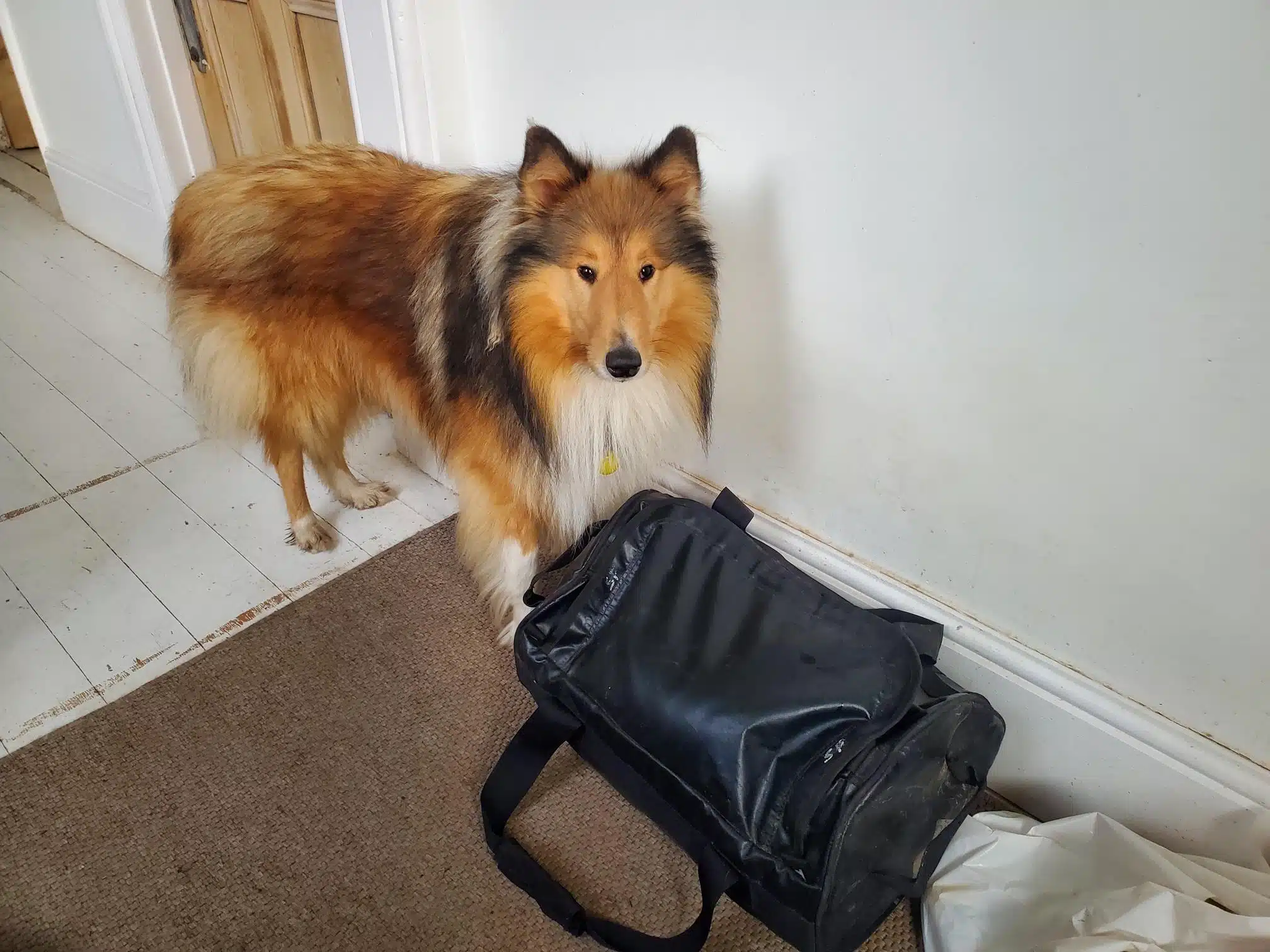
Hiring a professional dog walker is about more than making sure your dog gets exercise. The more your dog walker understands about your dog’s routine, health and personality, the better they can provide safe, consistent and enjoyable care.
Whether you’re arranging regular dog walking or occasional help, leaving clear information before the first walk helps everyone feel more confident – including your dog.
This guide explains what information your dog walker should have, why it matters and how keeping everything up to date can make a real difference.
Why Sharing Information Is Important
Every dog is different.
Some enjoy greeting every dog they meet, while others prefer quieter walks. Some have allergies or medication, while others simply have favourite routes and routines that help them feel settled.
Sharing this information allows your dog walker to care for your dog as an individual rather than making assumptions.
It also helps avoid misunderstandings and means your dog receives consistent care, even if something unexpected happens.
If you’re arranging care for the first time, you may also find my guide, Preparing for a Meet and Greet, helpful.
Essential Information Every Dog Walker Needs
Before your first booking, it’s useful to provide the following information.
| Information | Why It’s Important |
|---|---|
| Your dog’s name | Helps build familiarity and avoid confusion. |
| Age | Puppies, adults and senior dogs all have different needs. |
| Breed or crossbreed | Provides useful background, although every dog is an individual. |
| Your contact number | So your dog walker can reach you if necessary. |
| Emergency contact | Someone who can help if you’re unavailable. |
| Veterinary practice | Essential if urgent treatment is ever needed. |
| Feeding instructions | Useful if food or treats are part of the visit. |
| Medication | Clear instructions help ensure it is given correctly if agreed. |
Health Information
Your dog walker should be aware of any health conditions that may affect your dog’s walk.
This might include:
- Arthritis.
- Heart conditions.
- Diabetes.
- Allergies.
- Recent surgery.
- Mobility issues.
- Hearing or sight loss.
- Any current medication.
If your vet has advised exercise restrictions, let your dog walker know before the first walk.
It’s always better to share too much information than too little.
Behaviour and Walking Preferences
One of the most valuable things you can tell your dog walker is how your dog behaves in different situations.
For example:
- Do they enjoy meeting other dogs?
- Are they nervous around traffic?
- Do cyclists worry them?
- Are there particular routes they enjoy?
- Do they have reliable recall?
- Do they prefer quieter walks?
- Are there any known triggers?
Being honest isn’t about labelling your dog.
It’s about helping your dog walker make sensible decisions that support your dog’s welfare.
If your dog is nervous or a rescue dog, consistency and calm handling can be particularly important.
Equipment Your Dog Uses
Show your dog walker how your equipment fits and let them know what your dog normally wears.
For example:
- Harness.
- Collar.
- ID tag.
- Long line.
- Lead.
- Coat in cold weather.
- Cooling vest during hot weather, if appropriate.
If there are any pieces of equipment you don’t want used, make this clear.
Likewise, if your dog is an escape artist or has slipped equipment before, mention this before the first walk.
Walking Routine
Many dogs enjoy routine.
Let your dog walker know:
- Preferred walking times.
- Typical walk length.
- Favourite walking areas.
- Places to avoid.
- Whether your dog enjoys sniffing and exploring.
- Whether they normally have off-lead exercise where it is safe and appropriate.
- Any training cues you use consistently.
Small details often make walks more enjoyable for your dog.
Feeding and Treats
If your dog receives treats during walks or after returning home, explain:
- Which treats are suitable.
- Any food allergies.
- Foods to avoid.
- Whether treats should be limited.
- Whether food is used during training.
If your dog follows a prescription diet or has medical conditions such as diabetes or pancreatitis, this should be discussed before care begins.
Home Information
If your dog walker is collecting your dog from home, they may also need practical information such as:
- How to lock the door.
- Alarm instructions, if applicable.
- Where towels are kept for wet walks.
- Where spare leads are stored.
- Where to leave used towels.
- Whether muddy paws should be cleaned before coming inside.
Only share information that is genuinely needed for your dog’s care.
Emergency Information
Hopefully it will never be needed, but it’s sensible to prepare for unexpected situations.
Leave details for:
- Your registered veterinary practice.
- An emergency contact.
- Any preferred emergency veterinary hospital if different.
- Existing medical conditions.
- Insurance information if relevant.
Discuss with your dog walker what should happen if emergency veterinary treatment is required while you’re unavailable.
Dog Walker Information Checklist
Use this checklist before your first booking.
| ✔ Checklist | Completed |
|---|---|
| Emergency contact provided | ☐ |
| Veterinary details supplied | ☐ |
| Medication explained | ☐ |
| Feeding instructions written down | ☐ |
| Allergies discussed | ☐ |
| Walking routine explained | ☐ |
| Behaviour around dogs and people discussed | ☐ |
| Equipment checked | ☐ |
| Keys tested if required | ☐ |
| Meet and greet completed | ☐ |
Common Mistakes to Avoid
Many first-time owners simply forget small details.
Common examples include:
- Forgetting to mention medication.
- Not updating emergency contact numbers.
- Leaving too little food or treats.
- Forgetting to mention ongoing training.
- Assuming every dog walker works in exactly the same way.
- Not explaining recent changes in behaviour.
- Waiting until the first walk to discuss concerns.
Clear communication helps everyone provide the best care possible.
Frequently Asked Questions
Should I write everything down?
Yes.
Even if you’ve discussed everything during your meet-and-greet, having written information makes it easier to refer back to later.
What if my dog’s routine changes?
Let your dog walker know as soon as possible.
Even small changes, such as new medication or temporary exercise restrictions, can affect how walks are planned.
Should I mention behavioural concerns?
Absolutely.
Being honest allows your dog walker to adapt their approach and keep your dog safe.
Do I need to leave feeding instructions if my dog is only being walked?
If there’s any possibility your dog may receive treats, enrichment or a meal during the visit, it’s helpful to provide guidance.
Related Guides
You may also find these articles useful:
- Choosing the Right Dog Care: A Complete Guide
- How to Choose a Dog Walker
- Preparing for a Meet and Greet
- Leaving Your Dog with a Pet Sitter for the First Time
- House Sitting vs Boarding Kennels
- Canine Enrichment Ideas for Everyday Life
- Summer Dog Safety Guide
Final Thoughts
Leaving clear information isn’t about expecting problems—it’s about helping your dog walker provide the best possible care.
The more they understand your dog’s health, routine, personality and preferences, the easier it is to keep walks safe, enjoyable and consistent.
Taking a little time to prepare before your first booking helps build a positive relationship based on trust, communication and your dog’s individual needs.
If you’re looking for calm, one-to-one dog walking in Finchley and the surrounding areas, I’m always happy to answer questions and arrange a relaxed meet-and-greet before regular walks begin.
Every dog is treated as an individual, and I take the time to get to know their routine, personality and needs before regular walks begin. That’s why every new client starts with a relaxed meet-and-greet, giving us the chance to talk through your dog’s care and answer any questions you may have.
If you’d like to find out more or check my availability, please get in touch. I’d love to hear about your dog and discuss how I can help. I also have a range of other services that may fit with your requirements