
Estimated reading time: 11 minutes
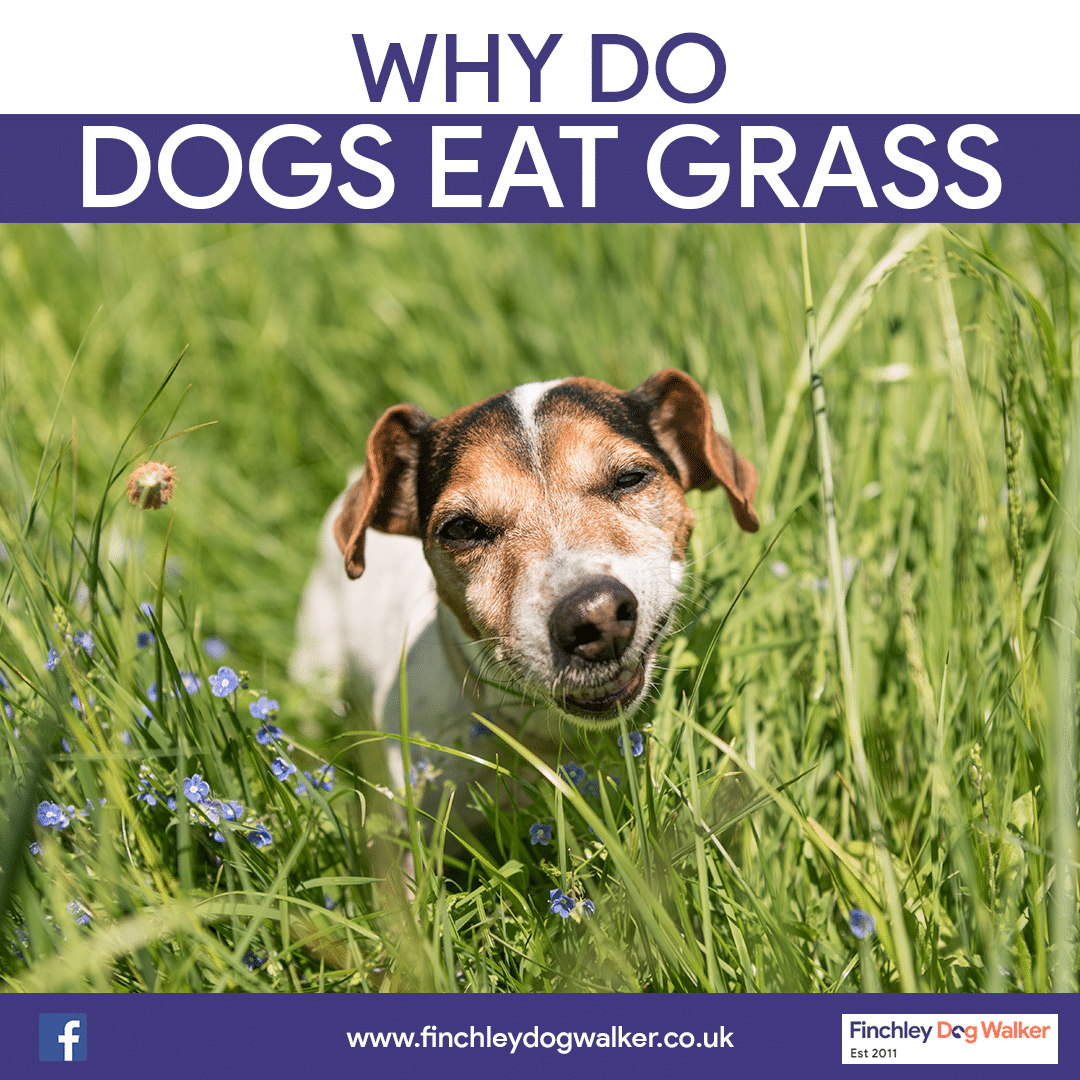
If you’ve ever stood at the edge of a grassy patch in Finchley thinking, “Really… this again?” you’re not alone.
Grass eating is one of those dog habits that can look odd, and sometimes a bit worrying. Some dogs take delicate little nibbles, like they’re tasting wine. Others go in like a lawnmower. And then there are the dogs who eat grass, vomit, shake it off, and act like nothing happened while you’re left holding the worry.
People often ask me the same questions on walks.
Is it normal for dogs to eat grass
Should I worry if my dog eats grass
What to do if your dog eats grass
And the big one, especially after a messy morning, why do dogs eat grass and then throw up
Here’s the honest bit.
There isn’t one single reason that covers every dog, every time. Dog grass eating behaviour can be about taste, curiosity, digestion, stress, habit, or the environment you’re walking through.
What I can do is help you sort the harmless nibbling from the situations that need a proper check. I can also show you what I look for on walks, so you feel calmer and more confident when it happens.
A quick note before we get into it.
If your dog is bright, eating normally, and only grazes now and then, grass eating is usually not a big deal. Many dogs do it.
If your dog is unwell, keeps vomiting, seems in pain, has diarrhoea, goes off food, or is frantic about eating grass, that’s different. That’s when I stop guessing and speak to a vet.
I’ll cover the signs to watch for, the risks that don’t get talked about enough, and simple steps you can use straight away.
I’ll also include a clear “what to do if your dog eats chocolate” section. It might feel unrelated, but it comes up more than you’d think when dogs are sniffing and scavenging outdoors.
Is it normal for dogs to eat grass?
Yes, in many cases.
If you’re wondering if it’s normal for dogs to eat grass, the answer is often “yes, as long as everything else looks normal”.
What “normal” looks like in real life:
- Your dog has a good appetite at home
- They have normal energy
- They’re not vomiting repeatedly
- They only nibble grass now and then
- They can be redirected without stress
What makes me pause:
- Your dog is eating grass every time they go out, urgently
- They look nauseous, drool, swallow a lot, or seem restless
- You’re seeing dog eating grass and vomiting more than once
- They’re not interested in their usual food
- They seem painful, bloated, or very quiet
If you’re ever unsure, a quick call to your vet is the safest route. You’re not wasting anyone’s time. You’re being sensible.

Why do dogs eat grass on walks?
When I watch dogs closely, most grass eating looks like normal foraging.
Dogs explore with their noses and mouths. Grass is everywhere. It moves, it holds scent, it tastes different depending on the season, and it often carries exciting smells from other dogs and wildlife.
Common everyday reasons I see:
They like the taste and texture
Some dogs are fussy grazers. They pick certain blades, often the softer new growth. Spring grass seems especially popular.
It’s part of sniffing and foraging
Sniffing and licking can tip into nibbling. Dogs do not separate “smell” and “taste” in the way we do.
They’ve learned it gets a reaction
If grass eating always leads to you rushing over, grabbing the lead, or panicking, some dogs repeat it because it works. Not because they’re being naughty. Because it’s a reliable way to get your attention.
It fills a gap in the walk
If the walk is mostly marching along pavements, some dogs make their own activity when they finally hit a green space.
That’s why I try to build walks around sniffing time, variety, and steady pace changes. It keeps the dog’s brain busy in a calm way.
If you want ideas that suit your dog, one-to-one support can help. I can watch what your dog does in real settings and help you put a plan together without overwhelm.
Grass and dog digestion, fibre, and feeling sick
Grass and dog digestion is the part that gets repeated most, and often in a way that sounds too certain.
You might hear:
“Eating grass because they feel sick.”
“They eat grass because they need fibre.”
“The grasshelps make them vomit.”
Sometimes a dog eats grass when they feel off. I see that too. But it’s not the whole story.
Plenty of dogs graze when they are perfectly well. And plenty of dogs with upset stomachs do not touch grass at all.
Here’s the helpful way to think about it.
Grass can irritate the stomach and throat
If a dog swallows a lot of grass quickly, especially long blades, it can trigger gagging or vomiting. That does not prove the dog planned it. It only shows that grass can trigger vomiting.
Fibre can matter, but it’s not a DIY fix
If your dog’s poos are often soft, they strain, or they seem hungry all the time, diet could be part of the picture. But changing food because of grass eating alone is guessing.
If you suspect a diet issue, speak to your vet before adding extras. Some “home fixes” can make things worse for sensitive stomachs.
If your dog eats grass daily, look at the whole routine
Meals, exercise, stress levels, sleep, and the walk style all matter. A dog can be physically tired and still mentally under-stimulated. That’s a common mix for grazing and scavenging.
Dog eating grass and vomiting
This is the moment most people search for answers, because it’s horrible to watch.
Dog eating grass and vomiting can be a one-off or a sign that something else is going on.
Here’s what I do, step by step, when a dog is sick after grass.
Step 1: Move away from the grass
Don’t let them go straight back to eating more. Give their stomach a chance to settle.
Step 2: Check what came up
It’s not pleasant, but it helps.
- Was it mostly grass
- Was there food
- Any foam or bile
- Any blood or anything that looks like coffee grounds
Blood, or repeated retching with little coming up, is a vet call.
Step 3: Watch your dog, not just the vomit
Within the next couple of hours, ask:
- Are they bright and responsive
- Are they trying to drink normally
- Are they settling, or pacing and drooling
- Are they vomiting again
Step 4: Keep things quiet and simple
Skip high-energy games. Offer a calm space. Fresh water should be available.
Step 5: Know the red flags
Speak to a vet urgently if you see:
- More than one or two vomiting episodes in a short time
- Lethargy that does not lift
- Swollen belly, signs of pain, or repeated unproductive retching
- Diarrhoea that is severe or bloody
- Suspected toxin exposure, like weedkiller or slug pellets
- A puppy, a more mature dog, or a dog with existing health issues
If your dog vomits once and then returns to normal, it may pass without drama. If it keeps happening, it deserves a proper look.
Dog chewing grass when anxious or bored
Some dogs chew grass the way others chew sticks or lick paws. It can be a coping behaviour.
Dog chewing grass when anxious often looks like this:
- Sudden grazing when a trigger appears, like a loud vehicle or an unfamiliar dog
- Fast, repetitive chewing rather than slow nibbling
- Difficulty disengaging, even with food or a cheerful voice
- Other stress signs, like yawning, lip licking, shaking off, or scanning
If boredom is driving it, you might notice:
- Grass eating starts the moment the walk gets predictable
- It happens more on short lead pavement walks
- It improves on longer sniffy walks or new routes
What helps, without punishment:
- Letting your dog sniff more, not less
- Slowing the pace down
- Offering simple scatter feeding in safe areas using your dog’s normal food
- Teaching a calm “this way” turn with rewards, so you can move on without a tug of war
- Giving your dog more choice and space where possible
If you’d like support with this, I offer one-to-one help. I can walk with you, watch your dog, and help you build a calmer routine that suits real life.
What to do if your dog eats grass
If you only take one section from this post, make it this one.
What to do if dog eats grass depends on two things.
Where the grass is, and how your dog is afterwards.
Here’s my practical checklist.
On the spot
- Check the area. Avoid grass near roads, bins, or heavy dog traffic if your dog tends to gulp it down.
- Look for signs that it has been treated. Freshly cut lawns, strong chemical smells, warning signs, or visible pellets are a no.
- Use a gentle redirect. A happy voice, a treat to the nose, then walk on. No telling off.
After the walk
- Keep an eye on behaviour for the next few hours.
- If they vomit once and bounce back, note it and carry on.
- If it happens again, or they seem off, speak to your vet.
If it’s becoming a habit
- Track it for a week when it happens. Time of day, location, before or after food, and any stress triggers.
- Review the walk. More sniffing, more variety, more decompression time.
- Consider a vet check if it’s new, severe, or associated with vomiting.
If you’re struggling to get a calm, steady walk because your dog keeps hunting for grass, solo dog walks can help. I can keep things consistent and low-stress while you get on with your day.
You can see my general service options here: https://www.finchleydogwalker.co.uk/services/
When eating grass is not safe
Even if grass eating itself is often harmless, the stuff on the grass is where problems start.
Be cautious about:
- Weedkiller and lawn treatments
- Fertilisers and compost
- Slug and snail pellets
- Mouldy grass cuttings, especially in warm weather
- High-risk parasite areas, where slugs and snails are common
- Long grass with seeds in summer, which can irritate mouths, noses, ears, and skin
If your dog has a habit of grazing in your garden, it’s worth making the space safer. If you’re away and someone else is caring for your pets, I always want to know what’s been used on the lawn and when.
That’s one reason some owners book house sitting. It keeps routines steady and ensures your pets are cared for in their own familiar space. I also provide cat and small animal care, so the whole household is covered without disruption.
FAQ
1) Why do dogs eat grass every day?
Daily grass eating can still be “normal”, but it’s worth looking at patterns. Some dogs graze out of habit, some are bored, and some do it more when they feel slightly nauseous. If it’s new, intense, or paired with vomiting, diarrhoea, weight loss, or going off food, speak to your vet. If your dog is otherwise well, try adding more sniffing and variety to walks, and see if the dog’s grass-eating behaviour reduces.
2) Is it normal for dogs to eat grass and then vomit?
It can happen, especially if your dog swallows a lot of grass quickly. Long blades can irritate the throat and stomach. A single vomit, followed by your dog returning to normal, is often not an emergency. Repeated vomiting, blood, signs of pain, or lethargy are red flags. If you’re seeing dog eating grass and vomiting often, get vet advice rather than assuming it’s harmless.
3) Should I worry if my dog eats grass?
Most of the time, no. If your dog is bright, eating normally, and only grazes occasionally, it’s usually not a concern. Worry is sensible if the grass could be contaminated by chemicals, if your dog can’t be redirected, or if there are health signs like repeated vomiting, diarrhoea, abdominal pain, or if your dog refuses food. When in doubt, call your vet.
4) What to do if the dog eats grass on every walk?
First, check the environment and avoid treated lawns or areas with heavy contamination risk. Next, use gentle redirection and keep the walk moving with sniffing and simple reward-based cues. If it looks like a dog chewing grass when anxious, increase the distance from triggers and slow the pace. If the dog persists, speak to your vet.
5) Does grass help dog digestion?
Grass and dog digestion are often linked, but it’s not a reliable “tummy cure”. Some dogs might seek grass when they feel off, and fibre can play a role in gut health. Still, many healthy dogs eat grass simply because they like it. If you’re worried about digestion, the safest option is to speak to your vet rather than changing diet based only on grazing.
Conclusion
So, why do dogs eat grass?
Most of the time, it’s everyday dog behaviour. It can be taste, curiosity, foraging, or a habit that’s built into the walk routine. Sometimes it links to feeling off, and sometimes it sits alongside stress. The key is to look at the whole dog, not just the grass.
If your dog is bright and well, an occasional nibble is usually nothing to panic about. Howeve if the dog is eating grass and vomiting repeatedly, if your dog can’t be redirected, or if the grass could be contaminated, take it seriously and speak to a vet.
If you’d like a calmer, more settled walk, I can help in a practical way. Only dog walks give your dog a steady routine and plenty of sniffing time. One-to-one support helps if grass eating is tangled up with anxiety or over-arousal. If you’re away, house sitting keeps your pets comfortable at home, and I can also look after cats and small animals, so everyone is covered.
Resources
Other related posts
Disclaimer: I’m not a vet. This article is for general information and does not replace veterinary advice. If you’re worried about your pet’s health, contact your vet.


