Updated July 2026
Christmas changes almost every part of your dog’s normal home environment.
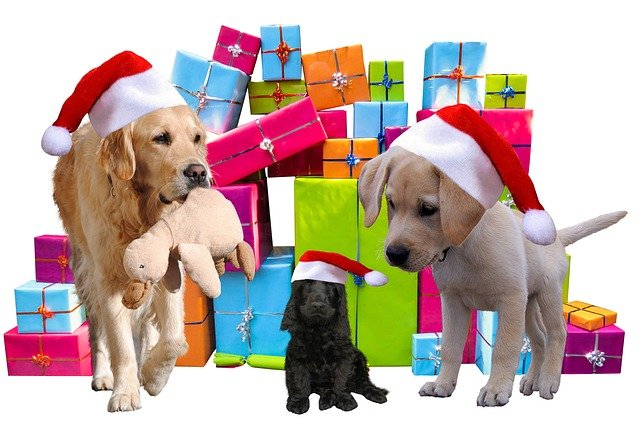
Food appears on low tables. Presents arrive through the door. Decorations hang from trees. Visitors come and go. Bins fill with leftovers, foil and food packaging.
Most dogs will naturally investigate these new smells and objects. A puppy, rescue dog or determined scavenger may find Christmas especially tempting.
The aim is not to frighten you or exclude your dog from the celebrations. A few sensible precautions can prevent many accidents during the festive period.
Here are twelve common Christmas hazards for dogs and practical ways to reduce the risk.
For broader advice about routines, visitors, walks and helping your dog settle, read Christmas with Dogs.
Quick Christmas safety checklist
Before Christmas Day:
- check your vet’s festive opening hours
- save the out-of-hours veterinary number
- keep chocolate and edible gifts away from the tree
- move toxic food away from low tables
- secure the Christmas tree
- keep wires and batteries out of reach
- remove ribbons, tinsel and wrapping promptly
- make the kitchen bin difficult to access
- ask visitors not to feed your dog
- prepare a quiet resting place
- check doors and gates when guests arrive
- keep your dog’s normal food, walks and medication routine as consistent as possible
Do not wait for symptoms if your dog has swallowed something potentially toxic or likely to cause a blockage.
Contact your vet immediately and tell them what was eaten, how much may be missing and when it happened. Do not attempt to make your dog vomit unless your vet specifically instructs you to do so.
1. Christmas trees and tree water
A Christmas tree creates several possible hazards.
A poorly secured tree may fall if a dog pushes against it, pulls a decoration or becomes caught in the branches.
Real trees also drop needles. The needles are not normally considered highly poisonous, but they can irritate the mouth and stomach, enter the paws or cause injury if swallowed.
Water in a real tree stand should also be inaccessible. It may contain preservatives or fertiliser, while stagnant water can contain bacteria.
To make your tree safer:
- secure it in a stable base
- consider attaching it to a wall where practical
- prevent access to the water container
- remove fallen needles regularly
- avoid placing dog beds or food bowls directly beneath it
- do not leave a curious dog unsupervised with the tree
- keep the lowest branches free from food and fragile decorations
Both real and artificial trees can be knocked over, so stability matters whichever type you choose.
Read How to Dog-Proof Your Christmas Tree for more detailed decorating advice.
2. Baubles and breakable decorations
A glass bauble can shatter when knocked from the tree.
Broken pieces can cut:
- paws
- noses
- mouths
- gums
- tongues
Small plastic ornaments and decorative pieces may also be swallowed and cause choking or an intestinal blockage.
Place fragile or small decorations above your dog’s reach. Check the floor regularly, particularly after children have been playing or presents have been opened.
Choose decorations that are:
- difficult to break
- too large to swallow
- securely attached
- free from loose hooks and small parts
Do not encourage your dog to remove decorations from the tree, even as a Christmas game. They cannot be expected to understand why one hanging object is a toy while another is dangerous.
PDSA advises placing ornaments out of reach and removing broken pieces immediately because swallowed decorations can cause choking or digestive obstruction.
3. Tinsel, ribbon and string
Tinsel and ribbon can look like exciting moving toys.
They are not considered poisonous, but they may cause serious injury when swallowed. Long, thin materials can become caught in the digestive system and may require emergency treatment.
This includes:
- tinsel
- gift ribbon
- curling ribbon
- string
- raffia
- decorative cord
- thread from opened gifts
Never tie tinsel or ribbon around your dog’s neck.
After presents have been opened:
- Collect ribbon and string immediately.
- Place it directly into a secure bin.
- Check beneath furniture.
- Count any long pieces used around gifts.
- Keep unopened parcels away from dogs who chew packaging.
Contact your vet promptly if you believe your dog has swallowed ribbon, tinsel or another long object. Do not pull material from your dog’s mouth or bottom because part of it may be caught internally.
Tinsel and ribbon can cause choking and dangerous intestinal obstruction even though the material itself is not toxic.
4. Fairy lights, electrical cables and batteries
Dogs who chew may investigate wires, plugs and battery compartments.
Chewing a live electrical cable can cause burns, electric shock and other serious injuries. Loose cables can also become tangled around legs or collars.
Keep electrical cables:
- behind furniture
- inside suitable cable covers
- away from dog beds
- away from water bowls
- secured rather than dangling
- switched off when not needed
Battery-powered decorations are not automatically safe. Batteries themselves must remain completely inaccessible.
Small batteries may be found in:
- children’s toys
- flashing decorations
- musical cards
- remote controls
- light-up collars
- novelty presents
Check that the compartments close securely and collect any loose batteries as soon as the gifts are opened.
Contact your vet immediately if your dog chews or swallows a battery. Do not wait to see whether symptoms appear.
5. Chocolate, sweets and edible decorations
Chocolate is one of the best-known Christmas hazards for dogs, but it is still easily overlooked.
Dogs may find chocolate in:
- Advent calendars
- selection boxes
- stockings
- wrapped presents
- tree decorations
- cakes
- biscuits
- hot drinks
- handbags
- guests’ bedrooms
Do not assume wrapping paper or a cardboard box will prevent your dog smelling and reaching the food inside.
Dark chocolate and cocoa products generally contain more theobromine than milk chocolate, but no chocolate should be deliberately offered to a dog.
Sugar-free sweets and baked products may contain xylitol, sometimes labelled as birch sugar. Xylitol can seriously harm dogs.
Keep edible decorations off the tree altogether in homes with dogs.
Contact your vet immediately if your dog eats chocolate or a product containing xylitol. Keep the packaging and be ready to provide your dog’s weight and the likely quantity eaten. (PDSA)
Read Chocolate and Dogs: What to Do for more detailed guidance.
6. Mince pies, Christmas pudding and dried fruit
Mince pies, Christmas cake, Christmas pudding, panettone and Stollen commonly contain:
- raisins
- currants
- sultanas
- grapes
These fruits can cause serious poisoning and kidney injury in dogs. The dangerous amount varies, so you should not wait for symptoms or try to calculate whether the quantity was small enough to ignore.
Chocolate-covered raisins combine two separate risks.
Keep dried-fruit products:
- inside closed cupboards
- away from coffee tables
- out of handbags
- away from wrapped presents
- out of unattended guest rooms
Remember to clear dropped crumbs and pieces after children have eaten.
Contact your vet immediately if your dog eats grapes, raisins, currants or sultanas.
Read Can Dogs Eat Mince Pies? for specific advice about mince pies and Christmas desserts. (PDSA)
7. Macadamia nuts and festive snack bowls
Macadamia nuts are toxic to dogs.
Possible signs can include:
- weakness
- vomiting
- trembling
- diarrhoea
- difficulty walking normally
Other nuts may not carry the same specific toxicity, but they can still create problems because they are fatty, difficult to digest or capable of causing choking and obstruction.
Bowls of nuts often sit on low tables throughout Christmas.
Move them out of reach and ask visitors not to share them.
Also check:
- biscuits
- cakes
- nut bars
- gift hampers
- chocolates
- bowls of mixed nuts
Contact your vet if your dog eats macadamia nuts or becomes unwell after eating another type of nut. (PDSA)
8. Christmas dinner, gravy and cooked bones
A small amount of plain, fully cooked, skinless and boneless turkey may be suitable for some healthy dogs.
The complete Christmas dinner is different.
Stuffing, gravy, bread sauce and seasoned vegetables may contain:
- onions
- garlic
- leeks
- shallots
- large amounts of salt
- fat
- butter
- alcohol
Members of the onion family can harm dogs and may be present in powdered or cooked form as well as fresh ingredients.
Cooked turkey and chicken bones can splinter, become lodged or damage the digestive tract.
Do not give your dog:
- the cooked carcass
- bones
- skin
- stuffing
- gravy
- pigs in blankets
- fatty trimmings
- food containing onion or garlic
- a plate of mixed leftovers
Keep the carcass and leftovers inside a secure bin that your dog cannot open.
PDSA advises keeping cooked bones, onions, garlic, leeks, gravy, stuffing and other unsuitable Christmas foods away from pets
Read Can Dogs Eat Christmas Dinner? before preparing anything special for your dog.
You can also make a separate small treat using my Safe Homemade Christmas Dog Treats guide.
9. Alcohol and human medication
Alcohol is toxic to dogs.
Possible sources include:
- beer
- wine
- spirits
- cocktails
- liqueur chocolates
- Christmas pudding
- alcohol-soaked cake
- unattended glasses
- spillages
- fermenting food
Move glasses and bottles away from low tables and clean up spills promptly.
Christmas gatherings can also leave human medication within reach. Guests may place tablets in handbags, coat pockets or bedside cabinets that a dog can access.
Common painkillers, including ibuprofen and paracetamol, should never be given to a dog unless a veterinary surgeon has prescribed an appropriate veterinary treatment.
Store all medication securely and contact your vet immediately if your dog may have swallowed a tablet or drunk alcohol. Bring the packaging where possible.
Alcohol can cause serious illness in dogs, including weakness, breathing problems and neurological symptoms. (Blue Cross)
10. Christmas plants and festive bouquets
Popular Christmas plants can cause illness when chewed or swallowed.
Plants to keep away from dogs include:
- holly
- ivy
- mistletoe
- amaryllis
- daffodils
- some festive bulbs
- yew
- lily of the valley
Poinsettia is often described as extremely poisonous, but it more commonly causes irritation and digestive upset. It should remain out of reach.
Not every plant causes the same level of harm, and different parts of a plant may present different risks. It is safest to prevent your dog from chewing any decorative plant.
Lilies deserve particular attention in mixed-pet homes because several true lilies are especially dangerous to cats. Pollen and vase water can also present a risk to cats.
Place bouquets where pets cannot reach:
- the flowers
- leaves
- berries
- fallen pollen
- vase water
Contact your vet if your dog eats an unknown plant or develops drooling, vomiting, diarrhoea, low energy, twitching or collapse. (Blue Cross)
Read Are Christmas Plants Dangerous for Pets? for more detailed guidance.
Cat owners should also read How to Keep Cats Safe at Christmas.
11. Presents, toys and packaging
A wrapped present may contain something your dog can smell, chew or swallow.
Possible hazards include:
- chocolate
- sweets
- dried fruit
- batteries
- children’s toys
- small game pieces
- ribbons
- plastic packaging
- silica gel sachets
- cosmetics
- medication
- sharp objects
Do not leave edible or strongly scented gifts beneath the tree.
During present opening:
- Keep your dog supervised.
- Collect small pieces as they appear.
- Put batteries directly somewhere secure.
- Remove ribbons and plastic bags.
- Check beneath chairs and sofas.
- Move children’s toys away before allowing the dog to investigate.
Silica gel is generally considered low in toxicity, but the sachet and other packaging may still pose a risk of swallowing or blockage.
A dog does not know that the squeaky toy belongs to a child while another object belongs to them.
Give your dog their own suitable present separately and supervise them while they use it.
Read The Dangers of Christmas Presents and Dogs for more about wrapping, batteries and small objects.
12. Visitors, open doors and festive stress
Not every Christmas hazard involves poisoning.
Visitors, children, deliveries, loud music and repeated door opening can make the home difficult for some dogs.
A dog who normally appears friendly may become overwhelmed when:
- several people arrive together
- children approach while they are resting
- visitors attempt to hug them
- food is repeatedly offered
- someone takes away a chew
- their bed has been moved
- normal walk and feeding times change
- fireworks begin outside
- the front door is left open
Prepare a quiet space containing:
- familiar bedding
- fresh water
- enough room to rest
- a safe route away from visitors
- suitable background sound where helpful
Tell guests not to disturb your dog while they are resting.
Children should never follow a dog into their quiet area, climb onto them or take food and toys away.
Keep the front door controlled when guests arrive and leave. Check that your dog’s identification tag and microchip details are current.
For nervous and rescue dogs, a quiet Christmas may be far more enjoyable than being included in every activity.
Read Maintaining Your Dog’s Routine at Christmas and Rescue Dog Support in Finchley.
Fireworks may continue through Christmas and New Year. My Dogs and Fireworks Guide explains how to prepare a safe space and support a worried dog.
What should you do if your dog eats something dangerous?
Contact your vet immediately.
Do not wait for your dog to become visibly ill.
Be ready to tell the veterinary team:
- what your dog ate
- how much may be missing
- when it happened
- your dog’s weight
- whether any packaging was swallowed
- whether symptoms have appeared
- whether your dog receives medication
Keep labels, packaging and ingredient lists.
Do not:
- make your dog vomit
- give salt water
- give human medication
- force food or drink
- wait for an online group to reply
- assume a small quantity is harmless
Prompt veterinary treatment improves the chance of a good outcome after many poisonings and swallowed objects. (PDSA)
Signs that need urgent veterinary advice
Contact your vet urgently if your dog develops:
- repeated vomiting
- severe diarrhoea
- shaking or tremors
- weakness
- difficulty standing
- collapse
- breathing difficulty
- seizures
- a swollen or painful abdomen
- repeated unsuccessful attempts to vomit
- choking
- blood in vomit or stools
- unusual drowsiness
- difficulty passing faeces
Symptoms vary depending on what was eaten.
Do not wait for these signs when you already know your dog has swallowed chocolate, xylitol, raisins, medication, batteries or another dangerous item.
Christmas safety for scavenging dogs
A determined scavenger may need more management than a dog who normally ignores food.
Useful precautions include:
- using stair gates
- closing the kitchen door
- keeping serving dishes away from table edges
- asking guests not to leave plates unattended
- using a bin with a secure lid
- moving wrapped food gifts upstairs
- checking handbags and coat pockets
- keeping the dog away during food preparation
- clearing tables before relaxing after the meal
Management is not a failure of training.
Christmas creates an unusually difficult environment with food in places where it is not normally found.
Preventing access is more reliable than repeatedly asking your dog to leave tempting food alone.
Christmas safety for puppies
A puppy may never have seen:
- a Christmas tree
- tinsel
- wrapped presents
- flashing lights
- a crowded house
- people wearing festive costumes
- large groups of excited children
Supervise closely and introduce decorations gradually.
Do not allow a puppy to rehearse pulling items from the tree or shredding gifts.
Provide regular toilet opportunities, enough sleep and a quiet space.
An overtired puppy may become increasingly mouthy and difficult to settle. This does not mean they need more excitement.
A calm Christmas is still a proper Christmas.
Your dog does not need to eat Christmas dinner, unwrap every present or greet every visitor to be included.
They may be happiest with:
- their normal food
- a familiar walk
- a safe treat
- time to sniff
- their usual bed
- calm company
- an undisturbed sleep
Prepare the house before celebrations begin.
Move dangerous food and gifts.
Secure decorations.
Keep emergency veterinary details available.
Most importantly, watch the dog in front of you.
Their behaviour will tell you whether they are enjoying the festivities or need a quieter place to rest.
For the wider picture, read Christmas with Dogs: How to Keep Your Dog Safe and Happy.
Related Finchley Dog Walker guides
- Christmas with Dogs
- Can Dogs Eat Christmas Dinner?
- Can Dogs Eat Mince Pies?
- Safe Homemade Christmas Dog Treats
- Safe Christmas Stockings
- Chocolate and Dogs
- Christmas Plants and Pets
- Christmas Presents and Dogs
- Dogs and Fireworks
- Canine First Aid Guide
Veterinary disclaimer
This article provides general information about Christmas hazards for dogs.
It does not diagnose poisoning, illness or injury, prescribe treatment or replace an examination by a veterinary surgeon. Under the Veterinary Surgeons Act 1966, diagnosis and veterinary treatment are matters for an appropriately qualified veterinary surgeon.
Contact your vet immediately if your dog has swallowed something harmful, may have a blockage or develops concerning symptoms.