

Warning Signs Dog Owners Should Not Ignore
Updated July 2026
Dogs cannot tell us:
My stomach really hurts.
Or:
I feel dizzy.
Or:
I’m struggling to breathe.
They show us through changes in their body and behaviour.
The difficult bit for dog owners is deciding whether something can be calmly monitored or whether you need to phone the vet now.
I have been a professional dog walker since 2011 and have completed Ofqual Level 3 canine first aid training.
One of the most important things first aid has taught me is that you do not need to diagnose the problem.
You need to notice that something is wrong, prevent things from getting worse and know when professional veterinary help is needed.
My simple rule is:
If you are seriously worried about your dog, phone your vet.
You are not wasting their time.
A vet is far better placed to decide that something can wait than you or I are to decide that something serious is probably fine.
This guide explains some of the warning signs I would take seriously.
For practical first-aid advice, start with my Dog First Aid Guide
Important
This article provides general information only. I am a professional dog walker with canine first aid training, not a veterinary surgeon. I cannot diagnose your dog. If you think your dog is having an emergency, contact a vet immediately.
When is a dog having a veterinary emergency?
Some signs should not be watched for a few hours to see what happens.
Call a vet immediately if your dog is:
Struggling to breathe
Unable to breathe normally
Collapsed or unresponsive
Having a prolonged or repeated seizure
Bleeding heavily
In severe pain
Unable to stand or walk normally after a sudden injury
Trying to urinate but unable to pass urine
Repeatedly retching without producing vomit, particularly with a swollen stomach
Showing signs of serious heatstroke
Known or suspected to have swallowed something poisonous or dangerous
Involved in a road traffic accident or other significant trauma
The Blue Cross includes breathing difficulties, heatstroke, poisoning, serious injury and a sudden swollen stomach among situations needing urgent veterinary attention. The PDSA advises immediate veterinary attention when a dog is straining but unable to pass urine.
Do not use this list to rule out an emergency.
Dogs do not read checklists.
If your dog looks seriously unwell, phone the vet.
My dog is struggling to breathe
Breathing problems are an emergency.
You may notice:
Fast or distressed breathing
Gasping
Breathing with obvious effort
The neck stretched out to breathe
Unusual breathing noises
White, grey or blue gums
Weakness
Collapse
The PDSA advises taking a pet to a vet immediately if they are unable to breathe, have collapsed, have white, grey or blue gums or are rapidly getting worse.
Keep your dog as calm as possible.
Do not make them walk further than necessary.
Phone the vet.
If possible, phone on the way so the veterinary team knows you are coming.
This is not the time to spend twenty minutes searching online for a diagnosis.
My dog has collapsed
Collapse is always something I would take seriously.
A dog may collapse for many different reasons.
Heatstroke.
Heart problems.
Poisoning.
Severe pain.
Blood loss.
A neurological problem.
I cannot tell you which one by looking at a collapsed dog on a website.
And that is exactly the point.
Do not try to diagnose the cause yourself.
Keep your dog safe.
Check whether they are responsive and breathing.
Contact a vet immediately.
My Dog First Aid Guide covers the basic first-aid approach I use while professional veterinary help is being arranged.
My dog is being sick or has diarrhoea
This is where owners understandably get confused.
Dogs vomit.
Dogs get diarrhoea.
Some dogs seem capable of eating the most disgusting thing in Coldfall Wood and then looking surprised when their stomach objects.
One episode does not automatically mean a veterinary emergency.
The PDSA says that a normally fit and well dog that has vomited once and otherwise seems fine may sometimes be monitored closely.
But look at the whole dog.
Contact your vet for advice if you notice:
Repeated or continuous vomiting
Blood in vomit
Blood or mucus in diarrhoea
Severe or constant watery diarrhoea
Vomiting and diarrhoea together
A painful stomach
Marked lethargy
Reduced appetite
Your dog stops drinking
Signs of dehydration
Disorientation
Collapse
The symptoms are getting worse rather than better
PDSA guidance advises contacting a vet for continuous vomiting, blood, lethargy, abdominal pain, dehydration, disorientation or collapse. Its diarrhoea guidance also flags blood or mucus, severe watery diarrhoea, vomiting, lethargy and abdominal pain.
I would also be more cautious with a very young puppy, an older dog or a dog with an existing health condition. Current PDSA gastroenteritis advice specifically identifies very young and very old dogs, as well as those with underlying illness, as reasons to contact a vet.
What about the old advice to starve a dog after vomiting?
This page originally recommended withholding food for around six hours.
I have removed that blanket advice.
Veterinary guidance changes, and I try to keep up with new methods, both health and training
The current PDSA advice for a dog that has vomited once and otherwise seems well includes small portions of a suitable bland diet, hydration and rest, with veterinary advice if the vomiting continues or the dog becomes unwell. (PDSA)
Rather than following an old internet rule about fasting, I would phone your vet when you are unsure.
My dog keeps trying to be sick, but nothing comes up
Do not ignore repeated retching.
A dog who repeatedly tries to vomit but produces little or nothing, especially if the stomach looks swollen or bloated, may have gastric dilatation-volvulus, often called GDV or a twisted stomach.
This is a life-threatening emergency.
PDSA advises contacting a vet immediately for persistent retching, especially if accompanied by a bloated stomach.
Do not wait until morning.
Phone the vet.
My dog is struggling to pee
Pay attention to changes in urination.
You may notice your dog:
Asking to go out much more often
Straining
Squatting or lifting their leg repeatedly
Passing very small amounts
Crying or appearing uncomfortable
Passing blood
Trying to urinate but producing nothing
A dog who is straining but unable to pass urine needs immediate veterinary attention. (PDSA)
Do not assume they are constipated.
Do not wait to see whether they manage later.
Phone your vet.
My dog has been hit by a car but looks fine
I would still contact the vet.
Adrenaline is a wonderful thing.
A dog may stand up and walk after an accident.
That does not tell us what is happening inside their body.
Blue Cross first-aid guidance warns that road traffic accidents and other trauma can cause injuries that are not immediately obvious.
Keep movement to a minimum.
Be careful when handling your dog.
A frightened or painful dog may react very differently from normal.
Contact the vet and follow their instructions.
The same applies after a significant fall or serious impact.
My dog has been in a fight
Check your dog carefully.
A puncture wound can look tiny.
That does not mean the injury underneath is tiny.
Blue Cross advises having dog-bite injuries checked because bites can become infected and may cause deeper injuries; sometimes obvious external wounds are absent even when the dog is unwell or injured.
Look for:
Puncture wounds
Bleeding
Swelling
Limping
Pain
Changes in breathing
Lethargy
A change in appetite
Contact your vet after a bite or fight injury.
My Cuts and Grazes Guide has more general information about minor wounds and knowing when first aid is not enough.
My dog is limping
A slight limp and a dog unable to put a leg on the ground are not the same situation.
But both tell you something has changed.
Stop the walk.
Do not try to walk the stiffness off.
Look for obvious problems if your dog will let you do so safely.
For example:
A cut paw
Something stuck between the pads
A damaged nail
Swelling
A visible wound
Do not pull or manipulate a painful limb trying to diagnose the problem.
PDSA advises contacting a vet if a dog is limping or stiff, and contacting them immediately if the dog is in severe pain, cannot put the leg down or has a serious wound.
This is one of the reasons my dog walks are one-to-one.
I am watching one dog.
If their gait changes or they suddenly slow down, I notice.
I do not have six dogs moving around me while I try to work out which one is uncomfortable.
You can read more about my Solo Dog Walks and why I prefer a one-household-at-a-time approach.
How can I tell if my dog is in pain?
Pain does not always look dramatic.
A dog in severe pain may cry or protect part of their body, but changes can also be more subtle. PDSA advises contacting a vet when a pet is in pain and treating severe pain as a possible emergency.
Things I notice include:
A sudden reluctance to move
An unusual posture
Limping
Difficulty getting comfortable
Protecting part of the body
Growling when approached or touched
A normally sociable dog wanting to hide
A change in appetite
A sudden change in behaviour
Do not tell a normally friendly dog off for growling when they are injured.
Pain can change how a dog responds to being handled.
Give them space.
Keep yourself safe.
Contact your vet.
My guide to understanding when a dog wants to be touched also explains why I pay attention to quieter body-language signals rather than waiting for a dog to snap.
My dog’s behaviour has suddenly changed
Owners often notice behavioural changes before they notice anything physically wrong.
You might say:
He’s just not himself.
I take that seriously.
It does not mean your dog definitely has a medical problem.
But sudden changes are information.
Perhaps your dog:
Seems unusually confused
Is unsteady
Becomes very withdrawn
Suddenly avoids being touched
Cannot settle
Starts behaving unusually aggressively
Seems abnormally sleepy or weak
Stops wanting to walk
A sudden change in behaviour can have many causes, some of which may be medical.
Do not automatically label a sudden change as:
Stubborn.
Naughty.
Getting old.
Being difficult.
Especially when the change is genuinely out of character.
If you are concerned, contact your vet.
This is particularly important before assuming a new behaviour problem is purely a training issue.
My dog has had a seizure
Watching a dog have a seizure is frightening.
Try to stay calm.
Move objects away so your dog cannot injure themselves.
Keep the room as quiet and calm as possible.
Do not put your hands into their mouth.
Time the seizure.
If you can do so safely, a video may give your vet useful information.
PDSA advises contacting your vet as a dog starts to come round after a seizure and seeking urgent advice where seizures are becoming longer, more severe or more frequent.
Prolonged or repeated seizures can be an emergency.
Phone your vet and follow their advice.
My dog may have eaten something poisonous
Do not wait for symptoms.
That is important.
If you know or suspect your dog has eaten something dangerous, contact your vet.
Examples can include:
Chocolate
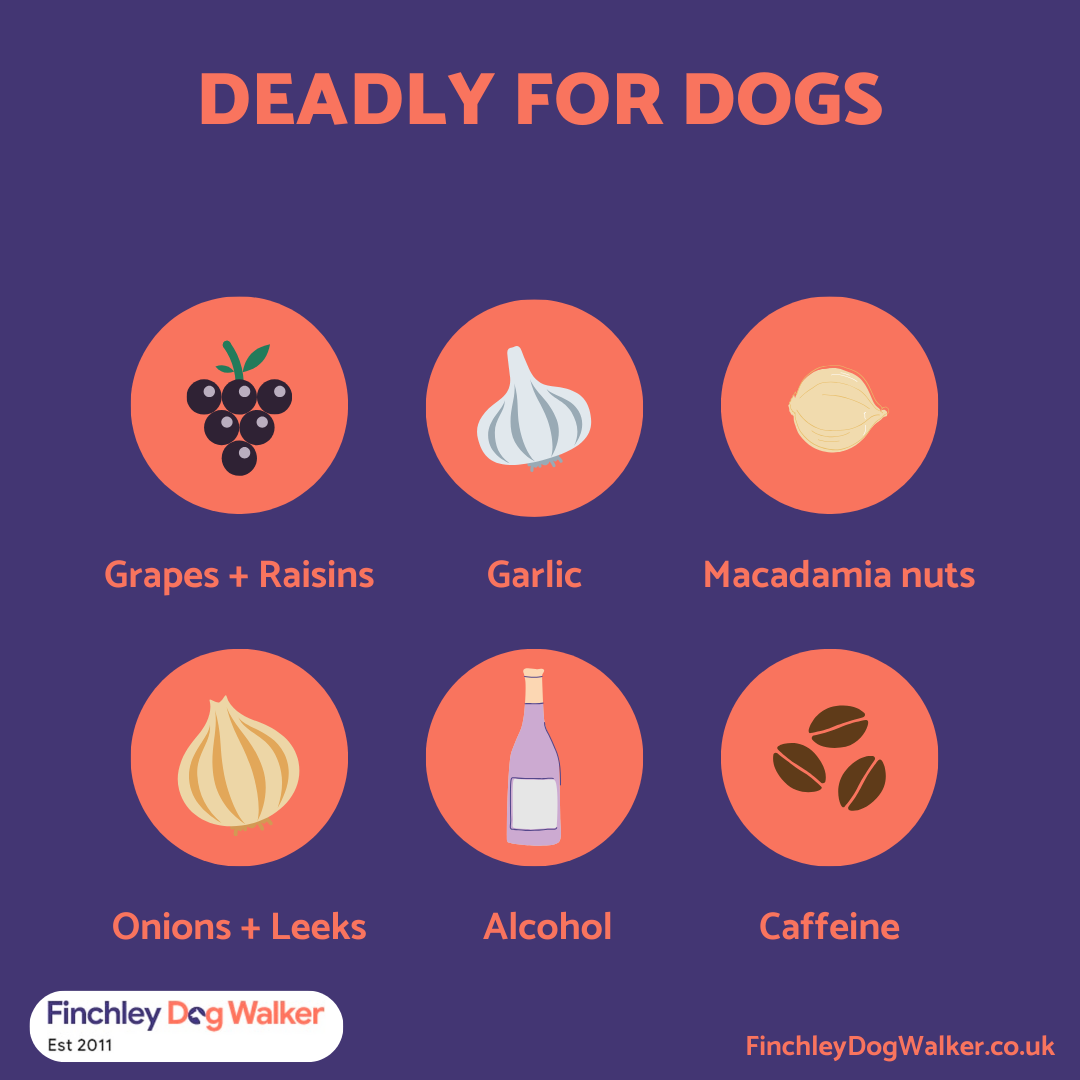
Grapes or raisins
Xylitol
Human medication
Antifreeze
Some plants
Household chemicals
Unknown substances found on a walk
Blue Cross advises contacting a vet when poisoning is suspected and specifically says not to make a dog vomit unless a vet instructs you to do so.
Keep the packaging where possible.
Take a photograph of a plant or substance if that can be done safely.
Tell the vet:
What you think your dog ate
Approximately how much
When it happened
Your dog’s approximate weight
Any symptoms you have noticed
My Toxic Foods for Dogs Guide covers many common food risks.
But in a suspected poisoning emergency, phone the vet first.
Read the guide later.
What about heatstroke?
Heatstroke is an emergency.
Signs can include:
Heavy panting
Distressed breathing
Drooling
Restlessness
Red gums or tongue
Vomiting
Diarrhoea
Confusion
Weakness
Collapse
Seizures
The Royal Veterinary College and PDSA both advise starting cooling promptly when heatstroke is suspected and seeking veterinary help.
I have now written a separate, fully updated guide to Heatstroke in Dogs: Signs, First Aid and When to Call a Vet
Remember:
Cool first. Transport second.
Start cooling and contact your vet.
Eye problems can become urgent quickly
I would not ignore an eye problem.
Watch for:
An eye being held closed
Repeated blinking
Redness
Discharge
Cloudiness
Swelling
An obvious injury
Your dog repeatedly rubbing the eye
PDSA advises contacting a vet when you think a dog has an eye problem, with urgent assessment needed where severe pain is present.
Do not start putting random creams or human eye products into your dog’s eye.
Contact your vet.
My First Aid for Dog Eye Injuries guide has more information about what to do while veterinary help is arranged.
When is it reasonable to monitor my dog?
Not every slightly unusual moment is an emergency.
You know your dog.
A healthy adult dog who vomits once but is then bright, comfortable, drinking and acting normally is different from a dog who is repeatedly vomiting, weak and in pain. Current PDSA guidance recognises that a single vomiting episode in an otherwise fit and well dog may sometimes be monitored closely.
Monitoring means actually monitoring.
It does not mean:
I’ll have another look tomorrow evening.
Notice:
Eating
Drinking
Urination
Poo
Breathing
Movement
Energy
Pain
Behaviour
Whether symptoms are improving or worsening
Make a note of times.
Take photographs where useful.
A short video of unusual movement or behaviour may help your vet understand what you have seen.
If the situation changes, phone your vet.
Puppies, older dogs and dogs with health problems
I tend to have a lower threshold for concern with:
Young puppies
Older dogs
Dogs with an existing medical condition
Dogs taking medication
Dogs recovering from surgery or illness
Dogs whose normal behaviour has suddenly changed
A puppy can become unwell quickly.
An older dog may have more than one health problem.
A dog with an existing condition may need advice that is completely different from generic information on the internet.
Current PDSA gastroenteritis guidance specifically recommends contacting a vet when gastrointestinal symptoms affect a very young or old dog or one with an underlying illness.
This is where your own vet matters.
They know your dog’s history.
I do not.
What if my vet is closed?
Do not wait until morning simply because your normal practice is closed if you think your dog is having an emergency.
UK veterinary practices must take steps to provide 24-hour emergency first aid and pain relief. This may be through the practice itself, another local practice or a dedicated emergency service. The RCVS recommends knowing your practice’s out-of-hours arrangements before an emergency happens. (
Save the number.
Do it now rather than at two o’clock in the morning while your dog is unwell.
Your normal veterinary practice’s phone message or website should explain its emergency arrangements.
I also list local pet-care contacts I know on my Recommended Dog Care page.
What information should I give the vet?
When you phone, try to stay calm.
Tell them:
Your dog’s age and breed
What has happened
When it started
Whether symptoms are getting worse
Whether your dog is conscious and responsive
How they are breathing
Whether they can stand and walk
Whether they are eating and drinking
Any vomiting or diarrhoea
Whether they are passing urine
Any medication they take
Anything they may have eaten
What first aid you have already given
Do not worry about using medical words.
You can say:
He’s normally waiting at the door for his walk. Today he won’t get off his bed and he cried when I touched his stomach.
That is useful information.
You know what normal looks like for your dog.
Tell the vet what has changed.
What I do if a dog becomes unwell on a walk
I do not try to be a vet.
My job is to notice.
If a dog in my care suddenly seems unwell, I may:
Stop the walk
Move somewhere safe
Reduce unnecessary movement
Check their breathing and general responsiveness
Look for an obvious cause where it is safe to do so
Start appropriate first aid in an emergency
Contact you
Contact a vet when emergency help is required
Follow the agreed emergency information for that dog
This is one reason I ask owners for proper contact and veterinary details.
It is also one reason I carry a Dog First Aid Kit
First aid does not replace the vet.
It helps me look after the dog in front of me until the right professional help is available.
Trust the change you can see
You know your dog better than a search engine does.
You know:
How they normally greet you.
How quickly they eat.
How they walk.
Where they sleep.
How energetic they are.
How they respond to touch.
When a dog is suddenly and genuinely different, pay attention.
You do not need to know the diagnosis before phoning your vet.
That is the vet’s job.
Your job is to notice that something is wrong.
My simple “call the vet” checklist
Phone a vet immediately for:
Breathing difficulties
Collapse or unresponsiveness
Severe pain
Heavy bleeding
Serious trauma
Inability to pass urine
Suspected poisoning
Serious heatstroke
Repeated retching with a bloated stomach
A prolonged or repeated seizure
Call your vet for advice if:
Vomiting continues
Diarrhoea is severe or persistent
You see blood in vomit or poo
Your dog is unusually lethargic
Your dog stops eating or drinking
Your dog is limping or appears painful
You notice an eye problem
Your dog’s behaviour changes suddenly
Something simply does not feel right
And remember:
You are not expected to diagnose your dog before calling the vet.
Final thoughts
There is a big difference between panicking over every sneeze and ignoring a dog who is clearly telling you something is wrong.
The middle ground is observation.
Know your dog.
Notice changes.
Stay calm.
Give first aid where appropriate.
And know when the problem has moved beyond what you can safely deal with at home.
I have completed canine first aid training because I work with dogs every day.
One of the most valuable things that training has taught me is knowing my limits.
When a dog needs a vet, the dog needs a vet.
For more practical emergency advice, read my Dog First Aid Guide and Dog First Aid Kit Guide
Disclaimer
I am a professional dog walker with an Ofqual Level 3 canine first aid qualification. I am not a veterinary surgeon and cannot diagnose, prescribe for or treat veterinary medical conditions. This guide is for general information and first-aid awareness only. If you are concerned about your dog’s health, contact your vet. In an emergency, seek veterinary help immediately.
other article suu may be interested in


