Key Takeaways
- Christmas changes can unsettle dogs, leading to stress or behavioural issues.
- Maintaining your dog’s routine at Christmas, including meal times and walks, reduces stress and helps them feel secure.
- Plan for busy days by scheduling consistent walks and keeping meal times steady.
- Provide calm spaces for your dog during festive visits and ensure regular toilet breaks to prevent accidents.
- Use simple enrichment activities to keep your dog engaged and minimise unwanted behaviour during the hectic holiday season.
Christmas can feel full on for you. It can feel even busier for your dog. Your home changes. Visitors arrive. Meal times shift. Walks happen later than planned. Decorations appear overnight. If you have a sensitive dog, you already know how much these changes can knock their confidence. If you have a laid-back dog, you may still notice small signs that the season feels different.
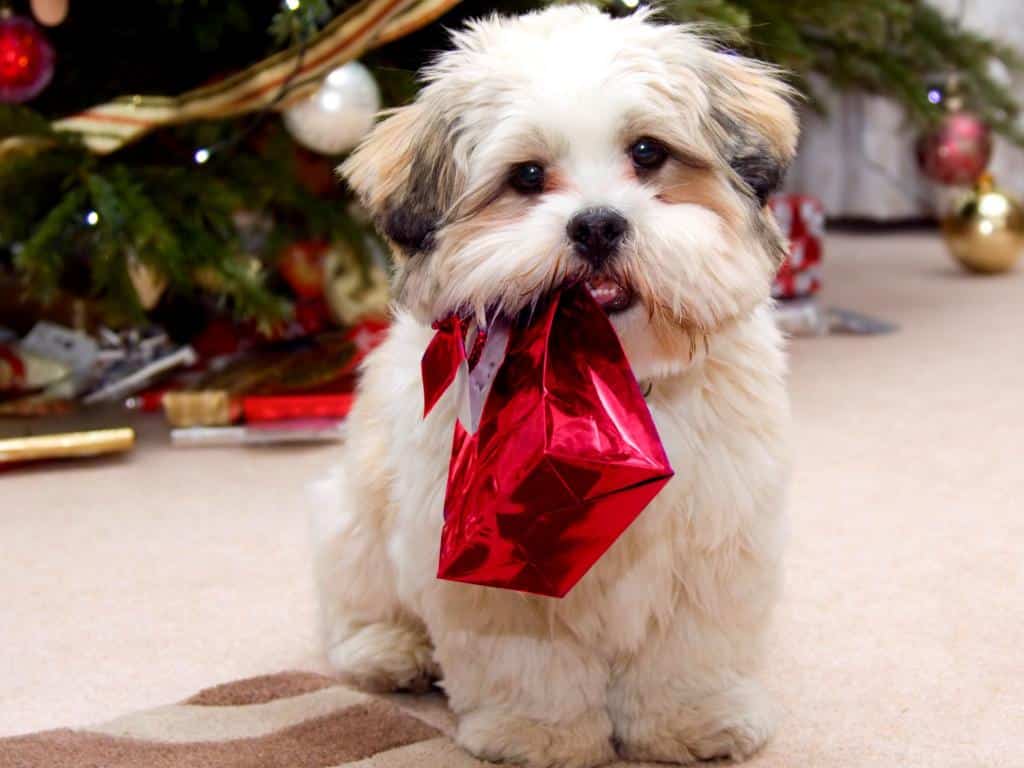
I see this every year with the dogs I walk in Finchley. I also see how simple steps make a big difference. If you keep things predictable, your dog settles. If you change too much at once, your dog works harder to understand what is happening. This can lead to worries, over-excitement, poor sleep, accidents in the house, or clingy behaviour. It can also make your Christmas feel more stressful.
You may be asking yourself how to keep things steady when your own routine is all over the place. You may also wonder what really matters and what you can let slide. This guide walks you through the key parts of maintaining your dog’s routine at Christmas. It draws on real examples from local dogs, research from UK welfare organisations, and practical advice I use every day.
By the end, you will know how to protect your dog’s routine at Christmas, how to spot early signs of Christmas stress for dogs, and how simple planning helps you enjoy the season with fewer worries. You will also see helpful ways a local pet care service in Finchley can support you if you need someone reliable to keep your dog’s routine steady.
Why Routine Helps Your Dog Feel Safe
Routine works because it removes guesswork. Dogs read patterns. They relax when they know what comes next. If your dog already struggles with change or noise, Christmas can make things more complicated. Visitors, bright lights, different smells, and later nights all add pressure.
Think about your dog last Christmas.
Did they pace around when people arrived?
Did they hover near the kitchen?
Maybe they went and hid?
Did they jump up more than usual?
These are early signals that routine has slipped.
The Kennel Club reminds owners that sudden changes in the home can raise stress levels for dogs. Dogs Trust also warns that Christmas can overwhelm dogs of all ages. When you protect routine, you protect stability. When you protect stability, you reduce stress for dogs at Christmas.
Here are the core parts of routine that matter most:
• Meal times
• Walk timings
• Sleep
• Rest spaces
• Toilet breaks
• Training and enrichment
• Who they spend time with
If you keep these steady, your dog copes better with everything else.
Keeping Walk Times Consistent Even on Busy Days
Walks anchor your dog’s day. They burn energy, give mental stimulation, release tension, and support digestion. If walks shift by hours, your dog feels unsettled.
I see this with one of the dogs I walk in East Finchley. If I turn up thirty minutes later than usual, he paces and checks the window long before I arrive. His owner sees this too during the holidays when lie-ins and late nights creep in. A small change in timing affects his whole morning.
Ask yourself what walk schedule works for your dog.
Morning? Lunchtime? Early evening?
Try to keep the timings close to normal. If you know you will be out all day at a Christmas market or family visit, plan ahead.
You could:
• Book a professional dog walker for the day
• Arrange for a neighbour to pop in
• Give a short enrichment walk before you leave
• Avoid stacking too many late nights together
If you use a dog walker, choose someone who offers solo walks. Solo walks reduce pressure during busy periods and help dogs who find festive visitors tiring.
If you need dog walking or house sitting in Finchley over Christmas, consider pre-booking, as the diary fills up quickly.
Food Routine and Christmas Temptations
Meal times matter. They help your dog feel grounded. When meal times shift, your dog may beg more, raid bins, or scavenge dropped food.
Christmas brings hazards, too. The RSPCA reminds owners how dangerous certain festive foods can be. Chocolate, mince pies, grapes, onions, and rich leftovers are common risks.
Ask yourself:
Does your dog eat at set times?
Do you stick to those times when visitors arrive?
Does your dog steal food when excited or unsettled?
Keep things predictable:
• Feed meals at your usual times
• Avoid giving large festive treats that upset the stomach
• Allow slow eating by using scatter feeding or puzzle feeders
• Keep toxic foods in sealed containers
If visitors offer snacks, have a bowl of safe dog treats ready so you stay in control. You could even make simple homemade treats such as carrot slices or apple pieces.
Remind everyone in the house that human food is not part of the dog’s routine and can be toxic. You protect your dog’s health by keeping boundaries clear.
How Festive Visitors Affect Dog Behaviour
Visitors can be exciting. They can also be overwhelming. Loud greetings, sudden movements, children running around, new smells, and unfamiliar voices all change your dog’s environment.
Think back to last year.
Did your dog bark when people knocked?
Did they jump up at guests?
Did they take themselves to another room?
Did they guard toys or food?
These behaviours show your dog is working hard to stay calm. Christmas stress for dogs often starts here.
Give your dog a predictable plan:
• Decide who greets visitors
• Keep greetings short and low-key
• Provide a safe room or crate where your dog can rest
• Use stair gates to avoid hallway chaos
• Allow your dog to leave if they want space
I walk a nervous dog in Muswell Hill who hides under the table when new people arrive. The owner now sets up a quiet den in the spare room before any gathering. The dog chooses to rest there and comes out only when ready. This simple routine shift lowers stress every time.
Your dog does not need to be involved in every visitor moment. Space is a gift.
Protecting Sleep and Rest Times
Dogs need far more sleep than most people realise. Many adult dogs need up to sixteen hours a day. Puppies and seniors need even more. Sleep keeps your dog’s brain healthy and reduces reactivity.
Christmas often disrupts sleep with late nights, noise, and changed bedtimes. If your dog misses sleep, you may see:
• Excessive barking
• Clingy behaviour
• Zoomies
• Jumping up
• Poor settling
Think about your dog’s usual sleep habits.
Do they nap after breakfast?
Do they rest in the afternoon?
Do they have a set bedtime?
Protect these times when possible. Close curtains early if lights and traffic feel busy. Keep your dog’s bed in the same place. Avoid pushing their bedtime too late.
If your dog becomes overtired, choose calm activities the next day:
• Sniffing games
• Short enrichment walks
• Slow training sessions
• Quiet time away from guests
A rested dog copes better with everything else Christmas brings.
Managing Decorations, Trees, and Household Changes
The Christmas tree arrives overnight. New smells fill the room. Lights flicker. Presents appear. Furniture moves. This can unsettle even confident dogs.
Ask yourself how your dog reacted last year.
Did they sniff the tree constantly?
Did they chew decorations?
Did they drink from the tree stand?
Did they bark at flashing lights?
These reactions are normal, but they show that your dog is working to understand a changed environment.
Make things safer by:
• Placing fragile decorations out of reach
• Using a stable tree base
• Keeping cables hidden
• Avoiding chocolate ornaments
• Not leaving dogs alone with a lit tree
Walk your dog through the changes. Let them sniff. Let them step away if unsure. You create calm by letting them process the new items at their own pace.
Why Predictable Toilet Breaks Matter
Toilet accidents often rise at Christmas. Longer lie-ins, busy kitchens, and visitors mean dogs may wait longer than usual. This is especially hard for puppies and older dogs.
Ask yourself:
Does your dog ask to go out?
Do you notice their cues?
Do visitors distract you?
Create a simple plan:
• Keep toilet breaks at normal times
• Add extra breaks after excitement
• Reward outdoor toileting
• Avoid leaving the dog unsupervised with open bins or food scraps
Winter walks can also reduce motivation. Grit, cold rain, and icy pavements can put dogs off. If your dog refuses to go out, try a shorter walk paired with a warm coat or use a safe, quiet area for quick toileting.
Enrichment and Calm Activities When Days Get Busy
A calm dog is one that gets the right level of mental stimulation. Christmas days fill up fast. If you skip enrichment, you may see your dog jump up, bark, or start scavenging.
Simple enrichment ideas include:
• Snuffle mats
• Cardboard box searches
• Lick mats
• Scatter feeding in the garden
• Hide-and-seek games
Ask yourself what activities your dog enjoys.
Do they follow scents?
Do they enjoy chewing?
Do they work well with puzzle toys?
Keep enrichment short and sweet. You do not need long sessions. Ten minutes can settle your dog for hours.
If your dog finds visitors overwhelming, use enrichment in a quiet room. It gives your dog something positive to focus on and prevents unwanted behaviour.
Planning Ahead for Days Out, Markets, and Family Visits
Christmas markets feel busy. Crowds, lights, noise, and smells can overwhelm your dog. The RSPCA advises avoiding situations where dogs may feel uncomfortable or unsafe. Many dogs find markets, pubs, and gift shops far too stimulating.
Ask yourself:
Does your dog enjoy busy environments?
Do they struggle with noise or crowds?
Do they find children unpredictable?
If you plan days out, consider a dog-free day. A two-hour adventure walk or a quiet home visit from a trusted dog walker can give your dog a calm, structured day. You come home to a settled dog rather than one who is stressed or overtired.
If you use pet care Finchley services during Christmas, try to book early. Demand is high, and routine support helps prevent last-minute stress.
Dos and Don’ts for Dogs at Christmas
Here are simple reminders to keep your Christmas safe and calm.
Do:
• Keep walks close to normal timing
• Protect sleep routines
• Offer quiet spaces
• Use enrichment for calm behaviour
• Supervise children around dogs
• Keep toxic foods out of reach
• Watch for early signs of stress
Don’t:
• Force your dog to greet visitors
• Bring your dog to crowded Christmas events if they dislike them
• Change meal times without reason
• Ignore signals such as pacing or lip licking
• Leave your dog unsupervised with decorations
These small steps reduce stress for dogs at Christmas and help them feel secure.
Case Study: How One Small Routine Change Helped a Local Dog
I walk a rescue dog in Muswell Hill who finds noise hard to handle. Last year, the household changed completely at Christmas. Grandparents stayed for a week. Meal times shifted. Walks happened later. Bedtime moved. The dog became clingy, barked at guests, and struggled to settle.
We made a simple plan for the following week:
• Kept morning walks at the usual time
• I provided a short afternoon sniff walk
• The owners fed the dog at the same time every day
• I help them set up a safe, quiet den
• Allowed the dog to leave the room during family games and TV time
Within two days, behaviour improved. Within four days, the dog slept through the night again. Routine gave the dog a sense of safety. The household felt calmer, too.
Minor adjustments can have a big impact.
FAQs
Should I keep my dog’s routine the same during Christmas?
Yes. Changes can unsettle your dog. Keep meal times, walks, sleep, and toilet breaks as close to normal as possible. This helps reduce stress and prevents unwanted behaviour.
Why does my dog act differently around Christmas visitors?
Visitors change the dog’s environment. New smells, noise, and movement all add pressure. Give your dog space, quiet options, and predictable greeting routines.
Is it safe to give dogs Christmas leftovers?
Avoid it. Many festive foods are risky. Chocolate, grapes, onions, stuffing, and rich meats can harm your dog. Stick to safe dog treats or simple fresh options such as carrot slices.
Should I take my dog to Christmas markets?
It depends on the dog. Many find markets overwhelming. If your dog dislikes crowds or noise, choose a calm walk instead. A local dog walker can support you if you are out for the day.
Conclusion
Christmas should feel enjoyable for you and your dog. If you protect routine, your dog feels secure, calm, and ready to cope with everything the season brings. If you notice early signs of Christmas stress for dogs, small changes can help. Keep walks steady. Protect sleep. Offer space. Keep food routines simple. Let your dog choose quiet moments.
If you know you will be busy, tired, or out for long periods, support is available. A trusted local dog walker in Finchley can help maintain your dog’s routine at Christmas. Hence, you come home to a settled dog.