

Updated July 2026
Leaving a nervous, shy or rescue cat while you go on holiday can feel worrying.
You may wonder whether they will hide throughout every visit, stop eating, avoid the litter tray or become frightened by someone entering their home.
The reassuring news is that a nervous cat does not need to become best friends with their sitter for the arrangement to work well.
Good cat sitting is not about forcing interaction. It is about maintaining a familiar routine, meeting essential needs, monitoring welfare, and allowing the cat to decide when or whether they want to approach.
Some nervous cats gradually appear after a few visits. Others remain under a bed or behind furniture until their owner returns. Both responses can be normal.
The priority is not to make the cat perform for photographs. It is to make sure they are safe, eating, drinking, toileting and coping with the temporary change.
Affiliate disclosure: Some links in this guide are Amazon affiliate links. As an Amazon Associate, I earn from qualifying purchases at no extra cost to you. I only include products that may have a practical use for some cats. Introduce new products before your holiday and never rely on equipment as a replacement for daily welfare visits.
Why Some Cats Find Their Owner’s Absence Difficult
Cats often depend on familiar routines more than owners realise.
They may expect:
- Breakfast at a particular time
- A favourite person to open the curtains
- A particular door to be left open
- Evening play in the same room
- Access to a familiar sleeping place
- Quiet periods at predictable times
- Specific sounds and movements around the house
When you go away, several of those familiar signals change.
The house may become quieter. A different person enters. Food may be served slightly earlier or later. Your usual evening routine disappears.
A confident cat may adapt quickly. A nervous cat may respond by hiding, reducing interaction or waiting until the house is empty before eating and using the litter tray.
This does not automatically mean the cat is suffering or that the sitting arrangement has failed.
The sitter’s role is to minimise unnecessary changes and monitor whether the cat continues to meet its basic needs.
You can read more about the effects of an owner’s absence in my guide to whether cats can become lonely.
What Does a Nervous Cat Need From a Sitter?
A nervous cat usually needs predictability, patience and personal space.
They do not need a sitter who repeatedly reaches under the bed, follows them around the house or tries to prove that every cat likes them.
A calm visit normally focuses on:
- Entering and leaving quietly
- Following the owner’s written routine
- Preparing food in the usual place
- Providing fresh water
- Cleaning litter trays
- Checking for vomit, diarrhoea or damage
- Looking for signs that the cat has eaten and toileted
- Confirming the cat’s location where reasonably possible
- Offering quiet company without pressure
- Reporting any meaningful changes to the owner
In my experience, nervous cats often respond better when the visitor is consistent.
The same person arrives, follows the same routine, uses the same calm voice and avoids turning every visit into an attempt to make contact.
Trust may grow gradually because the cat learns what to expect.
A Cat Does Not Have to Greet the Sitter
Owners sometimes worry that a cat who hides has received no benefit from the visit.
However, the visit is still important.
Even when a cat does not come out, the sitter can:
- Replace food and water
- Clean the litter tray
- Check whether food has been eaten
- Look for signs of illness
- Check for household problems
- Confirm that doors and windows remain secure
- Observe the cat from a safe distance
- Maintain the normal routine
- Respond to an emergency
Some nervous cats remain hidden while the sitter is present but emerge as soon as the door closes.
The sitter may know this has happened because food has been eaten, water has been disturbed, treats have disappeared, and the litter tray has been used.
A pet camera may provide additional reassurance, but it should support daily care rather than replace it.
Is Hiding Normal for a Nervous Cat?
Hiding is a normal coping behaviour for many cats.
It allows the cat to create distance from something they find uncertain.
A nervous cat may hide:
- Under a bed
- Behind a sofa
- Inside a wardrobe
- Under a table
- On top of a cupboard
- Inside an open carrier
- Behind curtains
- Inside a cardboard box
- In a quiet spare room
The presence of a hiding cat is not automatically an emergency.
The important questions are:
- Is this a normal hiding place for the cat?
- Has food been eaten?
- Has the cat been drinking?
- Has the litter tray been used?
- Is there any vomit or diarrhoea?
- Is the cat moving normally when seen?
- Has there been a sudden change from their usual behaviour?
- Can the sitter confirm that the cat is safely inside the home?
If the cat has stopped eating, appears unwell or cannot be accounted for, further action may be needed.
Do Not Pull a Nervous Cat Out of Hiding
A hiding place should not be treated as a challenge.
Reaching under furniture, lifting a bed or pulling a cat into the open can make the visitor appear threatening.
It may also create a risk of:
- Scratching
- Biting
- Escape
- Injury
- Damage to trust
- The cat choosing a more dangerous hiding place next time
A sitter may need to look carefully enough to confirm that the cat is present and appears safe. However, this should be done with as little disturbance as possible.
A torch, a pet camera, or a carefully chosen viewing angle may allow the sitter to check the cat without touching them.
Prepare Safe Hiding Places Before You Travel
Not every hiding place is equally safe.
Before you go away, check whether your cat can access:
- Reclining furniture mechanisms
- Gaps behind appliances
- Open chimneys
- Cupboards containing chemicals
- Rooms that may accidentally be closed
- Spaces behind loose panels
- Areas containing exposed wiring
- Unstable piles of stored items
Block unsafe gaps while keeping several suitable hiding places available.
Safe options might include:
- A cardboard box on its side
- An open cat carrier with familiar bedding
- A covered cat bed
- A quiet space beneath stable furniture
- A secure cat tunnel
- A blanket draped over part of a table
- A bed in a quiet spare room
Do not remove every hiding place in an attempt to make the cat more sociable.
Hiding can help a nervous cat feel secure.
Arrange a Proper Introduction Before the Holiday
Whenever possible, arrange for the sitter to meet your cat before you travel.
Your cat may not approach during the meeting. That is not a problem.
The introduction allows the sitter to learn:
- What your cat looks like
- Where they normally hide
- How they behave around unfamiliar people
- Where food is stored
- How meals are prepared
- Where water bowls are located
- How litter trays are cleaned
- Which doors should remain open
- Whether the cat is allowed outside
- Which toys require supervision
- How to recognise a genuine change in behaviour
- What to do during an emergency
The sitter should also be shown any unusual household arrangements.
For example, a cat may sleep inside a wardrobe that must remain partly open, refuse to drink from a particular bowl, or eat only when food is placed in a specific location.
Small details can make a large difference to a nervous cat.
Let the Cat Control the Introduction
During the initial meeting, avoid carrying the cat into the room or placing them beside the sitter.
Allow the cat to:
- Watch from a distance
- Remain in another room
- Hide
- Approach
- Sniff the visitor
- Walk away
- Return later
The sitter can sit quietly, avoid direct staring and speak gently.
Throwing or placing a treat at a comfortable distance may be appropriate if the cat is interested in food. The treat should not be used to lure the cat closer than they are comfortable coming.
The objective is not to force a friendship during one meeting.
It is to make the sitter’s appearance as calm and uneventful as possible.
Write Down Your Cat’s Normal Behaviour
The sitter needs to know what is normal for your individual cat.
Include details such as:
- Where the cat usually sleeps
- Their favourite hiding places
- Whether they normally greet visitors
- How much they usually eat
- How often they use the litter tray
- Whether they tend to vomit hairballs
- Whether they normally vocalise
- Which rooms they use
- Whether they come when food is prepared
- How they respond when frightened
- Whether they have ever tried to escape
- Whether they dislike being touched in a particular area
This information helps the sitter distinguish normal nervous behaviour from a possible health concern.
A cat that always hides from visitors may not cause concern if it remains under the bed.
A cat who normally greets everyone but suddenly refuses to move may need closer attention.
Keep Feeding Arrangements Familiar
Avoid changing your cat’s diet immediately before travelling.
Sudden dietary changes can cause digestive problems and make it more difficult to identify why a cat has stopped eating.
Leave clear instructions covering:
- The type of food
- The correct quantity
- Feeding times
- Where bowls should be placed
- Whether food should be warmed
- Whether dry and wet food are served separately
- Which treats are allowed
- Any foods that must be avoided
- How long uneaten food should remain available
If your cat normally eats in a quiet room, continue using that location.
Do not move their bowl into the middle of a busy area to make it easier for the sitter to watch them eat.
What if a Nervous Cat Will Not Eat in Front of the Sitter?
Many nervous cats will not eat while an unfamiliar person is present.
The sitter can prepare the food, place it in the normal location and then move away.
They may:
- Sit quietly in another part of the room
- Complete the litter-tray cleaning
- Leave the room briefly
- Check whether food from the previous visit was eaten
- Use a pet camera with the owner’s permission
- Photograph the bowl before and after each visit
- Record the amount left behind
The sitter should monitor patterns rather than relying on a single moment.
A cat who waits until the house is empty before eating may still consume their normal amount.
A cat who leaves several meals untouched needs closer attention.
Why a Cat Not Eating Can Be Serious
Cats should not be allowed to go for prolonged periods without eating.
A loss of appetite can be linked to stress, dental pain, nausea, illness or other medical problems.
The sitter should contact the owner if the cat is eating significantly less than expected, particularly when the change continues across visits.
Urgent veterinary advice may be required if the cat:
- Stops eating completely
- Appears weak or unusually quiet
- Vomits repeatedly
- Has diarrhoea
- Appears painful
- Is breathing abnormally
- Cannot keep food down
- Has an existing medical condition
- Is very young, elderly or medically vulnerable
Written veterinary and emergency instructions should be agreed before the holiday.
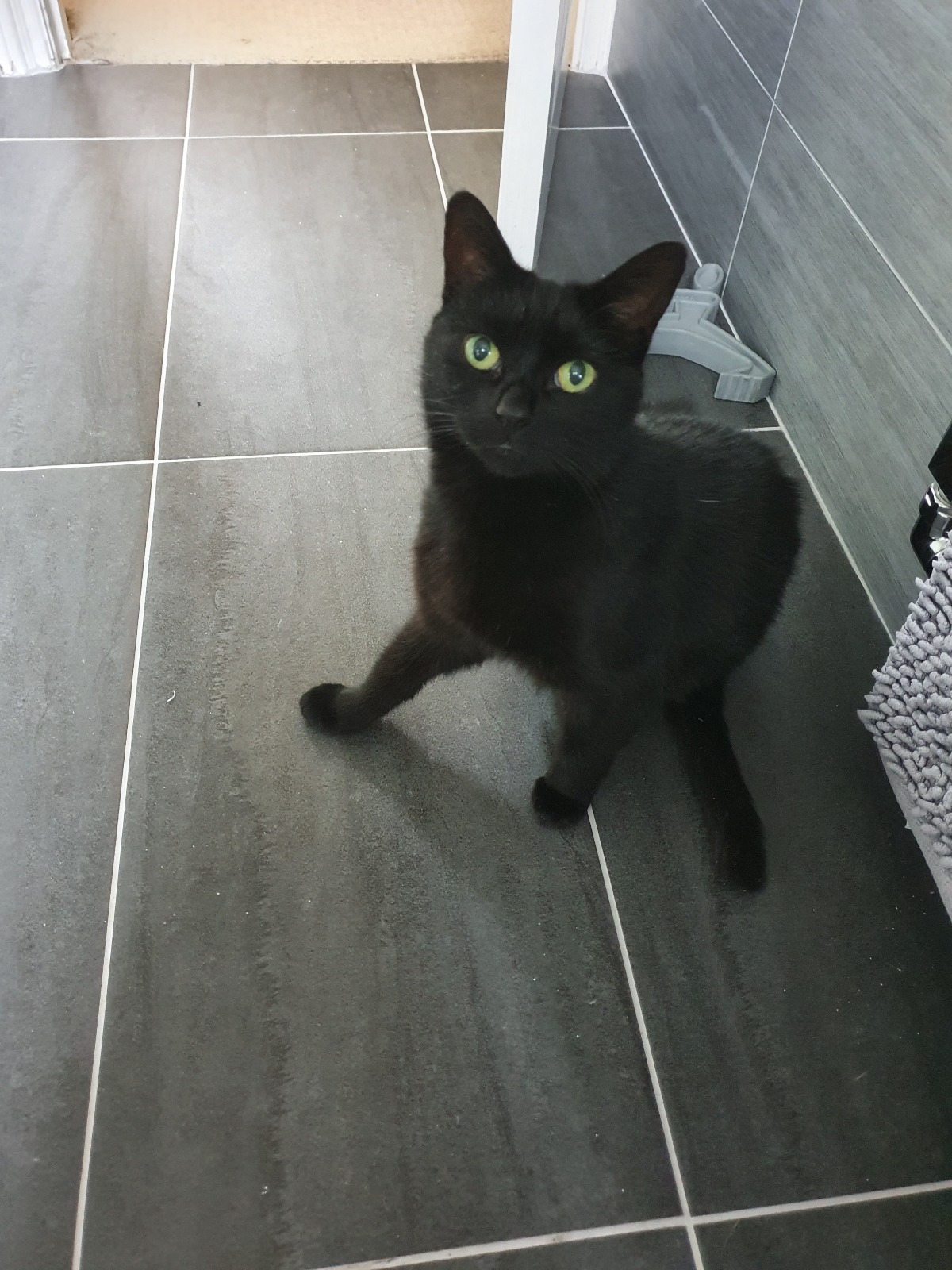
Provide More Than One Water Source
Some nervous cats may avoid a water bowl if it is close to the visitor’s activity or another cat’s territory.
Provide fresh water in more than one safe location.
Options might include:
- A normal water bowl
- A second bowl in a quiet room
- A cat fountain your cat already uses
- A bowl near a favourite resting area
Do not introduce a fountain immediately before leaving.
Electrical devices can fail, become noisy or stop working. Leave an ordinary bowl as a backup even when your cat normally uses a fountain.
The sitter should refresh bowls and check that fountains remain clean and operational.
Monitor Litter-Tray Use Carefully
Litter-tray use provides useful information about a cat’s welfare.
The sitter should know:
- How many trays are available
- Which litter is used
- How often trays are normally used
- How the trays should be cleaned
- Where spare litter and waste bags are kept
- Whether the cat has a history of urinary problems
- Whether urine clumps should be counted or photographed
- What changes should be reported immediately
A nervous cat may wait until the sitter leaves before using the tray.
That is usually manageable as long as there is evidence of normal urination and bowel movements between visits.
A lack of urine, repeated attempts to urinate, crying in the tray or passing only small amounts can require urgent veterinary attention.
Keep Litter Trays Easy to Reach
Do not move litter trays immediately before the holiday unless there is a strong reason.
Make sure the cat can reach them without:
- Passing an unfamiliar person
- Moving close to noisy appliances
- Crossing another cat’s guarded territory
- Walking through a locked room
- Using steep stairs that cause discomfort
In a multi-cat household, provide enough trays in separate locations.
Cats Protection commonly recommends one litter tray for each cat, plus one extra, placed in different areas rather than together.
Maintain the Home’s Familiar Scent
Cats use scent to understand their environment.
Avoid washing every blanket, bed and soft surface immediately before you leave.
Familiar scents can help your cat feel that their territory remains safe.
Leave:
- Their normal beds
- Familiar blankets
- Usual scratching posts
- A recently worn T-shirt placed safely on a bed
- Their normal carrier left open
- Familiar toys
Avoid using strongly scented air fresheners, cleaning products or essential oils.
Some essential oils can be dangerous to cats, and strong unfamiliar smells may increase uncertainty.
Keep Noise and Activity Low
Nervous cats may be sensitive to:
- Loud voices
- Sudden movements
- Doors being slammed
- Vacuum cleaners
- Building work
- Music or television played loudly
- Unfamiliar visitors
- Children entering the home
- Other animals
Tell your sitter about known triggers.
Where possible, avoid arranging unnecessary maintenance, deliveries or household work while you are away.
If your cat is frightened by the doorbell, the sitter should avoid repeatedly ringing it and use the agreed key-access arrangement.
Calm Body Language Matters
Cats pay close attention to posture and movement.
A calm sitter should:
- Move slowly
- Turn slightly sideways rather than facing the cat directly
- Avoid leaning over the cat
- Avoid blocking exits
- Keep their voice quiet
- Allow the cat to sniff without reaching immediately
- Blink slowly rather than stare
- Keep their hands low
- Let the cat initiate contact
A nervous cat may approach, sniff a shoe and then retreat.
That small interaction should be respected rather than followed by an attempt to stroke them.
Should the Sitter Talk to a Hiding Cat?
Quiet speech can help some cats become familiar with the sitter’s presence.
The sitter might talk softly while preparing food or cleaning the litter tray.
There is no need to call the cat’s name repeatedly or ask them to come out.
A calm, predictable voice can become part of the routine.
Some cats may eventually associate that voice with food, fresh water and a visitor who does not pressure them.
Calm Enrichment for Nervous Cats
Enrichment for a nervous cat should reduce pressure rather than increase stimulation.
Suitable options may include:
- A familiar cardboard box
- A secure tunnel
- A normal scratching post
- A favourite window view
- A few treats placed near a hiding area
- An easy puzzle feeder
- A familiar toy left nearby
- Quiet background sound if normally used
- Gentle play from a comfortable distance
- Calm company without physical contact
Do not overwhelm the cat with several new toys.
Use activities they already know and enjoy.
My guide to indoor enrichment for cats while you are away contains more ideas for safe activities between visits.
Using Treats Without Creating Pressure
Treats can help create a positive association with the sitter, but they should not be used to force contact.
The sitter can place or gently throw a treat:
- Near the cat’s hiding place
- Along a route the cat feels safe using
- Beside a familiar bed
- Near a scratching post
- At a comfortable distance from the visitor
If the cat does not eat it, leave it and move on.
Do not keep moving the treat closer to the sitter or trap the cat between the reward and a wall.
Include treats in the cat’s normal daily allowance and respect any dietary restrictions.
Interactive Play Must Remain Optional
Some nervous cats relax when a wand toy is moved slowly at a distance.
Others find the movement frightening.
Begin gently and observe the cat’s body language.
Stop if the cat:
- Flattens their ears
- Crouches tightly
- Retreats further
- Swishes their tail rapidly
- Freezes
- Growls or hisses
- Tries to escape
Wand toys, ribbons and string toys must be stored securely after supervised play.
The purpose is to offer an opportunity, not demand participation.
Caring for a Rescue Cat While You Are Away
Rescue cats may have histories that are incomplete or unknown.
Some have experienced:
- Several changes of home
- Limited socialisation
- Neglect
- Frightening handling
- Long periods in rescue accommodation
- Unpredictable routines
- Pain or untreated health problems
- Loss of a bonded person or animal
This does not mean every rescue cat will be nervous.
Many rescue cats are confident and sociable. Others may need more time to trust unfamiliar people.
Tell the sitter everything you know about:
- Previous reactions to strangers
- Known triggers
- Escape attempts
- Handling sensitivities
- Food guarding
- Relationships with other cats
- Fear of men, women or particular clothing
- Sensitivity to noises
- Previous veterinary advice
The sitter should follow the cat in front of them rather than make assumptions based on the word “rescue”.
Cats That May Scratch, Bite or Defend Themselves
Fearful cats can defend themselves when they believe escape is impossible.
Warning signs can include:
- Hissing
- Growling
- Flattened ears
- Dilated pupils
- A tightly crouched posture
- Swishing or lashing tail
- Raised fur
- Striking with a paw
- Retreating while facing the person
These signals should be respected.
The sitter should create distance, avoid cornering the cat and continue essential tasks calmly.
Owners must be honest about any history of scratching or biting. This allows the sitter to plan safe access to food, water and litter trays.
A frightened cat should never be punished for communicating discomfort.
Should You Use a Cat Sitter or Cattery for a Nervous Cat?
Many nervous cats cope better when they remain in their own home.
Their familiar scents, beds, hiding places and territory stay in place.
A cattery introduces:
- Travel
- A carrier journey
- An unfamiliar environment
- New sounds and smells
- Nearby cats
- Different routines
- Unfamiliar carers
However, home visits are not automatically the right choice for every cat.
A cattery or veterinary boarding arrangement may be more appropriate when a cat:
- Requires complex medical monitoring
- Needs treatment that cannot be safely given at home
- Cannot be reliably located
- Is likely to escape when the sitter enters
- Lives in a home where safe access cannot be maintained
- Needs more continuous supervision
My guide comparing a cat sitter, neighbour and cattery can help you consider the different options.
How Often Should a Nervous Cat Be Visited?
Most cats should receive at least one proper visit every day.
Some nervous cats may benefit from two shorter visits rather than one longer visit, particularly when they:
- Need medication
- Eat several small meals
- Are kittens
- Are senior cats
- Have health concerns
- Need closer litter-tray monitoring
- Become unsettled during long gaps
- Require supervised outdoor access
The right schedule depends on the individual cat.
A cat who hides from visitors may still need twice-daily care. The fact that they do not seek interaction does not reduce their need for food, water, litter cleaning and welfare checks.
Read how often a cat sitter should visit for more detailed guidance.
Medication for a Nervous Cat
Medication should be discussed honestly before the booking is accepted.
The sitter needs to know:
- What the medication is
- Why it is given
- The correct dosage
- The normal time
- How it is administered
- Whether it can be given with food
- What happens if a dose is missed
- Whether the cat is likely to hide
- Whether the cat has ever bitten during medication
- Which veterinary practice should be contacted
A nervous cat may accept medication from their owner but refuse it from another person.
Arrange a demonstration before travelling.
Never assume that medication can be hidden in food. Some medicines should not be crushed, opened or mixed without veterinary guidance.
If medication cannot be administered safely and reliably, discuss alternatives with your veterinary practice before the holiday.
Do Not Start Calming Medication Without Veterinary Advice
Do not give human sedatives, supplements or leftover medication to your cat.
Products described as calming can still interact with existing medication or be unsuitable for a particular medical condition.
Speak to your veterinary surgeon if your cat becomes severely distressed by changes in routine, visitors or your absence.
Behavioural changes can also be caused by pain or illness so that a medical assessment may be appropriate.
What Happens During My Cat-Sitting Visit?
Every cat is different, but a visit to a nervous cat may include:
- Entering quietly
- Checking doors and windows
- Locating the cat where reasonably possible
- Observing their posture and movement
- Preparing the normal meal
- Refreshing water
- Cleaning litter trays
- Checking for vomit, diarrhoea or damage
- Administering agreed medication where possible
- Offering quiet interaction
- Refreshing a familiar enrichment activity
- Checking household security
- Sending the owner an update
I do not expect every cat to greet me.
For some cats, a successful visit means they remain hidden but continue to eat and use their litter tray normally.
For others, progress may involve appearing in the doorway, eating while I sit across the room or eventually choosing to approach.
The cat sets the pace.
Find out more about my cat-sitting service in Finchley.
Photographs of Nervous Cats
Photographs can reassure owners, but they should not come before the cat’s welfare.
A sitter should not:
- Chase the cat for a photograph
- Use a flash close to their hiding place
- Block their escape route
- Pull them into view
- Repeatedly disturb them
Sometimes the best update may be a photograph of the eaten food, used litter tray or the cat resting safely at a distance.
Owners should understand that a nervous cat may not provide a clear portrait during every visit.
When Should the Sitter Contact You?
The sitter should contact you when there is a meaningful change or concern.
Examples include:
- The cat has not eaten
- Water intake appears very different
- The litter tray has not been used
- The cat cannot be located
- Vomiting or diarrhoea is present
- The cat appears weak or painful
- Breathing appears abnormal
- Medication cannot be given
- The cat has escaped
- A door, window or cat flap is insecure
- There has been an injury
- The cat’s behaviour is significantly different from normal
- The home has a safety problem
Agree in advance how you want routine updates to be sent and how emergency decisions should be handled.
Leave a Clear Emergency Plan
Your sitter should have:
- Your veterinary practice’s name
- The practice telephone number
- Out-of-hours veterinary details
- Your emergency contact
- Your travel contact details
- Insurance information where relevant
- Written permission covering emergency treatment
- Details of known medical conditions
- Medication instructions
- Carrier location
- Information about safe handling
- A realistic spending or decision-making arrangement
Your emergency contact should be someone who can act if you cannot be reached.
They should ideally know your cat and be able to help with transport or access if required.
Helpful Products for Nervous Cats
Products should support a calm environment rather than replace good care.
Introduce everything before your holiday so you can check whether your cat uses it safely.
Covered Cat Tunnel
A cat play tunnel may provide a sheltered place to hide, watch or rest.
Check the fabric and internal supports regularly. Remove dangling attachments containing string or elastic before leaving the tunnel available without supervision.
Sturdy Scratching Post
A stable scratching post allows a cat to stretch, scratch and leave familiar scent signals in their environment.
Choose a post that does not wobble and position it near an area your cat already uses.
Easy Puzzle Feeder
An interactive cat puzzle feeder may provide gentle food-based enrichment for cats who already understand how to use it.
Begin with the easiest setting and use part of your cat’s normal food allowance.
Do not make access to food dependent on solving an unfamiliar or difficult puzzle.
More practical items can be found on my recommended pet products and services page.
Common Mistakes When Leaving a Nervous Cat
Forcing the Cat to Meet the Sitter
Allow the cat to watch, hide or approach in their own time.
Removing Every Hiding Place
Provide safe hiding options while blocking genuinely dangerous spaces.
Introducing New Food Before the Holiday
Keep the diet familiar unless your veterinary surgeon has advised a change.
Expecting Photographs at Every Visit
A nervous cat should not be disturbed to produce a photograph.
Assuming Hiding Means the Cat Is Fine
Food intake, water, litter use and behaviour still need monitoring.
Assuming Hiding Means the Visit Has Failed
The sitter can provide essential care even when the cat remains out of sight.
Leaving Unsafe Toys Available
Store wand toys, ribbons, wool, elastic and damaged toys securely.
Using Strong Scents
Avoid essential oils and heavily scented cleaning products.
Giving Incomplete Medication Instructions
Demonstrate the process and provide written veterinary guidance.
Relying Only on a Camera
A camera cannot clean a litter tray, notice every health problem or respond to an emergency.
Hiding a History of Biting or Escape Attempts
Honest information helps the sitter protect both the cat and themselves.
Your Nervous Cat Holiday Checklist
Before you leave:
- Arrange an introductory meeting
- Explain your cat’s normal behaviour
- Show the sitter every usual hiding place
- Block unsafe gaps
- Keep safe hiding places available
- Leave familiar bedding
- Avoid unnecessary cleaning of scent-marked items
- Keep the normal diet
- Measure meals clearly
- Provide more than one water source
- Clean litter trays
- Leave enough litter
- Write down medication instructions
- Demonstrate medication where required
- Store unsafe toys
- Leave familiar enrichment
- Secure doors, windows and cat flaps
- Provide veterinary details
- Nominate an emergency contact
- Leave the carrier accessible
- Explain how to recognise signs of concern
- Confirm the frequency and approximate timing of visits
For broader holiday preparation, read my guide to what your cat does while you are on holiday.
Frequently Asked Questions
Your cat may initially feel uncertain about the visitor, but remaining in their familiar home can reduce the amount of change they experience.
A calm sitter can maintain food, water, litter care and routine without forcing interaction.
The sitter can still provide essential care and monitor evidence that your cat is eating, drinking and toileting.
They should confirm the cat’s location where reasonably possible, without dragging it from its hiding place.
Only when the cat clearly chooses to approach and appears comfortable.
Some nervous cats may approach to sniff but still not want to be touched
Yes, provided the treats are suitable for the cat and included in their normal food allowance.
Treats should be offered without using them to pressure the cat into approaching.
Not necessarily.
If the bedroom contains your cat’s usual safe hiding place, suddenly removing access to it may increase stress.
Block dangerous spaces while leaving secure alternatives available
No.
A camera may show when your cat moves around, but it cannot provide fresh food, clean water, litter care, medication or emergency help.
It may be enough for some healthy adult cats, but the schedule should be based on age, health, feeding routine, medication and individual welfare needs.
Kittens, seniors and medically vulnerable cats may need more frequent care
The sitter should monitor the amount eaten and contact you if intake is significantly reduced.
A cat who stops eating completely may require prompt veterinary advice.
Some owners feel that pheromone products help their cats, while others notice little difference.
Introduce any product before travelling and speak to your veterinary practice if your cat has severe anxiety or an existing medical condition.
A diffuser does not replace a calm routine or daily care.
Many cats appear to become more comfortable with a person they have met repeatedly.
Consistency can help because the visitor’s smell, voice and routine become more familiar.
However, every cat progresses at their own pace
Final Thoughts
A nervous cat does not need to become sociable for cat sitting to be successful.
They need someone who respects their space, follows their routine and notices meaningful changes.
For some cats, progress may mean coming out for a meal. For others, it may mean remaining safely under the bed while continuing to eat, drink and use the litter tray normally.
The sitter should never measure success by how quickly the cat allows physical contact.
Good care means:
- Preserving familiar routines
- Providing fresh food and water
- Maintaining clean litter trays
- Monitoring health and behaviour
- Keeping the home secure
- Offering calm company
- Avoiding forced interaction
- Responding appropriately when something changes
If you are planning a holiday and need calm, reliable care for a shy, nervous or rescue cat, learn more about my professional cat-sitting service in Finchley or contact me to discuss your cat’s routine.
I provide personalised cat-sitting visits in Finchley and selected surrounding areas. Every visit is adapted to the individual cat rather than expecting the cat to adapt to me.
Related Cat Care Guides
- Cat Care Advice in Finchley
- Indoor Enrichment for Cats While You’re Away
- Can Cats Get Lonely?
- What Your Cat Does While You’re on Holiday
- How Often Should a Cat Sitter Visit?
- Leaving Cats Alone Overnight
- Should You Use a Cat Sitter, Neighbour or a Cattery?
- Summer Cat-Sitting Checklist
- Cat-Sitting Frequently Asked Questions
- Recommended Pet Products and Services

