Updated: July 2026
Going away on holiday can be exciting, but many cat owners find themselves asking the same question:
“What will my cat actually do while I’m away?”
Unlike dogs, cats often appear independent. They sleep for long periods, enjoy their own company and don’t always greet us enthusiastically when we walk through the door.
That doesn’t mean they don’t notice when you’re gone.
Cats are creatures of habit. Their lives revolve around familiar people, predictable routines and the comfort of their own territory. When you go on holiday, your cat will continue many of their normal daily activities, but they’ll also notice that an important part of their routine is missing.
Understanding what your cat does while you’re away can help you choose the right care and ensure they remain happy, healthy and relaxed until you return.
If you’re planning a trip, you may also find my guides to Cat Sitting in Finchley, Leaving Cats Overnight, How Often Should Someone Visit Your Cat? and Preparing Your Home for a Cat Sitter useful.
For independent advice about caring for cats while you’re away, Cats Protection offer excellent guidance.
Do Cats Know You’re on Holiday?
Not exactly.
Your cat doesn’t understand passports, airports or package holidays.
Instead, they notice something much simpler.
You haven’t come downstairs at your usual time.
Breakfast arrived from somebody else.
The house sounds different.
Your evening routine has changed.
To your cat, these changes matter.
Cats thrive on predictability. They quickly learn when meals arrive, when doors open, when windows are left open for fresh air and when it’s time for a quiet cuddle on the sofa.
When that routine suddenly changes, some cats barely seem bothered.
Others become noticeably unsettled.
This is one of the biggest reasons I recommend keeping cats in their own home whenever possible rather than moving them to unfamiliar surroundings.
Their territory stays the same, even if you’re away for a few days.
You may also like to read Why Cats Prefer Staying at Home While You’re Away, where I explain why home is usually the least stressful option.
Your Cat Still Has a Busy Day
Although it might look as though your cat spends all day asleep, they’re actually following a fairly predictable routine.
A typical day might include:
- Checking the house.
- Visiting favourite windows.
- Watching birds.
- Grooming.
- Sleeping.
- Exploring the garden.
- Hunting insects or mice.
- Waiting for breakfast or dinner.
- Looking for you at your usual times.
Some cats repeat this pattern every single day.
That’s why maintaining as much of their normal routine as possible during your holiday makes such a difference.
Patrolling Their Territory
Cats are naturally territorial animals.
Whether they live entirely indoors or enjoy access to a secure garden, they like to check that everything is as it should be.
Indoor cats often patrol by:
- Walking through every room.
- Checking favourite sleeping places.
- Looking out of upstairs windows.
- Sniffing around doors.
- Visiting scratching posts.
Outdoor cats may:
- Walk their usual garden route.
- Check fences.
- Visit favourite sunny spots.
- Explore neighbouring gardens.
- Leave scent marks.
To us, this may look like aimless wandering.
To your cat, they’re checking that their territory remains safe.
This daily patrol helps build confidence and reduces stress.
Moving a cat into a cattery removes that familiar territory altogether.
Daily home visits allow your cat to continue these reassuring routines.
For rescue cats or nervous cats, this can be particularly important.
If your cat enjoys spending time outdoors, always ensure someone checks they’re safely back indoors before dark if that’s part of their normal routine.
Watching Birds and the Outside World
One of the biggest sources of entertainment for many cats is simply watching.
They can happily spend an hour sitting on a windowsill observing everything happening outside.
You may find them watching:
- Birds.
- Squirrels.
- Butterflies.
- Foxes.
- Passing dogs.
- Neighbours.
- Rain.
- Leaves blowing across the garden.
This isn’t boredom.
It’s enrichment.
Watching moving objects stimulates a cat’s brain without requiring much physical effort.
For indoor cats especially, window watching forms an important part of their day.
If your cat enjoys this, it’s worth making sure they have somewhere comfortable to sit.
Products I Like
I don’t recommend buying gadgets simply because they’re fashionable.
However, a few well-made items can genuinely improve a cat’s environment.
Open disclosure – these are Amazon affiliate links, and I may make a few pennies commission to help keep this site free
Suitable options include:
- Sturdy window-mounted cat hammock
- Cat window shelf
- Bird feeder positioned safely away from windows to encourage wildlife watching.
- Orthopaedic cat bed positioned near a sunny window
If you’re installing anything on glass, always follow the manufacturer’s safety instructions and regularly check suction cups and fittings.
Why Cats Sleep So Much
Perhaps the biggest surprise for new cat owners is just how much cats sleep.
Adult cats commonly sleep between 12 and 18 hours every day.
Senior cats often sleep even longer.
That doesn’t mean they’re inactive.
Cats tend to alternate between:
- Short patrols.
- Eating.
- Grooming.
- Watching wildlife.
- Sleeping.
- Playing.
- Exploring.
This pattern has developed over thousands of years.
Wild cats conserve energy between hunting opportunities.
Our domestic cats have largely kept the same habits.
While you’re away, your cat will probably sleep through a large part of each day.
But they still wake expecting their normal routine.
Fresh food.
Fresh water.
A clean litter tray.
A few minutes of human interaction.
A familiar voice.
That’s why daily visits involve much more than topping up a food bowl.
Even five or ten minutes spent talking quietly, playing with a favourite toy, or simply sitting nearby can help maintain that reassuring routine.
If your cat enjoys puzzle feeders or enrichment toys, you might also enjoy my guides to Indoor Enrichment for Cats While You’re Away and Keeping Cats Cool During Summer.
Some of my favourite enrichment products include:
These can help keep your cat mentally stimulated between visits without disrupting their normal routine.
How Hunting Instincts Never Really Disappear
Even the most pampered house cat still has the instincts of a hunter.
Your cat doesn’t hunt because they’re hungry. They hunt because it’s natural behaviour.
While you’re away, your cat may spend time:
- Stalking insects around the house.
- Chasing shadows or moving leaves.
- Pouncing on toys.
- Watching birds from a window.
- Exploring the garden for mice or other small prey if they have outdoor access.
Some cats may even leave you a “present” when you return home.
Although it might not be welcome, it’s simply part of normal feline behaviour.
For indoor cats, providing opportunities to express these instincts through play is important.
During my visits, I’ll often spend a few minutes encouraging gentle play with your cat’s favourite toy if they’re in the mood.
You can also leave safe enrichment activities ready before you go away.
Products worth considering include:
If you’re looking for more ideas, have a look at Indoor Enrichment for Cats While You’re Away.
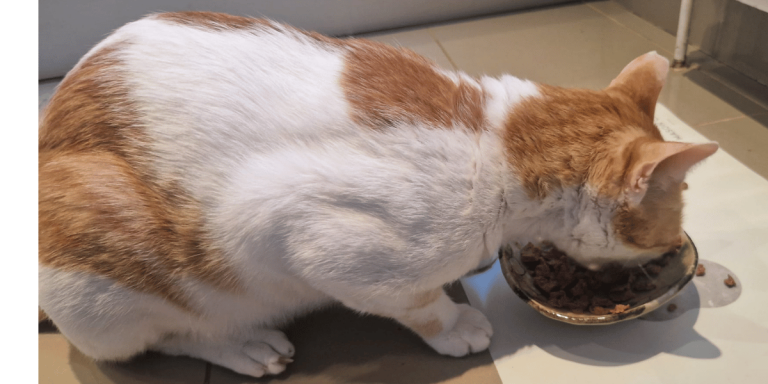
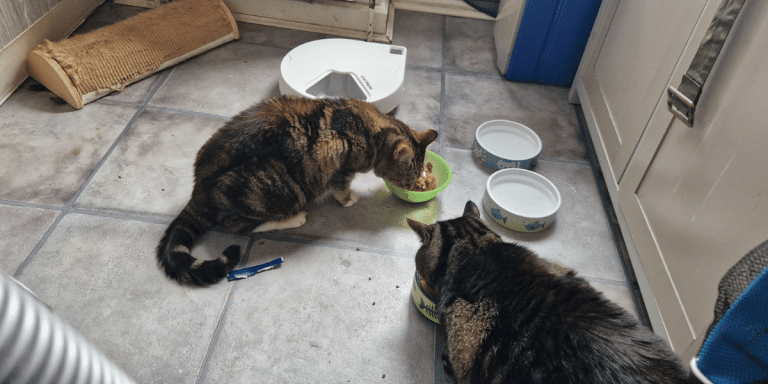
Your Cat Will Still Expect Dinner on Time
Cats have an incredible sense of routine.
Many know exactly when breakfast should arrive.
Some will begin waiting half an hour beforehand.
Others will appear in the kitchen at precisely the same time every day.
While you’re away, they don’t suddenly stop expecting those meals.
Instead, they’ll often:
- Wait beside their food bowl.
- Sit near the kitchen.
- Meow when somebody enters the house.
- Follow their visitor around.
- Remind everyone it’s dinner time.
Keeping feeding times as close as possible to normal helps reduce unnecessary stress.
It’s one reason I always ask owners about their usual routine during our meet and greet.
Small details matter.
Some cats prefer breakfast first, then medication.
Others like fresh water before they’ll eat.
Some insist on a particular bowl.
The closer we can stick to your cat’s normal day, the happier they’re likely to be.
You might also enjoy Preparing Your Home for a Cat Sitter, where I explain what’s helpful to leave before you go away.
Waiting for Familiar People and Familiar Routines
Cats are often described as independent.
That’s true to a point.
But many also build surprisingly strong routines around the people they live with.
They know:
- When you wake up.
- Which chair you usually sit in.
- What time you come home.
- Which room you relax in during the evening.
- Where they usually receive attention.
When those routines disappear, some cats adjust.
Others spend time waiting in familiar places.
You might notice your cat:
- Sleeping on your bed.
- Sitting near the front door.
- Waiting by the window.
- Visiting your favourite chair.
- Greeting visitors more enthusiastically than usual.
This doesn’t necessarily mean they’re distressed.
They’re simply following habits they’ve built over months or years.
Daily visits help replace some of that missing routine.
A familiar face.
A familiar voice.
Food at roughly the same time.
A few minutes of gentle interaction.
For many cats, that’s enough to keep life feeling reassuringly normal.
Signs Your Cat May Be Missing Company
Every cat has a different personality.
Some genuinely enjoy spending much of the day alone.
Others become much more sociable when their owners are away.
Things I sometimes notice during visits include:
- Becoming unusually chatty.
- Following me from room to room.
- Wanting extra fuss.
- Becoming playful.
- Sitting nearby while I clean litter trays.
- Greeting me at the door every day.
Occasionally, a cat may become quieter instead.
Possible signs of stress include:
- Eating less than normal.
- Hiding more often.
- Reduced grooming.
- Toileting outside the litter tray.
- Changes in behaviour.
If I notice anything unusual during a visit, I’ll contact you straight away so we can decide the best course of action.
Why Daily Cat Visits Make Such a Difference
People sometimes think a cat needs a large bowl of food and someone to pop in every few days.
In reality, daily visits provide far more than food.
They help maintain routine.
They allow somebody to notice changes in behaviour.
They reduce the chance of small problems becoming emergencies.
A typical visit may include:
- Fresh food.
- Fresh water.
- Cleaning litter trays.
- Medication if agreed.
- Grooming if your cat enjoys it.
- Play or gentle interaction.
- Checking windows and doors.
- Bringing in post.
- Watering houseplants if requested.
- Sending you photographs and updates.
Perhaps most importantly, someone sees your cat every day.
If they’re off their food.
If they’ve become unwell.
If they’re limping.
If they’ve injured themselves.
If they’re behaving differently.
These things are much easier to spot with regular visits than if a cat is left alone for extended periods.
If you’re planning a trip, you may also find How Often Should Someone Visit Your Cat? helpful.
Daily Cat Visits vs Leaving a Cat Alone
| Daily Cat Visits | Left Alone for Long Periods |
|---|---|
| Fresh food every day | Food may become stale |
| Fresh water replaced daily | Water bowls can become dirty or empty |
| Litter tray cleaned regularly | Dirty trays may discourage use |
| Health checked every visit | Problems may go unnoticed |
| Human interaction | Little or no companionship |
| Routine maintained | Routine disrupted |
| Peace of mind for owners | Greater risk if something goes wrong |
Frequently Asked Questions
Will my cat forget me while I’m away?
Almost certainly not.
Cats recognise familiar people through scent, voice and routine. Most quickly settle back into normal life when you return home.
Is once-a-day enough?
For many healthy adult cats, one good-quality visit each day is suitable.
Kittens, elderly cats, or cats with medical conditions may benefit from two daily visits.
Every cat is different.
Is a cat sitter better than a cattery?
For many cats, yes.
Remaining in familiar surroundings usually causes less stress than moving them to an unfamiliar environment.
However, every cat is different, and some owners may prefer a reputable cattery depending on their circumstances. Can I leave enough food for several days?
It’s not something I’d recommend.
Fresh food, fresh water and daily health checks are important.
Unexpected problems can arise even with healthy cats.
Looking After Your Cat While You’re Away
Your holiday should be relaxing.
Knowing your cat is following their usual routine at home makes that much easier.
Daily visits mean your cat can continue sleeping in their favourite places, watching birds from the window, exploring the garden, enjoying meals at familiar times and receiving the attention they’re used to.
For most cats, that’s exactly what they want.
If you’re looking for reliable cat sitting in Finchley, North Finchley, East Finchley, Muswell Hill or nearby areas, I’d be happy to help.
Before your holiday, we’ll arrange a free meet-and-greet so I can learn about your cat’s routine, discuss any medication or special requirements, and answer any questions you may have.
You can then enjoy your time away knowing your cat is being cared for in the place they know best: home.
Related Guides
You may also find these guides helpful:
- Cat Care Advice Hub
- Cat Sitting in Finchley
- How Often Should Someone Visit Your Cat?
- Preparing Your Home for a Cat Sitter
- Leaving Cats Overnight
- Keeping Cats Cool During Summer
- Indoor Enrichment for Cats While You’re Away
- Why Cats Prefer Staying at Home While You’re Away
- Can Cats Get Lonely?
- Do Cats Miss Their Owners?
Recommended Products
The following are products I genuinely think can improve a cat’s environment while you’re away. If you purchase through my affiliate links, I may earn a small commission at no extra cost to you.
I only recommend products that I have either tried or clients have tried, and so I know they are reliable and not just gadgets; however, as an Amazon Associate, I earn from qualifying purchases. This means that if you click on an Amazon link and make a purchase, we may earn a small commission at no additional cost to you.
- Cat water fountain
- Puzzle feeder
- Window perch
- Orthopaedic cat bed
- Automatic feeder (used alongside, not instead of, daily visits)
- Litter mat
- Enzyme cleaner for accidents
Disclaimer
This guide is intended as general information and should not replace advice from your veterinary surgeon. Every cat is different, and if your cat has medical or behavioural needs, discuss the most appropriate care arrangements with your vet before travelling.