Updated: July 2026
Estimated reading time: 10–12 minutes
One of the biggest myths about cats is that they’re completely independent and don’t care whether anyone is home.
Anyone who has shared their life with a cat knows it isn’t always true.
Some cats are perfectly happy spending long periods snoozing in a sunny spot. Others follow their owners from room to room, greet them at the door and enjoy curling up on the sofa every evening.
So, can cats get lonely?
The simple answer is yes, some cats can.
Just like people, every cat has a different personality. While some are naturally independent, others form strong bonds with their owners and can miss the company and routine they provide.
Understanding the signs of loneliness can help you make better decisions when you’re planning a holiday, working long hours or simply spending more time away from home.
As a professional cat sitter in Finchley and the surrounding areas, I’ve cared for many cats with very different personalities. Some barely lift an eyelid when I arrive. Others are waiting by the door, ready for breakfast, a fuss and someone to chat to.
Neither is unusual.
The important thing is making sure your cat’s individual needs are met.
If you’re planning a holiday, you may also find these guides useful:
- Cat Care Advice Hub
- What Your Cat Does While You’re on Holiday
- How Often Should Someone Visit Your Cat?
For independent information about feline behaviour, I recommend International Cat Care, Cats Protection, PDSA and the RSPCA.
Below we have included some affiliate links. By clicking these links, I earn a small commission from Amazon as an Amazon associate; in return, all items have either been used by me while I worked in an office for 18 years looking after the cats or by clients.
Table of contents
- Are Cats Really Solitary Animals?
- Can Cats Become Lonely?
- Loneliness or Boredom?
- Why Routine Is So Important
- Signs Your Cat May Be Lonely
- Which Cats Are More Likely to Miss Company?
- Products That Can Help Between Visits
- Does Getting Another Cat Solve the Problem?
- How to Reduce Loneliness While You’re Away
- Why Daily Visits Help Prevent Loneliness
- When Two Visits a Day May Be Better
- Signs Your Cat Is Happy While You’re Away
- Daily Visits vs Leaving Your Cat Alone
- Frequently Asked Questions
- Planning Before Your Holiday
- Looking for Cat Sitting in Finchley?
- Related Guides
- Recommended Products
- Final Thoughts
- Disclaimer
Are Cats Really Solitary Animals?
Cats are often described as solitary animals.
There’s some truth in that.
Unlike dogs, they don’t naturally rely on a pack to survive.
However, domestic cats have adapted remarkably well to living alongside people.
Many develop close relationships with their owners and even recognise:
- Your voice.
- Your footsteps.
- Your daily routine.
- The sound of your car.
- The time you usually arrive home.
Some cats are incredibly affectionate.
Others enjoy knowing you’re nearby.
Even if your cat isn’t a lap cat, they may still appreciate your presence far more than you realise.
Can Cats Become Lonely?
Yes.
While not every cat experiences loneliness in the same way, many can miss familiar people and routines.
This is particularly true if they’re used to having somebody at home for much of the day.
For example:
- Someone who works from home.
- Retired owners.
- Families with children.
- Households where people are usually around.
A sudden change to that routine can leave some cats feeling unsettled.
It’s important to remember that loneliness isn’t always dramatic.
Cats don’t usually cry constantly or become destructive like some dogs.
Instead, the signs are often much more subtle.
Loneliness or Boredom?
The two are often confused.
A bored cat needs more stimulation.
A lonely cat may want familiar company.
Sometimes the two overlap.
For example, a cat left alone for long periods may experience both.
That’s why good cat care involves more than simply providing food.
Cats benefit from:
- Predictable routines.
- Mental stimulation.
- Opportunities to play.
- Comfortable resting places.
- Gentle interaction.
A daily visit can provide all of these.
Why Routine Is So Important
Cats thrive on routine.
Most know exactly when:
- Breakfast arrives.
- Dinner is served.
- The back door opens.
- You settle down to watch television.
- It’s bedtime.
When that familiar pattern suddenly changes, some cats cope well.
Others become noticeably quieter or more vocal.
During my cat-sitting visits, I always try to follow your cat’s normal routine as closely as possible.
That might mean:
- Feeding at the usual time.
- Using their favourite bowl.
- Opening the curtains they like to sit behind.
- Playing with a favourite toy.
- Giving them space if they prefer a quieter visit.
These small details help life feel normal until you return.
Signs Your Cat May Be Lonely
Every cat shows emotions differently.
Some signs are obvious.
Others are much more subtle.
Things you might notice include:
Becoming More Vocal
Some cats become much chattier when they want company.
They may:
- Meow more.
- Call when they can’t find you.
- Greet visitors enthusiastically.
Following You Everywhere
Does your cat suddenly appear every time you move?
Many cats enjoy simply being close to their owners.
Following you from room to room can be perfectly normal.
If this behaviour suddenly increases after periods of separation, it may suggest they’re seeking reassurance.
Sleeping More Than Usual
Cats naturally sleep for long periods.
However, significant increases in sleeping combined with reduced interaction may indicate boredom, stress or illness.
If your cat suddenly becomes unusually withdrawn, it’s worth speaking to your vet.
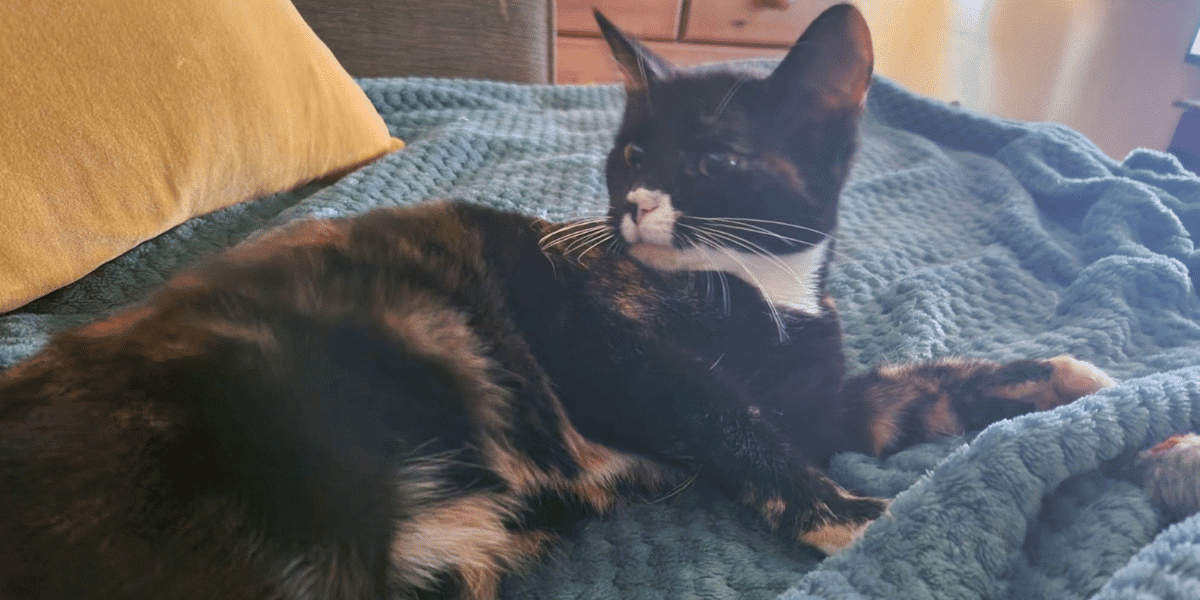
Changes in Appetite
Some cats eat less when their routine changes.
Others comfort eat.
Any noticeable change in appetite should always be monitored carefully.
Over-Grooming
Cats naturally spend a lot of time grooming.
Excessive grooming, particularly if it leads to bald patches, can sometimes be associated with stress.
There are many possible causes, so it’s important to seek veterinary advice if you notice this.
Hiding More Often
Some cats become quieter when they’re missing familiar people.
They may:
- Spend more time under beds.
- Hide behind furniture.
- Avoid visitors.
- Come out mainly at night.
Daily visits help someone monitor these changes and let you know if anything seems unusual.
Which Cats Are More Likely to Miss Company?
Every cat is different.
Some are naturally independent.
Others genuinely enjoy human interaction.
In my experience, the cats most likely to appreciate regular visits include:
Indoor Cats
Indoor cats rely entirely on their home environment for stimulation.
Without opportunities to explore outdoors, daily interaction becomes even more important.
You may also enjoy reading Indoor Enrichment for Cats While You’re Away.
Senior Cats
Older cats often enjoy quiet companionship.
They may also need:
- Medication.
- More frequent health checks.
- Help with grooming.
- Monitoring of eating and drinking.
Rescue Cats
Many rescue cats develop particularly strong bonds with the people they trust.
Changes in routine can sometimes affect them more than confident cats.
Keeping everything as familiar as possible helps reduce stress.
Highly Sociable Cats
Some cats love people.
These are often the cats waiting at the front door when I arrive.
They enjoy fuss, conversation and a little play before settling back down for another nap.
For these cats, one visit each day can make a huge difference.
Products That Can Help Between Visits
While nothing replaces a caring person checking on your cat, a few carefully chosen products can help keep them comfortable and entertained between visits.
Products I often recommend include:
- Interactive puzzle feeder
- Window hammock
- Cat tunnel
- Feather wand toy
- Catnip toy
- water fountain
- Scratching post
- Feliway Classic Diffuser
Always introduce new toys or equipment well before your holiday so your cat has time to become familiar with them.
Does Getting Another Cat Solve the Problem?
It’s a common question.
“If my cat gets lonely, should I get them a friend?”
The answer is not necessarily.
Unlike dogs, cats don’t automatically enjoy living with other cats.
Some develop close friendships and spend their days sleeping together, grooming each other and playing.
Others tolerate one another.
A few would much rather be the only cat in the household.
Introducing another cat purely because you think your existing cat is lonely can sometimes create more stress than it solves.
If you’re considering getting a second cat, think about:
- Your cat’s personality.
- Their age.
- Whether they’ve lived with other cats before.
- The amount of space available.
- Whether you can introduce them gradually.
For many cats, regular visits from a familiar person are all the companionship they need while you’re away.
How to Reduce Loneliness While You’re Away
The good news is that there are many simple ways to help your cat feel relaxed and content when you’re going away.
Stick to Their Normal Routine
Cats love predictability.
Try to keep:
- Feeding times.
- Sleeping areas.
- Litter tray locations.
- Garden access (where appropriate).
- Play sessions.
As similar as possible to everyday life.
That’s one reason professional cat sitting works so well.
Rather than disrupting your cat’s routine, the aim is to fit into it.
Leave Familiar Scents Around the House
Cats rely heavily on scent.
Before you leave, consider leaving:
- Their favourite blanket.
- Their usual bed.
- A jumper you’ve recently worn.
- Favourite cushions.
Avoid washing everything immediately before your holiday.
Familiar smells can help reassure your cat while you’re away.
Provide Plenty of Enrichment
A mentally stimulated cat is usually a happier cat.
Simple ideas include:
- Puzzle feeders.
- Window perches.
- Scratching posts.
- Cardboard boxes.
- Cat tunnels.
- Treat hunts.
- Rotating toys every few days.
You might also enjoy my guide to Indoor Enrichment for Cats While You’re Away.
Make Time for Play During Visits
Play isn’t just fun.
It helps satisfy natural hunting instincts and provides valuable interaction.
Even ten minutes can make a real difference.
Some cats love:
- Feather wands.
- Toy mice.
- Ball tracks.
- Catnip toys.
- Chasing treats.
Others prefer sitting nearby while someone chats to them.
Every cat is different.
Why Daily Visits Help Prevent Loneliness
Daily visits aren’t simply about food.
They’re about maintaining the rhythm of your cat’s day.
During each visit, I can:
- Feed your cat.
- Replace fresh water.
- Clean litter trays.
- Check their health.
- Administer medication where agreed.
- Spend time playing.
- Groom long-haired cats if appropriate.
- Bring in post.
- Water indoor plants if requested.
- Send photographs and updates.
Most importantly, someone is checking that everything is normal.
Cats are excellent at hiding illness.
A professional visit means changes are much more likely to be noticed early.
When Two Visits a Day May Be Better
Some cats benefit from more than one visit each day.
This is particularly true for:
- Kittens.
- Elderly cats.
- Very sociable cats.
- Cats taking medication.
- Multi-cat households.
- Cats recovering from illness.
Two shorter visits often feel more like a normal day.
Breakfast.
A little company.
Dinner.
Another health check.
Then another peaceful night at home.
Signs Your Cat Is Happy While You’re Away
During visits, I always look for reassuring signs that your cat is comfortable.
These include:
- Eating normally.
- Drinking well.
- Using the litter tray.
- Relaxed body language.
- Normal grooming.
- Playing.
- Greeting me.
- Sleeping comfortably.
Every cat behaves differently, but these are all positive signs that they’re coping well.
Daily Visits vs Leaving Your Cat Alone
| Daily Visits | Left Alone for Long Periods |
|---|---|
| Fresh food every day | Food may become stale |
| Clean water | Bowls may be knocked over |
| Clean litter tray | Hygiene deteriorates |
| Health monitored | Illness may go unnoticed |
| Human interaction | Little companionship |
| Routine maintained | Routine disrupted |
| Peace of mind | More worry for owners |
Frequently Asked Questions
Do cats miss their owners?
Many do.
Research and everyday experience suggest that many cats recognise and form strong bonds with familiar people.
Some show this more obviously than others.
Is my cat lonely or just sleeping?
Cats naturally sleep for much of the day.
However, if they’re eating less, hiding more or behaving differently, it may be worth asking your vet for advice.
Should I leave the television on?
Some cats seem reassured by familiar background noise.
Others couldn’t care less.
There’s no strong evidence that leaving a television on benefits every cat, but leaving a radio playing quietly can sometimes help maintain a familiar atmosphere.
Will another cat help my cat feel less lonely?
Not always.
Cats don’t automatically want feline companions.
Introducing another cat should be based on your existing cat’s personality rather than assumptions about loneliness.
Is a professional cat sitter better than asking a neighbour?
A trusted neighbour can be a great option.
However, a professional cat sitter offers:
- Experience recognising illness.
- Insurance.
- Reliability.
- Consistent routine.
- Experience with medication where agreed.
- Regular updates and photographs.
Planning Before Your Holiday
To help your cat settle while you’re away:
✓ Arrange a meet and greet.
✓ Leave clear feeding instructions.
✓ Provide your vet’s contact details.
✓ Leave enough food and litter.
✓ Tell your cat sitter about favourite hiding places.
✓ Mention any behavioural quirks.
✓ Explain your cat’s normal routine.
The more information I have, the easier it is to make your cat’s life feel normal.
Looking for Cat Sitting in Finchley?
If you’re going away on holiday, I provide calm, reliable cat sitting across:
- Finchley
- North Finchley
- East Finchley
- Muswell Hill
- Whetstone
- Highgate (house sitting where available)
Every visit is tailored to your cat’s routine.
Before your first booking, we’ll arrange a free meet-and-greet so I can get to know your cat, answer any questions, and make sure they’re comfortable before your holiday begins.
Related Guides
You may also enjoy reading:
- Cat Care Advice Hub
- Cat Sitting in Finchley
- How a calm cat sitter can help a nervous cat
- How Often Should Someone Visit Your Cat?
- What Your Cat Does While You’re on Holiday
- Leaving Cats Overnight
- Indoor Enrichment for Cats While You’re Away
- What to do when leaving your cat sitter
- Keeping Cats Cool During Summer
- Cat sitting kit
- Is a cat sitter better than a cattery
- Should You Use a Cat Sitter, Neighbour or a Cattery?
Recommended Products
The following products can help keep your cat comfortable and entertained while you’re away. If you purchase through my affiliate links, I may earn a small commission at no extra cost to you.
Comfort
Enrichment
Care
Final Thoughts
Cats may have a reputation for being independent, but many value companionship, routine and familiar surroundings more than people realise.
Some are perfectly content to spend much of the day snoozing by the window. Others will be waiting at the door for a familiar face, a meal and a gentle fuss.
The key isn’t treating every cat the same. It’s understanding your own cat’s personality and keeping life as predictable as possible while you’re away.
For most cats, a daily visit from a trusted, experienced cat sitter provides exactly that. It keeps their routine intact, gives them the care and interaction they need and gives you confidence that they’re safe until you’re home again.
Disclaimer
This article is intended as general guidance and should not replace advice from your veterinary surgeon or a qualified feline behaviourist. If your cat shows sudden changes in behaviour, appetite or health, seek professional advice promptly.