The First 48 Hours With a New Dog: A Calm, Practical Guide
Bringing a new dog home is exciting, but your dog may not understand that this unfamiliar place is now home.
They have experienced a sudden change in people, smells, sounds, routines and surroundings. A puppy may have left their mother and littermates for the first time. A rescue dog may be tired, worried or unsure what is expected. Even a confident adult dog can need time to take everything in.
The first 48 hours are not about showing your dog the whole neighbourhood, introducing everyone you know or beginning a full training programme. They are about safety, rest, toileting, gentle observation and helping your dog discover that nothing difficult is going to happen.
This guide takes you from collection through the first two nights. It is suitable for puppies, rescue dogs and adult dogs moving into a new home, with extra guidance where their needs differ.
Key Takeaways
- The first 48 hours after bringing a new dog home focus on safety, comfort, and gentle observation.
- Ensure the dog has familiar food and a quiet space, while limiting visitors and excitement during initial settling.
- Take the dog for short, calm toilet outings and avoid overexposure to the home or neighbourhood.
- Monitor the dog’s behaviour and health closely, noting any signs of stress or discomfort.
- Avoid introducing new routines, visitors, or stressful situations during the first 48 hours to foster trust.
The short version
During the first 48 hours:
- Keep your dog securely attached during transfers and outdoor trips.
- Take them to their toilet area when you arrive.
- Let them explore a small, safe part of the home at their own pace.
- Provide water and the food they are already accustomed to.
- Keep visitors, noise and excitement to a minimum.
- Do not force physical contact or introductions.
- Keep outings short, quiet and predictable.
- Give them a protected place to sleep and withdraw.
- Supervise interactions with children and other animals.
- Watch their appetite, drinking, toileting, breathing and behaviour.
- Contact a veterinary practice promptly if you are concerned.
A quiet start is not a wasted opportunity. It is the beginning of trust.
Before you collect your dog
The first 48 hours will be easier if the essential decisions have already been made.
Before collection, confirm:
- What food your dog currently eats and how much.
- Their normal meal times.
- When they last ate and toileted.
- Any medication and when the next dose is due.
- Vaccination, microchip and veterinary information.
- Any known fears, guarding, bite history or escape behaviour.
- The equipment they normally wear.
- How they travel.
- Whether they have a familiar blanket or toy.
- Who to contact if a problem appears after collection.
Have a properly fitted harness or collar and a secure fixed-length lead ready. For a dog with an unknown history or a known escape risk, ask the rescue organisation or qualified professional whether a two-point attachment is appropriate.
Do not rely on carrying a puppy or holding a frightened dog in your arms during transfers. A car door, front gate or unexpected noise can create an escape opportunity in seconds.
If you have not prepared the property yet, use Creating a Pet-Friendly Home to check rooms, wires, household products, gardens, fencing and resting areas before your dog arrives.
The journey home
Keep the journey as calm and direct as practical.
Your dog should be safely restrained in a way that is suitable for their size, age and individual needs. Take water, poo bags, kitchen roll, a towel and a spare lead. Avoid unnecessary stops and do not invite people to greet your dog through a window or open door.
Some dogs may drool, pant, whine, vomit, remain very still or try to hide. Travel sickness and stress can look similar, so report anything concerning to the rescue, breeder or veterinary practice.
Never open the vehicle in an unsecured place unless the dog is already safely attached. Check the lead connection before opening a door, even if the dog seemed relaxed during the journey.
Arriving at home
Take your dog directly to the place you want them to use for toileting, if it is safe to do so.
For a private garden:
- Check the gate before entering.
- Keep a new dog on lead initially.
- Give them time to sniff.
- Keep people quiet and still.
- Calmly reward toileting.
If you do not have a garden, choose the nearest quiet and suitable toilet spot. Avoid turning the first outing into a tour of the area.
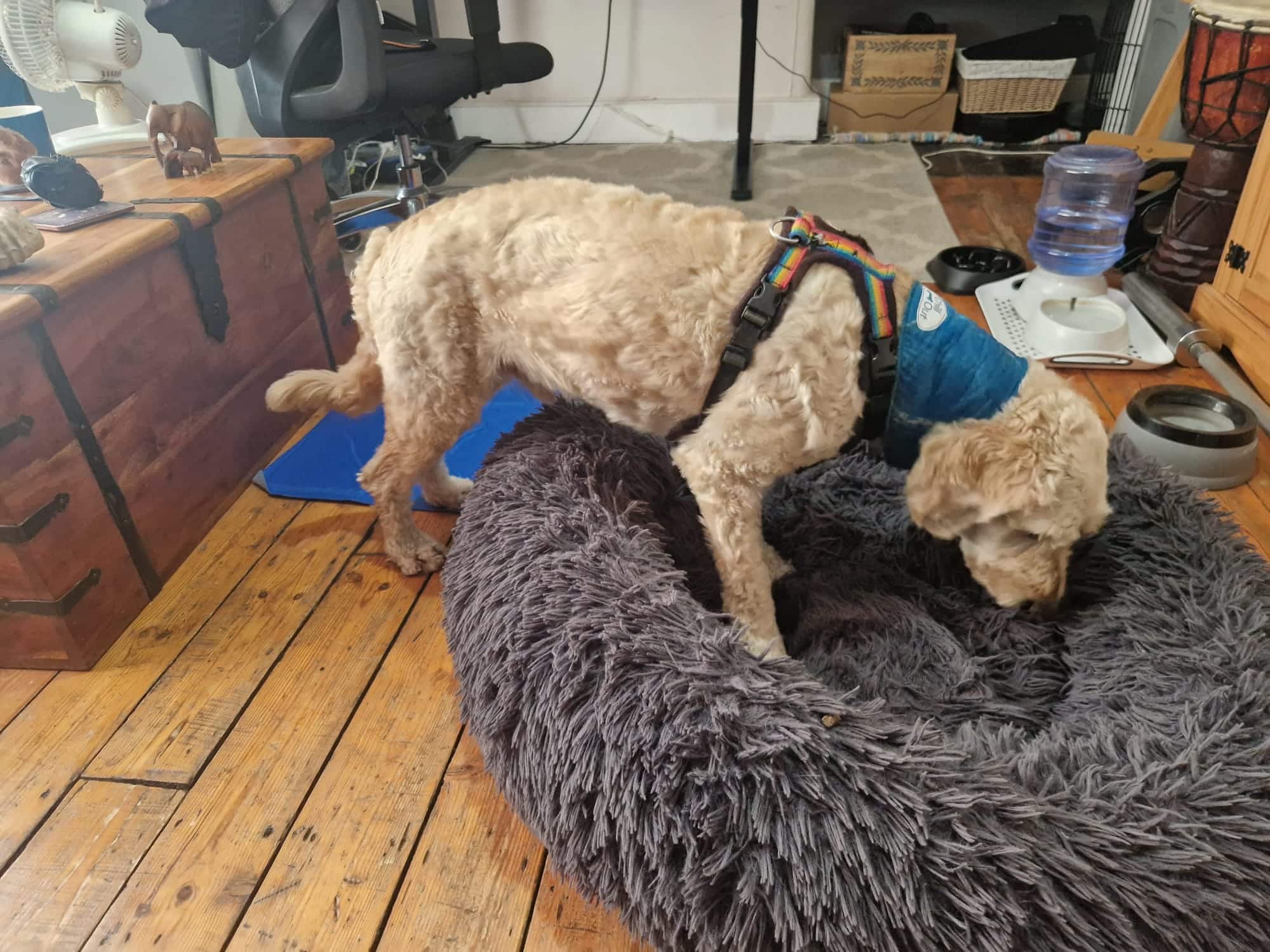
Once inside, allow your dog to see a limited, dog-safe area rather than opening the whole home immediately. Too much freedom can make supervision harder and may feel overwhelming.
Show them:
- Fresh water.
- Their bed or quiet area.
- The route to the garden or exit.
- The room where you will initially spend time together.
Then let them investigate. Avoid repeatedly calling them, following them from room to room or placing toys in front of them.
Dogs Trust advises allowing a newly adopted dog to settle at their own pace and avoiding forced interaction. Its guidance also recommends keeping the home calm and limiting visitors at first. Read Dogs Trust advice on helping a rescue dog settle.
Suggested caption: Let your dog explore a small, safe area without pressure or a crowd of people following them.
Your dog may not behave as expected
A dog’s behaviour during the first few hours may not reflect how they will behave once settled.
They may:
- Sleep deeply.
- Pace or pant.
- Follow you everywhere.
- Avoid you completely.
- Refuse food.
- Drink more or less than expected.
- Have a toileting accident.
- Bark at unfamiliar sounds.
- Freeze near doors or stairs.
- Seem unusually quiet.
- Become overexcited.
- Guard a bed, toy, food or doorway.
A dog who is silent and still is not necessarily relaxed. They may be observing, uncertain or overwhelmed.
Look at the whole dog and the situation. Stress can appear as lip licking, yawning when not tired, panting when not hot, a tucked tail, pinned-back ears, a tense body, turning away, hiding, loss of appetite or fixed staring. The PDSA guide to recognising stress in dogs provides a useful overview.
Give your dog space and remove avoidable pressure. Do not punish growling. A growl communicates discomfort and gives you an opportunity to stop and reassess.
Food and water during the first day
Provide clean water as soon as your dog arrives.
Continue with the food, quantity and schedule supplied by the breeder, rescue or previous carer unless your vet has advised otherwise. Moving home is already a major change. An immediate change of diet can add digestive upset.
Offer meals in a quiet place and leave the dog room to eat. If other animals live in the home, feed them separately and remove bowls afterwards.
Do not test whether a new dog will tolerate somebody touching their bowl or taking food away. Prevent conflict instead.
Some dogs will not eat their first meal because they are stressed or tired. Record what they eat and drink. Seek veterinary advice if refusal continues, if your dog is very young or medically vulnerable, or if it is accompanied by vomiting, diarrhoea, pain, weakness, or another worrying sign.
Avoid introducing several rich treats, chews and new foods on the first day. If you use food for reassurance or enrichment, keep it simple and include it within the dog’s normal daily amount.
Toileting and accidents
Take your dog to the toilet area:
- On arrival.
- After waking.
- After eating or drinking.
- After play or excitement.
- Before bedtime.
- Whenever they begin sniffing, circling or moving towards the exit.
Puppies need particularly frequent opportunities. Adult dogs may also have accidents because they do not yet understand the new layout or routine.
If an accident happens, clean it without fuss. Do not shout, rub the dog’s nose in it or drag them towards the mess. Punishment can make a dog afraid to toilet in your presence without teaching them where you want them to go.
Note whether your dog passes urine and faeces. Straining, repeated attempts without producing urine, blood, obvious pain or an inability to urinate requires urgent veterinary advice.
Visitors can wait
Friends and relatives may be eager to meet your dog. Your dog does not need a welcoming committee.
For the first day or two, keep the home quiet and postpone non-essential visitors. This gives your dog a chance to learn the household’s ordinary sounds and begin recognising the people who live there.
If somebody must visit:
- Ask them to ignore the dog initially.
- Keep voices and movement calm.
- Do not block the dog’s route away.
- Do not lean over, hug or stare at the dog.
- Let the dog choose whether to approach.
- Stop the interaction if the dog moves away or becomes tense.
Avoid taking your dog to cafés, busy parks, shops, school gates or family gatherings during this initial period.
Introducing children
Children and dogs should be actively supervised. Being in the same room while an adult looks at a phone or cooks dinner is not active supervision.
Explain that the dog must be left alone when they are:
- Sleeping.
- Eating.
- Chewing.
- In their bed or quiet area.
- Hiding.
- Walking away.
- Showing signs of worry.
Do not ask a child to hug, kiss, climb over or take an object from the new dog. Keep the first interactions brief and calm, and use gates or separate rooms when close supervision is not possible.
The goal is not to make the dog tolerate everything. It is to build safe habits for both the child and dog.
Introducing a resident dog
Ideally, the first introduction has been planned before the new dog enters the home.
Use neutral space where practical, with one calm adult handling each dog. Avoid tight doorways, crowded hallways, toys, food and other resources during early interactions.
Once inside:
- Supervise closely.
- Provide separate beds and water.
- Feed separately.
- Remove valuable toys and chews initially.
- Give both dogs regular time apart.
- Use gates or separate rooms when you cannot supervise.
- Do not force them to share sleeping space.
Dogs Trust advises supervising early interactions and separating dogs when supervision is not possible. Read its guidance on introducing a new dog or puppy to your current dog.
If either dog repeatedly stiffens, stares, blocks access, guards resources, hides, snaps or cannot disengage, separate them safely and seek professional advice.
Introducing a resident cat
Do not allow the dog to chase the cat “to see what happens”. One frightening chase can make future introductions much harder and can cause injury.
Your cat needs a dog-free area containing:
- Food.
- Water.
- A litter tray.
- A bed or hiding place.
- Elevated escape routes where appropriate.
Begin with separation and scent, then controlled visual access through a suitable barrier. Keep the dog attached or otherwise securely managed, ensure the cat can retreat and reward calm behaviour.
The process may take much longer than 48 hours. The Blue Cross guide to introducing dogs and cats explains how to make gradual introductions.
The first walk
Your new dog does not need a long, exciting walk on arrival day.
For many dogs, toileting and a short sniff close to home are enough. A rescue dog may have different exercise instructions, while a puppy’s outings depend on age and vaccination status. Follow the advice provided by your vet, breeder or rescue organisation.
Keep early outings:
- Short.
- Quiet.
- On lead.
- Close to home.
- On a simple, repeatable route.
- Free from forced greetings.
Do not test recall in an unsecured place. A dog who followed you closely indoors may behave very differently when frightened or distracted outside.
Check the fit of the harness or collar before every exit. New dogs can reverse out of poorly fitted equipment, particularly when startled.
For rescue-specific guidance, read First Walks With a Rescue Dog. Puppy owners can use Bringing a Puppy Home for the wider first-weeks plan.
Suggested caption: Early walks should be short and predictable, with time to sniff and no pressure to greet.
Suggested alt text: Newly adopted dog taking a quiet first walk on a secure lead.
Keep training simple
The first day is not the time to test everything your dog supposedly knows.
Focus on useful, low-pressure learning:
- Responding to their name.
- Following you towards the garden.
- Finding their water and bed.
- Calmly accepting the lead being attached.
- Choosing to come towards you.
- Settling near you.
Reward behaviour you would like to see again, but do not turn every interaction into a lesson.
Avoid correcting pulling, barking, accidents, hesitation or failure to respond. Your dog is learning about their environment as well as you.
The Dog Training Hub explains my reward-based approach to everyday skills.
Preventing escape
The risk of escape deserves special attention during the first days.
A new dog does not yet know where home is. They may bolt towards the place they last saw a familiar person, react to a sudden noise or slip through a door behind somebody.
For at least the initial settling period:
- Check doors and gates before moving the dog.
- Tell everyone in the home when the dog is loose.
- Use barriers around busy entrances where practical.
- Attach the lead before opening the front door.
- Keep the dog on lead in the garden until fencing is confirmed secure.
- Do not leave the dog unattended outside.
- Check gaps beneath and beside fences.
- Keep delivery drivers and visitors away from the dog.
- Ensure microchip contact details are correct.
- Attach a legally compliant identification tag to the collar when required.
Do not assume a high fence is secure. Some dogs climb, squeeze, dig or push through weak panels.
Leaving your dog alone
Avoid leaving a new dog for a long period immediately after arrival.
You also do not need to remain physically attached to them every second. Quiet time behind a gate or in a safe area while you move around the home can help you observe how they cope with small amounts of separation.
Keep it easy:
- Meet the dog’s toileting and comfort needs.
- Allow them to settle with something safe and familiar.
- Move a short distance away for a few seconds.
- Return before they become distressed.
- Build duration gradually over future days.
Do not allow prolonged barking, howling, frantic scratching or escape attempts in the hope that the dog will “get used to it”. If separation causes marked distress, speak to your vet and an appropriately qualified behaviour professional. The PDSA’s separation-related behaviour guidance describes common warning signs.
The first night
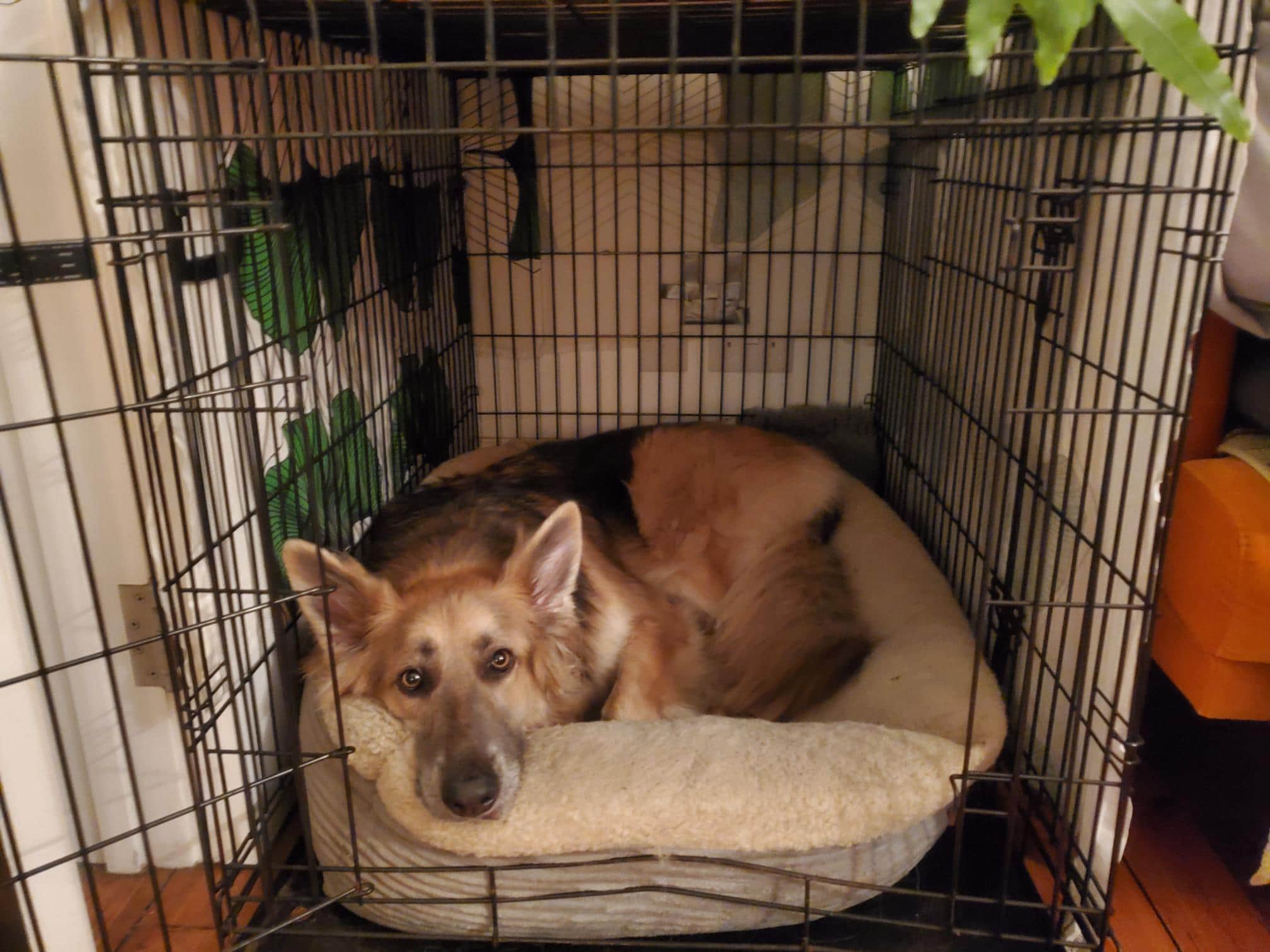
Decide where your dog will sleep before bedtime, but be prepared to adapt.
The sleeping place should be:
- Safe and comfortable.
- Away from busy entrances.
- Warm but not overheated.
- Free from trailing wires and chewable hazards.
- Close enough for you to notice distress or a toileting need.
- Somewhere children and other animals will not disturb them.
A puppy may be frightened after suddenly losing the company of their mother and littermates. Comforting a worried puppy does not reward fear. The PDSA’s first-day and first-night puppy guidance advises that it is acceptable to reassure them.
An adult dog may sleep through the night, pace, change places repeatedly or wake early. Take them out calmly if they appear to need to go to the toilet. Keep lights, conversation and play to a minimum, then help them settle again.
Do not shut a dog into a crate for the night unless they have already been introduced to it positively and are comfortable there. A crate should not be used to prevent a distressed dog from expressing or escaping panic. Read Crate Training a Dog or Puppy before deciding whether a crate is appropriate.
The next morning
Keep the second day as calm and predictable as the first.
A simple morning might be:
- A quiet toilet trip.
- Fresh water.
- Breakfast at the expected time.
- Rest.
- A short walk or garden sniff, depending on the dog.
- A few minutes of gentle play or enrichment.
- More sleep.
Do not increase activity simply because the first night went well. Stress hormones and tiredness can affect behaviour, and some dogs become more expressive only after they begin to feel safer.
Continue recording:
- Food eaten.
- Water intake.
- Urination and bowel movements.
- Medication.
- Sleep.
- Coughing, vomiting or diarrhoea.
- Mobility.
- Signs of fear or pain.
- Interactions with people and animals.
These notes will help if you need veterinary or behavioural advice.
What not to do in the first 48 hours
Avoid:
- Inviting a stream of visitors.
- Taking the dog to a busy off-lead area.
- Letting them off lead to test recall.
- Changing food without a good reason.
- Bathing them unless necessary for welfare.
- Forcing them to meet every family member.
- Hugging, restraining or repeatedly picking them up.
- Taking food or toys away to test guarding.
- Punishing accidents, barking or growling.
- Leaving them alone for several hours without preparation.
- Allowing unsupervised contact with children or animals.
- Expecting perfect sleep or toileting.
- Starting a packed training schedule.
- Assuming quiet behaviour means complete confidence.
You will have time for adventures, introductions and training. The first task is to help your dog feel secure enough to learn.
When to contact a vet
Register with a veterinary practice promptly if you have not already done so. Ask when your new dog should receive an initial health check and confirm vaccination, parasite treatment, medication and microchip arrangements.
Contact a vet promptly if your dog:
- Has difficulty breathing.
- Collapses or appears extremely weak.
- Cannot pass urine or repeatedly strains.
- Has a swollen abdomen or repeatedly attempts to vomit without producing anything.
- Has persistent vomiting or diarrhoea.
- Passes blood.
- May have eaten a toxic substance or foreign object.
- Shows severe pain.
- Has a seizure.
- Is injured.
- Refuses food and appears unwell.
- Shows a sudden or marked change in behaviour.
This is not a complete emergency list. If you are unsure, telephone your veterinary practice or its out-of-hours provider and describe what you can see.
My Dog Health and First Aid Hub provides general preparation and first-aid information. It does not replace veterinary diagnosis or treatment.
If your new dog seems very frightened
Reduce pressure rather than trying harder to make friends.
- Lower noise and activity.
- Ask people to give the dog space.
- Allow access to a safe resting place.
- Avoid reaching into hiding places.
- Keep routines simple.
- Use barriers to prevent accidental crowding.
- Offer food without using it to lure the dog into unwanted contact.
- Keep necessary outings short and quiet.
- Record triggers and recovery time.
Do not flood a frightened dog with the things they fear. If fear is severe, worsening, creating a safety risk or preventing normal eating, drinking, toileting or sleep, contact your vet. Pain and illness can affect behaviour. Your vet may recommend an appropriately qualified clinical animal behaviourist.
For longer-term help, read How to Help a Nervous Dog Settle at Home and Rescue Dog Support in Finchley.
First 48 hours checklist
[OPTIONAL: CONVERT THIS SECTION INTO A KADENCE CHECKLIST OR DOWNLOADABLE PDF]
Before collection
- Food and feeding instructions confirmed.
- Medication and health information collected.
- Microchip and veterinary information collected.
- Behaviour, bite and escape history discussed honestly.
- Safe travel restraint prepared.
- Correctly fitted walking equipment prepared.
- Quiet sleeping area ready.
- Garden, doors and gates checked.
- Household hazards removed.
- Resident-pet introduction plan agreed.
On arrival
- Lead connection checked before opening the vehicle.
- Dog taken to the toilet area.
- Fresh water offered.
- Dog shown a limited, safe part of the home.
- Visitors postponed.
- Children reminded of the safety rules.
- Resident animals managed separately where needed.
- Food kept consistent.
- First outing kept short and secure.
First night and second day
- Final toilet trip provided.
- Dog able to sleep close enough for concerns to be noticed.
- Eating, drinking and toileting recorded.
- Medication recorded.
- Interactions kept calm and optional.
- Walks kept short and predictable.
- Rest protected.
- Veterinary practice and out-of-hours number available.
- Concerns reported promptly.
Related new-dog guides
Continue with:
- New Pet Owner Hub
- Creating a Pet-Friendly Home
- Bringing a Puppy Home
- Taking In a Rescue Dog: What to Consider
- Tips for Settling In a Rescue Dog
- Common Mistakes New Rescue Owners Make
- First Walks With a Rescue Dog
- How to Help a Nervous Dog Settle at Home
- Dog Health and First Aid Hub
- Dog Training Hub
- Welcome Pack
Practical support for new dog owners
Some new owners need more than a general article. They may want somebody to check the home, talk through routines, look at walking equipment or help plan the first few weeks.
My Pet and Home Readiness Visit provides practical preparation before a pet arrives. My Dog Ownership Support Sessions offer calm, individual help with everyday routines after arrival.
These services do not replace veterinary care or treatment from a qualified clinical animal behaviourist.
Frequently asked questions
How long does a new dog take to settle?
There is no fixed timetable. Some dogs appear comfortable quickly, while others need days, weeks or months. Behaviour can also change as a dog becomes more secure. Judge the individual dog rather than relying on a rigid three-day or three-month rule.
Should I ignore my new dog when they arrive?
No. Be available, calm and responsive, but avoid forcing interaction. Let the dog approach and move away. You can offer reassurance without crowding them.
Should family and friends visit immediately?
Usually not. Keep the first day or two quiet unless a visit is essential. Introductions can happen gradually once your dog has begun eating, resting and navigating the home more comfortably.
Should I walk my new dog on the first day?
A short, quiet toilet outing may be enough. Follow vaccination and welfare advice for puppies, and any instructions supplied by a rescue organisation or vet. Avoid long walks, busy parks and off-lead exercise.
Should I let my rescue dog off lead?
Not during the initial settling period. A new dog may not know you, the area or where home is, even if they previously had good recall. Use secure equipment and follow the rescue organisation’s advice.
What if my dog will not eat?
Stress can temporarily reduce appetite. Offer the familiar food in a quiet place and record what is eaten. Contact your vet if refusal continues, your dog is very young or medically vulnerable, or they also appear unwell.
Should I let my puppy cry at night?
A puppy has experienced a major separation and may need reassurance. Keep them close enough for you to notice distress and toileting needs. Comforting a frightened puppy does not reward fear.
Can my new dog sleep in a crate on the first night?
Only if the dog has already been introduced to the crate positively and is comfortable using it. Do not shut a distressed or crate-naive dog inside and expect them to cope.
When should I introduce my other pets?
Plan introductions rather than allowing immediate unrestricted contact. Dogs may meet in suitable neutral space before entering the home. Cats need a secure dog-free area and gradual introductions. Separate animals whenever you cannot supervise.
When can I start leaving my new dog alone?
Begin with very short, manageable separations after basic needs have been met. Increase gradually. Do not jump from constant company to several hours alone or leave a dog to panic.
When should my new dog see a vet?
Register promptly and ask the practice when it recommends an initial health check. Seek advice sooner for illness, injury, pain, breathing difficulty, inability to urinate, suspected poisoning or another worrying change.
Give your dog time to arrive
The first 48 hours do not need to be impressive.
If your dog drinks, toilets, eats something, sleeps and begins to explore without being rushed, that is a successful start.
Keep the home calm. Protect rest. Prevent escape. Observe more than you ask. Let affection, activity and new experiences grow at a pace your dog can manage.
You are not trying to complete their settling-in period in two days. You are showing them that this is a place where their needs will be noticed and their boundaries respected.
If you live in Finchley, Muswell Hill or one of the nearby areas I cover, I can help you plan calm, practical support for your new dog.