Bringing home a new pet changes how you look at your house.
An electrical cable becomes something a puppy might chew. An open window becomes an escape route. A dropped tablet, an unattended shopping bag or a vase of lilies can suddenly become a serious danger.
Creating a pet-friendly home doesn’t mean covering every surface with safety equipment or spending hundreds of pounds before your new arrival comes home.
It’s about recognising genuine hazards, preparing suitable spaces and making everyday life safer and more comfortable for everyone.
I’m Del, and I’ve provided professional dog walking and in-home pet care around Finchley and North London since 2011.
Over the years, I’ve cared for puppies, rescue dogs, cats, rabbits, guinea pigs, older animals and households with several pets. One thing I’ve learnt is that the safest arrangement isn’t always the most complicated or expensive one.
This guide explains how to make your home safer for dogs, puppies, cats, rabbits and other small pets, including practical things that owners sometimes overlook.
Although my hands-on services are based in North London, the advice is intended to help pet owners throughout the UK.
This article provides general pet-care information. It doesn’t replace veterinary advice, a professional property inspection or species-specific advice from an appropriately qualified specialist.
Affiliate disclosure: This guide contains a small number of affiliate links. If you purchase through one, I may earn a commission at no additional cost to you. As an Amazon Associate, I earn from qualifying purchases. I only recommend products I believe are practical and appropriate for the individual animal.
Quick answer: how do you make your home pet-friendly?
Start with the greatest risks: escape routes, electrical cables, medicines, household chemicals, toxic foods, plants and small objects that might be swallowed.
Then make sure your pet has a comfortable place to rest, suitable food and water arrangements, a safe toileting area, and opportunities to behave naturally.
You should also plan how to manage visitors, children, other animals and emergencies.
My five priorities are:
- Make doors, windows, gardens and other escape routes secure.
- Put medicines, chemicals, dangerous foods and unsuitable plants out of reach.
- Provide comfortable, undisturbed resting and toileting areas.
- Adapt the home to the individual animal, especially puppies, rescue pets, cats and older animals.
- Prepare an emergency care plan so somebody else can help if you are unavailable.
You can then make further adjustments as you learn about your pet’s behaviour, preferences and needs.
If you’re preparing for your first animal, my Your First Pet: A Practical Guide for New Pet Owners provides a broader introduction.
1. Start with the pet, not the equipment
Before buying stair gates, beds, bowls or toys, think about the animal who will actually live in your home.
A young puppy, an adult rescue dog, an indoor cat and a pair of rabbits have very different needs.
Ask yourself:
- How old is the animal?
- How large and strong could they become?
- Are they likely to chew, climb, dig or squeeze through gaps?
- Have they lived in a home before?
- Do they have any known fears?
- Are they comfortable with children or other animals?
- Do they have a history of escaping?
- Are there any mobility, sight or hearing difficulties?
- Will they need medication?
- Can they reach high surfaces or open cupboards?
- What information has the breeder, rescue centre or previous owner provided?
For example, a gap beneath a garden gate might be irrelevant to a large adult dog but easily accessible to a small puppy.
A windowsill might be completely uninteresting to one cat and irresistible to another.
A house that worked perfectly well for a younger dog may need changes when that dog gets older.
Prepare for the individual animal rather than assuming every pet needs the same equipment.
2. Inspect your home from your pet’s point of view
One of the simplest things you can do is get down to your pet’s level.
Yes, that may involve crawling around the living room.
You might be surprised by what you discover.
Look for:
- Loose electrical cables and chargers.
- Batteries and small electronic devices.
- Medicines and supplements.
- Cleaning products.
- Small children’s toys.
- Socks, hair bands, string and ribbon.
- Plastic bags and packaging.
- Open bins and recycling.
- Houseplants and flowers.
- Gaps behind appliances.
- Unstable furniture.
- Sharp objects.
- Loose flooring or rugs.
- Low windows and balcony access.
- Blind cords.
- Places where an animal could become trapped.
Don’t limit your inspection to rooms where you expect your pet to spend most of their time.
Accidents can happen when somebody leaves a door open or an animal follows a visitor into another part of the house.
It’s also worth repeating the inspection after decorating, moving furniture or introducing a new animal.
3. Create a safe, comfortable resting area
Every pet needs somewhere they can withdraw and rest without being disturbed.
For dogs, this could be a comfortable bed in a quiet corner.
A newly adopted rescue dog might appreciate a separate room or a familiar bed brought from their previous home.
Cats often enjoy covered hiding places or elevated resting areas where they can observe their surroundings.
Rabbits and guinea pigs need appropriate sheltered areas within sufficiently spacious accommodation.
Whatever arrangement you choose, the resting area should be:
- Comfortable and appropriate for the animal.
- Away from excessive heat and draughts.
- Accessible without unnecessary obstacles.
- Somewhere children and visitors won’t constantly disturb them.
- Large enough for natural resting positions.
- Easy to reach, especially for older animals.
- Available whenever the pet wants to withdraw.
Some dogs prefer to sleep close to their owners. Others need a little more space.
A cat might ignore an expensive bed and choose a cardboard box.
That’s fine.
The important thing is that your pet feels comfortable and has choices.
Should you use a crate?
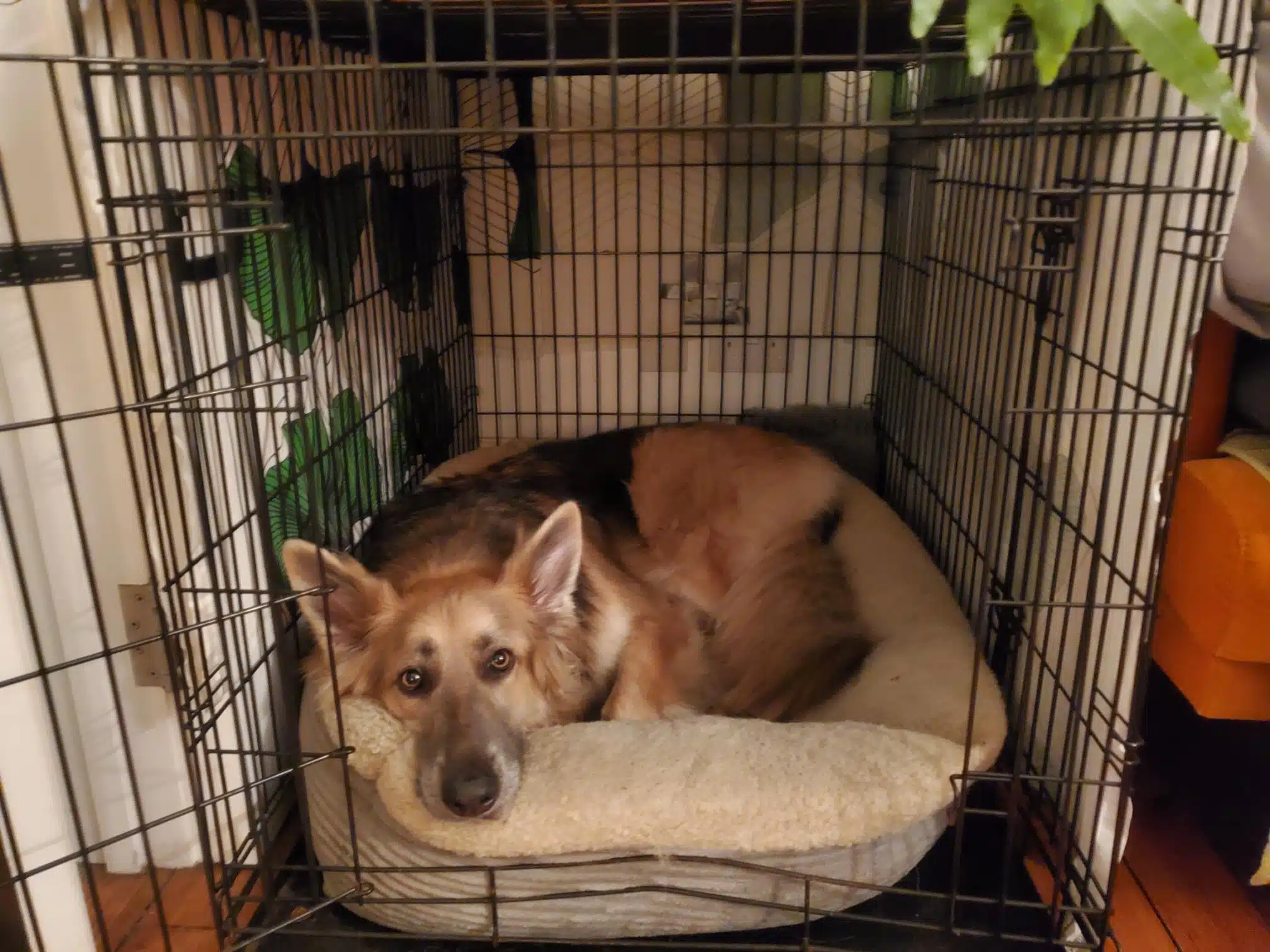
Some owners use crates as positively introduced resting spaces.
However, a crate isn’t compulsory, and I don’t use crates as part of my dog-walking service.
Never use confinement as punishment or assume that shutting an anxious dog away will solve a behavioural problem.
A secure, appropriately sized room or suitable pen may be a better option for some households.
4. Secure your doors, entrances and windows
External doors are among the most important areas to consider.
Before your pet arrives, check that:
- Front and back doors close properly.
- Garden gates latch securely.
- Household members understand when doors can be opened.
- Children cannot accidentally let the animal outside.
- Deliveries can be accepted safely.
- Visitors know not to leave doors or gates open.
- Any communal entrance is secure.
- No escape gaps are easily accessible.
A second internal barrier can be particularly helpful.
For example, a suitable stair gate or closed hallway door may prevent a dog from reaching the front entrance when somebody delivers a parcel.
Do you need a pet gate?
A gate can help with:
- Separating household areas.
- Preventing access to the front door.
- Managing introductions between animals.
- Keeping pets away from kitchen hazards.
- Creating quiet spaces when visitors arrive.
But not all gates are equally secure.
The right choice depends on the doorway, the animal’s size and strength, and whether they are likely to climb, jump or chew.
I would favour a securely fitted, suitable rigid gate where containment really matters.
I wouldn’t rely on a lightweight mesh barrier to contain a determined dog or one likely to push, chew or jump through it.
Windows and balconies
Windows present particular dangers for cats.
An open window may allow a cat to fall or escape, while certain tilted windows can trap an animal.
Ordinary insect screens are not necessarily strong enough to prevent falls.
Check accessible windows carefully and use appropriate, securely fitted pet-safe barriers where necessary.
Never assume that a cat understands the danger of falling from an upstairs window.
For further information, read Cats Protection’s guide to keeping cats safe at home.
Balconies also require careful consideration. Open railings, furniture and sudden noises can create unexpected risks.
5. Protect electrical cables and household appliances
Puppies, rabbits and other curious animals may chew electrical cables.
Cats can also become interested in trailing charger leads or moving cords.
To reduce the risk:
- Keep unnecessary cables unplugged and stored away.
- Use suitable protective cable covers.
- Position cables behind secure furniture where possible.
- Block access behind appliances.
- Replace damaged leads immediately.
- Keep chargers away when not being used.
- Provide appropriate alternatives for animals who chew.
- Restrict access to rooms that cannot be made safe.
Rabbits are particularly well known for chewing household items, including cables and skirting boards.
The Rabbit Welfare Association & Fund’s guide to indoor rabbit housing explains why proper rabbit-proofing is so important.
Remember household appliances
Washing machines, tumble dryers, dishwashers and other appliances can become hiding places for small animals.
Cats may climb inside without anybody noticing.
Always check before closing or operating them.
Be careful with reclining chairs, sofa beds, electric fans, shredders, and other equipment with moving parts.
6. Keep medicines and household chemicals secure
This is one area where I would rather owners were slightly overcautious.
Human medicines can be extremely dangerous to pets.
Store them securely, including:
- Prescription medication.
- Paracetamol and ibuprofen.
- Vitamins and supplements.
- Medicated creams.
- Nicotine products.
- Inhalers.
- Veterinary medication intended for another animal.
If you drop a tablet, find it before allowing your pet back into the area.
Never give an animal human medication unless your vet has specifically instructed you to do so.
And never assume a treatment suitable for one species is safe for another. Some parasite treatments intended for dogs can be highly toxic to cats.
Cleaning products
Keep bleach, disinfectants, laundry capsules, drain cleaners, oven cleaners, pesticides and other household chemicals securely stored.
Follow the manufacturer’s directions and keep animals away from treated areas until they are safe.
Remember that cats may ingest substances from their paws when grooming.
Don’t leave cleaning buckets or laundry capsules where curious animals can reach them.
Essential oils and diffusers also require caution, particularly around cats and other small animals. Check veterinary guidance rather than assuming that a natural product is harmless.
7. Check dangerous foods, plants and flowers
Foods to keep away from pets
Many ordinary household foods can cause serious problems.
For dogs, common concerns include chocolate, grapes, raisins, sultanas, currants, onions, garlic, products containing xylitol, alcohol and caffeine.
Cooked bones, mouldy foods, raw bread dough and fatty leftovers can also cause serious harm.
Different species have different vulnerabilities, so don’t assume a food suitable for one animal is safe for another.
A good general rule is to keep shopping bags, plates, leftovers and food waste out of reach.
For more information, visit my Dog Food and Nutrition Hub.
Plants and flowers
Houseplants are easy to overlook.
Before bringing home a new pet, identify the plants already in your house and garden.
Some common plants are toxic to particular animals.
If you have cats, avoid lilies entirely.
Parts of certain lilies, pollen and even contaminated vase water can be extremely dangerous to cats.
This is not a situation where I would rely on putting a vase on a high shelf.
Cats have an extraordinary ability to reach places we thought were inaccessible.
The PDSA’s poisonous plants guide provides species-relevant information and explains the risks.
Check flowers given as gifts, too.
8. Make your kitchen, bathroom and living spaces safer
Kitchen
Kitchens contain food, sharp objects, heat and cleaning products.
Keep animals away from hot ovens, open flames and cooking oil.
Turn pan handles inwards, wipe spills promptly and secure bins.
A closed door or safely fitted gate may be easier and safer than repeatedly trying to persuade a young puppy to stay away from cooking.
Bathroom
Store medicines, razors, cleaning products and toiletries securely.
Keep hot hair straighteners and curling tongs out of reach until completely cool.
Put dental floss, cotton buds and small packaging items in a closed bin.
Living room and bedroom
Check for:
- Electrical cables.
- Remote controls containing batteries.
- Loose coins and other small objects.
- Candles and fireplaces.
- Hair bands and sewing materials.
- Plastic packaging.
- Unstable furniture.
- Open windows.
- Accessible medicines.
- Socks and small clothing items.
Remember that an animal’s interests can change as they become more confident in the home.
The puppy who ignored your slippers yesterday may develop a completely different opinion tomorrow.
9. Avoid slippery floors and consider older pets
Hard floors can be difficult for some dogs, particularly older animals or those experiencing mobility problems.
Watch for slipping when your pet stands up, turns or walks through the house.
Practical changes may include:
- Secure non-slip runners.
- Suitable mats around feeding areas.
- Keeping nails at an appropriate length.
- Making resting areas easier to access.
- Preventing uncontrolled access to dangerous stairs.
- Raising or adjusting access arrangements where genuinely helpful.
- Providing a comfortable sleeping area that is easy to enter and leave.
Avoid loose rugs that create a new tripping hazard.
If your dog suddenly begins slipping, struggles to rise or seems reluctant to use stairs, contact your vet. Don’t assume the problem is simply old age.
My Guide to Enrichment and Exercise for Older Dogs includes practical ideas for adapting everyday activities.
10. Create suitable feeding and toileting areas
Feeding and drinking
Choose locations where your pet can eat and drink without being disturbed.
Some animals are uncomfortable eating beside other pets.
Separate feeding areas can be especially useful in multi-pet households.
Fresh water should always be available in arrangements suitable for the species.
Cats may prefer several drinking locations, sometimes away from their food.
Older or less mobile animals may benefit from additional water stations.
Cat litter trays
Put litter trays in quiet, accessible places away from food and water.
A commonly used starting point is one tray per cat plus one extra, distributed across suitable locations.
The arrangement should also work for the individual cats involved.
A nervous cat may avoid a tray placed next to a noisy washing machine or in an area where another cat can block access.
Visit my Cat Care Advice Hub for further information about everyday cat welfare.
Rabbits and guinea pigs
Rabbits and guinea pigs need suitable feeding, drinking and toileting arrangements within properly sized living spaces.
They should not be confined to small cages simply because they are small animals.
Rabbits also require appropriate rabbit companionship and substantial space for movement and natural behaviour.
For guidance, visit the Rabbit Welfare Association & Fund.
11. Think about children, visitors and other pets
A pet-friendly home must work for the whole household.
Children and pets
Children should learn that animals need personal space.
Don’t allow children to:
- Climb on dogs.
- Pull tails or ears.
- Disturb sleeping pets.
- Chase frightened animals.
- Take food or toys from an animal.
- Follow a pet into a hiding place.
Adults must actively supervise interactions.
A dog who moves away, turns their head or tries to leave may be asking for more space.
My Dogs and Children Guide explains how to make interactions safer and more comfortable.
Visitors and deliveries
Not every dog wants to greet visitors.
And a cat hiding under the bed does not necessarily want somebody to retrieve them so everyone can say hello.
Prepare a separate resting area if visitors may be stressful.
Tradespeople present another practical issue because they may need to leave doors or gates open.
Secure your pet before work starts and make sure everybody knows where the animal is.
Introducing another pet
Introductions should be gradual and appropriate to the species and individual animals.
Provide separate feeding areas, resting places and resources as needed.
Don’t put unfamiliar animals together and expect them to sort everything out.
Dogs and cats must not have uncontrolled access to rabbits, guinea pigs or other vulnerable small animals.
Even apparently friendly behaviour can cause significant fear or injury.
12. Make your garden and outdoor areas safer
A garden is not automatically secure simply because it has a fence.
Check:
- Fences and boundary gaps.
- Gates and latches.
- Gaps beneath sheds.
- Areas where an animal could dig under a boundary.
- Furniture positioned near fences.
- Toxic plants.
- Garden chemicals.
- Compost bins.
- Ponds and water containers.
- Sharp tools.
- Sheds and garages.
- Access from neighbouring gardens.
Some animals may be able to climb, dig or squeeze through surprisingly small gaps.
And remember that gardens can change throughout the year.
A fence that was sound in spring may be damaged after a storm.
Do not assume that a rabbit or guinea pig enclosure provides sufficient protection without checking its construction, size and security.
Gardens and rescue dogs
Be particularly careful during the first few weeks with a newly adopted dog.
You may not yet know how they react to unfamiliar noises, wildlife or people passing outside.
Supervise garden access until you understand their behaviour and have checked the boundaries properly.
My Rescue Dog Support Hub has more advice about helping newly adopted and nervous dogs feel secure.
13. Provide enrichment, not just protection
A pet-friendly home should be safe, but it should also be interesting.
An animal needs appropriate opportunities to express natural behaviour.
For dogs, this may include:
- Sniffing and searching.
- Suitable chewing.
- Licking and food enrichment.
- Gentle reward-based games.
- Exploration.
- Rest and opportunities to choose whether to interact.
For cats, it may include:
- Scratching.
- Climbing.
- Hiding.
- Watching.
- Interactive hunting-style play.
- Suitable food puzzles.
For rabbits and guinea pigs, consider species-appropriate foraging, hiding, movement and opportunities to explore.
You don’t have to spend a fortune
Simple activities can be very effective.
A cardboard box can make an excellent cat hide.
A suitable towel and a few pieces of food can provide an easy searching game for some dogs, provided it is supervised and the dog is not inclined to swallow fabric.
Rabbits may enjoy appropriate forage and safe materials that support natural behaviour.
Start with the animal’s preferences rather than buying every enrichment product you see.
Two optional dog enrichment products
For suitable dogs, I regularly recommend two products.
KONG Classic
A medium KONG Classic on Amazon UK can be used as a stuffable food-enrichment toy.
Choose the correct size and material for your dog. The linked medium version is not appropriate for every animal.
Read my Complete KONG Guide before choosing.
Affiliate link.
LickiMat Tuff Soother Pro
A LickiMat Tuff Soother Pro on Amazon UK is another optional feeding and enrichment tool for suitable dogs.
Use appropriate food and supervise your dog, especially if they might chew or swallow parts of the mat.
Read my Guide to Lick Mats for Dogs for safe fillings and buying advice.
Neither item is essential. A simple, suitable game may be just as enjoyable.
For more ideas, visit my Dog Enrichment Hub.
14. Avoid equipment designed to frighten or punish
Making a home safer shouldn’t involve frightening an animal into behaving differently.
I don’t recommend prong collars, choke or check chains, electronic collars, rattle bottles, spray collars or other aversive equipment.
I also don’t recommend retractable leads for my everyday dog-walking work.
If an animal is chewing, barking, scratching or struggling to settle, look at why the behaviour might be happening.
They may be frightened, unwell, frustrated, overstimulated or struggling with their environment.
Management can reduce immediate risks.
Reward-based training and appropriate professional support can help address the underlying problem.
Visit my Dog Training Hub for further advice.
15. Prepare for emergencies
Here’s a question worth asking:
If you couldn’t get home tonight, would somebody know how to look after your pets?
You might be delayed at work, taken ill or unable to return home because of a household emergency.
Good preparation doesn’t mean expecting something terrible to happen.
It means making sure your pet won’t be left without appropriate care.
Keep a record of:
- Your normal veterinary practice.
- Emergency veterinary contact details.
- Medication and feeding instructions.
- Your pet’s usual routine.
- Microchip and insurance information.
- A trusted emergency contact.
- Carrier, harness and lead locations.
- Key and access arrangements.
- Any important handling or behaviour concerns.
- Written veterinary authorisation arrangements where appropriate.
Keep carriers accessible, not buried in a cupboard behind everything you haven’t used since last Christmas.
My Dog Health and First Aid Hub provides further practical guidance.
What if you need somebody to care for your pet?
It’s better to arrange introductions to a future pet sitter before an emergency or holiday.
This is especially helpful for nervous dogs, newly adopted animals and cats who prefer familiar surroundings.
My Pet and House Sitting Service provides suitable pets with overnight care in their own home.
I also provide Cat Sitting and Feeding Visits and appropriate Small-Animal Care.
For advice on selecting a carer, read my Guide to Choosing a Pet Sitter.
16. Your room-by-room pet-safety checklist
Here’s a practical checklist to work through before your pet arrives.
Hallway and entrance
- Front and back doors close properly.
- Gates and latches are secure.
- There are no accessible escape gaps.
- A second barrier is available if needed.
- Household members understand the door rules.
- Visitors and deliveries can be managed safely.
Kitchen
- Dangerous foods are inaccessible.
- The bin has a secure lid.
- Cleaning products are stored safely.
- Medicines are inaccessible.
- Sharp objects and hot equipment are protected.
- Appliances and gaps behind them have been checked.
Living room
- Electrical cables are protected.
- Houseplants are suitable for the species.
- Blind cords and small objects are inaccessible.
- Windows are secure.
- The pet has an undisturbed resting area.
- Fireplaces and hot surfaces are protected.
Bedrooms
- Medicines are safely stored.
- Clothing and small objects are out of reach.
- Chargers and cables are secured.
- Furniture doesn’t create trapping hazards.
- Windows are safe.
- Bags and their contents are inaccessible.
Bathroom
- Medicines and toiletries are secure.
- Razors and dental floss are inaccessible.
- Cleaning products are locked away.
- Hot styling equipment is safely stored.
- Floors are safe.
- Toilet and water hazards have been considered.
Garden and outside areas
- Fences and gates are secure.
- Escape gaps are repaired.
- Plants have been checked.
- Garden chemicals are inaccessible.
- Ponds and water containers are protected.
- Compost and waste are secured.
- Tools and equipment are stored safely.
- Check sheds and outbuildings before closing.
Emergency preparation
- Veterinary contact details are available.
- Microchip details are current where required.
- Medication instructions are written down.
- Carriers and suitable leads are accessible.
- An emergency carer has been identified.
- You have agreed access and key arrangements.
- A pet first-aid kit is available where appropriate.
17. What should you do if your pet eats something dangerous?
If you suspect poisoning or that your pet has swallowed a dangerous object, contact your vet immediately.
Don’t wait for symptoms to develop.
If safe to do so:
- Prevent further exposure.
- Move your pet away from the source.
- Keep any relevant packaging or information.
- Note what was involved and approximately when it happened.
- Follow your vet’s instructions.
Do not try to make your pet vomit unless your vet specifically tells you to.
Don’t give milk, salt, charcoal, medication or home remedies without veterinary direction.
If the animal is distressed, struggling to breathe, collapsing or otherwise seriously unwell, seek emergency veterinary help immediately.
The PDSA’s advice on suspected poisoning in cats explains why prompt veterinary advice is essential.
18. Essential purchases without buying everything in the pet shop
Many new owners buy far more equipment than they genuinely need.
Depending on the species, the essentials may include:
- Suitable food.
- Food and water bowls.
- Comfortable bedding or hiding places.
- Appropriate toileting equipment.
- A secure carrier.
- A suitable lead and harness for dogs.
- Identification where required.
- Grooming equipment.
- Cleaning supplies.
- A small selection of safe toys.
- Suitable enrichment.
- A gate or pen where genuinely useful.
I would spend money on well-fitting, practical essentials before buying novelty gadgets.
For dog walking equipment, visit my Best Dog Leads and Harnesses Guide.
For carefully selected pet products and comparisons, see Dog and Pet Products I Recommend.
That page includes suitable leads, harnesses, dog enrichment products, cat-care equipment and other practical recommendations.
19. Would you like help preparing your home?
Sometimes a guide is enough.
Other times, especially when bringing home your first pet, adopting a rescue animal or preparing to use a pet sitter, it helps to have somebody look at your arrangements with you.
I offer a Pet and Home Readiness Visit in Finchley.
This is a practical home visit based on my professional pet-care experience since 2011.
We can look at:
- Your pet’s routine and resting arrangements.
- Doors, gates and potential escape risks.
- Equipment and feeding arrangements.
- Medication information.
- Emergency contacts.
- Key and access arrangements.
- Preparing for a pet sitter.
- Practical changes that could make everyday care easier.
What does the visit cost?
The standard visit is £75 per household.
It includes up to 60 minutes in your home, a personalised written checklist and a blank Pet Emergency Information Sheet.
An optional personalised emergency pack and additional time are available at the prices shown on the service page.
This isn’t a professional security inspection, veterinary examination or behaviour consultation.
It’s practical support to help you prepare properly and identify sensible priorities.
The service is available in Finchley, Muswell Hill and selected nearby areas, subject to availability.
Read about the Pet and Home Readiness Visit or contact me to discuss your household.
Other practical support for new pets
Depending on your needs, I also offer:
- New Puppy Support Package for suitable new puppy households.
- Rescue Dog Support for appropriate nervous or newly adopted dogs.
- One-to-One Dog Training Support for reward-based everyday skills and confidence-building.
- Solo Dog Walks for individual attention during walks.
- Pet and House Sitting for familiar overnight care.
- Cat Sitting and suitable small-animal visits.
I work with one household at a time, without transporting dogs in vans or combining unfamiliar dogs into group walks.
Frequently asked questions about creating a pet-friendly home
What is the first thing I should do to pet-proof my home?
Start by securing escape routes and removing the most serious hazards. Check doors, windows, electrical cables, medicines, cleaning products, dangerous foods and toxic plants. Then arrange appropriate resting, feeding and toileting areas.
Do I need to pet-proof every room?
Check every room your pet could potentially enter, including places they might reach accidentally. You don’t necessarily have to give them access to the entire property. A quiet, secure settling area may be more suitable initially.
Do I need a stair gate for a puppy?
Not every household needs one, but a suitable gate can help prevent access to stairs, entrances, kitchens or other areas. Choose a secure product appropriate for your puppy’s size and behaviour.
How do I make my home safe for a rescue dog?
Start with secure entrances, an undisturbed resting area and predictable routines. Avoid overwhelming your new dog with visitors or unrestricted access to unfamiliar spaces. Ask the rescue organisation about known fears, behaviour and escape risks.
What should I remove before bringing home a kitten?
Remove or secure dangerous plants, cables, string, hair bands, medicines, cleaning products and small objects. Check windows, balconies, appliances and gaps behind furniture. Provide a safe room where your kitten can settle gradually.
Are lilies safe if I put them somewhere my cat cannot reach?
I would avoid lilies entirely in a home with cats. Certain lilies can cause severe poisoning through contact with plant material, pollen or contaminated water.
Can rabbits live safely indoors?
Yes, but their environment must meet their welfare needs. They require appropriate companionship, substantial space, safe flooring, suitable food, protection from electrical cables and other hazards, and opportunities to express normal behaviour.
What can I do about slippery floors for an older dog?
Suitable non-slip runners and changes to the layout may help. If your dog has new mobility difficulties, slips frequently or struggles to stand, speak to your vet rather than assuming it is simply part of ageing.
Do I need expensive enrichment toys?
No. Many animals enjoy simple, suitable activities. Choose enrichment according to the individual pet and supervise unfamiliar items. Commercial toys can be useful but are not essential to every activity.
Can you visit my home before I get a pet?
Yes. My Pet and Home Readiness Visit provides practical preparation and a written checklist for suitable households in Finchley, Muswell Hill and selected nearby areas.
A safe home should still feel like a home
Pet-proofing isn’t about wrapping every piece of furniture in bubble wrap.
Although, having looked after a few enthusiastic puppies over the years, I can understand why the idea sometimes appeals.
It’s about removing predictable hazards while giving your pet safe opportunities to explore, rest, play and make choices.
Start with the important things.
Secure the doors.
Put dangerous substances away.
Provide appropriate food, water and a comfortable resting place.
Then watch how your pet uses the space.
As they grow, settle or become older, you may need to make further changes.
A pet-friendly home isn’t something you create once and forget about.
It develops as you learn more about the animal sharing your life.
If you’re preparing for a new pet and would like practical advice, my New Pet Owner Hub is a useful next step.
And if you’re based in Finchley or nearby, you’re welcome to contact me about a Pet and Home Readiness Visit.
First published: 29 May 2025
Substantially updated: 24 October 2026