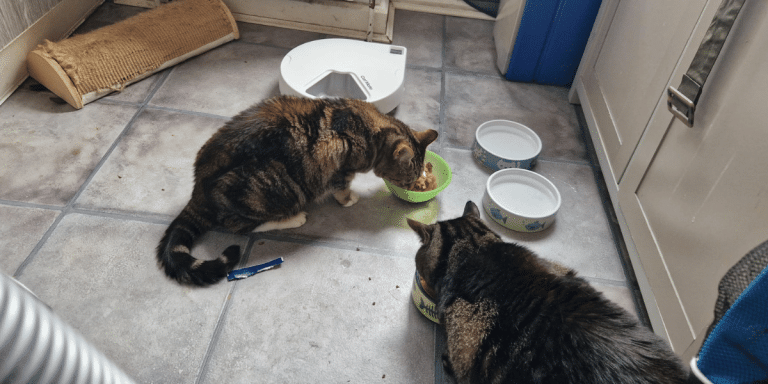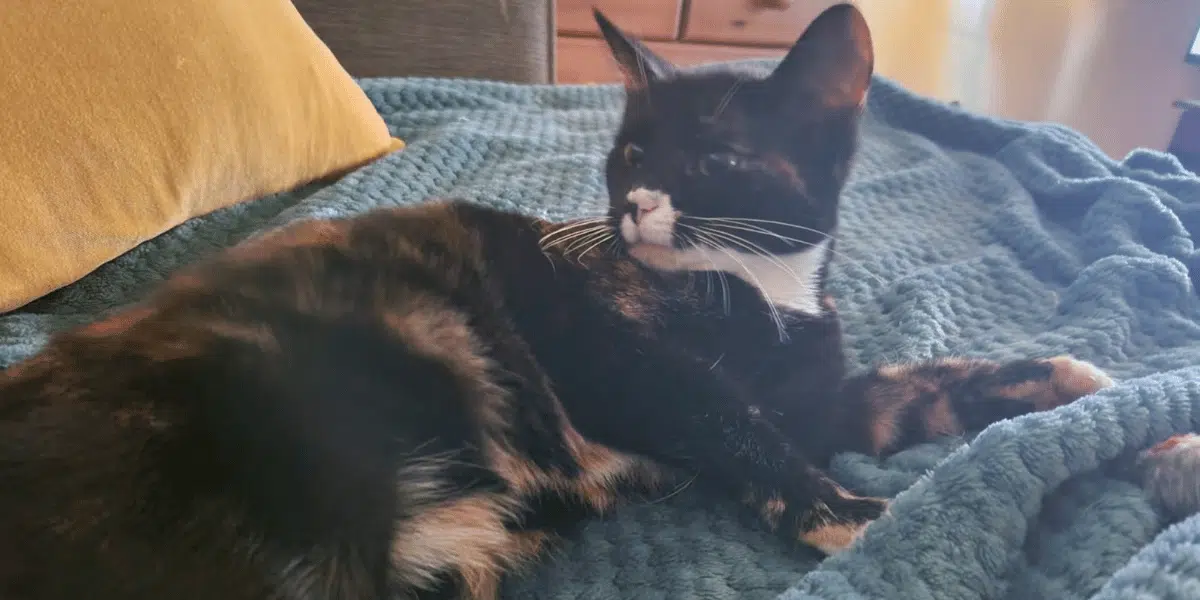
When the temperature drops and the evenings become darker, many cats decide that the best place to be is somewhere warm indoors.
A sunny windowsill, a favourite chair or a cardboard box lined with a blanket can suddenly become the most popular place in the house.
But winter cat care involves more than providing a comfortable bed.
Cold weather, shorter days and changes in household routines can affect your cat’s activity, toileting habits, comfort and general wellbeing.
I’ve been caring for pets professionally in Finchley and North London since 2011. During cat-sitting visits, I see how differently cats respond to their surroundings. Some want attention and games, while others prefer to stay curled up somewhere quiet.
The important thing is understanding what your individual cat needs.
Here are my practical suggestions for keeping your cat comfortable, healthy and occupied throughout the colder months.
Key Takeaways
- Provide a variety of warm resting spots to keep your cat comfortable during winter.
- Keep indoor cats active with short play sessions to maintain their activity levels.
- Ensure your cat has an indoor litter tray, particularly in adverse weather conditions.
- Offer fresh water throughout winter, as outdoor sources may freeze.
- Watch for signs of stress or behaviour changes, and adjust care accordingly.
Table of contents
- 1. Give Your Cat Several Warm Places to Rest
- 2. Keep Indoor Cats Active With Short Play Sessions
- 3. Make Sure Your Cat Has an Indoor Litter Tray
- 4. Provide Fresh Drinking Water Throughout Winter
- 5. Help Your Cat Stay Dry After Going Outside
- 6. Consider Your Cat’s Outdoor Routine
- 7. Give Older Cats Extra Comfort and Support
- 8. Watch for Signs of Stress or Changes in Behaviour
- 9. A Few Sensible Products for Winter Cat Care
- 10. Winter Cat Care When You’re Going Away
- My Winter Cat Care Checklist
- Frequently Asked Questions
- A Final Thought
- Related Guides
- Trusted Sources and Further Reading
1. Give Your Cat Several Warm Places to Rest
Cats are great at finding a comfortable spot.
However, their preferred sleeping spot may not always be suitable when temperatures fall.
A windowsill can become chilly overnight, particularly near an older window. A bed beside an external door may also be affected by draughts.
Offer several resting places around the home so your cat can choose where they feel comfortable.
You don’t necessarily need to buy anything.
A sturdy cardboard box with a familiar blanket can make an excellent sleeping place.
Some cats enjoy enclosed beds that provide privacy. Others prefer an open cushion where they can watch everything happening around them.
Position beds away from cold draughts and damp areas. Ensure your cat can move away if they become too warm.
Be careful with electric blankets, heating pads and hot-water bottles. Burns can happen, particularly if a cat has reduced mobility or cannot move away easily. Never leave unsuitable heating equipment operating unattended.
If you’re considering an enclosed cat bed, choose one that is stable, washable and easy for your cat to enter and leave.
I always prefer to offer a choice rather than expecting a cat to use one particular bed.
2. Keep Indoor Cats Active With Short Play Sessions
One problem with winter is that some cats spend considerably more time indoors.
A cat who normally explores the garden may decide that rain, wind and cold pavements aren’t worth the effort.
That doesn’t mean they no longer need activity.
Playing gives cats opportunities to practise natural behaviours such as stalking, chasing and pouncing.
You can encourage this through short, enjoyable play sessions.
Try moving a familiar wand toy slowly along the floor or around furniture, allowing your cat to stalk it before making a successful catch.
Other cats prefer chasing a small ball, investigating a cardboard box or searching for a few pieces of their normal dry food.
Keep sessions appropriate for your cat’s age, health and enthusiasm.
A senior cat may enjoy a gentle game while lying down. A younger cat might prefer several more energetic sessions throughout the day.
Avoid forcing a reluctant cat to play.
Always put away fishing-rod toys, loose string, ribbons and similar items after supervised use.
For more ideas, read my Indoor Cat Enrichment Guide.
3. Make Sure Your Cat Has an Indoor Litter Tray
Even cats who normally prefer using the garden should have somewhere suitable to toilet indoors.
Frozen ground, heavy rain, snow and uncomfortable outdoor conditions can discourage cats from going outside.
Older cats may also find using a cat flap or travelling to their usual toileting area more difficult.
A litter tray provides an alternative.
Place it somewhere quiet, accessible and away from food and water.
For multi-cat households, the usual starting recommendation is one tray per cat plus one extra, positioned in different suitable areas.
Clean trays regularly and avoid suddenly changing the type of litter your cat uses.
If your cat begins toileting outside their tray, don’t assume they are being difficult.
The problem could involve discomfort, stress, unsuitable litter arrangements or an underlying medical condition.
A cat repeatedly trying to urinate but passing little or no urine needs emergency veterinary attention.
4. Provide Fresh Drinking Water Throughout Winter
It’s easy to associate dehydration with hot summer weather, but cats need reliable access to drinking water year-round.
Outdoor bowls and other water sources may freeze during particularly cold weather.
Keep fresh water available indoors, ideally in several locations.
Some cats prefer a wide ceramic or stainless-steel bowl. Others enjoy drinking from moving water.
A drinking fountain may be useful for cats who already like running water, but it should never be their only source.
Fountains require cleaning, and pumps can stop working.
A simple bowl of clean water should always remain available.
If you notice your cat suddenly drinking much more or much less than normal, speak to your vet.
5. Help Your Cat Stay Dry After Going Outside
Cats who venture outdoors during winter may return with wet fur, muddy paws or traces of road grit and salt.
If your cat is comfortable being handled, gently wipe them with a soft towel.
Pay particular attention to their paws.
Salt and other de-icing substances may stick to paws and fur and can cause problems when swallowed during grooming.
Don’t insist on drying a cat if the process frightens or distresses them. Instead, provide a warm, dry place where they can settle.
Be particularly careful around antifreeze.
Products containing ethylene glycol are extremely poisonous to cats. Even small amounts can cause serious illness.
Store antifreeze securely and clean up spills immediately.
If you suspect your cat has been exposed to antifreeze, contact a vet immediately. Do not wait for symptoms to develop.
Read more in the PDSA’s advice on antifreeze poisoning in cats.
6. Consider Your Cat’s Outdoor Routine
Some cats are perfectly happy to stay indoors for much of winter.
Others still want their regular garden patrol.
Rather than forcing a sudden change, consider your cat’s normal routine, confidence and the conditions outside.
Cats who go outdoors should have reliable access back into a warm home.
Check cat flaps regularly during icy conditions to ensure they haven’t become blocked or frozen.
If your cat spends time outside, a suitable weatherproof shelter may offer additional protection, although it isn’t a substitute for access to a warm indoor space.
Dark winter evenings can also increase traffic-related risks.
Consider keeping your cat indoors overnight, with suitable resources and a gradual adjustment to their routine where needed.
Before starting your car, check that a cat hasn’t sheltered beneath it or near the engine.
It’s also worth checking sheds, garages and outbuildings before closing them.
For more guidance, see Cats Protection’s advice on cats and cold weather.
7. Give Older Cats Extra Comfort and Support
Senior cats can need a little more help during winter.
An older cat may find it difficult to reach a favourite sleeping place, climb stairs or use a high-sided litter tray.
Stiffness, reduced mobility and arthritis can make everyday activities uncomfortable.
Small adjustments can make a considerable difference.
A low-entry litter tray, stable step beside the sofa, non-slip flooring and warm resting places can all help.
Make sure your cat can reach their food and water without unnecessary climbing or jumping.
Watch for changes like sleeping somewhere unusual or no longer using a favourite spot.
Sometimes the change is simply a preference. Sometimes it can indicate discomfort or illness.
Don’t automatically put changes down to old age.
My Caring for a Senior Cat Guide explains how to adapt your home and routines for older cats.
8. Watch for Signs of Stress or Changes in Behaviour
Winter can bring changes that cats don’t particularly appreciate.
There may be fireworks, Christmas visitors, building work, unfamiliar decorations or simply a change to the household routine.
Some cats cope with these things easily.
Others become unsettled.
You might notice increased hiding, unusual vocalisation, changes in appetite, scratching in different places or altered toileting behaviour.
These changes don’t automatically mean your cat is stressed.
Pain and illness can produce similar signs, so persistent or sudden changes deserve veterinary advice.
Try to preserve your cat’s familiar routines.
Give them access to their favourite hiding places and a quiet place to retreat.
Avoid pulling a frightened cat out of hiding.
Some cats may benefit from a feline pheromone diffuser as part of a wider management plan, although responses vary and it isn’t a replacement for identifying the cause of distress.
Read my Signs of Stress in Cats Guide for more information.
During the fireworks season, my Cats and Fireworks Guide provides additional advice.
9. A Few Sensible Products for Winter Cat Care
You don’t need to spend a fortune making your home comfortable for your cat.
In many cases, a familiar blanket, a cardboard box and a few minutes of interactive play are perfectly adequate.
However, certain products can help when they solve a real problem.
An enclosed cat bed
Some cats enjoy resting in a sheltered space, particularly in a quiet room.
Choose a bed with an entrance that suits your cat’s size and mobility. Make sure the materials are washable and that your cat can leave whenever they want.
A puzzle feeder
A suitable puzzle feeder can help a cat spend time searching and working for a portion of their normal food.
One option featured in my existing product recommendations is the Trixie Cat Activity Fun Board.
View the Trixie Cat Activity Fun Board on Amazon
Introduce puzzle feeders gradually and supervise their use until you’re confident they are suitable for your cat.
A cat drinking fountain
Some cats prefer moving water, and a fountain can provide an additional drinking location.
View a cat water fountain on Amazon.
Keep ordinary water bowls available as backups and follow the manufacturer’s cleaning instructions.
For more equipment ideas, see Best Cat Care Products for When You Go Away.
Affiliate disclosure: The Amazon links above are affiliate links. If you make a qualifying purchase, I may earn a small commission at no additional cost to you. As an Amazon Associate, I earn from qualifying purchases. Always check current product details, suitability and safety instructions before buying.
10. Winter Cat Care When You’re Going Away
Winter holidays, Christmas visits and weekends away can create another challenge.
Your cat may be staying in a familiar home, but their usual daily routine will change.
It’s important that whoever cares for them understands more than just where the food is kept.
They should know their normal sleeping places, behaviour, feeding arrangements and toileting routine.
During winter, I would also want to know how the heating is controlled, whether the cat uses a cat flap and what arrangements are in place if there is severe weather or a heating problem.
When I provide cat-sitting visits, I aim to maintain the routine we have agreed.
That can include feeding, refreshing water, cleaning litter trays, providing appropriate play or company, and watching for changes in behaviour.
Some cats want plenty of attention.
Others prefer that I quietly get on with the practical jobs.
I don’t force interaction simply because I’ve arrived for a visit.
An automatic feeder or camera may support an existing routine, but neither can replace someone physically checking on your cat.
If you are travelling during winter, arrange suitable visits in advance and ensure your sitter has emergency contact details and instructions.
You can find out more about my Cat Sitting in Finchley and Muswell Hill.
My Winter Cat Care Checklist
Before the colder weather arrives, check the following:
- Your cat has warm, dry and accessible sleeping places.
- Fresh drinking water is available indoors.
- Litter trays are clean, suitable and easy to reach.
- Your cat has safe opportunities for daily play and enrichment.
- Cat flaps, doors and outdoor shelters are checked.
- Antifreeze, de-icers and other hazardous chemicals are stored securely.
- Older cats can reach their favourite resting places without struggling.
- You know your cat’s normal eating, drinking, toileting and behavioural patterns.
- You’ve arranged suitable cat care if you’re going away.
Frequently Asked Questions
Do indoor cats need extra warmth in winter?
Cats need comfortable, dry and draught-free resting places. Most healthy cats can manage normal indoor household temperatures, but kittens, senior cats and those with health conditions may need additional consideration. Always allow your cat to choose between warmer and cooler areas.
Should I keep my cat indoors during winter?
Not every cat needs to remain indoors throughout winter. Consider their normal lifestyle, the weather and any individual health risks. Ensure outdoor cats can return to a warm, safe home, and consider keeping them indoors overnight.
Why does my cat sleep more during winter?
Cats naturally spend a large proportion of their day resting, and some may become less active during colder weather. However, a sudden increase in sleeping, unusual tiredness or reduced interest in normal activities can indicate a health problem and should be discussed with your vet.
Are heated cat beds safe?
Some purpose-made pet beds may be suitable when used as directed, but heating equipment can cause burns or overheating. Avoid improvised heat sources, and take particular care with cats who have reduced mobility, illness or difficulty moving away from heat.
A Final Thought
Keeping your cat happy during winter doesn’t have to be complicated.
Warm resting places, fresh drinking water, clean litter trays, familiar routines and suitable opportunities for play are a good starting point.
The most important part is paying attention to your individual cat.
A cat who spends the afternoon asleep on a favourite chair may be perfectly content.
Another might be telling you they would really appreciate a game before settling down.
And some will ignore every expensive cat bed you’ve bought and climb straight into the cardboard box it arrived in.
That’s cats for you.
If you’re planning a winter holiday and would prefer your cat to stay in their own familiar surroundings, I provide calm, personalised cat-sitting visits across Finchley, East Finchley, North Finchley and Muswell Hill.
You can also get in touch to discuss your cat’s normal routine and what care they may need while you’re away.
Related Guides
Indoor Cat Enrichment While You’re Away
Cats and Fireworks: How to Help Your Cat Feel Safe
Trusted Sources and Further Reading
Cats Protection: Cats and Cold Weather
PDSA: Keeping Your Cat Safe Outdoors
PDSA: Antifreeze Poisoning in Cats
Veterinary disclaimer: This article provides general cat-care information and is not a substitute for professional veterinary advice. If your cat shows signs of illness, poisoning, severe cold exposure, breathing difficulties or inability to pass urine, seek veterinary advice urgently.
First published: 30 October 2026