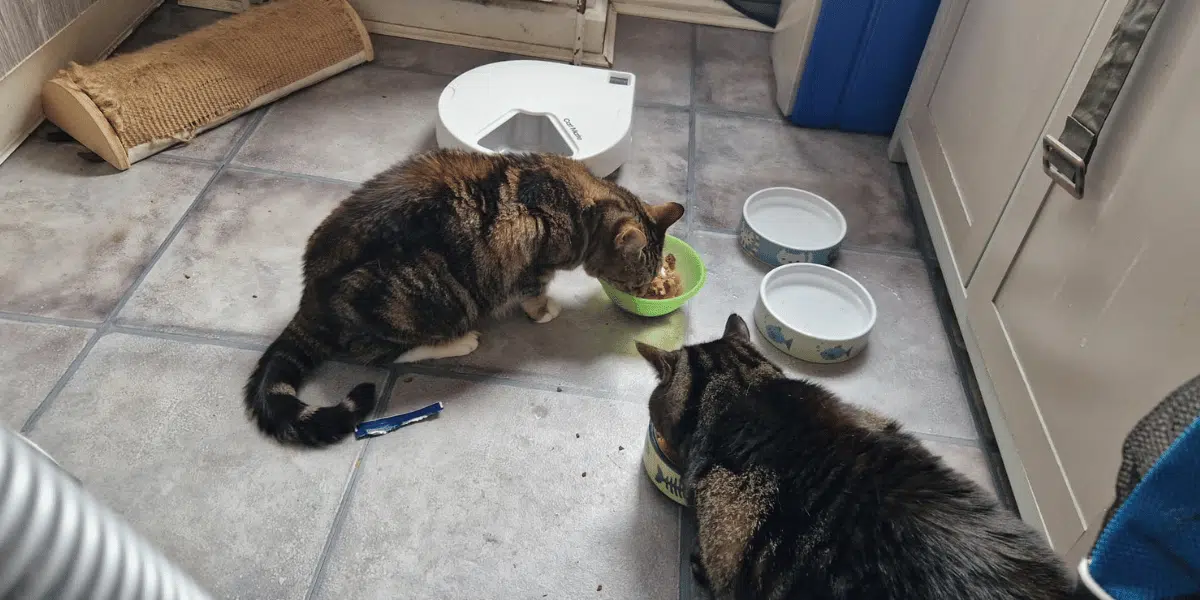
First 24 hours with a pet sitter: what actually happens
The first 24 hours are often the part that owners worry about most.
You’ve handed over the keys, written the notes, checked the food, and probably gone through the routine one more time before leaving. Then, once you’re on your way, the worry starts.
That is completely normal.
In my experience, the first day with a pet sitter is not about everything being perfect. It is about keeping things calm, familiar and predictable so your dog, cat or small animal can settle at their own pace.
If you are using the House Sitting Service or the Stay-at-Home Pet Care, the biggest benefit is that your pet stays in their own home. That gives them familiar smells, resting places and routines, which can make the first 24 hours much easier.
What happens when the pet sitter first arrives?
When I arrive for a house sit or pet visit, I keep things quiet.
I do not rush in, make a fuss, or try to win the pet over straight away. Some dogs are pleased to see me. Some are unsure. Cats may disappear upstairs or watch from a distance. Small animals often need very little interference beyond calm, careful care.
The first job is simple: keep everything as normal as possible.
That usually means following the routine you have already shown me. Feeding stays the same. Walks stay familiar. Resting places are left as they are. I watch how your pet responds and adjust gently, rather than pushing them into interaction before they are ready.
The first few hours are about calm, not excitement
Many owners worry that their pet will be upset all day. Some pets do notice the change, especially if they are sensitive, elderly, newly rescued or very attached to their usual routine.
But most settle more quickly than people expect once they realise the basics are still in place.
They are still being fed. They can still rest in their usual spot. The house still smells like home. Their walk, litter tray, garden break or evening routine still happens.
For nervous dogs, this calm start matters. If your dog finds change difficult, you may also find my Rescue Dog Support Page helpful.
The first walk with a pet sitter
The first walk is not the time for a big adventure.
I usually keep the first walk simple, quiet and familiar. If your dog is used to a short local route, that is what I follow. If they need space from other dogs, I avoid busy areas. If they are more settled walking around quieter parts of Finchley, North Finchley or East Finchley, I take that into account.
For dogs who can be reactive, worried or easily overwhelmed, less is often better on day one.
A calm walk, done well, is more useful than a long walk that adds stress.
This is also where the Solo Dog Walks Page can make a real difference. Your dog does not have to cope with unfamiliar dogs, group pressure or a change in handling style.
What cats often do in the first 24 hours
Cats are often more subtle than dogs.
Some will come straight over. Others will hide, watch, or only appear once the house is quiet again. That does not always mean something is wrong. It can simply be their way of checking the change from a safe distance.
With cat sitting, I do not force contact. I make sure food, water, litter trays and medication are managed properly, then give them room to choose whether they want interaction.
You can read more about this in my Cat Sitting Service Page and the Cat Care Advice Hub.
The first evening is usually when pets begin to settle
By the evening, many pets have started to understand that the routine is continuing.
Dogs often relax after their evening walk and meal. Cats may come out once things are quieter. Small animals usually benefit from the same feeding and cleaning routine they are used to.
I keep the evening low-key. No unnecessary changes. No new rules. No extra visitors. Just a calm home environment that feels as close to normal as possible.
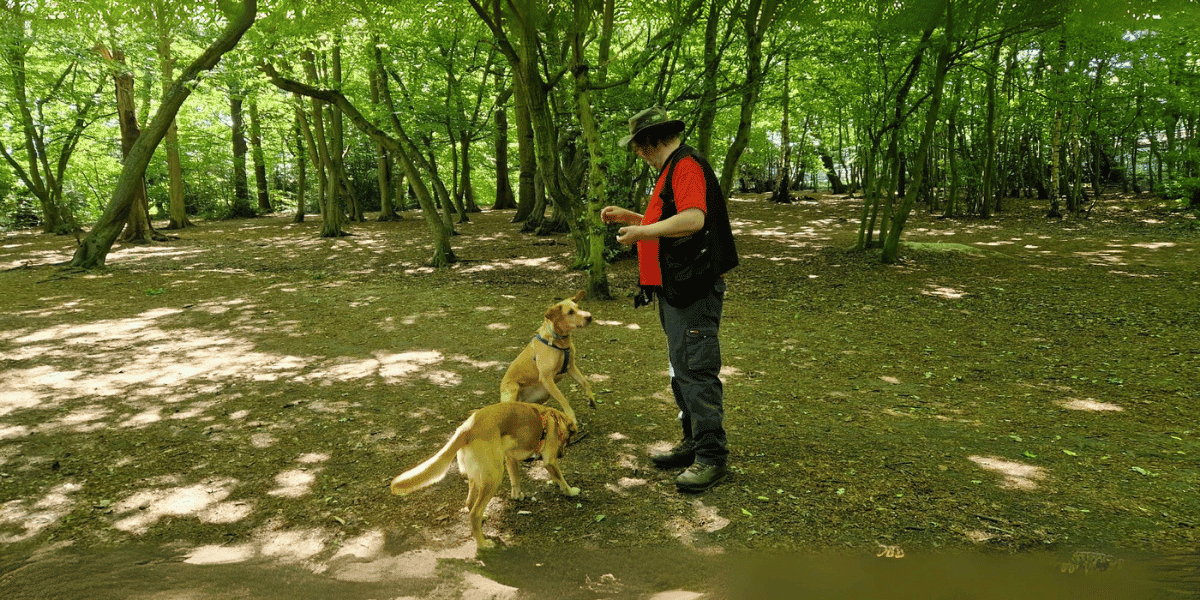
Sleeping arrangements with a pet sitter
One of the most useful things you can tell your sitter is where your pet normally sleeps.
If your dog sleeps downstairs, I keep that the same. If your cat has favourite resting places, I leave those undisturbed. If your pet is used to having someone nearby overnight, that should be discussed before the sit begins.
Suddenly changing sleeping arrangements can unsettle some pets, so I prefer to keep things familiar unless there is a clear reason not to.
How much communication should you expect?
Good communication helps owners relax, too.
During the first 24 hours, I usually send an update after arrival or the first visit, then another once your pet has had food, had a walk, or has settled properly.
Most owners do not need constant messages. They just want to know their pet is safe, settled and being cared for properly.
It helps to agree on this before you leave. Some people like one update a day. Others prefer a morning and evening message. The best approach is the one that reassures you without disrupting the care routine.
What I focus on most in the first 24 hours
In the first 24 hours, I focus on three things:
- keeping routines familiar
- watching your pet’s behaviour carefully
- avoiding unnecessary pressure
Some pets want company quickly. Others need space. Some dogs settle after a walk. Others need quiet time first. The sitter’s job is to notice those details and respond calmly.
This is especially important for rescue dogs, anxious dogs and pets who have not been left with someone new before.
A simple checklist before your pet sitter arrives
Before your sitter arrives, it helps to have the basics ready.
- Write down feeding times and portion sizes clearly
- Leave leads, harnesses, coats and towels in one place
- Share any behaviour triggers or worries
- Explain what is normal for your pet
- Leave medication instructions clearly labelled
- Make sure emergency contact details are easy to find
- Keep favourite beds, blankets and toys where they usually are
If you are going away for longer, my [internal link: Dog Staycation Packing List] may also help you prepare without overthinking it.
What I avoid during the first day
There are some things I avoid during the first 24 hours because they can make pets feel less settled.
- I do not introduce unnecessary new routines
- I do not push nervous pets into contact
- I do not take dogs to busy places unless that is already normal for them
- I do not invite other dogs into the situation
- I do not change sleeping areas unless we have agreed it first
It can be tempting to do too much to prove everything is going well. In reality, calm, ordinary care usually helps the most.
When the first 24 hours may need extra care
Some pets need a more careful plan.
This may include newly rescued dogs, elderly pets, puppies, animals on medication, cats who hide from strangers, or dogs who are reactive on walks.
In these cases, the first 24 hours should be planned in more detail. That might mean shorter walks, more written notes, a meet-and-greet beforehand, or extra care with feeding, toileting, and rest.
If your dog is nervous or reactive, it is worth reading my guide to Reactive Dog Walking Kit and my Rescue Dog Help in Finchley Hub
Are the first 24 hours harder for dogs or owners?
Often, it is harder for the owner.
That does not mean pets do not notice you are gone. They do. But many cope well when their home, routine and care stay steady.
Owners usually feel better once they receive that first calm update. A photo of your dog resting, your cat eating normally, or your rabbit settled in their usual space can make a big difference.
This is why I think communication is part of good pet care, not an extra.
Related guides
- Dog and cat care guides
- House sitting
- Stay at home pet care
- Dog staycation packing list
- Cat sitting
FAQs about the first 24 hours with a pet sitter
How long does it take a dog to settle with a pet sitter?
Many dogs begin to settle within a few hours, especially once they have had a walk, food and some quiet time. Nervous, rescue or elderly dogs may take longer, which is normal.
Will my cat hide from the pet sitter?
Some cats do hide at first. This does not always mean they are unhappy. Many cats prefer to watch from a safe place before deciding whether to come out.
Should my pet meet the sitter before I go away?
Yes, where possible. A meet and greet helps your pet recognise the sitter and gives you a chance to explain routines, behaviour and any concerns.
How many updates should a pet sitter send?
This should be agreed before the sit starts. Many owners prefer one or two updates a day, often with a photo and a short note about food, walks and how their pet is settling.
What should I leave for a pet sitter?
Leave clear feeding instructions, medication details, walking equipment, emergency contacts, vet details, keys, cleaning supplies and anything your pet uses daily.
Is house sitting better than boarding?
For many pets, staying at home is less stressful than going somewhere new. This can be especially helpful for cats, nervous dogs, older pets and animals who rely heavily on routine.
Final thoughts
The first 24 hours with a pet sitter are not about doing anything dramatic.
They are about steady care, familiar routines and giving your pet time to adjust without pressure.
If you are planning time away and would prefer your dog, cat or small animal to stay in their own home, my House Sitting Service Page and Stay-at-Home Pet Care Page services may be a good fit.
I offer calm, practical care across Finchley and nearby areas, with a particular focus on pets who need patience, routine and a quieter approach.
Updated April 2026.