Updated: November 2026
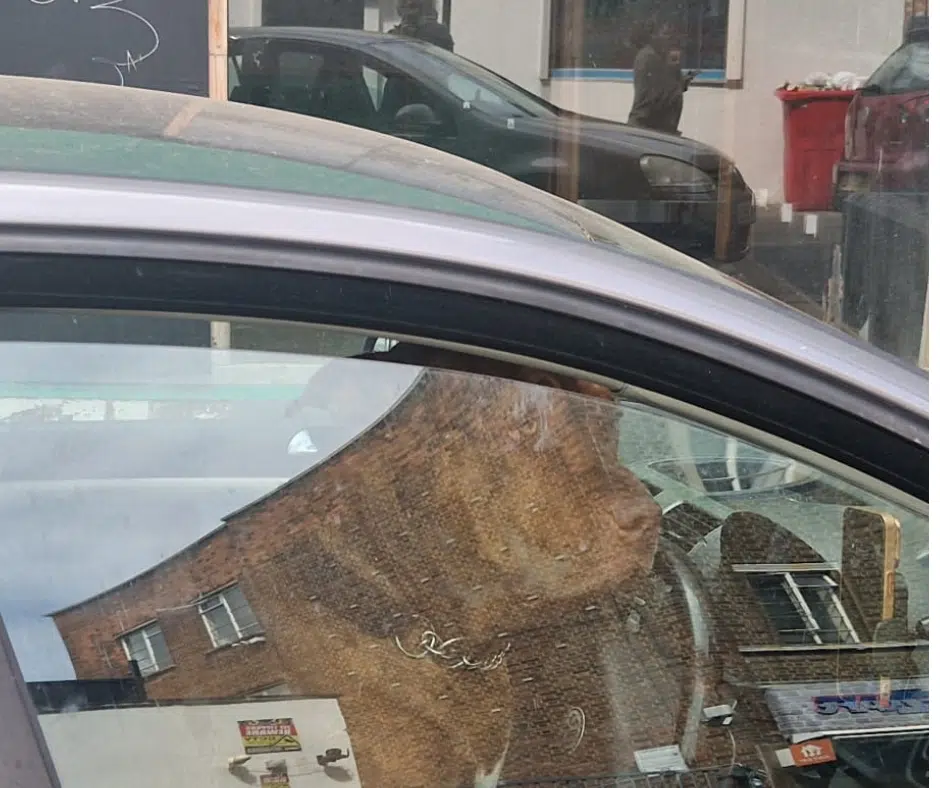
You see a dog alone in a parked car on a warm day.
They are panting heavily.
Perhaps they are drooling, struggling to breathe or becoming weak.
Your instinct may be to smash the window and get them out.
But are you legally allowed to?
The quick answer
There is no automatic legal right to break somebody else’s car window because a dog is inside.
If the dog appears to be in immediate danger, call 999 and ask for the police.
Explain exactly what you can see and follow their advice.
Breaking a window may amount to criminal damage. Depending on the circumstances, the law may provide a defence if you genuinely believed the vehicle owner would have consented to the damage had they known what was happening.
But that does not mean breaking a window is automatically lawful.
You could still be questioned and you may have to justify what you did.
If the dog is not showing signs of immediate distress, stay with the vehicle, try to locate the owner and seek non-emergency police advice where appropriate.
This article applies to England and Wales and provides general information, not legal advice.
Table of contents
- The quick answer
- First: is the dog actually in immediate danger?
- What should I do if I find a dog in a hot car?
- Should I call the RSPCA or the police?
- Can the police break into the car?
- So can I smash the window myself?
- What does the Criminal Damage Act 1971 actually say?
- Should I collect evidence?
- Should I try to trigger the car alarm?
- Should I try to break the smallest window?
- What if the police cannot arrive quickly enough?
- What should I do once the dog is out?
- Does the dog still need a vet if they seem better?
- How hot does a parked car get?
- What if the owner says they were only gone for five minutes?
- What if the windows are open?
- What if the air conditioning is running?
- What about dogs left in vans, caravans or other vehicles?
- Please don’t rely on viral Facebook legal advice
- Frequently asked questions
- The safest answer is police first
- Related guides
First: is the dog actually in immediate danger?
Look at the dog rather than just the weather app.
Signs of serious heat-related distress can include:
- heavy or continuous panting
- difficulty breathing
- excessive drooling
- weakness
- unusual sleepiness or lethargy
- confusion
- poor coordination
- vomiting or diarrhoea
- collapse
- seizures
- loss of consciousness
Do not wait for a dog to collapse before taking serious signs seriously.
If the dog is showing signs of heatstroke or appears to be in immediate danger:
Call 999.
The RSPCA specifically advises calling the police rather than the RSPCA first when a dog is in distress inside a hot vehicle because the police have the relevant emergency powers of entry.
My Dogs in Hot Cars: Why Even Minutes Are Dangerous guide explains the wider heat risk and prevention side of this issue.
What should I do if I find a dog in a hot car?
The right response depends on how urgent the situation is.
If the dog is showing serious distress
Call 999 immediately and ask for the police.
Tell the call handler:
- your exact location
- the vehicle registration
- the make and colour of the vehicle
- what the dog is doing
- the signs of distress you can see
- how long you have been there, if you know
- whether you can see the owner nearby
Stay with the vehicle unless the police tell you otherwise.
If someone else is present, one person can remain with the dog while another looks for the owner.
Do not spend several minutes searching shops for the owner while a dog is collapsing in the car.
The emergency comes first.
If the dog does not appear to be in immediate distress
Do not simply walk away.
You can:
- note the vehicle registration
- note the time and location
- check whether there is a pay-and-display ticket that might indicate how long the car has been there
- ask nearby shops, cafés, venues or event organisers to make an announcement
- stay and continue watching the dog
- ask another person to remain with the vehicle if you need to find the owner
- Contact the police on 101 for non-emergency advice where appropriate
Remember that a quiet dog is not necessarily a comfortable dog.
They may be sleeping.
They may also be becoming lethargic.
Continue watching for any deterioration.
If you believe the dog is in immediate danger, call 999.
Should I call the RSPCA or the police?
For a dog in immediate danger inside a hot vehicle, call 999 and ask for the police.
The RSPCA can provide animal-welfare advice, but it does not have the same emergency powers of entry as the police.
That distinction matters.
Calling several different organisations before calling the police can waste valuable time.
In an emergency:
Police first.
Can the police break into the car?
Police may decide that entry into the vehicle is necessary.
They may attend themselves or advise you what to do based on the circumstances.
That is another reason I would always involve the police before deciding for myself that a window needs breaking.
You want the emergency call recorded.
You want the police to understand what you are seeing.
And, where possible, you want to follow their instructions.
So can I smash the window myself?
This is the part where social-media posts often become far too confident.
You sometimes see advice along the lines of:
“Take a photo and then you’re legally allowed to smash the window.”
That is not how the law works.
Breaking somebody else’s car window can amount to criminal damage.
There are circumstances where the law may provide a lawful excuse.
But there is no simple checklist that automatically gives you permission.
Current Ask the Police guidance on dogs in hot vehicles says that forcing entry should not be your immediate response.
You should contact the police first.
If the situation becomes critical and police cannot reach the dog quickly enough, you may then have to make a decision based on the circumstances in front of you.
If you believe you may have to force entry, tell the police what you are considering and why.
What does the Criminal Damage Act 1971 actually say?
Section 1 of the Criminal Damage Act 1971 makes it an offence to intentionally or recklessly damage property belonging to another person without lawful excuse.
Section 5 deals with circumstances that may amount to a lawful excuse.
One of those circumstances concerns genuinely believing that the person entitled to consent to the damage would have consented if they had known the circumstances.
In simple terms, you might believe:
“If the owner knew their dog was about to die from heatstroke, they would want somebody to get the dog out even if that damaged the car.”
But this is important:
That does not guarantee that your actions will automatically be considered lawful.
What you believed, why you believed it and what the actual circumstances were may all become relevant.
You could be asked to explain your decision to the police.
In some circumstances, you could have to defend that decision in court.
That is why this article does not tell you:
“Just smash the window.”
Call the police first.
Should I collect evidence?
If doing so does not delay urgent help, yes.
Current police and RSPCA guidance suggests gathering information such as:
- photographs or video showing the dog’s condition
- the vehicle registration
- the location
- the time
- names and contact details of witnesses
This may help establish what was happening and why you acted as you did.
But evidence gathering should never become a five-minute photo session while a dog is collapsing.
If it is an emergency, call 999 first.
Then gather useful information while help is being arranged.
Should I try to trigger the car alarm?
The old version of this article suggested rocking the car to trigger its alarm.
I no longer recommend that.
You do not know how the vehicle alarm works, whether touching the vehicle may create another problem or whether it will achieve anything useful.
If the dog is in danger, call the police.
If the situation is not yet an emergency, concentrate on finding the owner and monitoring the dog.
There is no need to invent additional steps.
Should I try to break the smallest window?
Again, the old version of this article advised which window to break.
I have removed that advice.
This is not a guide to breaking into vehicles.
Broken glass creates risks to you, the dog and anyone nearby.
If a situation is so serious that you believe immediate entry is necessary, tell the police exactly what is happening and follow their instructions as far as circumstances allow.
What if the police cannot arrive quickly enough?
This is the difficult situation people are really asking about.
Imagine the dog is deteriorating rapidly.
You have called 999.
You have explained the situation.
The owner cannot be found.
And the dog appears to be in immediate danger of serious harm or death.
At that point, the circumstances may force you to decide.
Current police guidance recognises that someone may decide to force entry when the situation becomes critical.
But it also makes clear that you need to be prepared to justify what you did.
Tell the police what you intend to do and why.
Where possible, document the dog’s condition and have witnesses.
I cannot tell you from a website that breaking a particular window in a particular situation will definitely be lawful.
Nobody reading an article later can see exactly what you are seeing at that moment.
What should I do once the dog is out?
Getting the dog out of the vehicle is not the end of the emergency.
Heatstroke can cause serious internal damage.
Move the dog away from the hot environment and begin cooling immediately.
Current animal-welfare guidance follows the principle:
Cool first, transport second.
Use water cooler than the dog’s body temperature and create air movement where possible.
Do not wrap an overheating dog in wet towels. Covering them can trap heat.
Contact a veterinary practice urgently and tell them you suspect heatstroke.
Once cooling has begun, follow the veterinary team’s instructions about transport and further treatment.
My Dog Health and First Aid Guide has more information about recognising emergencies and knowing when home first aid needs to become veterinary care.
You can also read Why Heat Is Dangerous for Dogs: Signs of Heatstroke and How to Keep Your Dog Safe for more detailed heatstroke guidance.
Does the dog still need a vet if they seem better?
Yes, unless a veterinary professional tells you otherwise.
A dog cooling down or becoming more alert does not necessarily mean the danger has passed.
Heatstroke can cause internal problems that are not immediately obvious.
Call a vet.
Tell them what happened.
Let them decide what the dog needs.
How hot does a parked car get?
You do not need an exact temperature reading before treating an obviously distressed dog seriously.
Cars can heat up quickly even when the outside temperature does not feel extreme.
Opening a window slightly is not enough.
Parking in shade is not a guarantee.
Shade can move.
Air conditioning can fail.
The RSPCA warns that when the outside temperature is around 22°C, the inside of a car can reach approximately 47°C within an hour.
The simplest prevention advice remains:
Do not leave a dog unattended in a parked car on a warm day.
My Summer Dog Safety Guide covers hot cars, hot pavements, walks, heatstroke and other warm-weather risks in more detail.
What if the owner says they were only gone for five minutes?
The important question is not what the owner intended.
It is what was happening to the dog.
Five minutes can become longer.
Queues happen.
Conversations take longer than expected.
Cars heat up.
Dogs also cope with heat differently.
An older dog, a flat-faced dog, an overweight dog or a dog with health problems may struggle sooner than another dog.
Do not try to calculate whether somebody’s planned shopping time made the situation acceptable.
Look at the dog.
What if the windows are open?
Partly open windows do not make a hot parked car safe.
Neither does parking in the shade.
If the dog is showing signs of serious heat-related distress, call 999.
What if the air conditioning is running?
Do not automatically assume the dog is safe.
Air conditioning can fail.
The vehicle may stop running.
You cannot necessarily tell from outside whether the temperature is comfortable.
If the dog appears genuinely distressed, assess the dog rather than relying on assumptions about the vehicle.
What about dogs left in vans, caravans or other vehicles?
The same basic principle applies.
Any enclosed vehicle or poorly ventilated space can become dangerously hot.
Do not focus exclusively on cars.
Dogs can also overheat in:
- vans
- caravans
- conservatories
- sheds
- poorly ventilated rooms
Heatstroke can also happen during exercise.
My How Hot Is Too Hot to Walk Your Dog? guide looks at exercise, individual dogs and why there is no single safe temperature that applies to everyone.
Please don’t rely on viral Facebook legal advice
Every summer I see variations of the same post.
It usually says:
“Take a photo.”
“Take a screenshot of the temperature.”
“Smash the window.”
“The police say you’re legally protected.”
That is far too simplistic.
A photograph does not automatically give you permission to damage somebody else’s vehicle.
A weather-app screenshot does not create a legal defence.
And copying a Facebook post does not replace speaking to the police.
The better advice is much less dramatic.
If a dog is in immediate danger:
Call 999.
Explain exactly what is happening.
Stay with the dog.
Follow police advice.
And if circumstances become critical before help arrives, make sure the police know what you are considering and why.
Frequently asked questions
Is it legal to break a car window to save a dog?
There is no automatic right to break a car window because a dog is inside.
Breaking the window could amount to criminal damage.
Depending on the circumstances, Section 5 of the Criminal Damage Act 1971 may provide a lawful excuse, but you may still have to justify your actions.
Call the police first.
Should I call 999 for a dog in a hot car?
If the dog is showing signs of heatstroke or appears to be in immediate danger, call 999 and ask for the police.
What if the dog looks okay?
Stay with the vehicle and continue monitoring the dog.
Try to locate the owner.
You can contact the police on 101 for non-emergency advice where appropriate.
If the dog’s condition deteriorates and you believe they are in immediate danger, call 999.
Should I call the RSPCA first?
Not when a dog is in immediate danger inside a hot vehicle.
The RSPCA advises calling the police because it does not have the same emergency powers of entry.
Can I break the window if the police tell me to?
Follow the instructions you are given by the police based on the circumstances.
Keep a record of the call where possible and stay at the scene.
Does taking photos make it legal to break the window?
No.
Photographs and witness details may help document what was happening.
They do not automatically give you permission to damage the vehicle.
What should I do after getting an overheated dog out?
Move the dog into a cooler environment and start cooling immediately.
Use water cooler than the dog and airflow where possible.
Contact a vet urgently.
Do not wrap an overheating dog in wet towels.
Should the dog still see a vet if they recover quickly?
Yes, unless a veterinary professional tells you otherwise.
Heatstroke can cause serious problems even after a dog appears to improve.
The safest answer is police first
Nobody wants to stand beside a hot car watching a dog struggle.
I understand why the instinct is:
“Just smash the window.”
But this is one of those situations where acting quickly and acting carefully need to happen together.
If the dog is in immediate danger:
Call 999.
Explain what you can see.
Stay with the dog.
Follow the police’s instructions.
If the situation becomes critical before help arrives, tell the police what you believe needs to happen and why.
Do not rely on a viral Facebook graphic telling you that breaking the window is automatically legal.
And once the dog is out, remember that the emergency is not necessarily over.
Start cooling and contact a vet.
Related guides
Dogs in Hot Cars: Why Even Minutes Are Dangerous
Summer Dog Safety Guide: Hot Weather, Walks and Heatstroke
Why Heat Is Dangerous for Dogs: Signs of Heatstroke and How to Keep Your Dog Safe
How Hot Is Too Hot to Walk Your Dog?
Legal disclaimer
This article provides general information about the position in England and Wales.
It is not legal advice and cannot tell you whether damaging a vehicle would be lawful in a particular incident.
The legality of any action depends on the circumstances.
If a dog is in immediate danger inside a hot vehicle, contact the police on 999 and explain the emergency.
Veterinary disclaimer
I am a professional dog walker with canine first-aid training, not a veterinary surgeon.
Suspected heatstroke is an emergency.
Begin appropriate cooling promptly and contact a veterinary professional.
First published: 20 June 2025
Substantially updated: 22 November 2026