A Practical Guide for Dog Owners
Estimated reading time: 0 minutes
Updated April 2026
Bringing a dog into your home changes more than most people expect.
It’s not just about having the right equipment. It’s about creating an environment where your dog can settle, feel safe, and understand what’s expected of them.
I often see new owners focus on toys, beds, and accessories, but overlook the setup of the home itself. That’s usually where problems start.
This guide will walk you through how to properly prepare your home, based on what actually works in real life.
What a pet-friendly home really means
A pet-friendly home isn’t about turning your house upside down or buying lots of new things.
It’s about making your space predictable and safe, so your dog doesn’t have to guess what’s allowed.
That usually comes down to three things:
- clear boundaries
- a consistent setup
- removing obvious risks
Once those are in place, most dogs settle much faster.
Start with a calm, safe space.
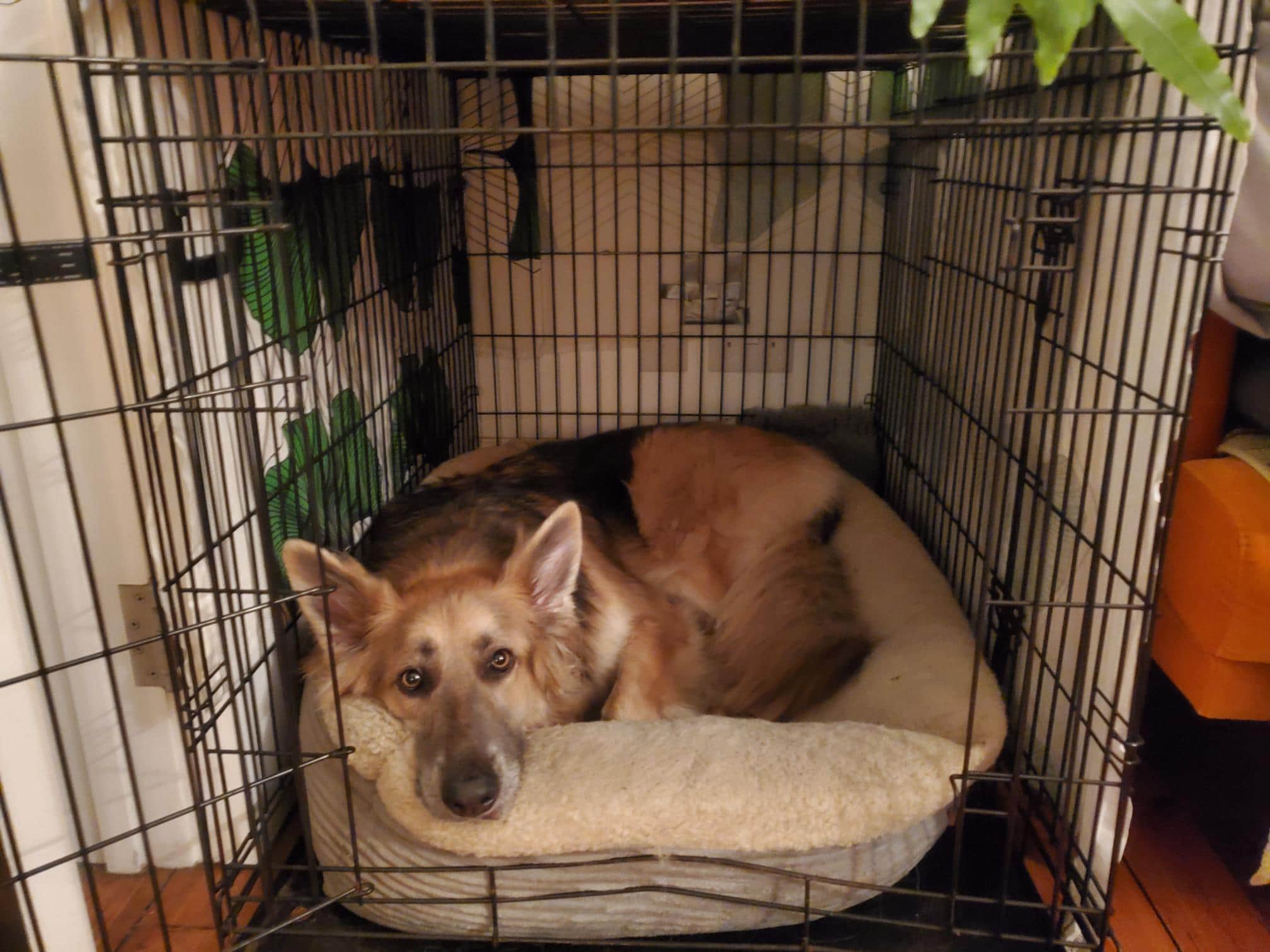
One of the most helpful things you can do is give your dog a place to switch off.
This might be a bed in a quiet corner, away from constant foot traffic, noise, and activity.
Dogs, especially puppies and rescues, need somewhere they can retreat to without being disturbed. Without that, they tend to follow you constantly, struggle to settle, and become overtired.
I often suggest keeping this space simple. A comfortable bed, maybe a blanket, and not much else. It doesn’t need to be complicated.
If you’re still preparing for a new dog, this fits alongside the early steps in my first-time dog owner guide, where I talk through what to set up before they arrive.
Common hazards to deal with early
This is where the older “pet proofing” advice still matters, but it’s best treated as one part of the bigger picture.
You don’t need to make your home perfect. You just need to remove the obvious risks.
Things I regularly see causing problems:
- food left within reach
- bins that can be opened or knocked over
- loose cables
- cleaning products stored low down
- small objects that can be swallowed
- access to toilets or bathrooms
It’s worth doing a quick walk-through at your dog’s level. If it looks interesting to them, it probably will be.
For more detailed safety advice, the RSPCA has a good overview of common household risks for pets.
Setting up the basics properly
Once the environment is safe, the next step is getting the basics right.
You don’t need a lot, but what you do have should be practical and easy to use.
Focus on:
- a comfortable sleeping area
- a consistent feeding spot
- water that is always accessible
- a lead and harness kept in one place
- a few safe chew options
Keeping these things in the same place helps your dog understand the routine more quickly.
If you’re unsure what to get, I cover the essentials in more detail in my puppy preparation and walking guides.
Creating a routine-friendly environment
Your home setup should support your routine, not work against it.
For example:
- feeding happens in the same place
- rest happens in a quiet area
- lead and harness are easy to access near the door
- there is a clear path for toilet breaks
Small details like this make a big difference.
When things are consistent, dogs settle faster, and behaviour issues are less likely to arise.
Indoor vs outdoor space
Not everyone has a garden, and that’s fine.
A secure outdoor space can be helpful, but it’s not essential. What matters more is how you use the space you do have.
If you have a garden:
- check fencing and access points
- remove anything unsafe or chewable
- avoid leaving dogs unsupervised early on
If you don’t:
- focus on regular, calm outings
- keep indoor space structured
- avoid relying on constant stimulation
I work with plenty of dogs in flats around Finchley, and they do just as well when routine and structure are in place.
What I would focus on first
If you’re preparing your home now, I’d keep it simple.
Focus on:
- a quiet sleeping area
- removing obvious hazards
- setting up feeding and water
- deciding where key things live (lead, food, bed)
You can adjust everything else later.
Trying to do too much at once usually makes things more confusing, not less.
Common mistakes to avoid
The most common issue I see is overcomplicating things.
Buying too much, constantly rearranging things, or trying to create the “perfect” setup often makes it harder for the dog to settle.
Other common problems:
- no clear resting space
- inconsistent feeding or sleeping areas
- too much access to the whole house too soon
- leaving hazards in place “just for now”
Simple and consistent always works better.
Related guides
- First-time dog owner guide
- Top Tips for walking your Puppy
- Puppy visits and early support
- Creating a dog-safe garden
- Dog & Cat Care Guides
FAQ
Do I need to pet-proof my whole house?
No. Focus on the areas your dog will use first, then expand gradually.
Where should my dog sleep?
Somewhere quiet and consistent. Avoid high-traffic areas if possible.
Can dogs settle in flats?
Yes. Routine and structure matter more than space.
How long does it take for a dog to feel settled at home?
A few days for initial settling, a few weeks for full adjustment.
Should I let my dog have access to the whole house straight away?
It’s usually better to start with a smaller, controlled space and expand gradually.
If you’re based in Finchley, North Finchley or nearby and you’re preparing for a new dog, I offer puppy visits and early support to help you get things set up properly from the start.
A calm setup early on makes everything else easier.
Other resources
I am part of a great Blog Circle, so find out what Gemma has to say about What Make’a“a Life Worth Livi’g” for a Pet?