Most people think dog walkers use vans.
It is such a common part of the job that many owners barely question it. A van pulls up, dogs are loaded in, then driven off for a walk somewhere further away. For some walkers and for some dogs, that setup works perfectly well.
But it is not how I work.
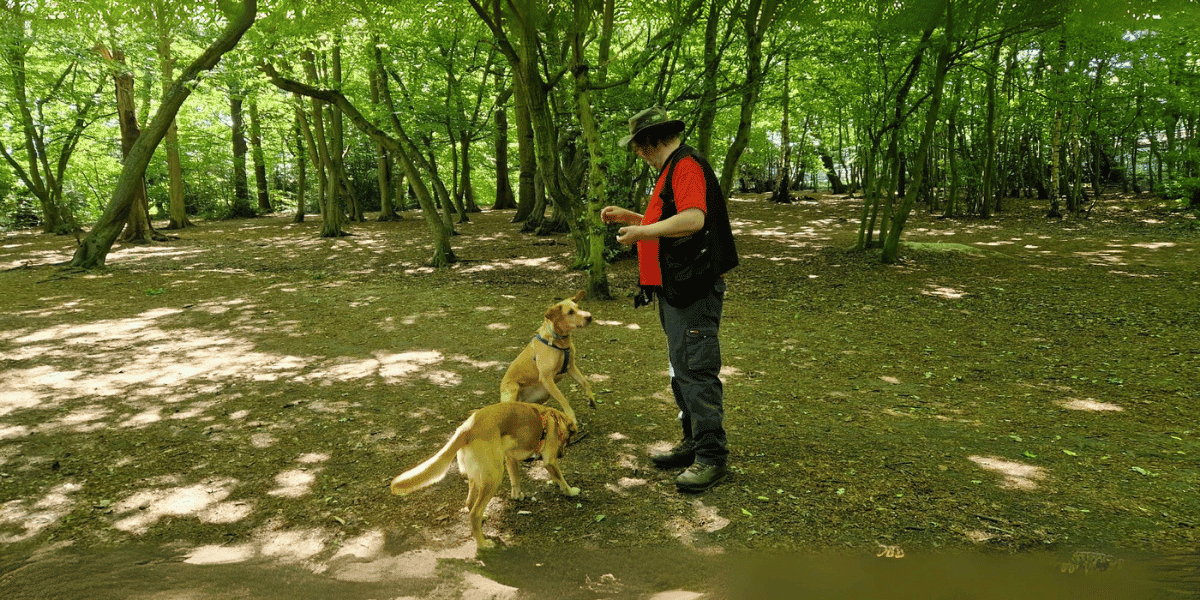
I keep my walks local. I do not transport dogs in vans. I start from your front door and walk in the neighbourhood your dog already knows.
That choice is not about trying to be different for the sake of it. It comes from the kind of dogs I work with, the way I want them to feel on a walk, and what I see in real life when dogs are given calmer, simpler routines.
Vans are common, and I understand why
Many dog-walking businesses use vans for group walks.
It helps with collection. It makes it easier to reach bigger parks. It allows a walker to cover a wider area in a shorter time. I understand the practical side of that, and I am not pretending it never works. Some confident, social dogs cope well with travelling and enjoy being out with a group.
So this is not a right-versus-wrong argument.
It is about the approach.
And it is about recognising that what suits one dog may not suit another.
My approach is local and on foot
As a dog walker in Finchley, I work in a way that keeps things simple.
I walk locally.
I keep routes familiar.
I do not load dogs into a van.
I do not build the walk-around transport.
Instead, the walk begins where your dog feels safest. Home.
That matters more than people sometimes realise.
Your dog steps out of the house, takes in familiar smells, follows familiar pavements, and settles into a routine they can understand. There is less build-up. Less waiting around. Less unpredictability.
For many dogs, that makes the whole experience easier from the start.
Less stress before the walk has even begun
Some dogs are absolutely fine getting into a vehicle.
Others are not.
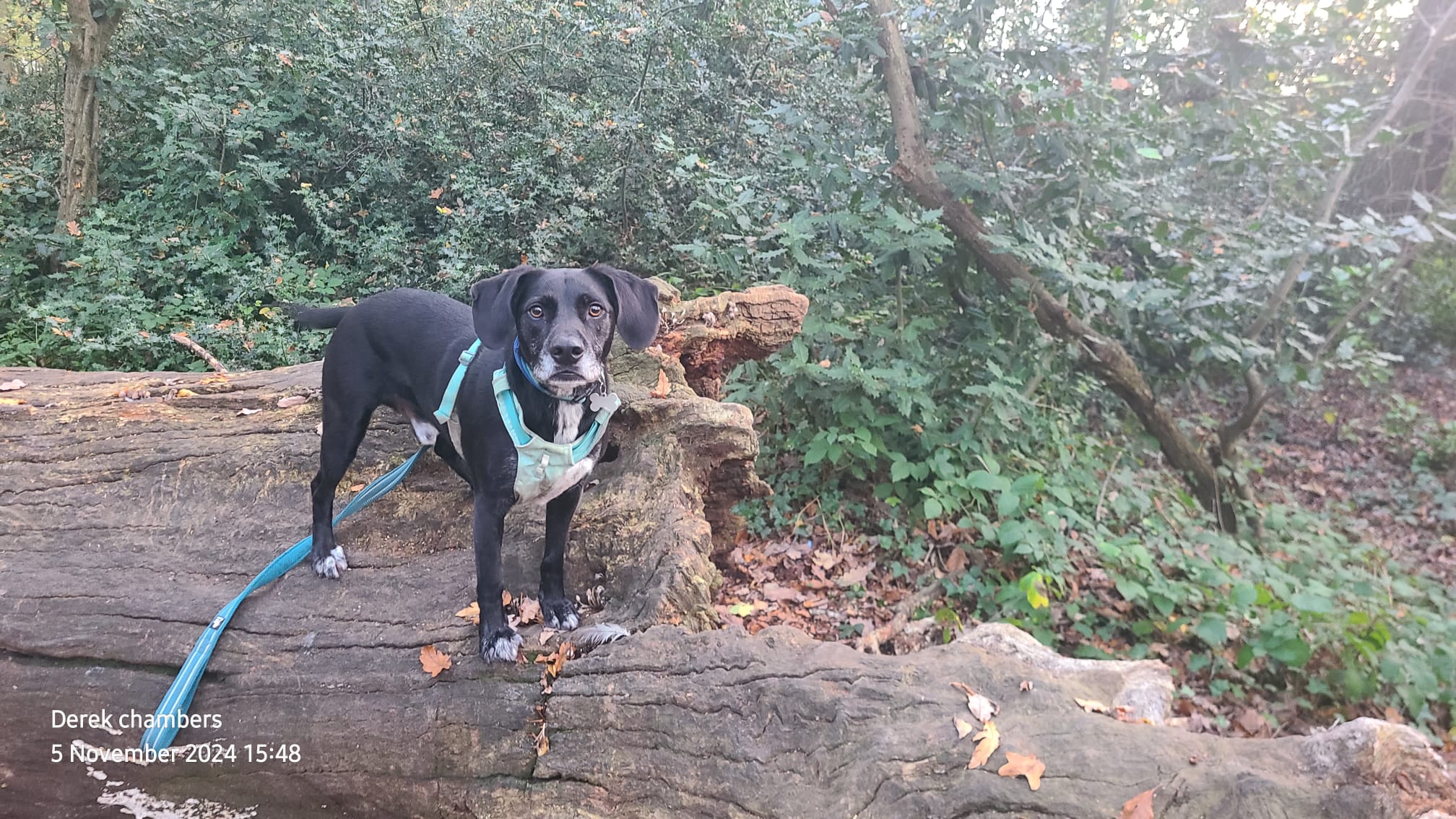
I have known dogs who become over-aroused as soon as they realise they are going somewhere. They start barking, pacing, whining, or pulling before the walk has even properly started. I have also known dogs who go the other way and seem to shut down. They become quiet, stiff, or hesitant, and you can see they are coping rather than enjoying themselves.
Transport adds another layer to the outing.
There is the noise of the vehicle. The movement. The waiting. The loading and unloading. Sometimes, the presence of other dogs in close quarters. Even when that is managed well, it can still be a lot for a sensitive, inexperienced, or easily overwhelmed dog.
When I keep walking locally, I remove that extra layer.
The dog is not being asked to cope with travel first and then go for a walk. They can just walk.
No forced group dynamics
Vans often go hand in hand with group walks.
Again, some dogs enjoy that. Some are social, robust, and happy to bounce into a busy walk with several other dogs around them.
But plenty are not.
Some dogs need more space. Some are still learning. Some are rescues settling into a new routine. Some are reactive and find complicated dog-to-dog situations hard work. Some are friendly enough but become silly, overexcited, or overaroused when things get too full-on.
That is one of the reasons I focus on one-to-one dog walks.
I would rather give a dog a calmer, more thoughtful experience than expect them to manage a setup that is harder than it needs to be. Without vans and without group pressure, I can keep the walk focused on the dog in front of me.
That means:
- less social pressure
- fewer surprises
- easier handling
- better observation
- more room for calm choices
It is a quieter way of working, but often a far more useful one.
Better for rescue dogs and sensitive dogs
Rescue dogs in particular often do best with routine and predictability.
Many have already experienced a lot of change. New home. New people. New rules. New roads. New sounds. Sometimes, a whole new life.
In those early weeks and months, I do not think they always need more stimulation. Often, they need less.
They need walks that feel steady. They need time to sniff. They need to learn their local area, not be rushed through a long chain of experiences before they even reach the field or park. They need calm handling and a chance to build confidence at their own pace.
The same goes for many reactive dogs.
If a dog already finds the world a bit much, I want the walk to reduce pressure, not add to it. Keeping things local helps me do that.
More time walking, not travelling
This is one of the most practical reasons of all.
If part of the dog’s slot is spent driving, waiting for other collections, or sitting while dogs are dropped home, that is time not spent actually walking.
I prefer the walk to be the walk.
Not transport, then waiting, then a walk, then more waiting.
Just a straightforward outing on foot, where the dog can move, sniff, explore, and settle into a rhythm. That rhythm matters. It gives me more chance to read body language, spot changes in behaviour, and adjust the route or pace depending on the dog in front of me.
For some dogs, a slow sniffy walk around familiar streets and green spaces is far more beneficial than being driven somewhere exciting and expected to cope with a lot all at once.
Familiar routes can make a real difference
I think local knowledge is underrated.
When I walk dogs in Finchley, I know which routes are quieter, which corners can be busy, which areas are better for decompression, and where a dog is likely to feel more relaxed. I can build walks around what that individual dog needs, not just where a van can reach.
That helps with calm dog walks.
It helps with dogs who need a bit more distance from others.
It helps with dogs who are building confidence.
It helps with dogs who just like routine.
And routine matters more than many people think.
Dogs often relax when life feels predictable. Same front door. Same lead-up. Same sort of route. Same calm handling. Not exactly the same every day, but familiar enough that the dog does not feel wrong-footed.
This is not a criticism of other walkers
I think that point matters.
I am not saying every dog walker who uses a van is doing things badly. I am not saying every dog hates travelling. I am not saying group walks are never appropriate.
Some dogs thrive in those setups.
But some really do not.
Owners are not always told that clearly enough. Sometimes van-based group walking gets treated as the default, when in reality it is just one model. There are other ways to do it.
For me, local one-to-one walks are the better fit for the dogs I most often help.
What suits your dog?
That is the question I would always come back to.
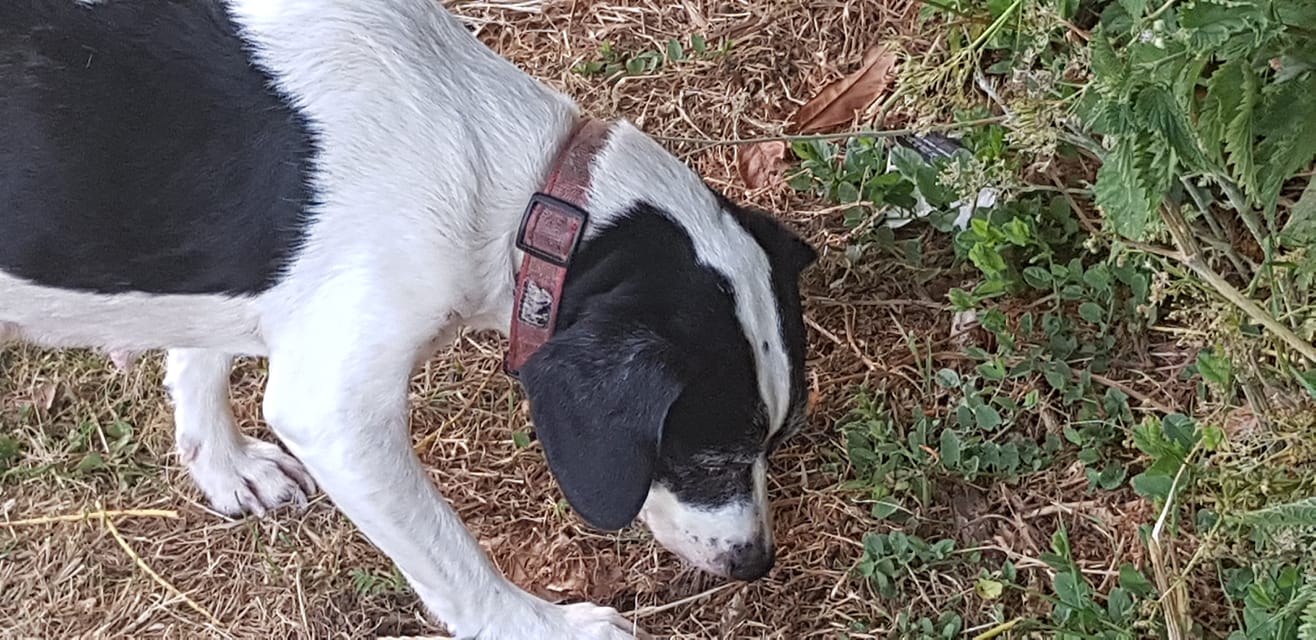
What is your dog actually like?
Are they social and resilient, or sensitive and easily overwhelmed?
Do they love novelty, or do they settle best with familiar routines?
Do they need excitement, or do they need steadiness?
Not every dog needs the same type of walk.
Some dogs are happier when things are quieter, slower, and more predictable. Some do better when the pressure comes down, and they are allowed to sniff, decompress, and move through familiar spaces without added complications.
That is why I do not use vans.
It keeps the walk centred on the dog, not the logistics.
If your dog prefers a quieter, more predictable walk, this approach can make a real difference.
If you would like to discuss any of my services, find out what area I cover or find out about my one-to-one walks, then please get in contact via WhatsApp on 07707 763344