Update May 2026
Dogs do not just need exercise, as walking alone is often not enough.
They need things to think about.
| Enrichment Type | What It Helps With |
|---|---|
| Lick mats | Calming anxious dogs |
| Snuffle mats | Encouraging natural sniffing |
| Puzzle feeders | Mental stimulation |
| Natural chews | Relaxation and boredom relief |
| Sniff walks | Reducing stress |
Many behaviour issues I see on walks stem from boredom. A dog has energy, curiosity, and instincts that are not being used properly. When those needs are ignored, they show up as pulling on walks, frustration, chewing, barking, or constant restlessness.
Enrichment is simply about giving your dog safe ways to use their brain and to engage in natural behaviours.
That might mean sniffing, searching, chewing, problem-solving, or working for food.
The good news is you do not need complicated routines or expensive gadgets. Small changes can make a big difference.
In this guide, I will share the enrichment tools I actually recommend to dog owners. These are the ones that work in real homes and on real walks.
What Is Canine Enrichment?
Canine enrichment means giving your dog activities that satisfy natural instincts.
Dogs are built to:
• sniff
• forage
• chew
• explore
• problem solve
• move their bodies
• learn through interaction
Many modern dogs do not get enough chances to do these things.
Walking helps, but they need more than just walking; mental stimulation is just as important as physical exercise.
A ten-minute enrichment activity can sometimes tire a dog out more than a long walk.
Why Enrichment Matters
In my experience walking dogs around Finchley and North London, the dogs who get regular enrichment tend to be calmer and more relaxed.
Enrichment helps with:
• reducing boredom and frustration
• lowering stress and anxiety
• building confidence in nervous dogs
• slowing down fast eaters
• improving focus during training
• helping reactive dogs settle after walks
It also makes life easier for owners. A dog who has used their brain is far more likely to relax afterwards.
Signs Your Dog Needs More Mental Stimulation
Many dogs are labelled as “naughty” when they are simply bored.
Here are a few signs your dog might need more enrichment.
• chewing furniture or household items
• constant restlessness in the house
• excessive barking
• digging in the garden
• pulling strongly on walks
• stealing food or objects
When a dog has no outlet for curiosity or energy, they often create their own entertainment.
Adding simple enrichment activities can make a noticeable difference.
Affiliate disclosure
Some links on this page are Amazon affiliate links. If you buy through them, I may earn a small commission at no extra cost to you. I only recommend products I genuinely believe are useful for dogs and their owners.
My Recommended Enrichment Tools
These are products I regularly suggest to clients. They are simple, practical, and useful for everyday dog ownership.
Lick Mats
Licking is naturally calming for dogs.
A lick mat spreads food over a textured surface so your dog has to work slowly to get every bit.
This can help calm excitable dogs or keep them busy during stressful situations, such as when visitors arrive.
Good foods to spread on lick mats include:
• plain yoghurt
• soaked kibble
• mashed banana
• dog-safe peanut butter
• wet food
Freezing the mat can make the activity last longer.
Lick mats – Amazon affiliate link
Puzzle Feeders
Puzzle feeders turn mealtime into a thinking activity.
Instead of eating from a bowl in seconds, your dog has to move parts, push blocks, or slide pieces to find food.
This encourages problem-solving and slows down eating.
Puzzle feeders are especially useful for energetic breeds or clever dogs that enjoy working things out.
Start with an easier puzzle and gradually increase the difficulty.
Recommended puzzle toy – Amazon
Snuffle Mats
A snuffle mat mimics natural foraging behaviour.
Food is hidden within fabric strips, and your dog has to use their nose to find it.
Sniffing is mentally tiring for dogs. It is also calming.
Snuffle mats work well for:
• rainy days
• dogs on restricted exercise
• dogs recovering from injury
• enrichment before you leave the house
Recommended Snuffle mat
Natural Chews
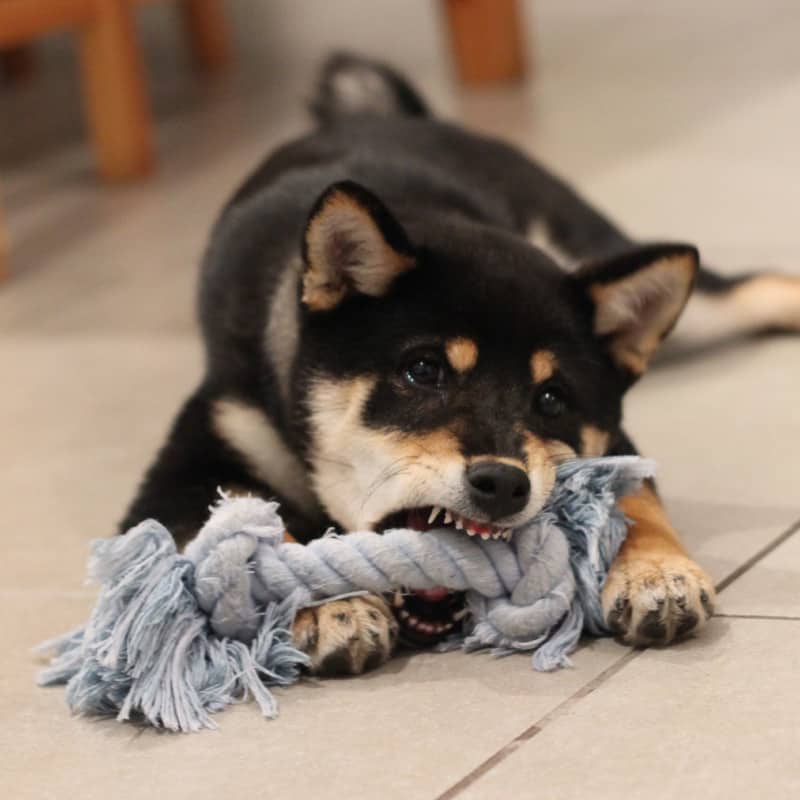
Chewing is one of the most natural behaviours dogs have.
Providing safe chews can prevent destructive behaviour and help dogs relax.
Popular options include:
• dried rabbit ears
• yak milk chews
• beef tendons
• natural skin chews
Chewing releases calming hormones and can keep a dog occupied for long periods.
Always supervise your dog when offering chews and choose products suited to their size and chewing strength.
Recommended 1kg bag of mixed natural chews (Amazon)
Training Treat Pouches
This might sound like a strange addition to an enrichment guide, but a good treat pouch changes how often owners train and interact with their dogs.
When rewards are easy to access, you naturally create more small training moments during walks.
That means more engagement and mental stimulation.
I carry one on every walk.
Long Lines for Enrichment Walks
A long line can turn a walk into an enrichment session.
It allows dogs to:
• sniff
• explore
• move naturally
• make choices
This is particularly helpful for rescue dogs or dogs still learning recall.
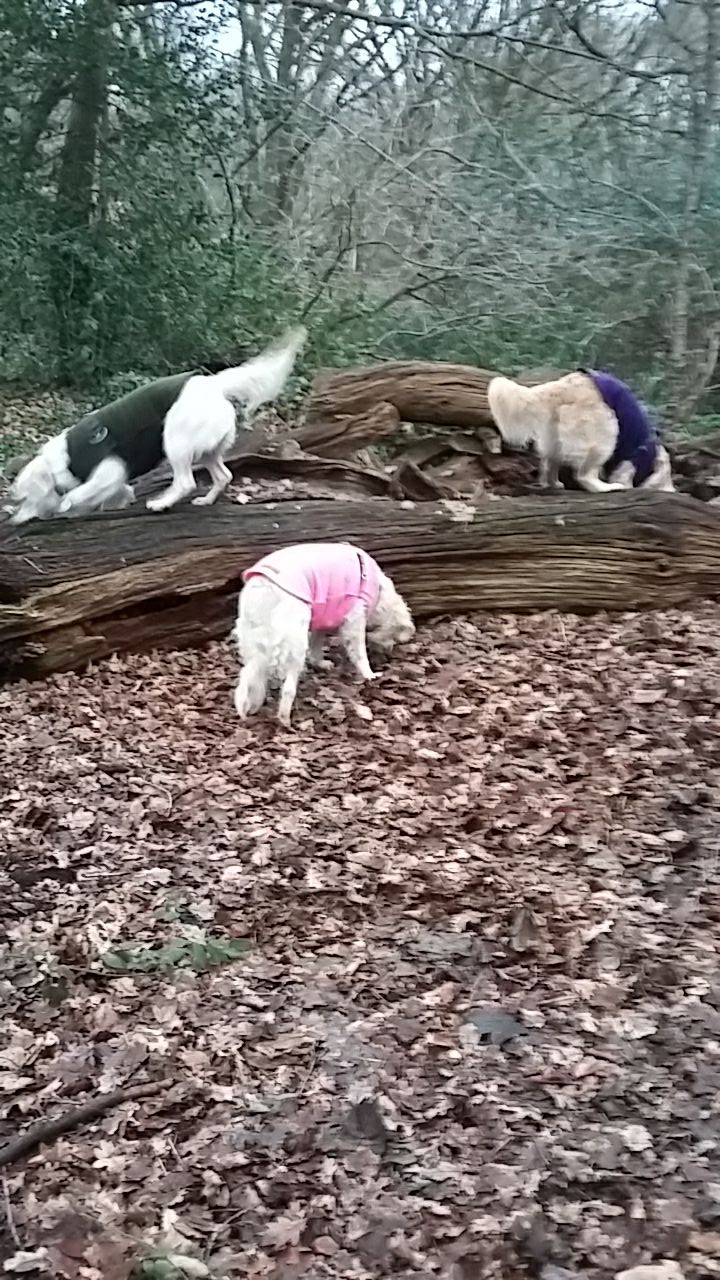
Some of the best enrichment walks I do with dogs happen on a long line through woodland areas like Coldfall Woods or Parkland Walk, where dogs can safely explore their surroundings.
Amazon affiliate link – recommended long line
Enrichment Ideas That Cost Nothing
You do not need to buy anything to enrich your dog’s life.
Here are simple things I often suggest to clients.
Scatter feeding
Throw your dog’s food into the grass or across the garden.
They must use their nose to find every piece.
Cardboard box games
Hide treats inside boxes or scrunched paper and let your dog investigate.
A scent box is really good
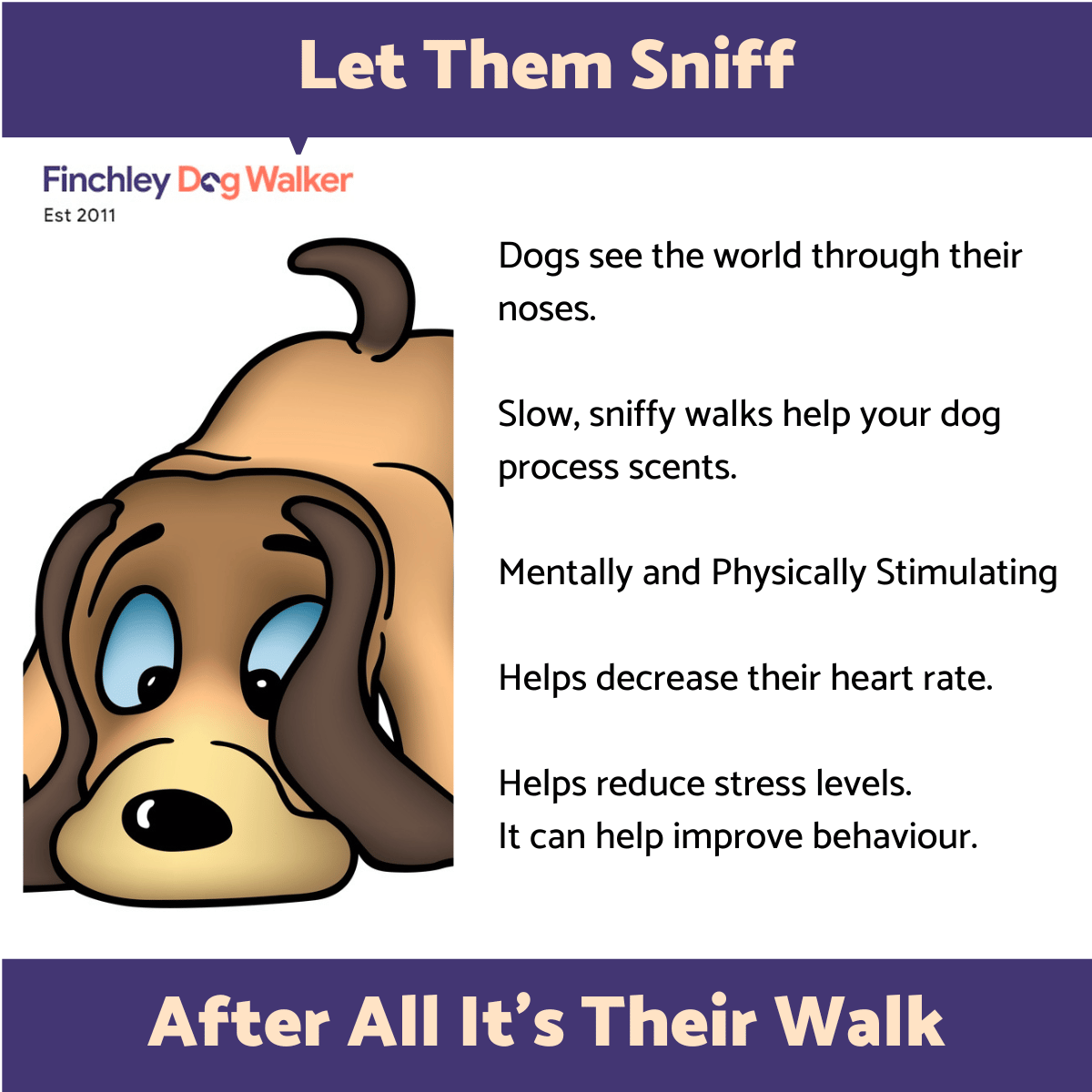
Sniff walks
Instead of focusing on distance, let your dog follow scents and explore.
Cherry Tree Wood and Highgate Woods are great for this.
Related article: sniff walks
Hide and seek
Hide treats around the room or garden, and encourage your dog to search for them.
Using Enrichment to Help Behaviour
Enrichment is especially helpful for certain types of dogs.
Rescue dogs
Many rescue dogs arrive overwhelmed or unsure of their surroundings.
Calm enrichment activities can help them settle and build confidence.
Reactive dogs
Mental stimulation and sniffing work can help release stress after a challenging walk.
High-energy breeds
Dogs bred for working roles often need mental challenges as well as physical exercise.
Without it, frustration builds quickly.
How Often Should Dogs Have Enrichment?
There is no strict rule.
But small daily activities work best.
Examples include:
• puzzle feeder at breakfast
• sniff walk in the afternoon
• chew in the evening
Even five minutes of mental activity can make a difference.
Common Enrichment Mistakes
Doing too much too quickly
Some dogs become frustrated if puzzles are too difficult.
Start simple.
Overfeeding
Remember to adjust meal portions if using food enrichment.
Using enrichment only when problems appear
It works best when it becomes part of everyday life.
Frequently Asked Questions
Sniffing activities are usually the most effective. Snuffle mats, scatter feeding, and scent games allow dogs to use their strongest natural sense.
Yes. Mental stimulation can be more tiring than physical exercise because it requires concentration and problem solving.
Puzzle feeders slow eating and encourage thinking. They can also help reduce boredom for dogs left alone during the day.
Enrichment cannot fix reactivity on its own, but it can reduce stress and provide a positive outlet for energy. Many reactive dogs benefit from sniffing activities after walks.
Even five to ten minutes can be beneficial. The goal is regular stimulation rather than long sessions.
A Small Way to Support the Site
If you found this guide helpful, you can support the site via Buy Me a Coffee.
https://buymeacoffee.com/finchleydogcare
It helps keep the website running and allows me to keep publishing free guides for local dog owners.
If you live in Finchley, East Finchley, or nearby areas of North London and need support with your dog, I offer calm one-to-one walks, enrichment-based walks, and support for rescue or sensitive dogs.
Some dogs benefit from a quieter, slower walk with plenty of sniffing and exploration rather than busy group walks.