You’ve booked your holiday, checked your passport, sorted the travel insurance and started thinking about what to pack.
But have you organised who’s looking after your pets?
It’s surprisingly easy to leave pet-care arrangements until the last minute, particularly when you’re busy organising everything else.
Unfortunately, your dog doesn’t care that you’ve found a bargain flight, and your cat is unlikely to be impressed by the hotel you’ve booked.
They still need feeding, companionship, appropriate exercise and somebody who understands their normal routine.
I’ve been providing professional dog walking and pet care around Finchley and Muswell Hill since 2011. One thing I’ve learnt is that the most successful holiday arrangements usually start well before the owner’s suitcase comes out.
Whether you have a dog, cat, rabbit or several different pets, preparing properly helps the person caring for them and reduces unnecessary disruption.
Here’s my practical holiday pet-care checklist, including what to organise before travelling and what to leave for your sitter.
Summary: Holiday pet care checklist
- Arrange suitable pet care as soon as your holiday dates are confirmed.
- Choose between boarding, house sitting and home visits according to your pet’s individual needs.
- Check references, relevant insurance, experience and any legally required boarding licence.
- Arrange a meet-and-greet before your first booking.
- Leave written instructions covering food, medication, behaviour and daily routines.
- Confirm veterinary details, emergency contacts and treatment arrangements.
- Check keys, alarms, cameras, access and security before travelling.
- Leave additional supplies and a backup plan in case your return is delayed.
- Never assume an overnight house sitter provides continuous 24-hour supervision.
1. Arrange your pet care before booking the rest of your holiday
I always recommend organising pet care as early as possible.
Christmas, Easter, summer holidays and school half-terms are particularly popular times for boarding and house sitting.
Good professional carers can become fully booked long before the holiday begins.
There is nothing wrong with making an early enquiry, even if your travel plans aren’t completely finalised.
When contacting a pet-care provider, have some basic information ready:
- Your proposed travel dates.
- Your postcode.
- The number and species of pets.
- Their ages and general health.
- Any medication or special routines.
- How long your dog can comfortably be left alone.
- Whether your pets need overnight care or daytime visits.
- Any significant behaviour or handling concerns.
Be clear about when you actually need the care to begin and finish.
If your flight leaves early in the morning or arrives late at night, your pet’s booking may need to extend beyond the dates shown on your holiday confirmation.
And remember that making an enquiry isn’t the same as having a confirmed booking.
I wouldn’t recommend paying for a non-refundable holiday on the assumption that somebody will definitely be available to look after your pets.
2. Choose the right type of holiday pet care
Not every pet needs the same arrangement.
Some dogs settle well in kennels or home boarding. Others find unfamiliar surroundings and other animals difficult.
Cats often prefer familiar territory, although individual preferences vary.
Rabbits and other small pets may also benefit from remaining in their usual environment with appropriate care.
The main options are:
Overnight house sitting
A house sitter stays in your home overnight and follows your pets’ agreed routine.
This can work particularly well for:
- Nervous or rescue dogs.
- Senior pets.
- Dogs who dislike boarding.
- Households with several different animals.
- Pets who benefit from familiar sleeping arrangements.
- Animals needing regular medication or careful monitoring, where the sitter can safely provide it.
Your pets remain in familiar surroundings, with their own beds, food and established routines.
However, house sitting doesn’t automatically mean somebody will be present every minute of the day.
Read my guide, Does a House Sitter Stay All Day?, before making arrangements.
Home boarding
Home boarding means your dog stays in somebody else’s home.
For suitable dogs, it can be a good option.
Before booking, find out whether other dogs or pets will be present, how introductions are managed, where dogs sleep and how they will be cared for.
Ask how the boarder manages emergencies, separation between dogs and normal daytime activities.
In England, commercial dog home boarding generally requires a licence from the local council.
You can check the GOV.UK boarding licence guidance.
Boarding kennels and catteries
Licensed boarding establishments can be suitable for animals who are comfortable with the environment and care provided.
Visit before booking if possible.
Ask about exercise, rest, feeding, vaccination requirements, staff experience, supervision and veterinary arrangements.
Don’t assume all kennels or catteries operate in the same way.
Pet-sitting visits
For cats and suitable small animals, scheduled home visits may be more appropriate than overnight care.
A sitter can provide food, water, litter or enclosure care, companionship and general welfare checks.
The number and duration of visits should reflect the animal’s needs.
A kitten, senior cat or pet requiring medication may need more frequent attention than a healthy adult animal with a straightforward routine.
My Cat Sitting Service in Finchley explains the options I provide locally.
For a more detailed comparison of dog-care arrangements, see What Is the Best Dog Care Option When You Go on Holiday?.
3. Check your chosen pet sitter properly
Whether you use a professional sitter, boarding provider, friend, or relative, make sure they can provide the care your animal needs.
I would ask about:
- Experience with your type of pet.
- Relevant insurance.
- References and genuine reviews.
- Any licensing requirements for their service.
- Experience with medication where necessary.
- First-aid knowledge.
- How emergencies are handled.
- What happens if the carer becomes ill.
- Whether another person might provide the care.
- How you will receive updates.
- Their availability throughout the booking.
A professional-looking website is useful, but it doesn’t replace asking sensible questions.
Does every pet sitter need a licence?
No.
In England, there is an important difference between boarding animals at a business premises or in the boarder’s home and caring for animals in their owner’s home.
Commercial dog home boarding, dog day care and boarding kennels generally fall within animal activity licensing requirements.
Someone providing house sitting in the pet owner’s own home does not require that same boarding licence simply for providing that service.
However, they should still meet relevant legal duties, maintain appropriate insurance and provide safe, competent care.
Requirements elsewhere in the UK can differ.
The GOV.UK statutory guidance on home boarding explains the distinction in England.
4. Arrange a meet-and-greet
I don’t think the first time a nervous dog meets their sitter should be the morning their owner leaves for a two-week holiday.
A meet-and-greet helps everyone get familiar with one another.
It also gives you the chance to explain your pet’s normal behaviour and daily routine.
During the meeting, talk about:
- Feeding and water.
- Walks and toilet breaks.
- Where your pet sleeps.
- How your pet responds to visitors.
- Handling preferences.
- Medication.
- Any behaviour concerns.
- Access to the house and garden.
- Veterinary and emergency arrangements.
For nervous dogs, one meeting may not be enough.
Some benefit from several short visits or practice sessions before the actual booking.
Don’t force your dog to approach or interact.
Let them become comfortable at their own pace.
My guide on Getting Your Dog Used to a Sitter explains how to prepare.
5. Write down your pet’s normal routine
This is one of the most useful things you can do before travelling.
You might know that your dog prefers breakfast after their morning walk or that your cat won’t eat unless the bowl is in a particular place.
The sitter won’t necessarily know that.
Write down the everyday details.
Feeding
Include:
- Food brand and type.
- Exact portions.
- Feeding times.
- Treats and limits.
- Allergies or dietary restrictions.
- Where food is stored.
- Any pets who must be fed separately.
- What to do if your pet refuses food.
Don’t suddenly change your pet’s diet before travelling unless your vet has advised you to.
Walks and exercise
For dogs, explain:
- Normal walk times and durations.
- Preferred routes.
- Suitable lead and harness.
- Recall and off-lead arrangements.
- Behaviour around dogs and people.
- Any mobility limitations.
- How your dog copes with hot or cold weather.
- Whether they need extra toilet opportunities.
Be particularly clear about nervous or reactive behaviour.
A sitter needs to know whether a dog is likely to freeze, bark, lunge, chase or become frightened in particular situations.
Sleeping and resting
Explain where your pet normally sleeps and where they feel comfortable resting.
Avoid making unnecessary changes while you’re away.
The aim is to keep routines familiar rather than introducing new rules.
6. Prepare medication and veterinary information
If your pet takes medication, everything needs to be agreed before the booking begins.
Leave:
- Medication in its original labelled packaging.
- Written veterinary dosing instructions.
- The correct amount for the booking, plus an appropriate reserve.
- Details of when and how it is normally administered.
- Storage requirements.
- Information about relevant health conditions.
- Instructions for what to do if a dose is missed or refused, as agreed with your vet.
Never assume every pet sitter can administer every medication.
Some tasks require particular experience, veterinary instruction or may fall outside the sitter’s agreed service.
If your pet needs injections, complicated treatment or close medical monitoring, discuss this with your veterinary practice and prospective carer well in advance.
Leave the right emergency details
Your sitter should have:
- Your regular vet’s telephone number.
- The relevant out-of-hours emergency veterinary contact.
- Your pet’s medical information.
- Insurance details where applicable.
- A local emergency contact.
- Your own contact information while abroad.
- Agreed authority and payment arrangements for emergency treatment.
A pet sitter cannot guarantee they can make every veterinary decision without contacting you.
Clear instructions help them understand what has been authorised and when they should seek professional help.
The RSPCA’s holiday pet-care guidance includes a useful checklist covering routines, feeding and emergency details.
7. Prepare your home before the sitter arrives
Good pet care also depends on straightforward access and a safe environment.
Keys and alarms
Check that the sitter can enter the property.
That may sound obvious, but keys, locks, door codes and alarms are not things you want to troubleshoot from an airport departure lounge.
Before travelling:
- Test the keys.
- Explain how the alarm works.
- Identify any difficult locks.
- Check the garden gate.
- Explain which doors must remain closed.
- Make arrangements for a securely held spare key.
- Tell the sitter whether anybody else has access.
Avoid leaving identifiable keys or security codes in insecure places.
Cameras and recording equipment
If somebody is staying in your home, tell them about all cameras and recording devices before the booking.
That includes video doorbells, indoor pet cameras and equipment that records sound.
Explain where each device is located, what it records and who can access the footage.
Privacy and trust matter.
And if you happen to hear me singing along to the radio, I accept no responsibility for the resulting need for therapy.
Other people entering the property
Tell your sitter if you expect:
- Cleaners.
- Gardeners.
- Contractors.
- Deliveries requiring access.
- Friends or relatives.
- Other pet-care providers.
Unexpected visitors can create security concerns and escape risks, particularly with nervous dogs and indoor cats.
Agree the arrangements beforehand.
My Finchley Dog Walker Welcome Pack explains the information I need before providing care.
8. Don’t forget cats, rabbits and other small pets
Dogs may be the most obvious concern when arranging holiday care, but other pets can have equally important needs.
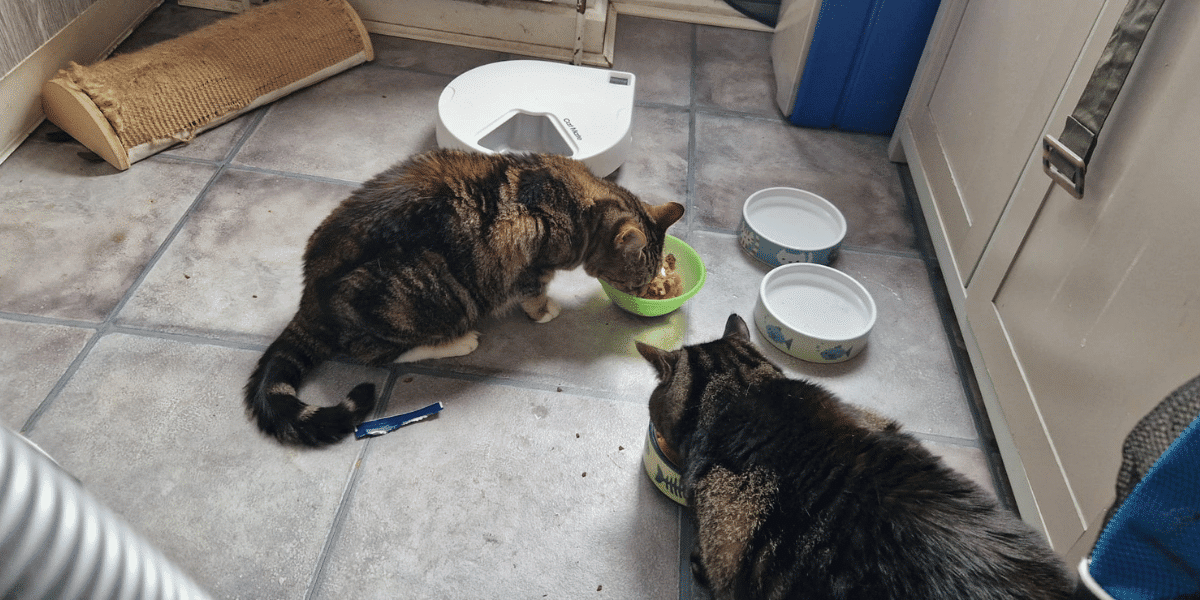
Cats
For cats, explain:
- Feeding arrangements.
- Fresh water.
- Litter-tray cleaning.
- Normal hiding places.
- Outdoor access and cat flaps.
- Medication.
- Play and companionship.
- Behavioural changes to watch for.
- Where the carrier is kept.
Automatic feeders and water fountains can be useful tools, but they are not substitutes for appropriate human care and welfare checks.
Cats Protection recommends arranging a suitable carer who can provide regular visits, with additional attention for cats with particular needs.
Read Cats Protection’s holiday guidance and my What to Leave for Your Cat Sitter checklist.
Rabbits
Rabbits need a carer who understands their normal eating, drinking and toileting behaviour.
Make sure the sitter knows:
- How much hay should be available.
- Normal food and feeding instructions.
- Water arrangements.
- How to check droppings.
- Enclosure cleaning.
- Suitable companionship and enrichment.
- Temperature and weather concerns.
- What to do if a rabbit stops eating.
A rabbit who stops eating or producing droppings requires urgent veterinary advice.
Do not assume you can leave rabbits with a large supply of food and simply check on them several days later.
My Rabbit Holiday Care Essentials covers their needs in more detail.
Guinea pigs and other small animals
Different species have different feeding, housing and health requirements.
A carer should understand the particular animal rather than assume all small pets are cared for in the same way.
I provide Small Animal Care in Finchley for suitable pets, subject to their needs and the care required.
9. Leave enough supplies for the whole booking
Your sitter shouldn’t need to guess where to buy your pet’s usual food halfway through the holiday.
I would prepare:
- Enough of the normal food.
- An appropriate reserve in case your return is delayed.
- Treats and feeding supplies.
- Medication.
- Fresh litter, bedding or hay where relevant.
- Waste bags.
- Cleaning products suitable for the household.
- Towels.
- Familiar toys and enrichment items.
- Suitable leads and harnesses.
- Carriers where needed.
- Spare batteries or other essential consumables where relevant.
Keep everything clearly organised.
You don’t need to buy a collection of new gadgets right before travelling.
Familiar, reliable equipment is often the better option.
For dogs who are staying away from home, my Dog Staycation Packing List explains what to prepare.
10. Make a plan in case your holiday is delayed
Flights get cancelled.
Trains stop running.
People become ill.
An unexpected delay can turn a seven-day holiday into nine days away.
Before leaving, discuss what happens if you cannot return when expected.
Your plan should cover:
- Who can provide additional care.
- Whether your sitter could extend the booking.
- A backup carer if they cannot.
- Spare food and medication.
- Emergency access.
- Updated travel contact information.
- How you’ll pay for additional care.
Don’t assume your sitter can automatically extend their booking.
They may have another household to care for.
A backup plan is especially important for pets with medication requirements or complex routines.
My Emergency Pet Care Plan explains how to prepare for unexpected situations.
11. Your final holiday pet-care checklist
Before you lock the front door, check the following.
| Task | Check |
|---|---|
| Pet-care booking confirmed in writing | ☐ |
| Exact start and finish dates agreed | ☐ |
| Meet-and-greet completed | ☐ |
| Daily routine written down | ☐ |
| Feeding instructions and supplies ready | ☐ |
| Medication and veterinary instructions ready | ☐ |
| Emergency contact and vet details supplied | ☐ |
| Keys and alarms tested | ☐ |
| Cameras and recording equipment disclosed | ☐ |
| Other visitors or contractors disclosed | ☐ |
| Garden, doors and escape risks discussed | ☐ |
| Suitable leads, carriers and cleaning supplies available | ☐ |
| Arrangements for updates agreed | ☐ |
| Backup plan for delayed return agreed | ☐ |
I would also send a short message when you arrive safely and confirm your expected return.
There’s no need for constant updates throughout the holiday unless you’ve agreed to them.
Good communication should be useful rather than another source of stress.
Frequently asked questions about holiday pet care
How far in advance should I book a pet sitter?
As early as practical, particularly for school holidays, Christmas and other popular travel periods. Availability varies between providers, so confirm your dates rather than assuming somebody will be free.
Is house sitting better than boarding?
Neither option is automatically better for every pet. It depends on their temperament, health, routine and the standard of care available. Some animals prefer remaining at home, while others settle well in suitable boarding facilities.
Does a house sitter stay with my dog all day?
Not necessarily. Overnight house sitting and continuous daytime care are different arrangements. Always agree how long your dog may be left alone and whether the sitter has other commitments.
Can someone visit my cat instead of staying overnight?
For some cats, yes. The number and duration of visits should reflect their age, health and behaviour. Kittens, senior cats and those with medical needs may require more frequent checks or overnight care.
What if my pet needs medication?
Tell the provider before booking. Check that they can safely carry out the agreed task and follow written veterinary instructions. Some medication or medical needs may require specialist arrangements.
Should I leave a spare key?
A secure backup access arrangement is sensible. Agree who holds the spare key and how it would be used if the primary access fails.
Is an automatic feeder enough while I’m away?
No. An automatic feeder cannot assess your pet’s health, notice injuries, clean litter trays or respond reliably to every emergency. Suitable daily human care remains essential.
What if my return is delayed?
Contact your pet sitter as soon as possible, confirm whether the booking can be extended and activate the agreed backup arrangements if needed.
Holiday pet care in Finchley and Muswell Hill
Going away should be something you can look forward to.
You shouldn’t have to spend the entire holiday worrying about whether your pets are eating, whether the house has been accessed safely or whether someone understands their routine.
I offer calm, individual pet care in Finchley, Muswell Hill and selected nearby areas.
Depending on your pets and their needs, that may include overnight house sitting, cat-sitting visits, small-animal care or other agreed home visits.
I don’t provide boarding in my own home.
My house-sitting service means I stay at your property and care for the pets we have discussed, following their normal routine as closely as possible.
Because I work independently, I can discuss the arrangements directly with you rather than passing your booking between a rotating team.
If your dog is nervous, elderly or needs particular care, please tell me about that before booking.
The aim is always to arrange care that is practical, safe and suitable.
You can read about my Pet and House Sitting Service or contact me about your holiday dates.
If you would like help organising your pet-care information before travelling, my Pet and Home Readiness Visit provides a structured review and personalised preparation checklist.
Related guides
- What Is the Best Dog Care Option When You Go on Holiday?
- Getting Your Dog Used to a Sitter
- Does a House Sitter Stay All Day?
- What to Leave for Your Cat Sitter
- Rabbit Holiday Care Essentials
- Emergency Pet Care Plan
- Finchley Dog Walker Welcome Pack
About the author
I’m Derek (Del) Chambers, owner of Finchley Dog Walker.
I’ve provided professional dog walking and in-home pet care in North London since 2011.
My work includes one-to-one dog walking, overnight house sitting, cat care and suitable small-animal visits.
I hold an Ofqual Level 3 qualification in Canine First Aid and continue to develop my knowledge of pet welfare, behaviour and practical care.
My approach is based on calm handling, familiar routines and understanding the individual animal rather than expecting every pet to fit the same arrangement.
Important information
This article provides general guidance on holiday pet-care planning. It is not a substitute for veterinary advice, professional legal advice or the specific terms of a pet-care booking.
Licensing information relates to England and should be checked against current local requirements.
Pet-care arrangements, including medication, access, supervision, emergency treatment and any household tasks, must be agreed with the provider before the booking begins.
First published: 10 April 2019
Substantially updated: 2nd Nov 2025