Is your dog turning their nose up at their dry food?
Perhaps they used to finish every meal but now leave half their kibble behind. Or maybe they have always been a little selective about what goes into their bowl.
Before spending money on yet another bag of food, try a few simple things.
One of my favourites is adding a little warm water to dry kibble. It costs nothing, softens the food and can make the smell more appealing.
But there are other things to consider, including feeding routines, treats, the type of bowl you use and whether your dog is comfortable eating.
I’ve worked with dogs around Finchley and North London since 2011, including rescue dogs, nervous dogs, puppies and older dogs. One thing I’ve learnt is that what works for one dog doesn’t necessarily work for another.
This guide looks at practical ways to make kibble more interesting without constantly changing your dog’s diet.
A sudden loss of appetite is different from a dog that has always been a selective eater. If your dog’s eating habits have changed unexpectedly, speak to your vet before treating it as fussiness.
For broader advice about choosing food, portions and feeding safely, visit my Dog Food & Nutrition Hub.
Summary
- Adding warm water to dry kibble can soften it and make its aroma more noticeable.
- Mixing in a small amount of suitable wet dog food may improve its appeal.
- A little plain, dog-safe food can work as an occasional topper, but extras need to be limited.
- Snuffle mats, scatter feeding and simple puzzles can make eating more interesting for some dogs.
- Too many treats between meals may reduce interest in regular food.
- A quiet feeding area and consistent routine can help dogs who find mealtimes stressful.
- Check that the food is fresh, correctly stored and appropriate for your dog.
- Dental problems, pain, and illness can all make dogs reluctant to eat.
- Do not repeatedly change your dog’s food without considering why they are refusing it.
- If your dog’s appetite suddenly changes, contact your vet.
Table of contents
- Summary
- Why won’t my dog eat their kibble?
- 1. Add warm water to dry kibble
- 2. Mix a little wet dog food into the kibble
- 3. Try a small, suitable food topper
- 4. Make kibble more interesting with a snuffle mat or puzzle feeder
- 5. Try scatter feeding
- 6. Check how many treats your dog receives
- 7. Make mealtimes calm and predictable
- 8. Check the feeding bowl and freshness of the kibble
- 9. Keep a consistent feeding routine
- 10. Consider your dog’s age, teeth and health
- When should you contact your vet about a dog refusing kibble?
- How I handle feeding routines during house sitting
- Frequently asked questions
- Final thoughts
Why won’t my dog eat their kibble?
There isn’t one explanation for every dog.
Some dogs genuinely prefer particular smells, flavours or textures. Others are not especially hungry when their food appears.
A dog might also become less interested in their normal food because of:
- Too many treats during the day
- A change in routine
- Stress or an unfamiliar environment
- Food that has become stale
- A portion that’s larger than they need
- A recent change in the food itself
- Dental discomfort
- Nausea, pain or another health problem
I wouldn’t assume a dog is being stubborn just because it refuses its dinner.
Even a dog that happily accepts chicken or other favourite treats may have a medical problem affecting their normal appetite.
The PDSA’s advice on dogs not eating properly explains why appetite can change and why veterinary advice matters.
If your dog is otherwise healthy and has always been selective about dry food, the following ideas may help.
1. Add warm water to dry kibble
This is one of the simplest things I would try.
Adding a little warm water to dry dog food can change both its smell and texture.
Dry kibble has relatively little moisture. When you add water, it softens, and the food’s aroma may become more noticeable.
For some dogs, that can make dinner considerably more appealing.
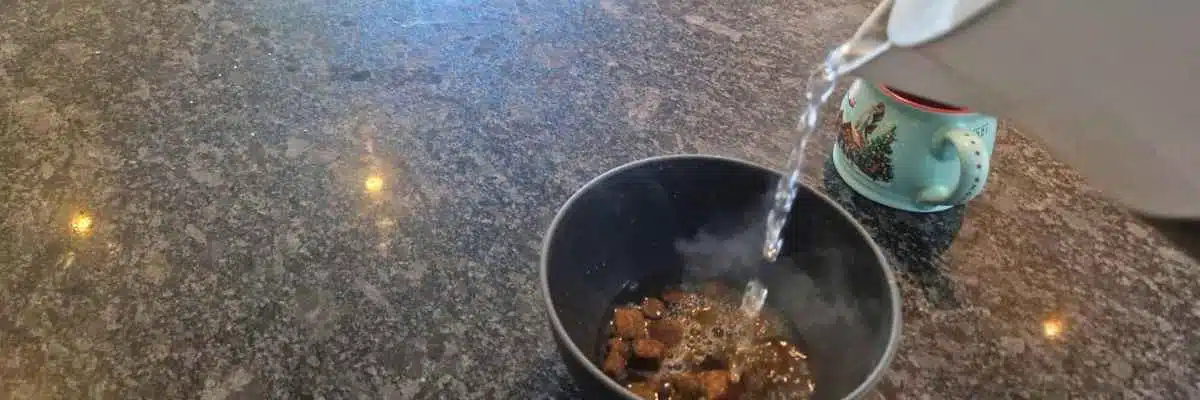
How to soften dog kibble with warm water
- Measure your dog’s normal portion of dry food.
- Add a small amount of warm (not boiling) water.
- Stir gently to moisten the kibble.
- Leave it for approximately 5–10 minutes, checking how quickly that particular food softens.
- Stir again and check that it’s comfortably cool before serving.
You don’t need to turn the food into soup.
Some dogs prefer kibble that’s only lightly moistened. Others prefer a much softer consistency.
Try a little water first and see what your dog likes.
The Royal Kennel Club’s guidance on feeding fussy dogs also recommends trying warm water to improve the appeal of dry food.
Is it safe to add water to dog kibble?
Yes, for most healthy dogs, adding clean water to ordinary dry kibble is a simple way to change its texture.
There are a few precautions:
- Use warm rather than boiling water.
- Allow the food to cool before offering it.
- Prepare each portion fresh.
- Discard uneaten moistened food promptly rather than leaving it standing.
- Wash and dry the bowl between meals.
- Check the manufacturer’s instructions for foods that have specific preparation requirements.
Moistening kibble doesn’t add calories or make an unsuitable diet nutritionally complete.
It simply changes how you serve the food.
If your dog is on a veterinary prescription diet, especially a specialist dental diet, check with your vet before changing how you prepare it.
And remember, even softened food doesn’t replace the need for fresh drinking water.
2. Mix a little wet dog food into the kibble
Some dogs find wet food more appealing because of its smell and texture.
Instead of replacing their dry food entirely, try mixing in a small amount of suitable wet food.
I would start with a teaspoon or another small quantity appropriate to your dog’s size.
Mix it thoroughly through the kibble rather than simply placing it on top.
Otherwise, some dogs become remarkably skilled at eating the interesting bits and leaving everything else.
Should I use complete or complementary wet food?
Check the label.
Complete wet food is formulated to provide the required nutrients when fed appropriately. Complementary products are designed to be used alongside other foods.
If you regularly combine wet and dry food, calculate how much of each your dog needs rather than adding the wet food on top of their full dry ration.
My guide to Complete vs Complementary Dog Food explains the difference.
If your dog has a sensitive stomach or follows a veterinary diet, check with your vet before adding another food.
3. Try a small, suitable food topper
Sometimes a tiny addition can make an ordinary meal more interesting.
For a healthy dog without dietary restrictions, options might include:
- A little plain, cooked, boneless chicken
- A small amount of plain cooked turkey
- A spoonful of suitable complete wet dog food
- A small amount of plain, cooked dog-safe vegetables
I would avoid turning every meal into an elaborate recipe.
The idea is to encourage your dog to eat their appropriate main diet, not to replace it with a collection of extras.
What should you avoid adding?
Be careful with human foods and leftovers.
Avoid:
- Onions, garlic and other toxic ingredients
- Gravy, stock cubes and sauces containing unknown ingredients
- Salty or heavily seasoned leftovers
- Rich or fatty food
- Cooked bones
- Products containing xylitol, which is toxic to dogs
Plain water is generally a safer first choice than using stock or gravy to flavour kibble.
You can find suitable examples and important warnings in my guide to Human Foods Dogs Can Eat Safely.
Don’t forget the calories
Extra food still counts.
The World Small Animal Veterinary Association recommends keeping treats and extras to no more than around 10% of a healthy dog’s daily calorie intake.
That includes the chicken mixed into dinner, the treats used on walks and the food placed inside enrichment toys.
You can read the WSAVA guide to feeding treats for more information.
4. Make kibble more interesting with a snuffle mat or puzzle feeder
Not every dog wants to eat from an ordinary bowl.
Some appear more interested when eating involves sniffing, searching or solving a simple problem.
This is where enrichment feeding can be useful.
A snuffle mat allows you to hide dry kibble among strips of fabric, encouraging your dog to search for it.
A beginner puzzle feeder gives your dog a simple activity to work through to reach the food.
You don’t need complicated or expensive equipment.
Start with something easy and let your dog work at their own pace.
A puzzle that creates frustration isn’t improving mealtimes.
Is enrichment feeding suitable for every dog?
No.
Some dogs become frustrated, overexcited or possessive around food toys.
Others find them tiring or confusing, especially if they are unwell or have physical difficulties.
Supervise your dog, choose equipment appropriate to their size and chewing habits, and use their measured food allowance rather than providing another meal.
Dry kibble is usually easier to use in fabric snuffle mats. I would not put wet or soaked kibble into a fabric mat unless it is specifically designed to be washed and safely used with moist food.
For more ideas, see Ditch the Bowl at Mealtimes.
5. Try scatter feeding
This is another simple option that doesn’t require buying anything.
Instead of putting the whole meal into a bowl, scatter a measured portion of dry kibble over a clean, safe area.
You might use:
- A clean kitchen floor
- A washable feeding mat
- A small area of safe, short grass
- A clean, dry towel with kibble placed in loose folds
The aim is to encourage sniffing and gentle searching.
I particularly like giving dogs opportunities to use their noses, whether on walks or through simple activities at home.
However, scatter feeding needs to suit the individual dog.
Avoid it where there is a risk of swallowing unsuitable objects, food guarding between pets, contamination or difficulty finding and eating the food.
If your dog is struggling to eat, an ordinary bowl may be the better option.
You can find more practical ideas in my Dog Enrichment Guide.
6. Check how many treats your dog receives
I think many households underestimate this.
Your dog might receive breakfast and dinner from you.
But during the day, they may also have:
- Training treats
- A dental chew
- A biscuit after a walk
- A stuffed food toy
- A few pieces of chicken
- An occasional treat from another family member
Individually, none of those may seem particularly significant.
Together, they can make up a substantial amount of food.
A dog that has eaten plenty of extras may not be particularly hungry when dinner arrives.
Try using part of their normal food allowance.
For dogs happy to work for kibble, you can set aside some of their daily portion for easy training games at home.
That way, you’re not automatically adding extra calories.
For more help with portions, read How Much Should I Feed My Dog?.
If you’re looking for more rewarding training food, my Best Dog Training Treats UK Guide explains how I choose treats for different situations.
7. Make mealtimes calm and predictable
Some dogs are uncomfortable eating in busy environments.
Consider where you place your dog’s bowl.
Is it beside a noisy washing machine?
Are children regularly running past?
Does another dog approach while they’re eating?
Is the bowl somewhere they feel exposed or unsettled?
For a nervous or recently rescued dog, a quieter feeding area may help.
Give them space to eat without being watched too closely, disturbed or pressured.
If you have more than one pet, separate feeding areas can also help avoid competition and tension.
What about rescue dogs?
Rescue dogs may arrive with unfamiliar routines and previous experiences we know little about.
Some settle into feeding immediately.
Others need more time and consistency.
I wouldn’t rush to label a nervous dog as fussy.
Keep the routine predictable, reduce unnecessary disturbances, and let them eat comfortably.
If their reluctance persists, involve your vet rather than assuming it is simply part of settling in.
8. Check the feeding bowl and freshness of the kibble
Sometimes the simplest things are worth checking.
Is the bowl clean?
Food residue can build up, particularly when wet food or softened kibble is used.
Wash the bowl between meals and rinse it thoroughly.
Does the bowl move?
Some dogs dislike bowls that slide around the floor or make a loud noise.
A stable, non-slip bowl may help.
Others may be more comfortable eating from a shallow dish.
Is the kibble fresh?
Check the:
- Best-before date
- Storage instructions
- Condition of the packaging
- Smell and appearance of the food
Once opened, store dry dog food properly.
Keep it in its original packaging, ideally secured inside a clean, suitable storage container, somewhere cool and dry.
If the food smells unusual, appears mouldy or has clearly deteriorated, don’t feed it.
9. Keep a consistent feeding routine
Dogs often benefit from knowing what to expect.
Try offering meals at reasonably consistent times and in a familiar place.
For many healthy adult dogs, splitting the daily allowance into two meals works well, although individual needs vary.
If your dog doesn’t eat immediately, don’t turn the meal into a prolonged negotiation.
For an otherwise healthy dog whose vet has ruled out appetite-related illness, you can offer the meal for a short time and remove it if it goes untouched.
But I wouldn’t recommend withholding food to force a dog to eat, particularly a puppy, an older dog, an underweight dog or one with a medical condition.
Should you keep changing dog food?
Not automatically.
Continually changing flavours or brands can make feeding more complicated, and sudden changes may cause digestive upset.
If you decide that a different food is appropriate, introduce it gradually unless your vet advises otherwise.
My guide to Changing Your Dog’s Food Safely explains how to do this.
10. Consider your dog’s age, teeth and health
This is especially important for older dogs.
As dogs age, some develop dental disease, changes in appetite or other health conditions that affect eating.
A dog that once happily crunched through dry biscuits may begin to struggle with harder food.
You might notice:
- Dropping kibble while eating
- Chewing on one side
- Taking longer than usual to finish meals
- Avoiding harder food
- Bad breath or dribbling
- Moving away from the bowl after trying to eat
Don’t assume these are normal signs of getting older.
Dental disease can be painful, and other medical problems can also affect appetite.
Soaking ordinary kibble in warm water may help some dogs manage the texture, but it doesn’t treat dental pain.
If your dog has difficulty chewing, arrange a veterinary examination.
The Dogs Trust guide on when to visit the vet explains why changes in eating and drinking habits deserve attention.
What about puppies?
Puppies need a suitable complete food formulated for their growth and development.
Some puppies prefer smaller kibble or a softer texture, but a puppy refusing food should not automatically be treated as a fussy eater.
Young puppies can become unwell more quickly than healthy adult dogs.
Contact your veterinary practice promptly if your puppy is refusing meals or their appetite changes.
When should you contact your vet about a dog refusing kibble?
A sudden change in appetite deserves attention, even when the dog still accepts treats.
Contact your vet if your dog:
- Suddenly stops eating their usual food
- Refuses food completely
- Has difficulty chewing or swallowing
- Is vomiting or has diarrhoea
- Seems unusually tired or uncomfortable
- Is losing weight
- Has a noticeably changed thirst or drinking pattern
- Appears interested in food but cannot eat comfortably
PDSA recommends contacting your vet when your dog’s eating habits change and seeking prompt veterinary care if they have eaten nothing for more than 24 hours.
Do not wait 24 hours if your dog is unwell, very young, elderly, underweight or has a condition such as diabetes. Ask for advice sooner.
Repeated unproductive retching, especially with a swollen abdomen, is a veterinary emergency.
The point is not to worry about every unfinished bowl.
It’s about recognising when a change might mean more than a feeding preference.
How I handle feeding routines during house sitting
When I’m looking after somebody else’s dog, I follow the routine their owner has agreed with me.
That means knowing:
- Which food they normally eat
- How much they receive
- Their usual feeding times
- Whether they have wet food mixed in
- Whether their kibble is normally softened with water
- Which treats are allowed
- Whether they have allergies or medical restrictions
- What their normal appetite looks like
I don’t introduce a new topper, switch their food, or change their feeding routine without agreement.
A dog may already be adjusting to its owner being away.
Keeping things familiar can help.
If I notice an unexpected change in appetite, I let the owner know and follow the agreed veterinary contact arrangements.
For more about keeping pets comfortable in their own home, see my House Sitting Service in Finchley and North London.
Frequently asked questions
Can I put warm water on dry dog food?
Yes. For most healthy dogs eating ordinary dry kibble, adding clean, warm water is a simple way to soften the food and make its aroma more noticeable.
Prepare it fresh, let it cool, and discard uneaten moistened kibble promptly.
How long should I soak dog kibble?
Start with about 5–10 minutes in warm water.
Different foods soften at different rates, so check the texture rather than relying on an exact time.
Is it better to feed dry kibble or soaked kibble?
Neither is automatically better for every dog.
If your dog eats their normal complete dry food happily and comfortably, you don’t need to add water.
If they prefer a softer texture, moistening may be useful.
Individual dental and medical needs should guide the decision.
Can I add chicken to my dog’s kibble?
A little plain, boneless cooked chicken may suit many healthy dogs.
Avoid seasoning, sauces, onions, garlic and excessive fat.
Remember, chicken is an extra, not a replacement for a balanced, complete diet.
What can I mix with dry dog food?
Options include a little warm water, an appropriate amount of complete wet dog food or a small quantity of suitable, plain dog-safe food.
Check individual health needs before adding anything new.
Why will my dog eat treats but not kibble?
There are several possibilities.
They may prefer the smell or taste of treats, may already have eaten enough extras, or may be experiencing discomfort or illness.
Eating treats does not rule out a medical problem.
Do dogs get bored of eating the same kibble?
Some dogs may prefer variety, but not every dog needs frequent dietary changes.
A familiar, appropriate complete diet can work well for many dogs.
If your dog suddenly refuses food they previously enjoyed, check for health problems rather than assuming boredom.
Are snuffle mats suitable for fussy dogs?
They can be useful for some dogs who enjoy searching for food.
However, they aren’t suitable for every dog, particularly those who chew fabric, guard food or become frustrated.
Always supervise and keep activities easy.
Should I leave kibble out all day?
For most dogs, regular meals make it easier to monitor appetite and food intake.
Leaving food out all day makes it harder to notice changes, and you shouldn’t leave moistened kibble standing.
Follow your vet’s feeding instructions if your dog has special requirements.
When should I worry if my dog won’t eat?
Speak to your vet if your dog’s appetite changes suddenly, they refuse food completely, struggle to chew or show other signs of illness.
Don’t delay seeking advice for puppies, older dogs or dogs with underlying health conditions.
Final thoughts
You don’t always need a new brand of dog food to make dinner more appealing.
Sometimes a little warm water, a quieter feeding spot or a simple sniffing game is enough to make a difference.
I would start with the easiest changes before buying expensive toppers or completely changing the diet.
Keep an eye on treats, measure the food your dog actually eats and remember that not every dog enjoys the same feeding routine.
Most importantly, pay attention to the individual dog.
A dog that has always been selective about its kibble is different from one that suddenly stops eating.
If something doesn’t seem right, speak to your vet.
Related guides
For more practical feeding and enrichment advice, you may find these guides helpful:
- Dog Food & Nutrition Hub
- Dog Feeding Tips Every UK Owner Should Know
- Complete vs Complementary Dog Food
- Wet, Dry, Fresh or Raw Dog Food?
- Ditch the Bowl at Mealtimes
- 5 signs of ill health in older dogs
- Healthy Weight and Body Condition in Dogs
About the author
I’m Derek Chambers, owner of Finchley Dog Walker. I’ve worked professionally with dogs in Finchley, Muswell Hill and surrounding areas since 2011.
My approach is based on calm, one-to-one care, reward-based training support, enrichment and respecting each dog’s individual needs.
I am a professional dog walker and pet sitter, not a veterinary surgeon or veterinary nutritionist.
Veterinary disclaimer
This article provides general information about encouraging dogs to eat their normal food. It is not a substitute for veterinary diagnosis, medical treatment or individual nutritional advice.
If your dog is refusing food, losing weight, showing signs of illness or follows a prescribed diet, contact your veterinary practice before making dietary changes.
First published: 31 October 2026
Substantially updated: Not yet updated.