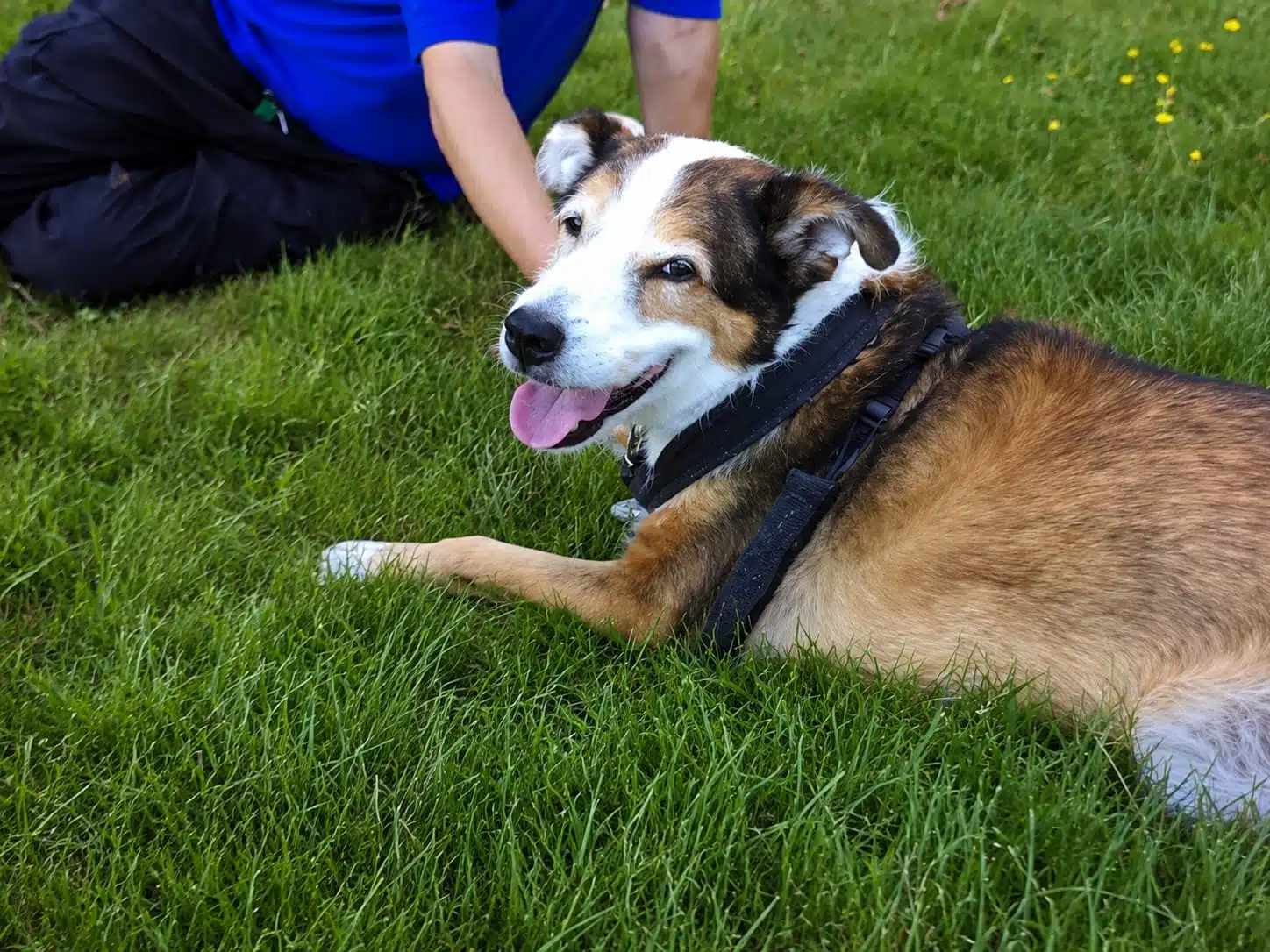
There comes a point when you realise your pet isn’t quite as young as they used to be.
Perhaps your dog takes a little longer to get up in the morning. Your cat no longer jumps straight onto the windowsill. Or your rabbit has started spending more time resting in a favourite spot.
These changes can creep up on us.
When you share your life with an animal, you see them every day. It’s easy to miss gradual changes because they happen so slowly.
I’ve been providing professional dog walking and pet care around Finchley and North London since 2011. Over those years, I’ve cared for dogs of all ages, along with cats, rabbits and other small pets.
One thing I’ve learnt is that older animals don’t necessarily want to stop doing the things they enjoy.
They might just need us to make those things a little easier.
For me, good senior pet care isn’t about trying to turn back the clock. It’s about understanding the animal in front of you and helping them enjoy life at their own pace.
Often, it’s the small, everyday adjustments that make the biggest difference.
Key Takeaways
- Older pets need special care to maintain their quality of life, so adapt routines to their changing needs.
- Small adjustments around the home can significantly help senior pets by making their favourite spots more accessible.
- Regular exercise remains important for older pets, but it should be tailored to their pace and comfort.
- Pay attention to changes in behaviour and health, as they may indicate underlying issues rather than just ageing.
- Routine and familiarity greatly benefit older pets, ensuring they feel secure and comfortable in their environment.
Table of contents
- 1. Let your older pet set the pace
- 2. Make their favourite places easier to reach
- 3. Keep their minds busy, without overdoing things
- 4. Senior cats deserve a little extra understanding
- 5. Older rabbits and guinea pigs need consideration too
- 6. Don’t assume every change is just old age
- 7. Familiar routines can become even more important
- It’s still their life, just at a different pace
- More senior pet care advice
- November 2026 Pet Business Blog Circle: Senior Pets
1. Let your older pet set the pace
I enjoy walking older dogs.
There’s something rather lovely about a dog who no longer feels the need to rush everywhere.
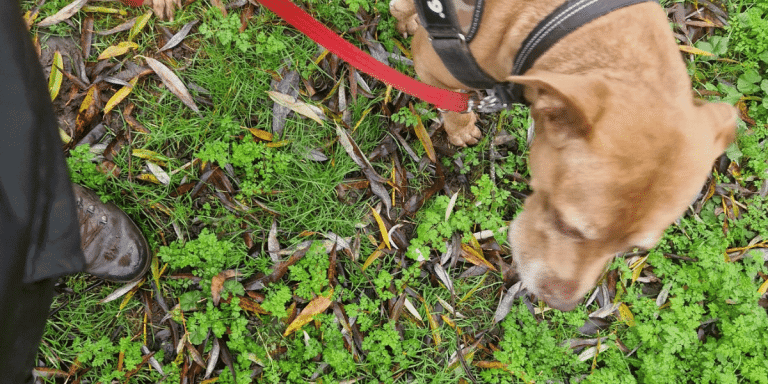
They may stop at the same tree for several minutes, investigate every interesting smell and occasionally decide that standing still is the most important part of the walk.
And that’s fine by me.
A good walk isn’t measured by how far we’ve travelled.
As dogs get older, they may benefit from shorter walks, quieter routes and more opportunities to rest.
That doesn’t mean we should stop exercising them. Appropriate, regular movement remains important for their physical and mental wellbeing.
The trick is finding the balance that suits them.
For some dogs, that might be twenty minutes around the local streets. Others may prefer several shorter outings rather than one longer walk.
No single walking routine suits every older dog.
The RSPCA’s senior dog care advice recommends continuing regular exercise while adapting activity to the dog’s changing needs.
Of course, suddenly slowing down or becoming reluctant to walk can indicate pain or illness. Discuss that with your vet rather than automatically putting it down to age.
You can find more ideas in my guide to exercising and enriching older dogs.
Don’t forget the weather
November can bring cold mornings, wet pavements, slippery leaves and early darkness.
Some older dogs find these conditions more difficult than they once did.
I would rather shorten a walk or choose an easier route than insist on completing a particular distance.
Sometimes a gentle walk close to home is exactly what a dog needs.
2. Make their favourite places easier to reach
Think about the places your pet visits every day.
Their bed.
Their food and water.
The garden door.
A favourite chair or windowsill.
The litter tray.
Now imagine having stiff joints or finding it harder to balance.
Suddenly, some very ordinary parts of the home can become more challenging.
For older dogs
Slippery floors are worth looking at.
Laminate, tiles and polished wood can be difficult for dogs who are less steady on their feet.
A well-secured rug or non-slip runner may give them better grip when getting up, turning around or walking towards the door.
Comfortable bedding, easy access to water and avoiding unnecessary jumping can also help.
You don’t necessarily need to spend a fortune.
Sometimes moving a bed or securing an existing rug makes more difference than buying expensive equipment.
I’ve put together a separate senior dog equipment guide, covering beds, ramps, non-slip mats and mobility aids, if you need help deciding what’s worth considering.
For older cats
Cats can be particularly good at hiding discomfort.
An older cat may still want to sleep on the sofa or watch the world from the windowsill, even if getting there has become more difficult.
You might be able to help by placing a stable step beside their favourite furniture, providing a comfortable sleeping place at a lower level or adding a litter tray with a lower entrance.
Make sure food and water are easy to reach, especially if your cat finds stairs difficult.
The Cats Protection guide to caring for elderly cats explains how changes to litter trays, bedding and access around the home can help older cats.
The aim isn’t to stop your cat enjoying their favourite places.
It’s to make those places easier to reach.
3. Keep their minds busy, without overdoing things
Getting older doesn’t mean pets stop needing things to do.
Dogs still enjoy exploring interesting smells.
Cats may continue playing with their favourite toys.
Rabbits enjoy foraging, exploring and spending time with their companions.
What often needs to change is how we provide these opportunities.
An older dog doesn’t necessarily need an energetic game of fetch. A gentle scent game or time investigating the garden might be more suitable.
For cats, a slowly moving toy or an easy food-search activity can provide enjoyment without encouraging uncomfortable jumping.
Older rabbits can still benefit from appropriate enrichment, including familiar tunnels, safe places to explore and opportunities to forage.
But there’s no need to make activities difficult for the sake of it.
I particularly like simple enrichment activities because you can adapt them to the individual animal.
A few pieces of suitable food hidden somewhere easy to reach can be more enjoyable than a complicated puzzle that causes frustration.
For dogs with medical restrictions, always follow your vet’s advice about permitted movement. Even an apparently gentle activity can involve bending, twisting or scrambling.
My gentle brain games guide offers ideas for senior dogs and dogs with restricted exercise.
And remember, resting is important too.
Not every moment needs to be filled with an activity.
4. Senior cats deserve a little extra understanding
Cats sometimes receive less attention in conversations about ageing because many of their changes aren’t particularly obvious.
An older cat might become quieter, sleep longer, or change where they choose to rest.
They may also become less tolerant of being handled or disturbed.
That doesn’t necessarily mean they’re becoming grumpy.
Something they previously enjoyed may now feel uncomfortable.
I always try to let cats choose how much interaction they want during my cat-sitting visits.
Some are delighted to see me.
Others prefer to watch from a safe distance while I prepare their food and clean the litter tray.
I don’t believe in forcing interaction.
That approach can be particularly helpful for older cats who appreciate a predictable routine and the freedom to choose where they rest.
Keep an eye on changes
If your older cat suddenly stops jumping, becomes reluctant to use the litter tray, starts grooming less or changes their eating and drinking habits, arrange veterinary advice.
These changes can have treatable causes.
You can also find more information in my Cat Care Advice Hub, which includes guidance on senior cats, everyday care and keeping cats comfortable at home.
5. Older rabbits and guinea pigs need consideration too
Dogs and cats tend to dominate discussions about senior pets.
But our smaller companions grow older as well.
An older rabbit might find it harder to hop into a high-sided litter tray or negotiate a steep ramp.
A guinea pig may become less mobile or need closer monitoring of its weight, eating habits and general condition.
These animals can hide signs of illness remarkably well, so knowing what’s normal for them is important.
Helping an older rabbit
Small adjustments might include:
- Providing a litter tray with an easier entrance.
- Keeping hay, food and water within comfortable reach.
- Making sure flooring provides suitable grip.
- Providing clean, dry and comfortable resting areas.
- Maintaining suitable space and opportunities for gentle movement.
- Keeping bonded companions together unless veterinary advice requires otherwise.
The Rabbit Welfare Association & Fund’s senior rabbit guide explains how ageing can affect mobility, grooming and everyday care.
One particularly important point is that rabbits who become less active may be experiencing pain rather than simply slowing down.
What about guinea pigs?
Guinea pigs need careful daily observation throughout their lives, including as they get older.
Changes in appetite, weight, droppings, mobility or behaviour should be taken seriously.
The PDSA’s guinea pig health guide provides useful advice on recognising possible health problems.
For both rabbits and guinea pigs, stopping eating is particularly concerning and requires urgent veterinary advice.
They aren’t little dogs, and their care needs are different.
If you keep small pets, take the time to learn what’s normal for their species and the individual animal.
6. Don’t assume every change is just old age
This is probably the point I’d most like pet owners to remember.
Getting older is natural.
Being in pain shouldn’t simply be accepted as an unavoidable part of it.
Over the years, one important part of my work has been noticing when an animal isn’t behaving quite as I would expect.
I’m not a vet, and I don’t diagnose medical problems.
But if a dog who normally enjoys their walk suddenly doesn’t want to leave the house, that’s worth mentioning.
The same applies when a cat changes its toileting habits or a rabbit becomes unusually quiet.
You know your own pet better than anybody.
Pay attention to changes in:
- Appetite and drinking.
- Weight and body condition.
- Movement and balance.
- Toileting habits.
- Sleep and activity.
- Grooming.
- Interest in play or interaction.
- General behaviour and confidence.
Some changes may be gradual, while others appear suddenly.
A small notebook or a few notes on your phone can help you recognise patterns and explain them clearly to your vet.
Regular veterinary health checks become particularly valuable as pets age. Your vet can recommend an appropriate schedule based on your animal’s species, age, and health.
If you are concerned about your pet’s comfort or quality of life, the PDSA’s quality-of-life guidance may help you prepare for a conversation with your vet.
Don’t wait for a problem to become severe before asking for advice.
7. Familiar routines can become even more important
Imagine being an older dog who enjoys breakfast at the same time every morning, a familiar afternoon walk and sleeping in the same comfortable bed.
Then suddenly everything changes.
Different surroundings, different smells, unfamiliar people and a completely new routine.
Some animals cope with changes very well.
Others find them much more difficult.
This is one reason I believe in keeping pet care as familiar and consistent as possible, particularly for senior pets.
When I’m house sitting, I want to know more than simply where the food is kept.
I want to understand the animal’s normal day.
When do they usually wake up?
Where do they like to sleep?
Do they need extra toilet breaks?
Do they struggle with certain steps?
Do they have medication or a particular feeding routine?
Are there signs that suggest they’re uncomfortable or unusually tired?
Those details help me provide care that fits the animal rather than expecting the animal to fit my routine.
Planning care when you go away
If you have an older pet, I’d suggest writing down their normal routine before arranging holiday care.
Include feeding instructions, veterinary details, agreed medication arrangements, mobility needs and what you would consider unusual behaviour.
For rabbits and guinea pigs, explain normal eating, droppings and activity patterns too.
Senior pets with significant medical needs may require more frequent supervision or specialist care, so it’s important to choose an arrangement that genuinely meets their needs.
My house-sitting service allows suitable pets to remain in their own home while I provide agreed overnight care.
I also offer cat sitting and small-animal home visits around Finchley, Muswell Hill and selected nearby areas.
For many animals, staying in familiar surroundings with appropriate care can be a good option.
The important thing is choosing the arrangement that suits your individual pet.
It’s still their life, just at a different pace
I think one of the nicest things about caring for older animals is seeing how much enjoyment they can still get from everyday experiences.
A familiar walk.
A good sniff.
A favourite place to sleep.
A gentle game.
A comfortable bed.
Some quiet company.
They might not have the same energy they had when they were young, but that doesn’t mean they’ve stopped enjoying life.
Our job is to pay attention, make sensible adjustments and help them continue doing the things they love.
Sometimes that means changing their walking routine.
Sometimes it means moving a water bowl or adding a rug.
Sometimes it means recognising that they need more help and seeking veterinary advice.
And sometimes it simply means giving them another five minutes to investigate that very interesting patch of grass.
I’m quite happy to wait.
More senior pet care advice
If you’re caring for an older pet, you may find these guides helpful:
- Senior Dog Care: A Complete Guide to Supporting Your Older Dog
- Senior Dog Exercise and Enrichment
- Best Senior Dog Equipment UK: Beds, Ramps and Non-Slip Mats
- Cat Care Advice: Practical Help for Cats and Their Owners
- Rabbit Holiday Care Essentials
If you’re based around Finchley or Muswell Hill and need individual help with your older dog, you can also read about my one-to-one walks for senior dogs.
November 2026 Pet Business Blog Circle: Senior Pets
This article is part of the November Pet Business Blog Circle.
Each month, independent pet professionals write about a shared subject, offering different perspectives based on their knowledge, services and experience.
This month’s theme is senior pets.
It’s a chance to learn from other people who care for animals and to discover practical ideas that might help your own pets as they grow older.
Read the other November Blog Circle articles
[Insert the confirmed November 2026 Blog Circle participant links here.]
Please take a little time to visit the other blogs in the circle. There is always something useful to learn from another pet professional’s experience.
And if you have an older pet at home, I’d love to know:
What’s one little thing you’ve changed to make their life easier?
Del Chambers
Finchley Dog Walker
Professional dog walking and pet care in North London since 2011
This article provides general pet-care information and does not replace veterinary advice. If you’re concerned about your pet’s health, mobility or behaviour, contact your veterinary practice.
First published: [November 2026